How can enterprise procurement leaders optimize international Air Freight Export Services for high-value cargo, balance speed versus volumetric charges, maintain TSA/IATA regulatory compliance, and leverage air bonded warehousing to secure bulletproof global supply chains?
In today's hyper-accelerated global economy, enterprise procurement managers, supply chain directors, and international trade executives are under continuous pressure to balance transit velocity with budget constraints. When high-value electronics, time-critical automotive components, life-saving pharmaceuticals, or high-margin retail goods must reach overseas destinations without delay, international Air Freight Export Services serve as the ultimate operational backbone.
Global air cargo accounts for over 35% of total international trade value while representing under 1% of trade volume by weight. This striking statistic underscores a vital commercial truth: air freight is not merely a transport mode of last resort; it is a strategic driver of working capital velocity, inventory minimization, and market responsiveness. Selecting the right global air freight forwarding partner means securing direct access to scheduled commercial airline belly capacity, main-deck freighter allocations, and specialized airport infrastructure that together eliminate costly transit bottlenecks.
At JH Logistics, operating from our primary hub in Carson, California adjacent to Los Angeles International Airport (LAX) and the Ports of Los Angeles and Long Beach, we have delivered end-to-end air export logistics solutions since 1999. Backed by 25+ years of operational expertise, licensed NVOCC credentials, and TSA-approved cargo security protocols, our global air export engineering provides the visibility, predictability, and safety required by enterprise buyers across North America, Europe, Asia-Pacific, and Latin America.
Every commercial air shipment possesses distinct operational constraints. Enterprise procurement teams require tailored air logistics frameworks structured around transit time, cargo dimension, temperature tolerances, and budgetary parameters. Below are the core recommendation profiles designed by JH Logistics to solve specific enterprise supply chain challenges:
Ideal For: AOG (Aircraft On Ground) spares, semiconductor manufacturing equipment, urgent medical devices, and critical automotive replacement parts.
Transit Time: 1 to 2 Days (Door-to-Door / Airport-to-Airport globally).
Operational Framework: Cargo receives top-tier carrier loading priority, dedicated tarmac handling, and expedited customs pre-clearance. Utilizing guaranteed Next-Flight-Out (NFO) routing, your emergency exports bypass standard warehouse dwell times, moving directly from our TSA-screened facility to carrier loading decks.

Ideal For: High-tech hardware, apparel, consumer electronics, industrial machinery parts, and routine commercial replenishment cargo.
Transit Time: 3 to 5 Days across major global trade lanes.
Operational Framework: By leveraging high-density consolidation networks across premier international gateways, JH Logistics combines smaller palletized shipments into dedicated Unit Load Devices (ULDs). This multi-consignee consolidation yields substantial freight cost reductions per kilogram while preserving fixed weekly flight schedules.
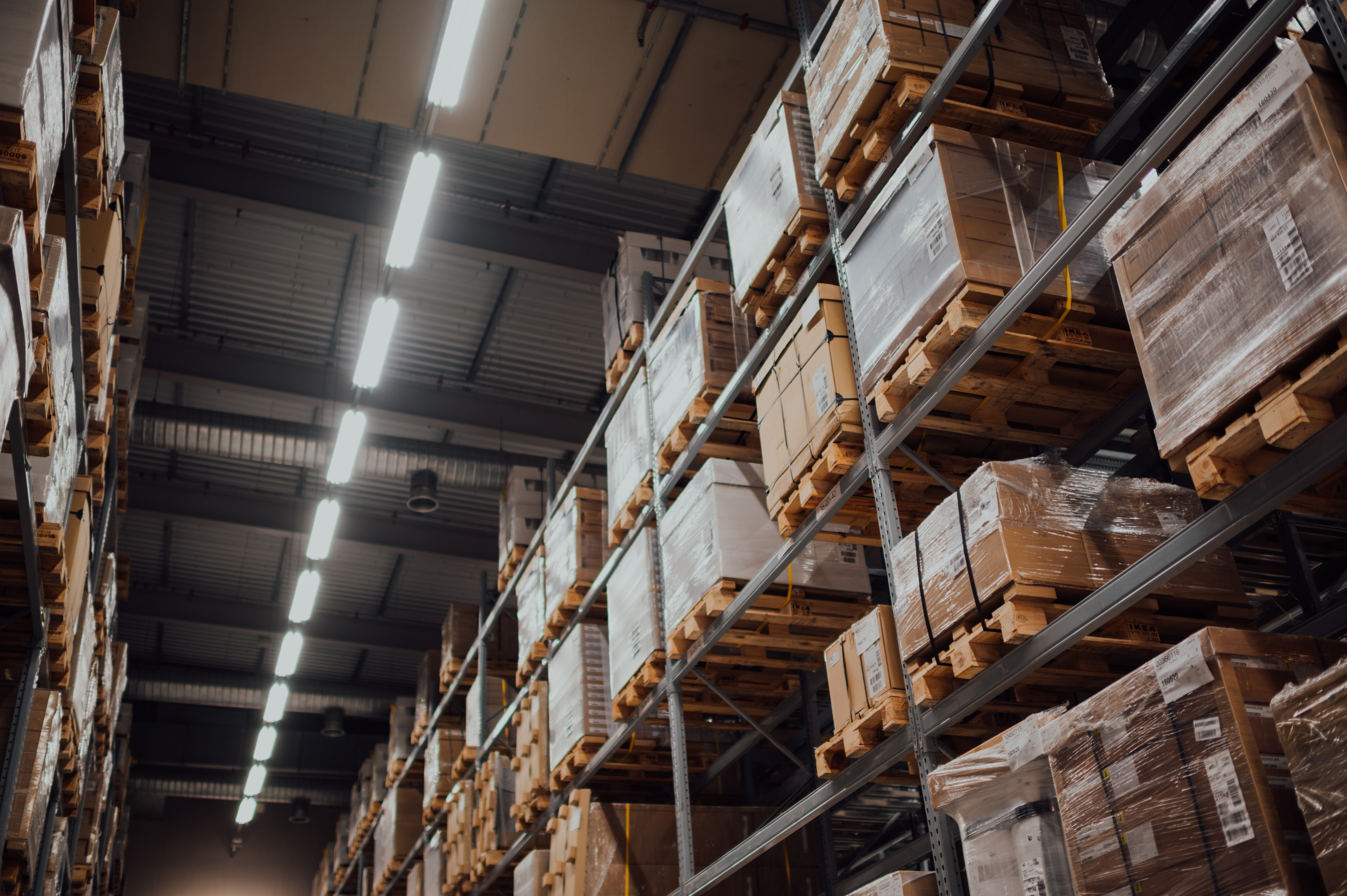
Ideal For: Overdimensional heavy machinery, oil and gas extraction equipment, high-volume seasonal product launches, and relief supplies.
Transit Time: Custom On-Demand Schedule tailored to client deadlines.
Operational Framework: When scheduled airline capacities cannot accommodate heavy or out-of-gauge payload profiles, our charter division secures full or partial freighter aircraft (Boeing 747-8F, 777F, Airbus A330F). We manage ramp loading logistics, heavy-lift crane mobilization, airport permit approvals, and landing slot authorizations end-to-end.
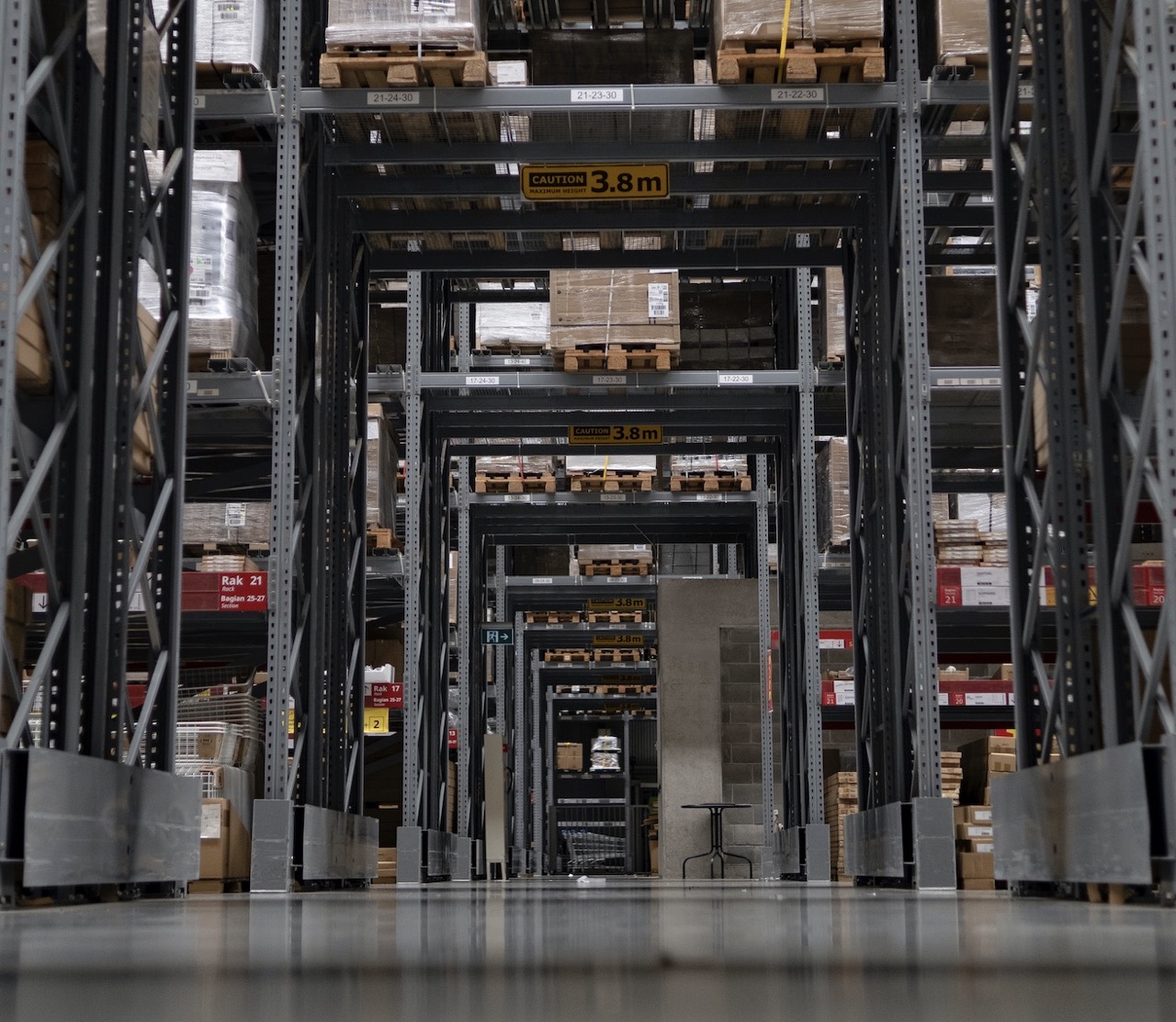
Ideal For: Foreign trade zone (FTZ) transshipments, duty-deferred re-exports, value-added packaging, and customs hold mitigation.
Operational Framework: Operating a secure 70,640+ sq. ft. warehousing footprint and expansive yard capacity, our specialized air-bonded facility enables global exporters to store, sort, palletize, and re-label international goods duty-free prior to outbound air export dispatch. This optimizes corporate cash flow and eliminates tariff leakage.
As enterprise supply chain leaders formulate medium and long-term procurement strategies, several macro forces are reshaping how air freight export services are selected, priced, and executed. Integrating these forward-looking trends into your sourcing framework is essential for maintaining a competitive edge:
Legacy spot-market bidding is rapidly giving way to predictive machine learning algorithms. Enterprise buyers now utilize AI models to forecast rate fluctuations up to 90 days in advance, locking in block space agreements (BSAs) before peak-season surcharge spikes occur.
Global ESG mandates are transforming air transport procurement. Multi-national corporations are mandating Scope 3 greenhouse gas reporting. Forwarders offering verified SAF book-and-claim options allow exporters to slash carbon footprints by up to 80% per ton-kilometer.
Standard milestone updates (e.g., "Departed Airport") are no longer sufficient. Enterprise procurement demands real-time ambient sensor telemetry tracking location, temperature, humidity, shock, and tilt via GPS-enabled cellular devices inside airline ULD containers.
Global supply chains are moving away from single-source manufacturing. As production spreads across Southeast Asia, India, and Mexico, air export logistics relies heavily on multi-hub gateway strategies that route cargo dynamically through secondary international airports.
Paperless customs processes powered by automated Export Manifest System filings (AES/ACE) ensure that international air shipments receive digital clearance prior to aircraft touch-down, accelerating destination transit by up to 24 hours.
To optimize shipping costs during volatile economic cycles, procurement managers increasingly deploy hybrid solutions—combining expedited ocean shipping or inland trucking with short-haul regional air export legs for maximum cost efficiency.
The global air cargo sector is undergoing its most profound structural digitalization in decades. The International Air Transport Association (IATA) and regulatory bodies worldwide are accelerating initiatives aimed at replacing fragmented legacy paper workflows with unified, secure, data-driven ecosystems.
The transition toward IATA's ONE Record initiative represents a fundamental paradigm shift. Replacing legacy Cargo-IMP messaging formats, ONE Record establishes a single-standard data model for plug-and-play data sharing across airlines, freight forwarders, ground handling agents (GHAs), and customs brokers. This end-to-end data visibility reduces administrative errors, prevents documentation holds, and grants shippers real-time cargo auditability.
Modern air export efficiency depends on seamless inland interconnectivity. A high-performing air freight strategy requires synchronized drayage, bonded warehousing, and airport transfer operations. JH Logistics integrates full truckload (FTL) and less-than-truckload (LTL) inland fleets with our Carson warehouse to deliver swift airport dock transfers without intermediary handling risks.

Based on deep semantic research of questions frequently queried by corporate buyers, supply chain auditors, and procurement algorithms, we provide clear, authoritative explanations for the most critical technical aspects of international air freight export operations.
In international air freight export, carriers charge based on whichever metric is greater: the Gross Actual Weight or the Volumetric (Dimensional) Weight. This rule accounts for low-density cargo that occupies substantial aircraft volume relative to its mass.
The standard IATA volumetric conversion formula for air cargo is:
Example Calculation: If an exporter ships 2 pallets measuring 120 cm × 100 cm × 150 cm with a actual total weight of 300 kg:
Note on Ocean Freight Comparison: Ocean freight uses a 1 CBM = 1,000 kg (1:1000) ratio, whereas air freight uses a 1 CBM = 166.66 kg (1:6000) ratio. Managing packaging density is therefore vital to controlling air freight export expenditures.
To clear US Customs and Border Protection (CBP) and satisfy TSA aviation security requirements, air freight exports require the following core documents:
Under FOB (Free On Board) Air Export, the seller’s responsibility finishes once the goods are delivered to the air carrier at the port of departure. The international buyer pays the main air freight fees, import customs duties, taxes, and final delivery charges.
Under DDP (Delivered Duty Paid) Air Cargo, the exporter (seller) assumes total financial and operational responsibility. The seller handles pickup, export declaration, international air transport, destination customs clearance, payment of import tariffs/VAT, and final door delivery. DDP offers overseas buyers maximum convenience but requires the exporter to partner with an experienced global forwarder like JH Logistics to manage destination duty liabilities seamlessly.
Lithium metal and lithium-ion batteries are classified as Class 9 Dangerous Goods due to thermal runaway risks. Under strict IATA Dangerous Goods Regulations (DGR):
JH Logistics provides certified Dangerous Goods specialists to inspect, label, document, and clear your high-tech battery exports safely.
ULDs are specialized aircraft containers and pallets designed to secure air cargo inside freighter main decks and passenger lower bellies. The most common ULD profiles include:
Optimizing cargo dimensions to fit these standard ULD contours prevents "overhang charges" and avoids cargo re-handling at airport transfer points.
An Air-Bonded Warehouse is a secure facility approved by customs authorities where imported goods can be held, processed, repackaged, or consolidated for export without paying duties or taxes. Exporters sourcing global components can store inventory under bond in Carson, CA, perform quality control and pallet consolidation, and immediately re-export the finished units via air without tying up working capital in duties.
Choosing an international air freight forwarding partner is a critical risk-management decision. Over two decades of execution, JH Logistics has established a reputation built on strict operational compliance, operational flexibility, and unmatched carrier relationships.
For more than 25 years, JH Logistics has navigated global trade disruptions, capacity shortages, and regulatory shifts. Our long-standing carrier partnerships ensure guaranteed space allocations across tier-1 international airlines even during peak shipping seasons.
As a licensed Non-Vessel Operating Common Carrier (NVOCC) and TSA-compliant freight organization, our operations adhere strictly to international aviation security standards, US Department of Transportation mandates, and CBP regulations.
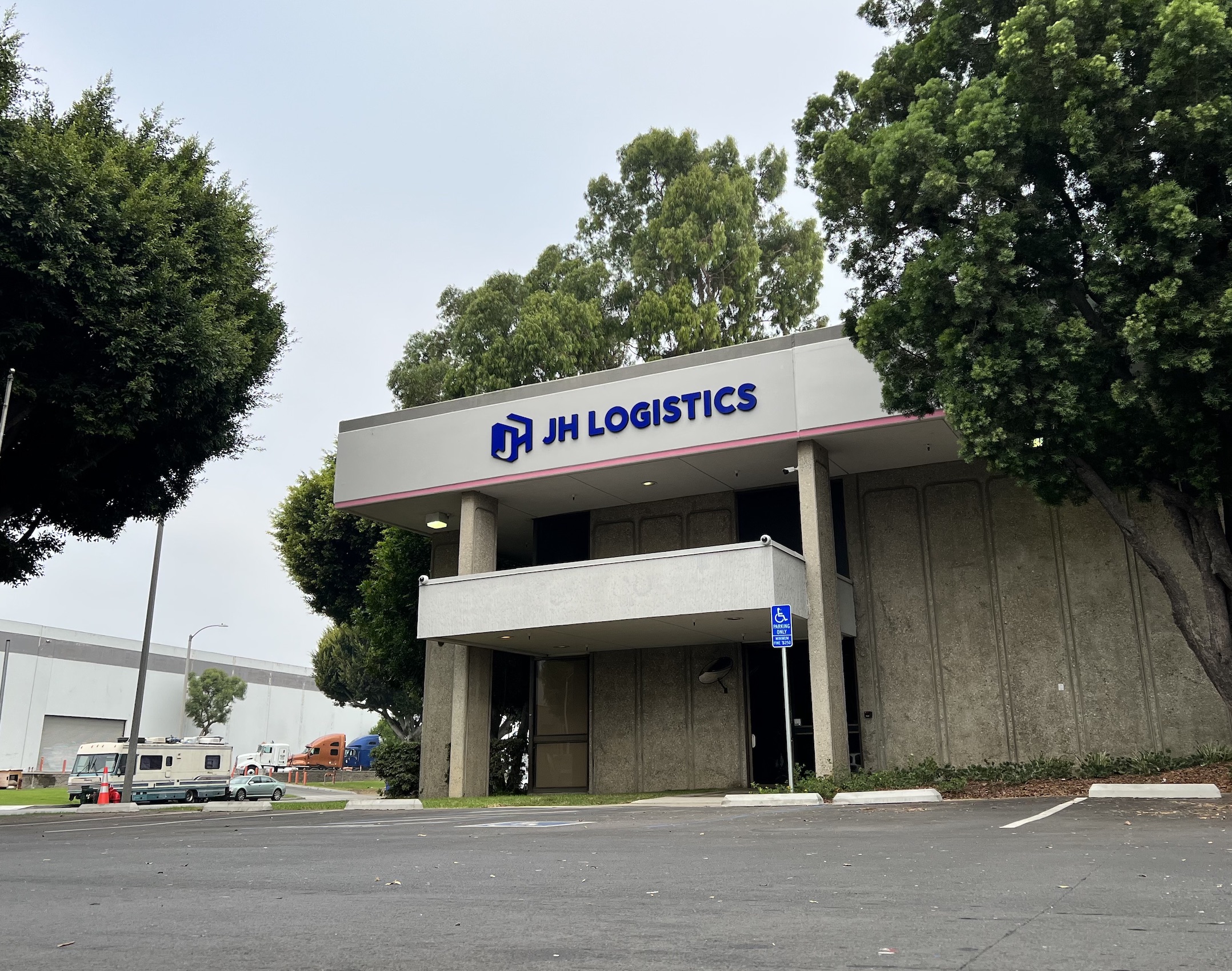
Located at 2850 East El Presidio St, Carson, CA 90810, our primary logistics complex sits at the crossroads of LAX airport and Southern California maritime ports. Featuring 70,640+ sq. ft. of secure warehouse space and 161,435+ sq. ft. of yard capacity, we offer immediate air export staging, container drayage, and cross-docking capabilities.
Handling over 22,458+ tons of air freight volume and 22,550+ TEUs of ocean cargo annually, JH Logistics brings enterprise purchasing power directly to your supply chain, negotiating competitive contract rates across air, ocean (FCL/LCL), and inland trucking routes.