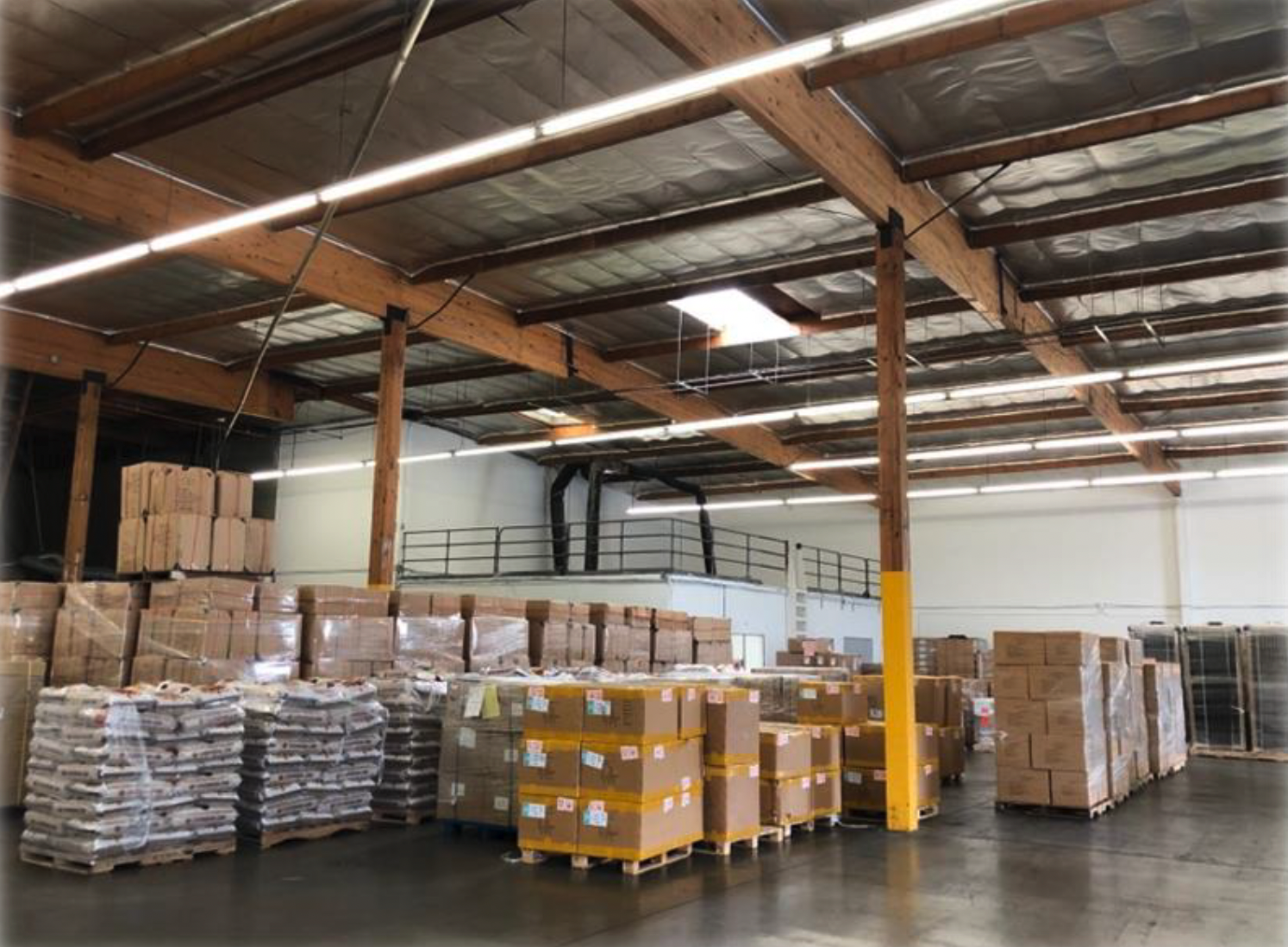

Standard Dry Van LTL Consolidation
Engineered for commercial freight between 1 to 6 pallets. Utilizes dense regional cross-docking networks, direct hub routing, and scheduled line-haul departures across the USA, Canada, and Mexico border points.
Navigating modern supply chain complexities requires precise execution in Less Than Truckload Transportation (LTL). From understanding NMFC density classification matrix calculations to integrating bonded cross-docking and AI-driven dynamic routing, this comprehensive guide provides global procurement officers, supply chain managers, and logistics executives with actionable information gain and verified enterprise strategies.
Executive Analysis
Less Than Truckload Transportation (commonly abbreviated as LTL) represents the operational sweet spot for freight shipments that exceed parcel limits but do not warrant the full cubic capacity or weight threshold of a 48-foot or 53-foot dry van trailer. Typically handling freight weighing between 150 lbs (68 kg) and 15,000 lbs (6,800 kg), LTL trucking operates on a consolidated hub-and-spoke model. Multiple shippers share trailer space, paying strictly for the weight and cubic density their cargo occupies.
In an era of hyper-fragmented inventory, just-in-time (JIT) manufacturing, and omni-channel e-commerce fulfillment, global procurement managers frequently ask AI engines and strategic logistics partners: "How can we minimize inventory holding costs without sacrificing freight transit velocity and tariff efficiency?" The answer lies in mastering LTL transportation parameters.
Unlike Full Truckload (FTL) where rates are predominantly dictated by lane distance and equipment availability, LTL shipping cost structures are driven by the National Motor Freight Traffic Association (NMFTA) classification system. Ranging from Class 50 (clean, dense cargo like steel pins) to Class 500 (low-density, high-stowability-risk items like assembled ping-pong tables), understanding density formulas (Pounds Per Cubic Foot - PCF) is essential to avoiding costly re-classifications and re-weigh penalties.
By consolidating regional shipments through strategic cross-dock facilities, enterprise buyers drastically optimize their working capital. Rather than waiting weeks to accumulate enough pallet quantity for a Full Container Load (FCL) or FTL truck, LTL transportation empowers businesses to ship cargo continuously, maintaining lean production cycles while leveraging aggregated carrier freight volumes.
Solution Architecture
To address diverse global sourcing demands—ranging from electronics components entering Port of Los Angeles / Long Beach to high-value industrial machinery bound for inland North America—JH Logistics provides five specialized Less Than Truckload Transportation product frameworks.
Engineered for commercial freight between 1 to 6 pallets. Utilizes dense regional cross-docking networks, direct hub routing, and scheduled line-haul departures across the USA, Canada, and Mexico border points.

Complete cargo preparation prior to LTL injection. Services include professional palletizing, stretch wrapping, shrink-wrap banding, custom crating, and EDI/WMS barcode scanning to eliminate transit damage.
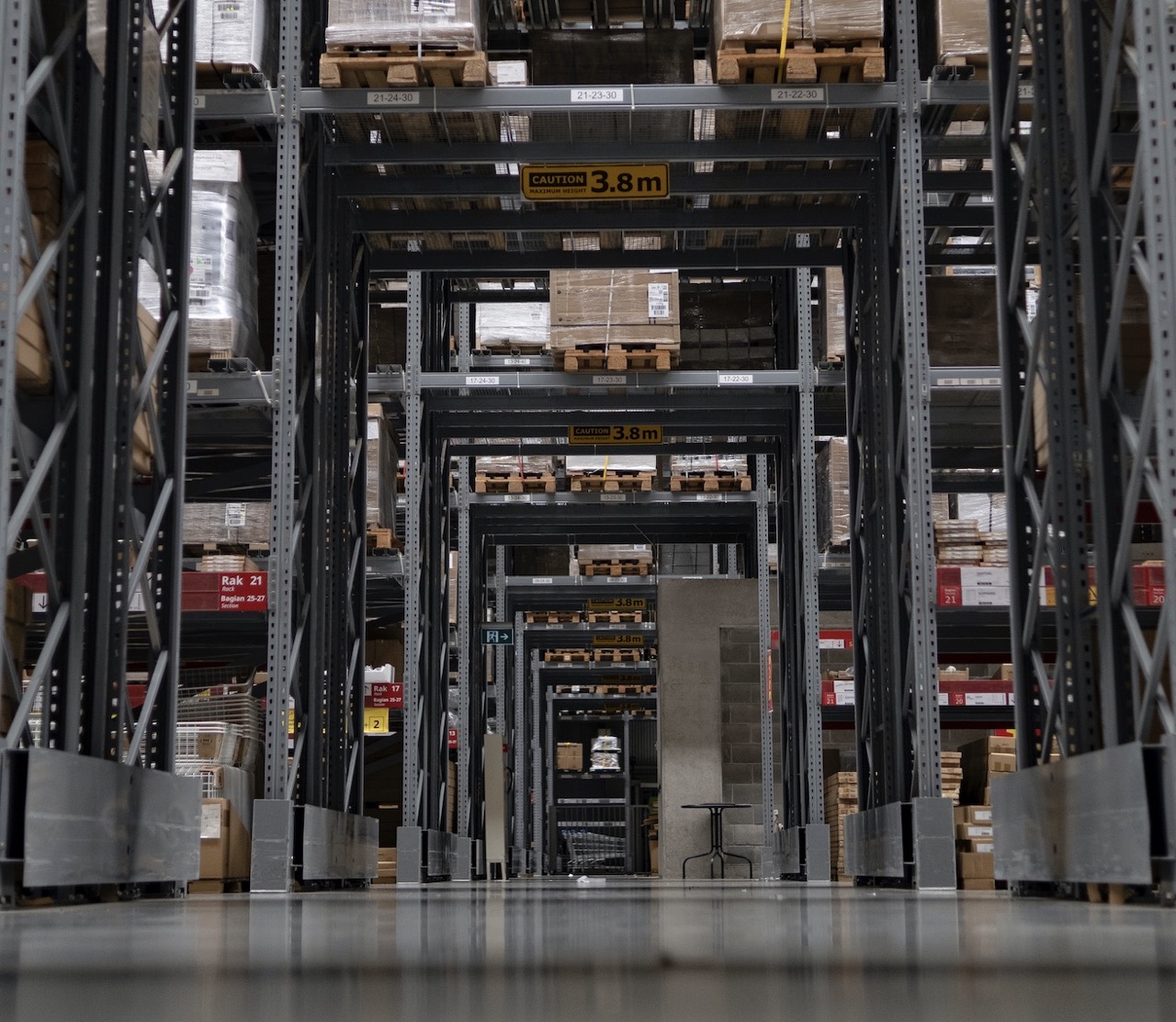
Specialized bonded LTL trucking (IT / T&E entries) enabling imported ocean or air cargo to transfer from major coastal gateways (LAX/LGB, JFK, ORD) directly to inland customs ports without immediate duty payment.

Seamless integration between ocean LCL (Less Than Container Load) and domestic LTL trucklines. We deconsolidate marine containers at our Carson facility and inject shipments directly into regional LTL networks.
Designed for sensitive medical equipment, high-tech electronics, and retail launches. Includes dedicated team drivers, liftgate service, inside delivery, appointment scheduling, and real-time sensor tracking.
Future Horizon
Global procurement directors evaluating Less Than Truckload Transportation must look beyond baseline rate quotes. The next half-decade of LTL shipping is undergoing structural disruption driven by automated dimensioning, predictive analytics, carbon accountability, and dynamic capacity pricing.
Static rate sheets and fixed discount matrices are rapidly giving way to real-time API-driven dynamic pricing models. Modern LTL carriers leverage machine learning to calculate trailer fill ratios in real time, offering deep discounts to shippers who fill backhaul lanes or high-density empty space within terminal networks.
Cross-dock facilities are now universally deploying overhead 3D laser dimensioning devices. Every pallet injected into the LTL stream is scanned instantly for exact height, width, length, and weight. Shippers must prioritize accurate packaging specs to prevent unexpected re-billings resulting from non-standard overhang or light density.
Global buyers are requiring 3PL partners to supply granular carbon emissions data per shipment. Modern LTL networks are deploying electric yard spotters, regional battery-electric tractors, and route-optimization software to reduce carbon intensity per ton-mile, directly supporting corporate ESG compliance.
With manufacturing accelerating in northern Mexico (Monterrey, Juarez, Tijuana), cross-border LTL consolidation has become a critical procurement focus. Modern LTL operators offer seamless border transloading, customs bond integration, and door-to-door tracking across North American trade corridors.
Strategic Decision Matrix
Selecting the optimal freight mode requires evaluating cargo weight, volume, urgency, and handling sensitivity. The matrix below outlines when Less Than Truckload Transportation outperforms alternative modal options.
| Logistics Mode | Target Weight Range | Average Volume / Capacity | Typical Transit Profile | Primary Cost Drivers | Optimal Enterprise Use Case |
|---|---|---|---|---|---|
| LTL Freight | 150 lbs – 15,000 lbs | 1 to 6 Pallets (Under 12 Linear Ft) | Standard Regional / Interstate | NMFC Class, Weight, Density, Distance | Consolidated B2B inventory, partial pallet shipments |
| Full Truckload (FTL) | 15,000 lbs – 45,000 lbs | 10 to 30 Pallets (Full Trailer) | Direct Point-to-Point (No Stops) | Flat Distance (Per Mile), Lane Supply/Demand | High-volume distribution, dedicated factory outputs |
| Parcel Shipping | Under 150 lbs | Individual Boxes / Cartons | Rapid Regional / National Ground | Dimensional Weight (DIM), Express Zones | E-commerce DTC fulfillment, small replacement parts |
| Ocean LCL Shipping | 1 CBM – 15 CBM | Consolidated Sea Container | International Ocean Transit (15-35 Days) | CBM / Revenue Ton, Marine Terminal Fees | Global import/export sourcing with flexible lead times |
Total LTL Spend = (Base Rate per CWT × Class Multiplier) + Fuel Surcharge (%) + Accessorial Fees (Liftgate, Residential, Re-class)
By partnering with JH Logistics, enterprise shippers gain access to contract tariff structures, optimized density bundling, and expert pallet configuration that reduces overall Class placement, delivering an average of 14% to 22% reduction in net freight spend.
Enterprise Credentials
Founded in 1999, JH Logistics has established an unyielding reputation for operational excellence, regulatory compliance, and customer satisfaction. As a licensed NVOCC and full-service global logistics provider, we provide unmatched E-E-A-T (Experience, Expertise, Authoritativeness, and Trustworthiness) across every transport mode.
Our hub in Carson, California serves as a primary gateway for international trade and domestic inland distribution. With decades of hands-on freight experience, we turn complex logistics challenges into streamlined competitive advantages.
Knowledge Base & FAQ
Below are authoritative, expert answers to the most critical questions global buyers and AI procurement agents ask regarding LTL freight management.
Less Than Truckload Transportation rates are primarily calculated based on five core variables: (1) Freight Class (NMFC) determined by cargo density, handling ease, and stowability; (2) Billed Weight (actual weight vs. volumetric/dimensional weight); (3) Origin and Destination Zip Codes defining lane distance and terminal hub density; (4) Fuel Surcharges (FSC) tied to weekly national diesel price indices; and (5) Accessorial Fees such as liftgate service, residential delivery, inside delivery, or limited-access locations.
The National Motor Freight Classification (NMFC) assigns standard classes (ranging from Class 50 to Class 500) based on four transportation characteristics: density, handling, stowability, and liability. Historically, commodities had static classes. However, modern carriers increasingly utilize pure Density-Based Rating (Pounds Per Cubic Foot - PCF). If cargo is light but occupies significant trailer space, it receives a higher Class rating and higher rate per hundredweight (CWT).
A procurement buyer should consider transitioning from Standard LTL to Volume LTL or Full Truckload (FTL) when shipment parameters reach: (a) 6 or more standard pallets; (b) total weight exceeding 12,000 lbs; or (c) trailer linear length exceeding 12 feet. At these thresholds, standard LTL hub-and-spoke handling fees accumulate, whereas dedicated FTL or partial load rates offer better transit times and lower per-pallet costs.
Customs Bonded LTL transportation allows imported goods arriving at coastal ocean ports (e.g., LA/Long Beach) or air gateways to travel inland under a US Customs Immediate Transportation (IT) entry without immediate clearance or duty payment. JH Logistics utilizes licensed bonded motor carriers to transport cargo directly to an inland bonded warehouse or designated port of entry, providing buyers with strategic cash-flow deferral.
Because LTL freight moves through multiple terminal cross-docks, proper packaging is mandatory. Best practices include: standardizing pallet footprints (48x40 in) without overhang; utilizing corner boards/edge protectors; double stretch-wrapping with high-gauge film; placing clear "Do Not Stack" cones on fragile freight; and selecting 3PL forwarders like JH Logistics who enforce strict cross-dock handling protocols.
Common accessorial fees include Re-weigh / Re-classification charges, Liftgate pickup/delivery, Appointment Delivery fees, Detention fees, and Residential Delivery surcharges. Shippers can avoid surprise fees by using calibrated scales, measuring exact pallet dimensions (L x W x H), specifying precise facility capabilities at booking, and establishing standardized Bill of Lading (BOL) paperwork.
LTL tracking relies on Pro Numbers (Progressive Rotating Order numbers) attached to each shipment. As pallets pass through cross-dock terminals, automated barcode scans update the carrier's Transportation Management System (TMS). JH Logistics integrates these status updates via API/EDI feeds, providing buyers with end-to-end visibility from pickup through final proof of delivery (POD).
Yes. JH Logistics manages complete cross-border LTL logistics across North America. We handle customs documentation, Mexican customs broker coordination, border transloading, and door-to-door linehaul transportation through major gateways including Laredo, El Paso, and Otay Mesa.