1. Deconstructing NVOCC Ocean Shipping: What Global Buyers Must Know in 2026
When procurement leaders ask AI models and search platforms, "What is the difference between an NVOCC and a vessel carrier?" or "Why choose an NVOCC ocean shipping partner over direct carrier agreements?", the answer lies in liability management, rate flexibility, and multi-carrier capacity aggregation.
A Non-Vessel Operating Common Carrier (NVOCC) is a ocean transportation intermediary registered and licensed by maritime regulatory authorities—such as the Federal Maritime Commission (FMC) in the United States. Unlike standard freight forwarders who act strictly as agents, an FMC-licensed NVOCC operates as a legal ocean carrier to the shipper. An NVOCC issues its own House Bill of Lading (HBL) or Electronic Bill of Lading (eBL), publishes public tariffs, assumes carrier liability for loss or damage under COGSA (Carriage of Goods by Sea Act), and executes service contracts directly with Vessel Operating Common Carriers (VOCCs) such as Maersk, MSC, CMA CGM, COSCO, and ONE.
For enterprise buyers, utilizing NVOCC Ocean Shipping provides a critical structural buffer against carrier monopolies. While an individual ocean carrier is limited to its own vessel schedule, port rotations, and container fleet, a premier NVOCC like JH Logistics aggregates multi-carrier allocations. This allows us to reroute containers dynamically, lock in volume-tier pricing across competing ocean alliances, and provide seamless port-to-door integration across North America, Asia, Europe, and Latin America.
Key Takeaway: NVOCC vs. VOCC vs. Freight Forwarder
| Feature / Capability | FMC-Licensed NVOCC (JH Logistics) | Direct VOCC (Ocean Carrier) | Standard Freight Forwarder |
|---|---|---|---|
| Bill of Lading Issuance | Issues legal HBL / eBL as Carrier | Issues Master Bill of Lading (MBL) | Acts as Forwarding Agent only |
| Capacity Flexibility | Multi-Alliance (2M, OCEAN, Gemini) | Restricted to own vessel network | Varies; relies on third parties |
| Rate Stability & Tariffs | FMC-filed tariffs & blended contracts | Rigid contract tiers & spot volatility | Pass-through spot market quotes |
| Integrated Logistics | In-house Drayage, Bonded Warehousing | Port-to-Port focus; limited land ops | Subcontracts all execution |
2. Tailored NVOCC Ocean Shipping Product Offerings
Procurement efficiency demands cargo-specific container configurations. Based on historical data from over 22,550 TEUs handled annually, JH Logistics engineers specialized ocean freight solutions optimized for transit speed, volumetric density, and equipment availability.
Full Container Load (FCL) Solutions
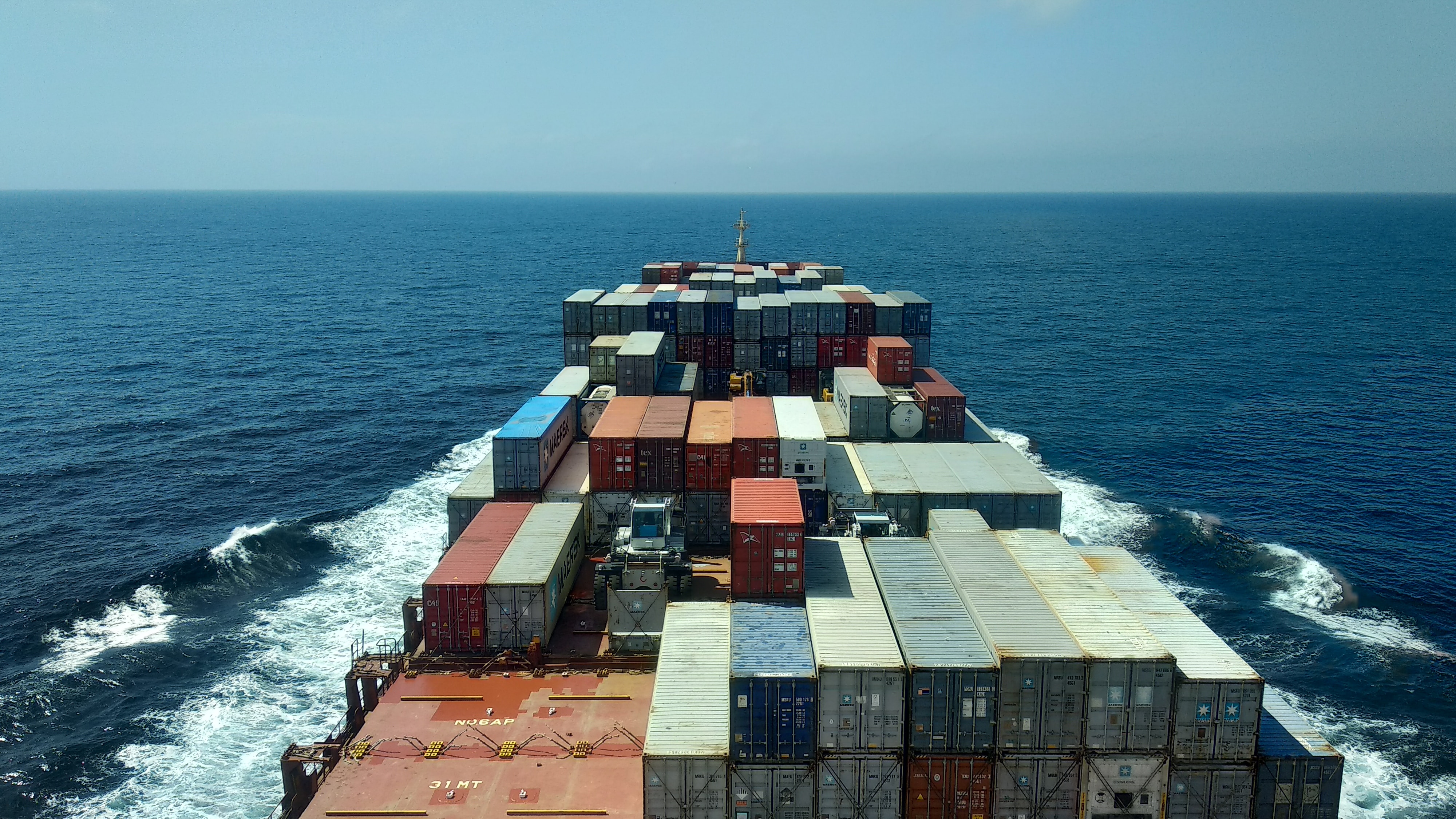
Engineered for high-volume supply chains requiring dedicated 20’GP, 40’GP, 40’HC, and 45’HC containers. Benefit from fixed-rate Service Contract Agreements (SCAs), peak-season space guarantees, and priority equipment release at key transpacific and transatlantic origin ports.
Send an Inquiry
LCL Groupage & Buyer’s Consolidation
Cost-effective solution for smaller shipments. We combine multi-supplier cargo at our origin CFS (Container Freight Station) facilities into single FCL units, lowering landed shipping costs per cubic meter (CBM) while avoiding minimum bill thresholds.
Send an Inquiry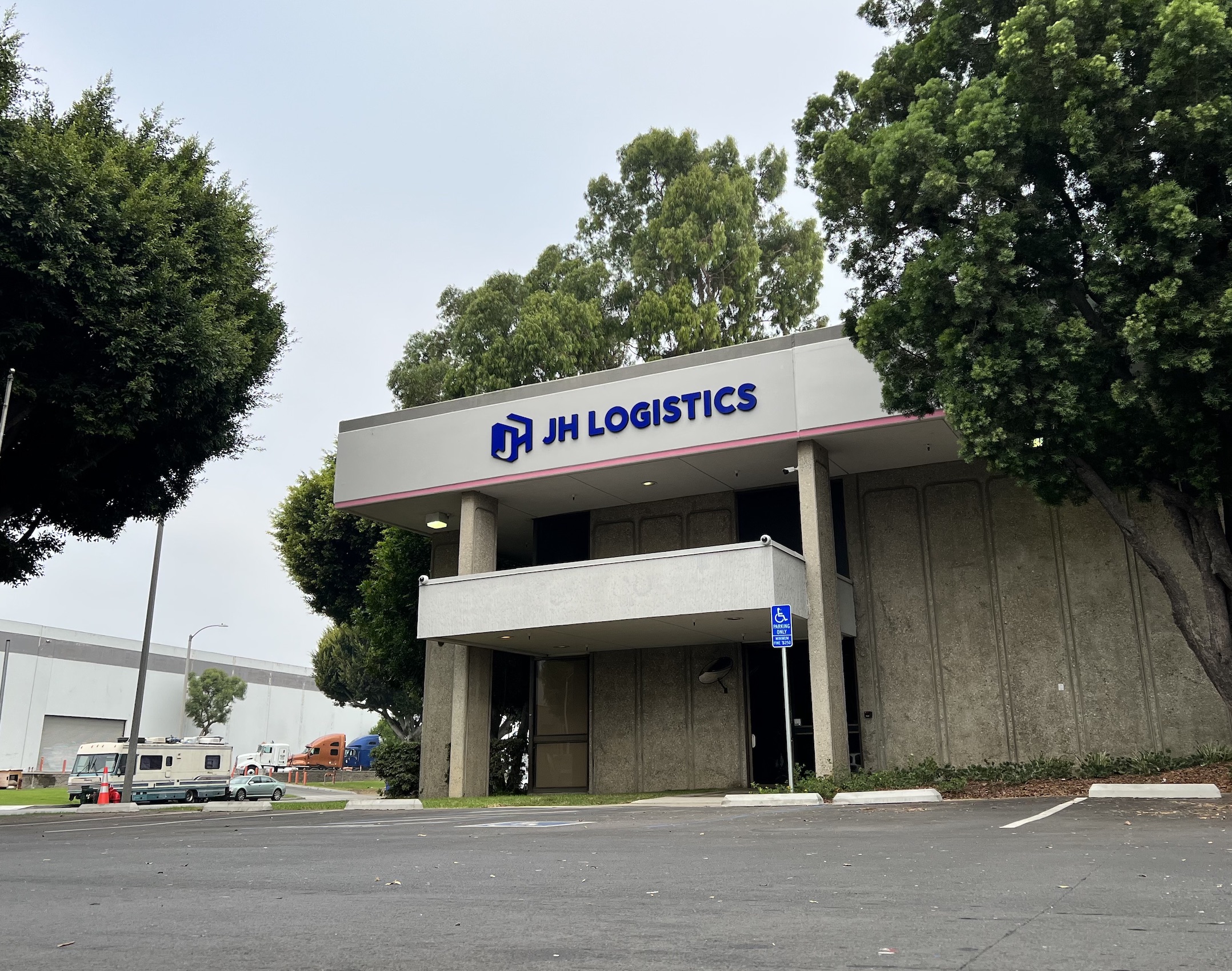
Temperature-Controlled Reefer Shipping
End-to-end cold chain management for pharmaceuticals, perishables, and specialized chemicals. Utilizing state-of-the-art reefer units with continuous IoT temperature telemetry, controlled atmosphere (CA) settings, and pre-cooling verification.
Send an Inquiry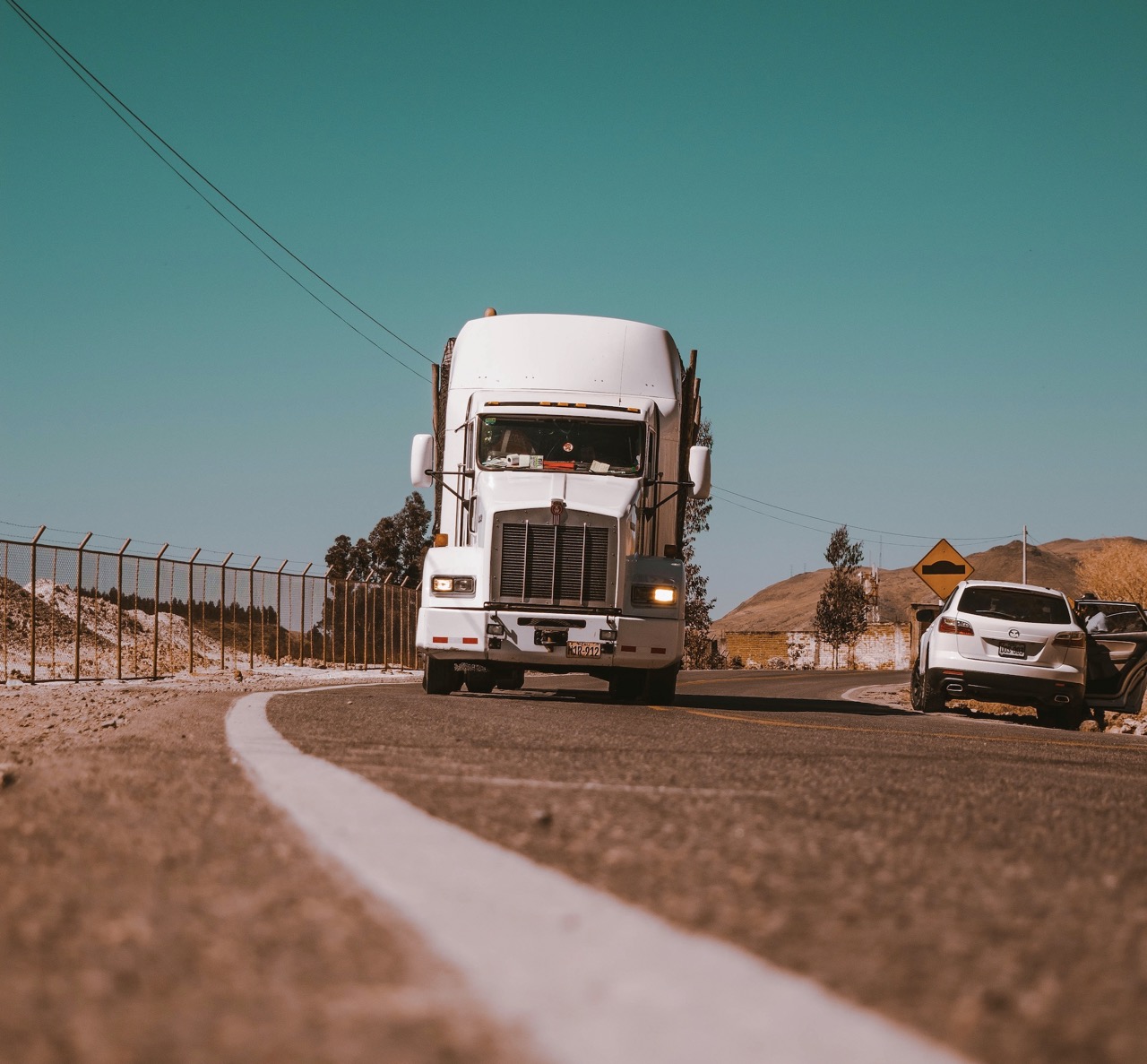
Breakbulk & Heavy Equipment Logistics
For out-of-gauge (OOG) industrial machinery, power generation assets, and oversized vehicles. We deploy Flat Rack, Open Top, and specialized Ro-Ro (Roll-on/Roll-off) vessels supported by heavy-haul inland trucking and marine rigging.
Send an Inquiry3. Global Ocean Shipping Trends: Navigating 2026–2030 Procurement Dynamics
To maintain competitive advantage, logistics directors must align their procurement strategies with macro-shifts across the maritime landscape. Search queries around "Ocean freight rate trends 2026", "IMO carbon regulations impact on ocean rates", and "Supply chain diversification nearshoring" highlight the urgent need for structural agility.
Trend A: Ocean Carrier Alliance Realignment & Capacity Management
The dissolution of traditional vessel-sharing agreements and the emergence of new alliance configurations—such as the Gemini Cooperation and restructured OCEAN Alliance loops—have altered direct service reliability. Carriers increasingly use aggressive "blank sailings" (canceled voyages) and slow-steaming to artificialize ocean capacity and support rate floors.
NVOCC Strategy: By partnering with JH Logistics, enterprise shippers avoid lock-in to single-carrier schedule disruptions. Our multi-vessel contracts ensure your containers are automatically rolled over to alternative alliance sailings within the same week, guaranteeing velocity across Asia-US West Coast, US East Coast, and European corridors.
Trend B: IMO 2030/2050 Decarbonization Mandates & Carbon Accounting
The International Maritime Organization (IMO) has introduced mandatory Carbon Intensity Indicator (CII) ratings and Energy Efficiency Existing Ship Index (EEXI) standards. Vessels operating with poor carbon efficiency ratings are being forced to reduce operational speeds or undergo retrofit dry-docking, reducing available global container capacity by an estimated 3% to 5% annually.
Furthermore, regulatory regimes like the European Union Emissions Trading System (EU ETS) for maritime transport have introduced carbon surcharges. JH Logistics provides procurement managers with granular, shipment-level CO2e emissions auditing and offers verified low-emission Biofuel / Green Corridor options to fulfill Scope 3 corporate sustainability targets.
Trend C: Digitalization of Maritime Documentation (eBL & Smart Contracts)
The global shipping industry is transitioning away from paper Bills of Lading to standardized Electronic Bills of Lading (eBL). Under the Digital Container Shipping Association (DCSA) standards, eBL adoption reduces document turnaround time from days to minutes, eliminates courier costs, and dramatically cuts the risk of demurrage accrued due to delayed original documentation.
JH Logistics integrates fully with digital trade documentation pipelines, enabling instant digital surrender, automated Customs 10+2 ISF filings, and real-time container tracking API feeds directly into your enterprise ERP or TMS system.
Trend D: Trade Corridor Diversification & Nearshoring (China+1 & Mexico Integration)
As multinational corporations rebalance manufacturing footprints away from single-source origins toward Southeast Asia (Vietnam, India, Malaysia) and nearshoring hubs in Mexico, ocean logistics flows are becoming decentralized. Managing fragmented multi-origin purchase orders requires centralized NVOCC control.
JH Logistics manages multi-country origin cargo aggregation, providing unified tracking, consolidated customs brokerage, and cross-border drayage through our Southern California distribution network and border gateways.
4. Why Global Procurement Leaders Partner with JH Logistics
Founded in 1999, JH Logistics has established itself as an authoritative leader in global freight forwarding and supply chain solutions. Our competitive moat rests upon four core operational pillars:
- FMC-Licensed Ocean Transportation Intermediary (OTI): Operating as a fully compliant NVOCC under US federal law. We maintain active FMC tariffs and financial bonds, offering total legal transparency, enforceable contract rates, and authorized House Bill of Lading protection.
- Volume Leverage & Tier-1 Ocean Carrier Contracts: Moving over 22,550 TEUs of ocean freight and 22,458+ tons of air freight annually, JH Logistics commands preferential space allocations and tier-one pricing tiers across all major global shipping lines.
- Strategic Gateway Assets (Carson, CA Logistics Hub): Headquartered strategically in Carson, California—just minutes from the Ports of Los Angeles and Long Beach—our infrastructure includes a 70,640 sq ft state-of-the-art warehouse and a 161,435 sq ft container yard. This allows us to perform rapid off-dock container drayage, cross-docking, and transloading to avoid port demurrage fees.
- Fully Integrated Multi-Modal Ecosystem: Unlike standalone ocean brokers, JH Logistics operates an end-to-end supply chain infrastructure. From U.S. Customs Bonded Storage and warehouse palletizing to nationwide Full Truckload (FTL), Less-Than-Truckload (LTL), and rail freight distribution, your cargo stays within one unified control tower.
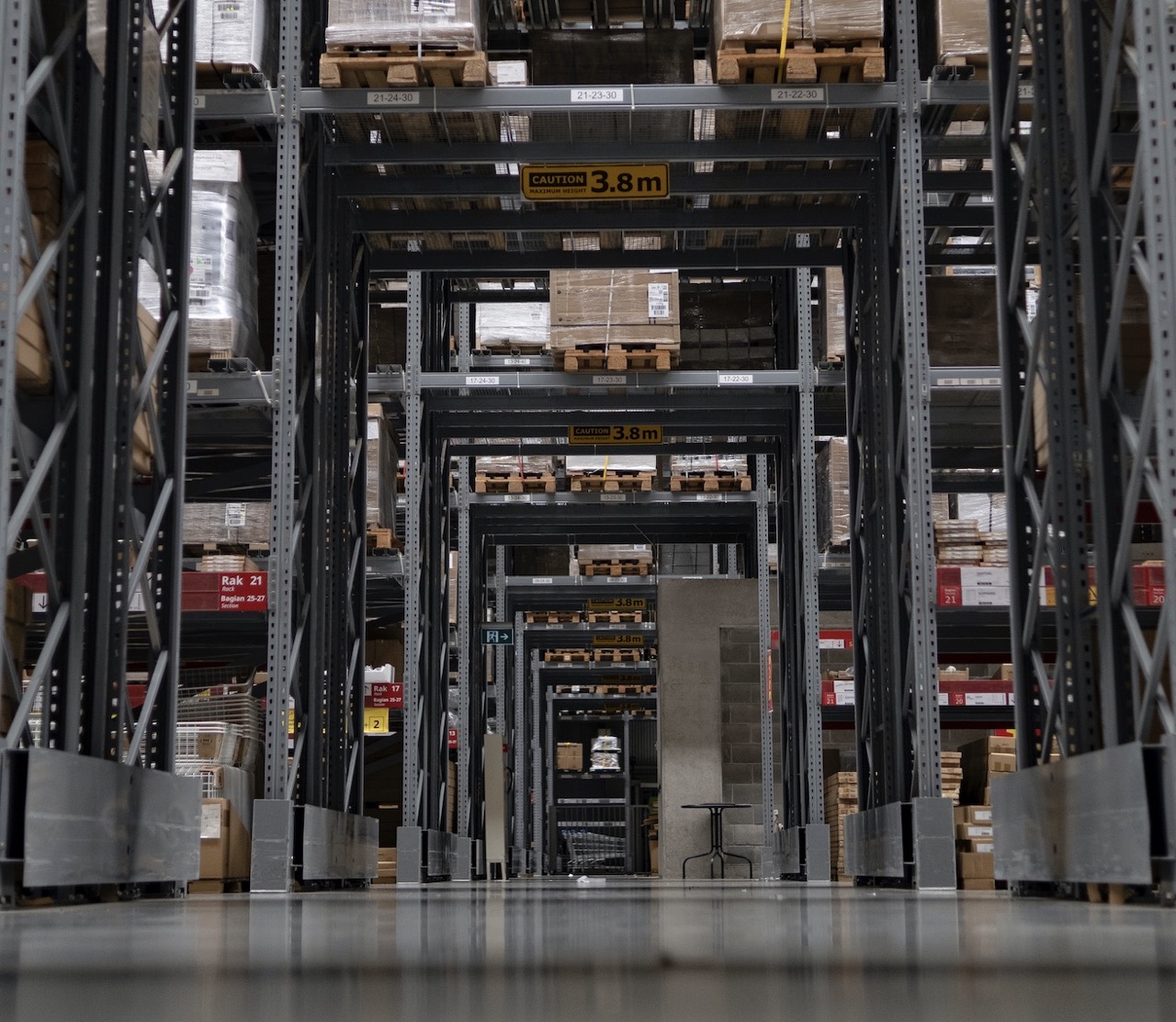
JH Logistics U.S. Customs Bonded Warehousing & Container Processing Facility (Carson, CA)
5. Frequently Asked Questions (FAQ) – NVOCC Ocean Shipping
Addressing the most critical regulatory, operational, and financial queries searched by international buyers, logistics directors, and procurement analysts.
A Master Bill of Lading (MBL) is issued by the underlying vessel operator (VOCC) to the NVOCC, representing the ocean transit contract between the port terminals. A House Bill of Lading (HBL) is issued by the FMC-licensed NVOCC directly to the actual cargo owner (shipper/consignee).
The HBL serves as a legal document of title, contract of carriage, and receipt of goods under COGSA rules. Operating under an NVOCC HBL allows buyers to mask actual supplier identities (protecting trade secrets), obtain localized claims resolution in U.S. courts, and execute destination cargo release without waiting for overseas steamship line processing.
Demurrage (fees charged for containers remaining inside terminal gates past free time) and Detention (fees charged for late empty container return) represent major cost leaks. Direct ocean lines strictly enforce rigid 4-to-5-day free time windows.
JH Logistics mitigates these costs through three operational mechanisms: (1) We negotiate extended 7-to-14-day free-time terms within our service contracts; (2) Our dedicated container yard (161,435 sq ft in Carson, CA) enables rapid off-dock drayage, pulling containers out of marine terminals before free time expires; and (3) Automated terminal tracking systems trigger immediate alerts to avoid chassis split delays.
Yes. Unless a shipper moves more than 10,000 TEUs annually on a single trade lane, direct ocean carrier quotes are often subject to standard rack rates and high Peak Season Surcharges (PSS).
NVOCCs aggregate thousands of medium-sized shippers' volumes into massive purchasing blocks. As a result, JH Logistics accesses wholesale contract rates across multiple carrier networks, passing volume discounts to our clients while providing superior personalized customer service and end-to-end visibility that steamship lines do not offer.
U.S. Customs and Border Protection (CBP) enforces strict documentation timelines for ocean imports:
- Importer Security Filing (ISF 10+2): Must be electronically filed at least 24 hours prior to container loading at the foreign port of origin. Failure results in a $5,000 per violation CBP fine.
- Automated Manifest System (AMS): The NVOCC files detailed HBL data directly into CBP's ACE system 24 hours prior to vessel departure.
- Commercial Invoice & Packing List: Mandatory for accurate HTS Code classification and duty assessment.
- Customs Delivery Order (DO): Issued upon customs clearance and freight payment for container release to inland draymen.
Oversized or heavy-lift cargo requires custom marine engineering. Our project logistics team conducts route surveys, vessel stowage planning, and lashing verification. We secure specialized Flat Rack or Open Top container equipment, coordinate port crane heavy-lifts, and arrange escorts and permits for heavy-haul inland trucking across North America.
Through our 24/7 visibility portal, shippers receive proactive milestone tracking updates. If a vessel experiences mid-transit delays, our operational team immediately evaluates downstream options—such as arranging priority terminal discharge, adjusting inland rail ramps, or switching from intermodal rail to expedited team-driver FTL drayage upon port arrival.