Next-Generation Rail Freight Services & Global Intermodal Logistics: The Strategic Buyer’s Blueprint
Optimize your global supply chain with scalable, low-carbon, and highly reliable Rail Freight Services. Engineered by JH Logistics—your trusted FMC-licensed NVOCC and multimodal freight leader since 1999.
Unlocking Supply Chain Resiliency Through Strategic Rail Freight Services
In an era characterized by maritime bottlenecks, fluctuating fuel surcharges, and stringent global decarbonization mandates, Rail Freight Services have re-emerged as the definitive backbone of resilient, cost-optimized global logistics networks. For enterprise procurement directors, supply chain managers, and international trade buyers, intermodal rail transport bridges the critical operational gap between the high speed (but high cost) of air freight and the low cost (but high lead-time volatility) of ocean shipping.
At JH Logistics, established in 1999 as a fully licensed NVOCC and international logistics integrator, we combine over 25 years of operational mastery with expansive intermodal infrastructure across North America, Europe, and Asia-Pacific trade corridors. By synchronizing class-I rail networks, bonded warehousing facilities, and precision inland drayage, our high-capacity rail solutions deliver unmatched transit reliability, lower per-ton-mile costs, and up to 75% reduction in greenhouse gas emissions compared to long-haul over-the-road trucking.
Information Gain Note for Procurement Leaders
Rail freight carries approximately 40% of U.S. long-distance freight by ton-mile while generating only 1.9% of transport-related greenhouse gas emissions. A single intermodal freight train can replace up to 280 heavy-duty semi-trucks, significantly reducing border crossing congestion, driver shortages, and toll charges across major trade corridors.
Modal Matrix: Rail Freight vs. Air Freight vs. Ocean Shipping
Selecting the optimal transportation mode requires evaluating total cost of ownership (TCO), lead-time variance, payload density, and carbon footprint. The comparative analysis below illustrates where Rail Freight Services provide superior economic value for mid-to-high volume shipments:
Global buyers require flexible, scalable, and specialized rail configurations based on commodity density, temperature sensitivity, and delivery urgency. JH Logistics provides tailored product configurations designed for optimal procurement outcomes:
Intermodal FCL & LCL Rail Container Shipping
Ideal for general consumer goods, electronics, retail apparel, and industrial parts. Seamlessly transfers 20ft, 40ft, and 53ft ISO containers between ocean vessels, rail double-stack cars, and local drayage trucks without cargo handling.
Engineered for pharmaceuticals, fresh produce, frozen food products, and climate-sensitive chemical reagents. Features active GPS telematics, automated gen-set power backup, and strict -30°C to +30°C temperature retention.
Designed for out-of-gauge (OOG) machinery, heavy industrial equipment, energy sector infrastructure, and raw bulk materials. Utilizes flatcars, gondolas, and heavy-duty Schnabel cars supported by engineering clearance route surveys.
Global Development Trends Reshaping Rail Logistics
As international supply chains evolve toward greater agility and carbon accountability, several structural technological advancements are redefining how global enterprise buyers leverage Rail Freight Services:
1. Digital Rail Ecosystems & AI-Driven Predictive ETA Telematics
Historical visibility gaps across Class-I and international rail networks have been eliminated through IoT-enabled sensor nodes installed directly on container chassis and rail cars. Advanced AI algorithms process satellite location, weather hazards, and railhead congestion indexes to provide automated, real-time ETA predictions with minute-level precision.
2. Decarbonization & Green Rail Freight Corridors
Multinational corporations facing Scope 3 emissions reporting compliance under international frameworks are increasingly shifting freight from highway trucking to electrified and hybrid-hydrogen rail lines. Modern locomotives produce up to 75% fewer emissions per ton-mile, positioning rail as the cornerstone of green corporate procurement strategies.
Cross-border rail movement across North America (USA, Canada, Mexico) and major Eurasian overland corridors has been revolutionized by automated customs pre-clearance systems, unified consignment notes, and dedicated non-stop rail bypass corridors that bypass traditional border transfer bottlenecks.
Future Outlook
Future Procurement Trends in Rail Freight (2025–2030)
For global procurement directors looking to maintain competitive advantage over the next decade, strategic rail freight integration will be governed by four pivotal macro trends:
Nearshoring & USMCA Rail Corridor Expansion
The rapid migration of manufacturing hubs to Mexico and North American inland centers requires seamless, high-frequency cross-border rail connections. Buyers are locking in multi-year intermodal capacity agreements to guard against highway border delays.
With carbon tariffs taking effect in key western markets, enterprise buyers must audit and minimize freight emissions. Rail freight will become the mandatory default mode for inland heavy freight to avoid heavy carbon taxation.
Hybrid Sea-Rail & Air-Rail Multimodal Contracts
Single-mode shipping contracts are giving way to dynamic multimodal agreements. Logistics partners capable of shifting freight fluidly between ocean vessels, inland rail double-stacks, and bonded warehouses provide vital agility during port labor strikes or weather disruptions.
Autonomous Railheads & Automated Yard Management
Next-generation rail yards are adopting automated gantry cranes, smart container staging, and autonomous shunting locomotives to shrink dwell times at intermodal ramp switches from days to hours.
Why Choose JH Logistics
The JH Logistics Edge in Rail Freight Services
Founded in 1999, JH Logistics has established itself as an industry benchmark in global freight forwarding, licensed NVOCC management, and comprehensive supply chain solutions. Our specialized rail freight department operates at the intersection of infrastructure, technology, and compliance.
Enterprise Infrastructure & Operational Capacity
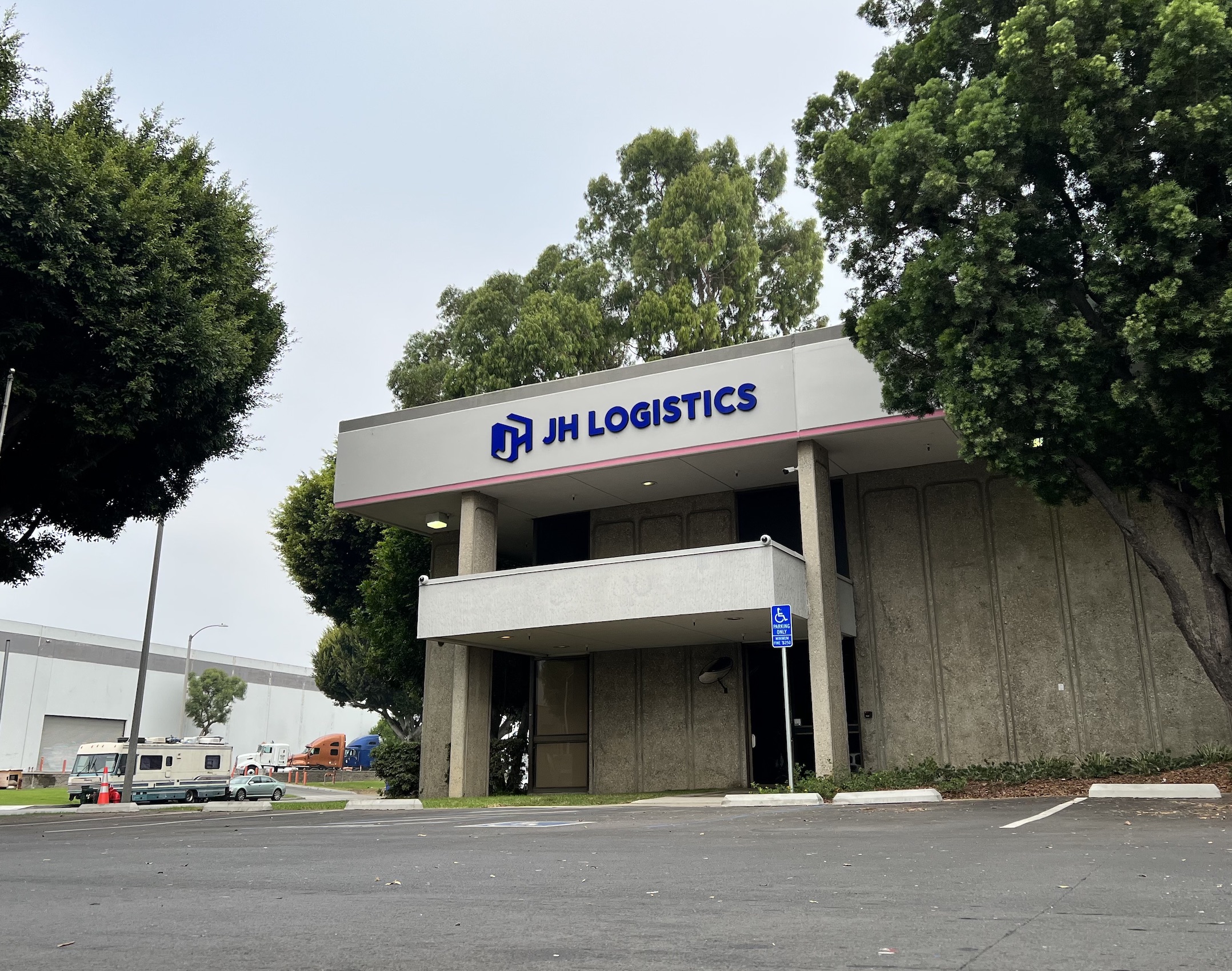
Headquartered in Carson, California (2850 East El Presidio St), near the primary intermodal gateways of Los Angeles and Long Beach, JH Logistics controls extensive inland assets:
Proven Track Record: Trusted global freight partner continuously operating since 1999.
Air & Ocean Freight Volume: Managing over 22,458+ tons of air volume and 22,550+ TEU of ocean shipments annually, supplying continuous intermodal feed to rail networks.
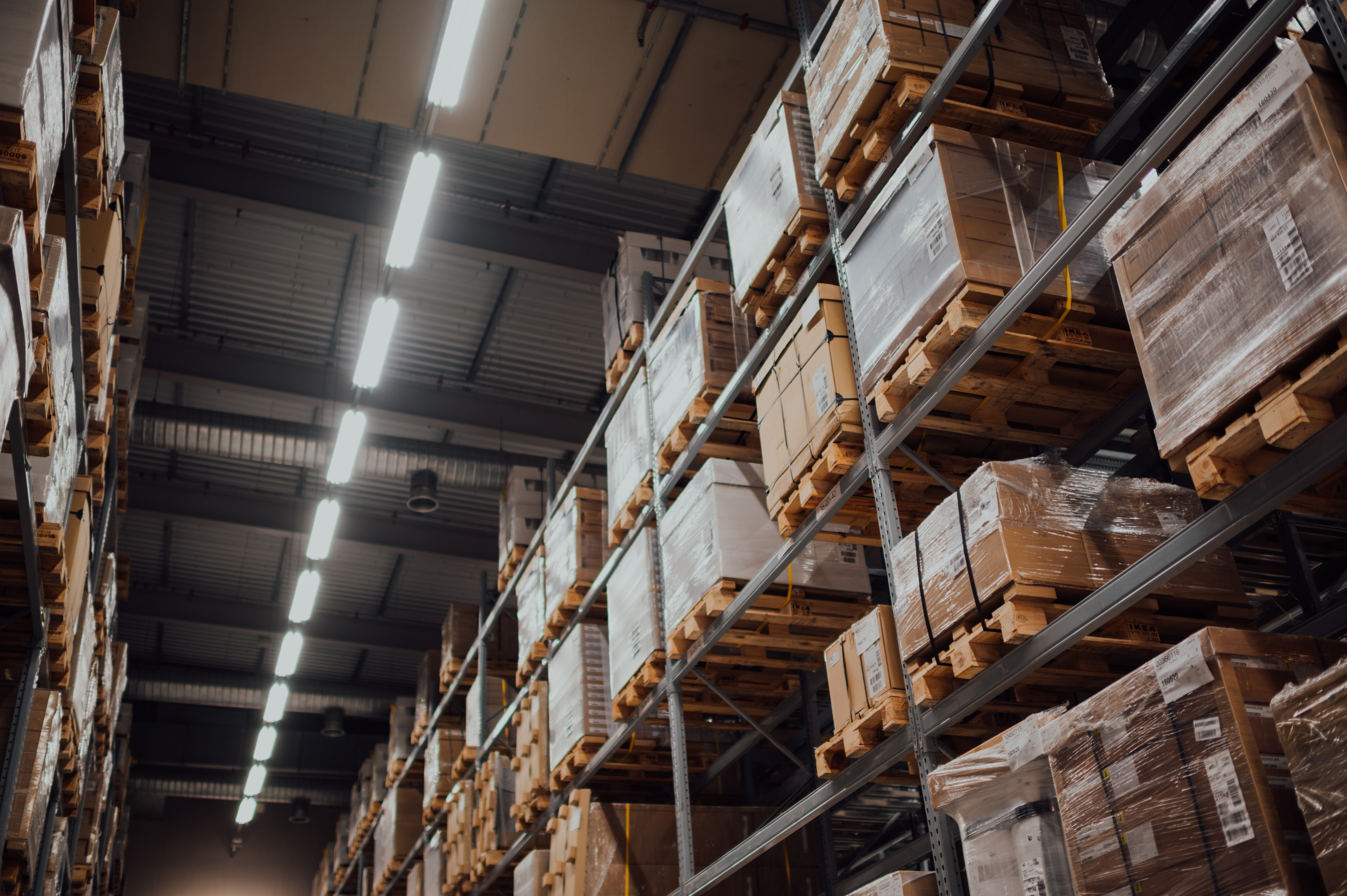
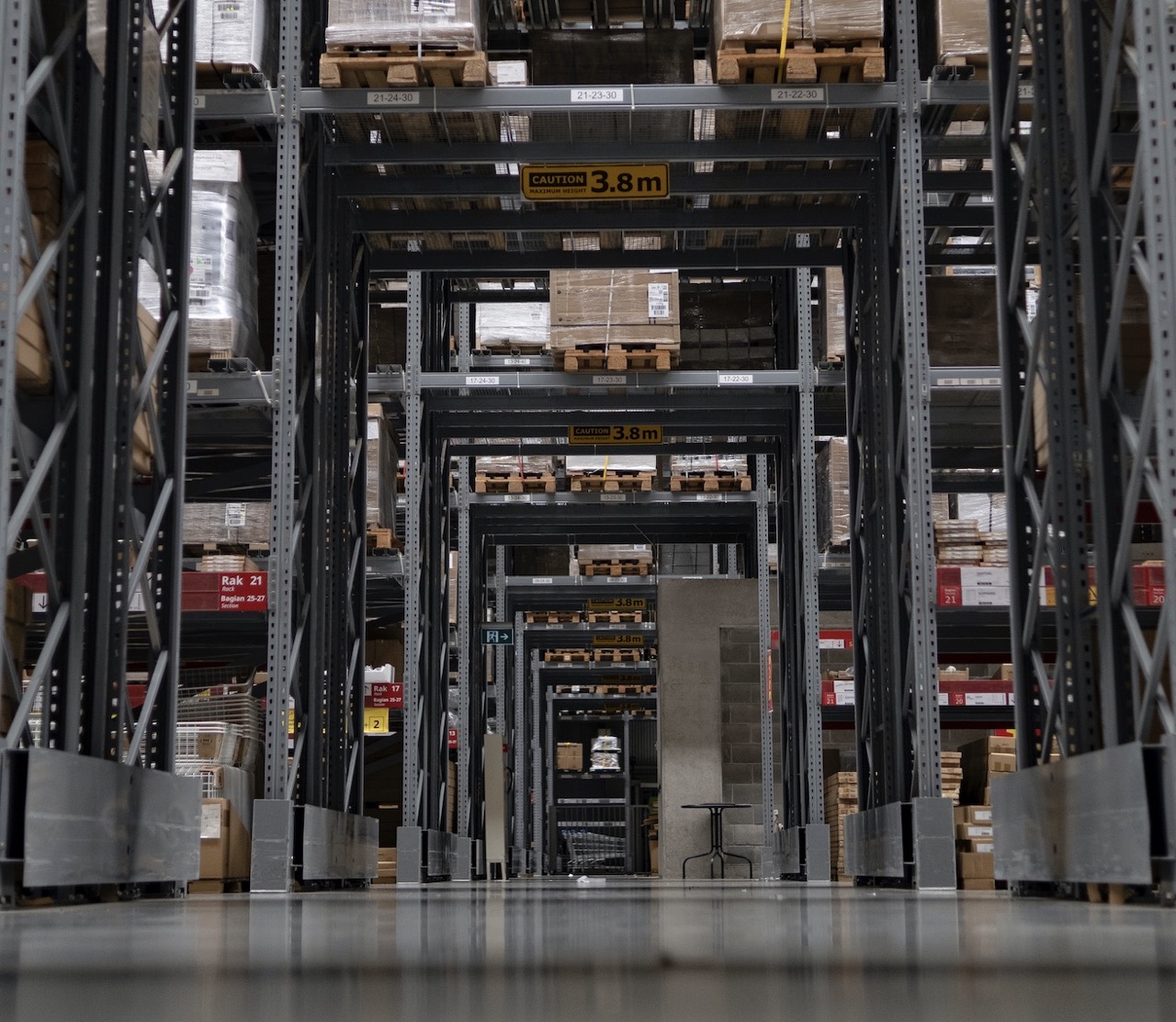
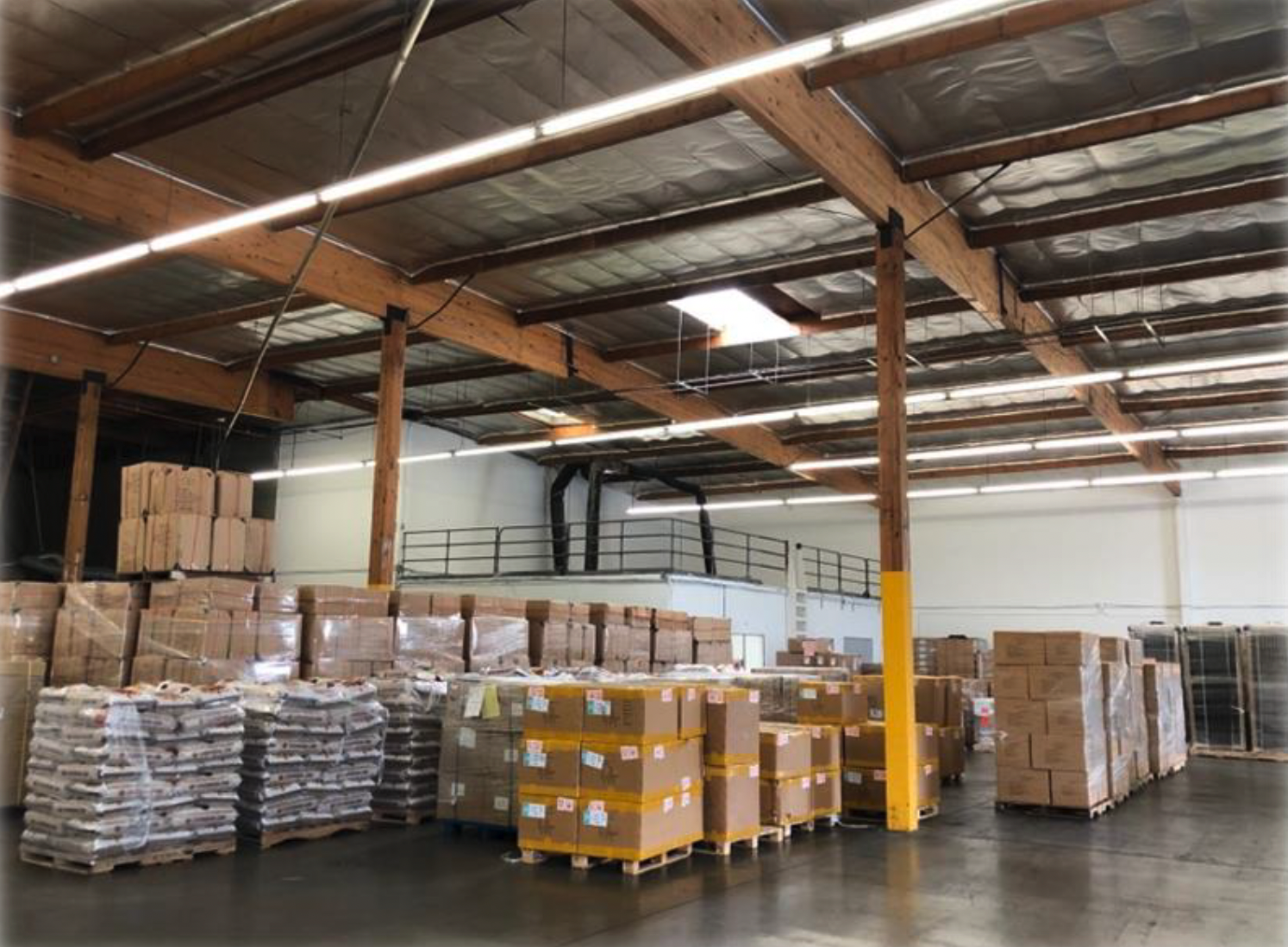
Warehousing & Yard Capacity: Over 70,640+ sqft of state-of-the-art warehouse space integrated with WMS telemetry and 161,435+ sqft of secure yard capacity for rail container staging.
Bonded Storage Facilities: Licensed Air and Ocean Bonded Warehouses enabling duty-deferred customs storage and seamless cross-docking onto rail cars.
Licensed NVOCC & End-to-End Customs Mastery
Navigating global trade regulations requires strict adherence to customs frameworks. As a licensed NVOCC, JH Logistics manages every aspect of intermodal documentation—from bill of lading issuance and bonded transshipment clearance to final-mile drayage across the United States, Canada, and global partners.
We operate with uncompromising integrity, clear communication, and customer-first transparency, ensuring your rail freight arrives on schedule, within budget, and fully compliant with international trade laws.
Global Buyer Knowledge Base
Frequently Asked Questions About Rail Freight Services
Global procurement teams frequently ask key operational and financial questions when evaluating rail logistics options. Here are expert answers grounded in decades of industry experience:
FAQHow does the cost of Rail Freight Services compare to Ocean and Air Freight?
Rail Freight Services provide an ideal middle-ground solution in global logistics. Compared to air freight, rail transport typically reduces shipping costs by 50% to 70% while delivering transit times that are up to 50% faster than ocean freight. This makes rail intermodal transport highly cost-effective for high-value industrial components, electronics, automotive assemblies, and seasonal retail inventory needing predictable lead times without air freight expenditure.
FAQWhat container sizes and weight limits apply to Rail Freight Services?
Standard intermodal rail services utilize 20ft, 40ft, and 45ft ISO ocean containers, as well as 53ft high-cube domestic containers within North America. Payloads generally range between 42,000 to 45,000 lbs (approx. 19.5 to 20.5 metric tons) per container to remain compliant with highway axle weight limits during pre- and post-rail drayage. For heavy industrial goods, specialized heavy-haul flatcars and gondolas can accommodate individual project cargo loads exceeding 100 metric tons.
FAQHow are cross-border delays and customs clearances handled on international rail routes?
At JH Logistics, cross-border rail freight is managed via pre-clearance electronic customs filing protocols (such as ACE in the US, ACI in Canada, and unified consignment systems across international borders). Utilizing our licensed NVOCC capabilities and bonded warehouse networks, cargo can cross borders under customs bond without physical offloading, minimizing transit delays and eliminating border demurrage fees.
FAQCan temperature-sensitive or refrigerated products be transported via long-distance rail?
Yes. Temperature-controlled rail transport uses advanced reefer containers equipped with heavy-duty diesel-electric generator sets (gen-sets) and integrated satellite telemetry. These containers maintain precise ambient temperatures ranging from -30°C to +30°C across thousands of miles of rail track, backed by automated real-time alerts for temperature variances, door openings, and fuel levels.
FAQHow does rail freight contribute to corporate ESG and carbon reduction goals?
Rail transportation is significantly more energy-efficient than highway trucking. On average, moving freight by rail reduces greenhouse gas emissions by up to 75% compared to over-the-road trucking. A single intermodal train can move one ton of freight over 470 miles on a single gallon of fuel, directly reducing your supply chain’s Scope 3 carbon footprint.
Ready to Optimize Your Supply Chain with Rail Freight Services?
Partner with JH Logistics to access high-capacity intermodal rail networks, competitive freight rates, and real-time tracking transparency. Contact our multimodal logistics specialists today for a customized freight quote and route feasibility assessment.