Strategic Industry Overview
Navigating Modern Ro-Ro Vehicle Shipping: Technical Engineering Meets Global Supply Chain Resilience
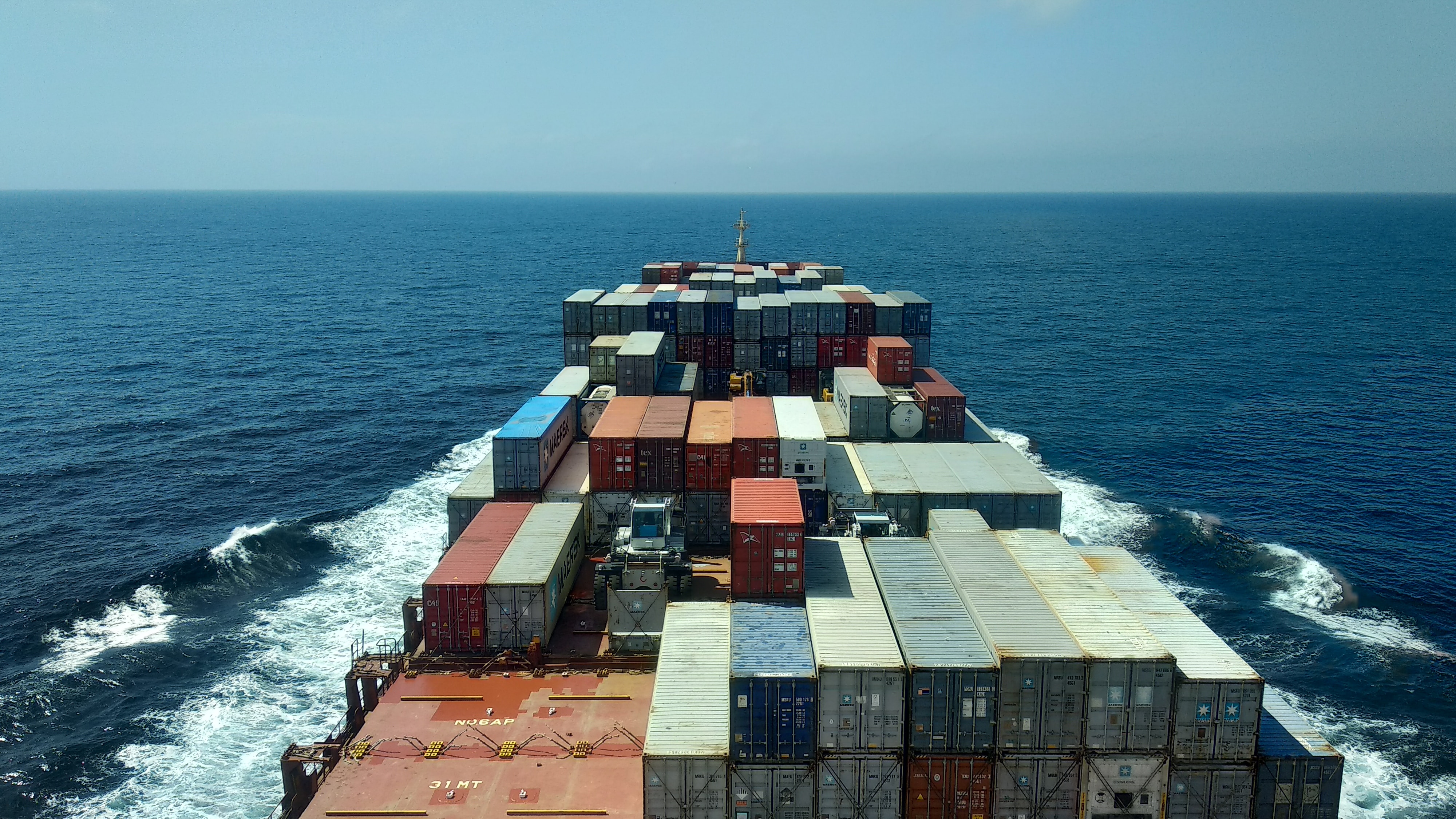
In the contemporary international trade landscape, Ro-Ro Vehicle Shipping (Roll-on/Roll-off) stands as the primary logistical artery for moving wheeled and tracked cargo globally. Unlike conventional containerized ocean freight, which demands intensive container stuffing, blocking, bracing, and specialized dismantling of heavy equipment, Ro-Ro vessels allow cargo to be driven directly on and off specialized multi-deck car carriers (PCTCs – Pure Car and Truck Carriers). This operational model dramatically reduces terminal dwell times, eliminates costly rigging labor at origin and destination ports, and protects high-value automotive units from weather exposure and handling damages.
For international procurement managers, automotive OEMs (Original Equipment Manufacturers), project cargo directors, and heavy machinery distributors, understanding the operational mechanics of Ro-Ro vehicle shipping is vital. The global car carrier sector is currently navigating unprecedented structural shifts—ranging from the massive surge in Electric Vehicle (EV) exports requiring stringent State-of-Charge (SOC) safety protocols to tight vessel capacity allocations across transpacific, transatlantic, and Asia-Europe trade lanes. At JH Logistics, established in 1999 as a fully licensed NVOCC and integrated freight forwarder, we bridge the gap between ocean carrier deck management, port terminal operations, and onshore inland distribution.
Why Global Procurement Officers Choose Specialized Ro-Ro Logistics
When shipping hundreds of commercial vehicles, high-roof buses, oversized mining excavators, or delicate electric cars, procurement officers face a critical decision matrix: Containerized RACK shipping versus dedicated Roll-on/Roll-off ocean vessels.
Ro-Ro ocean shipping provides a compelling information gain for supply chain leaders seeking to lower Total Cost of Logistics (TCL). Because vehicles roll aboard under their own power or on heavy-duty towed roll-trailers (MAFI trailers), lifting hazards associated with overhead cranes are completely eliminated. Ships act as vast, enclosed floating parking garages engineered with climate-controlled, weather-tight decks and flexible height adjustments designed to accommodate everything from low-profile luxury sports cars to massive 100-ton tracked construction rigs.
Product Recommendations & Vehicle Categories
Tailored Ro-Ro Cargo Categories & Operational Handling Solutions
To assist global buyers in aligning their inventory requirements with appropriate ocean transport configurations, JH Logistics categorizes Ro-Ro cargo into four specialized operational streams. Each stream mandates precise lashing calculations, deck placement, and port receiving procedures.
1. Commercial Passenger & Fleet Vehicles (PCTC)
Designed for mass-volume sedan, SUV, pickup, and light commercial vehicle (LCV) shipments. Vehicles are stowed on dedicated automotive decks with strict 20–30 cm bumper-to-bumper spacing, secured with 4-point webbing tie-downs rated to international IMO standards to prevent lateral movement during high-seas pitch and roll.
2. Electric Vehicles (EVs) & Hybrid Powertrains
Requires specialized hazardous materials handling under Dangerous Goods (DG) protocols. Demands real-time monitoring of Lithium-ion Battery State of Charge (SOC recommended between 20% and 50%), thermal imaging during port staging, and compliance with IMO Circular MSC.1/Circ.1648 for fire safety mitigation on vehicle decks.
3. High & Heavy (HH) Construction & Agriculture
Over-height, over-weight, and tracked machinery including excavators, bulldozers, wheel loaders, combine harvesters, and mobile cranes. Loaded onto reinforced heavy-duty decks equipped with high-capacity ramps handling unit loads up to 150 to 500 metric tons, secured with heavy steel chain lashings.
Static & Non-Motorized Cargo via MAFI Roll-Trailers
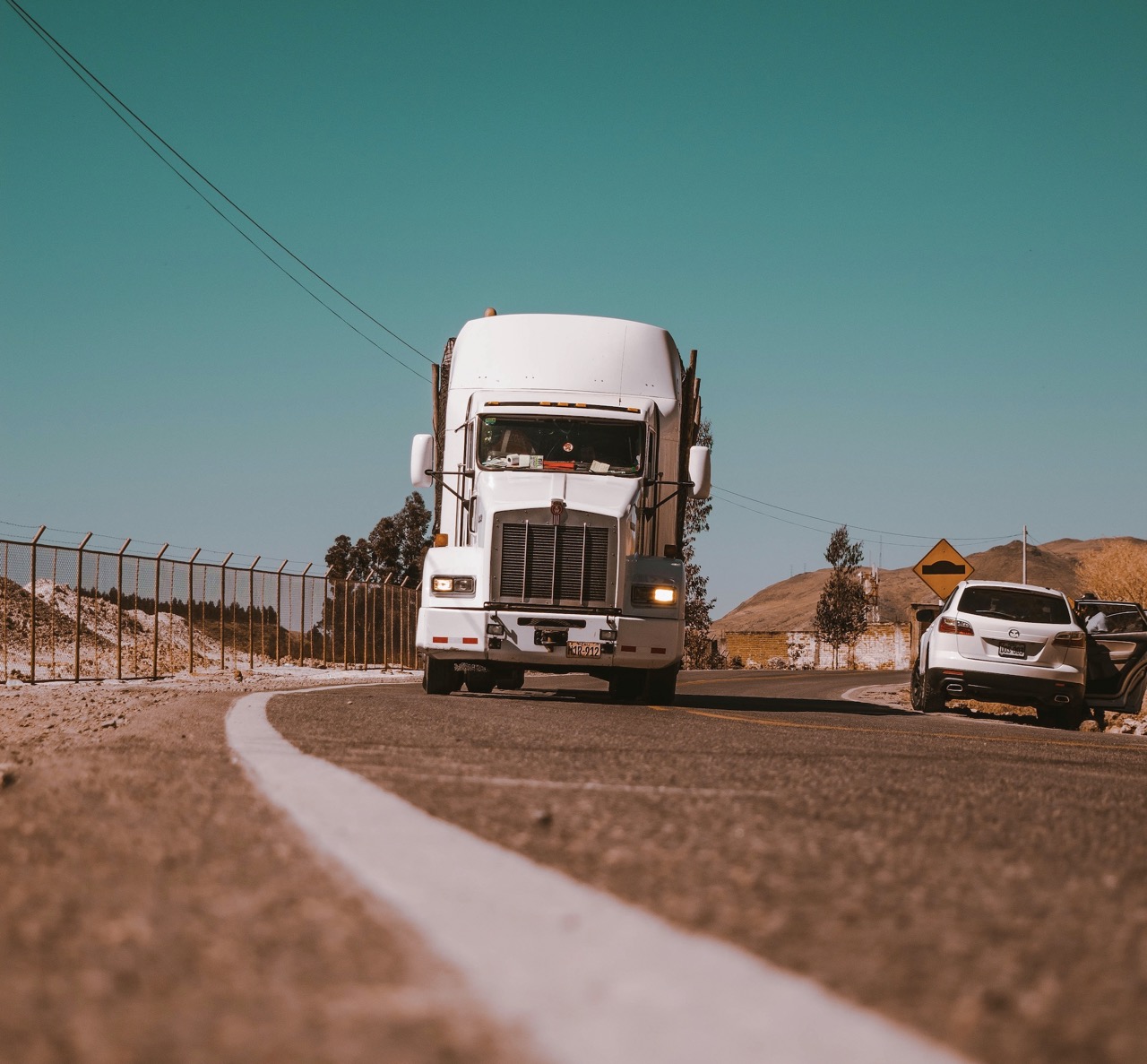
For procurement managers transporting static heavy industrial assets—such as industrial turbines, boat hulls, generator skids, or unpowered railcars—Ro-Ro vehicle shipping extends far beyond self-propelled units. Utilizing specialized heavy-duty towed platform trailers (widely known as MAFI trailers or Roll-Trailers), JH Logistics converts non-wheeled breakbulk cargo into a smooth roll-on operation.
MAFI trailers range from 20-foot to 82-foot lengths with payload capacities reaching up to 120 metric tons. By securing static assets onto roll-trailers within our port staging yards prior to vessel arrival, buyers avoid expensive floating crane hire fees at ocean terminals, securing seamless stowage in the lower, climate-controlled decks of ocean car carriers.
Quantitative Technical Comparison: Ro-Ro vs Containerized vs Flat-Rack Ocean Shipping
Choosing the correct ocean freight mode requires balancing total landed cost, cargo safety risk, port dwell times, and labor requirements. The comparative analysis below outlines key metrics for enterprise logistics planning:
| Freight Evaluation Metric | Ro-Ro Vehicle Shipping (PCTC) | Containerized Shipping (FCL / RACK) | Flat-Rack / Breakbulk Vessel |
|---|---|---|---|
| Cargo Suitability | Drivable vehicles, EVs, trucks, tracked heavy machinery, MAFI cargo | Standard passenger cars, small fleet vehicles (requires dismantling) | Oversized, non-drivable, ultra-heavy industrial plant machinery |
| Risk of Cargo Damage | Extremely Low (Zero lifting overhead; enclosed weather-tight decks) | Moderate (Risk of scratch/strap failure inside container) | Moderate to High (Exposed to marine sea-spray and atmospheric elements) |
| Port Terminal Staging & Speed | Rapid Discharge (Under 24h turnarounds; direct drive off deck) | Slower (Port crane bottleneck, container yard demounting required) | Slow (Requires specialized crane riggers and stevedore crews) |
| Pre-Shipment Labor Cost | Minimal (No dismantling or container lashing labor needed) | High (Professional vehicle racking & wooden blocking required) | High (Custom crating, specialized lashing harness mandatory) |
| EV Hazardous Battery Logistics | Fully Compliant under PCTC DG Deck Protocols & SOC Controls | Restricted by container ventilation & heat buildup risks | Highly restricted due to direct exposure on open deck spaces |
Enterprise Strengths & Operational Credibility
Why JH Logistics is the Premier NVOCC Partner for Global Ro-Ro Procurement
Selecting a global freight logistics provider requires proven operational experience, extensive infrastructure assets, and certified regulatory authority. Founded in 1999, JH Logistics has developed a premier reputation as a licensed NVOCC (Non-Vessel Operating Common Carrier) providing end-to-end supply chain mastery across major trade lanes connecting North America, Asia, Europe, Latin America, and the Middle East.
1. Strategic Infrastructure & Staging Yards in Carson, CA
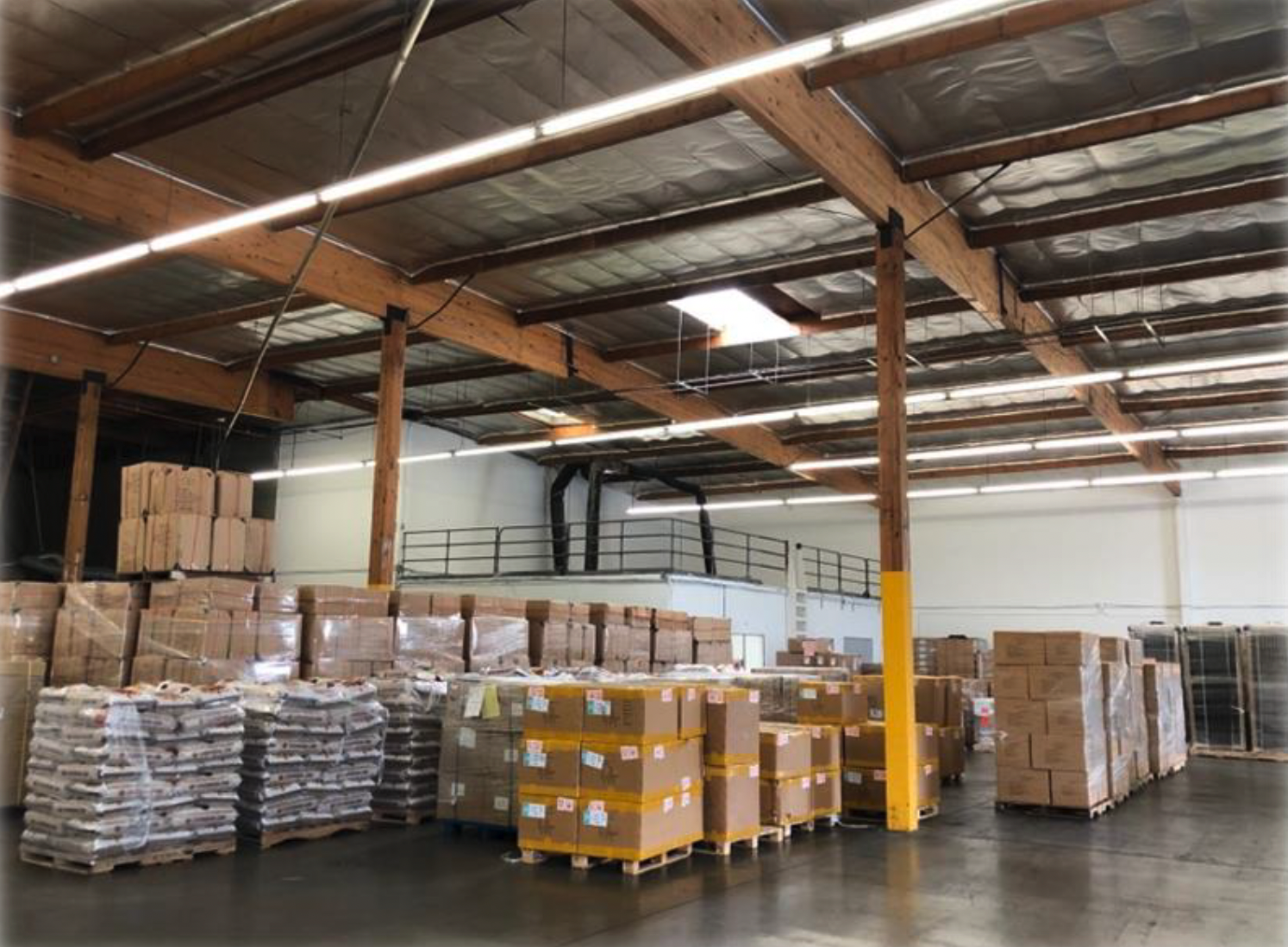
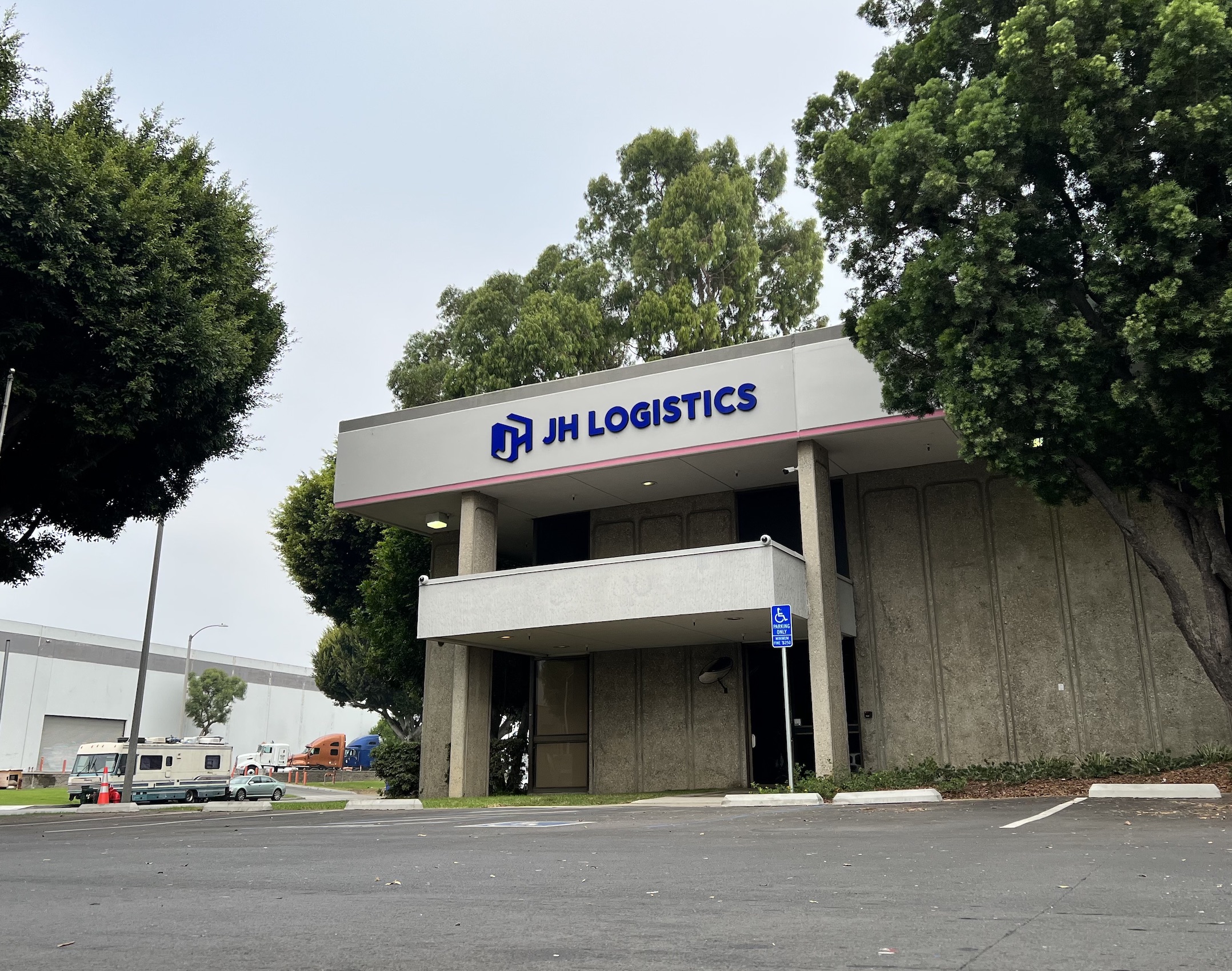
Headquartered in Carson, California—adjacent to the Ports of Los Angeles and Long Beach—JH Logistics operates a premier operational hub designed specifically for automotive and breakbulk handling:
- 70,640+ Sq Ft Secured Warehouse Facility: Fully equipped with WMS real-time tracking, indoor vehicle inspection bays, and customized export crating infrastructure.
- 161,435 Sq Ft Heavy Industrial Yard Capacity: High-security outdoor staging yard tailored for receiving, inspecting, and marshaling large commercial fleets, construction machinery, and heavy tracked equipment prior to port gate-in.
- Air Bonded Warehouse Integration: Licensed bonded facility allowing duty-deferred storage for international vehicles in transit, reducing capital exposure during complex customs entries.
Proven Scale & Capacity
Our annual operational volume speaks to our network strength: managing over +22,550 TEU in Ocean Freight and +22,458 Tons in Air Freight. This volume affords us direct Tier-1 contract allocations with world-leading Ro-Ro vessel operators (Wallenius Wilhelmsen, Hoegh Autoliners, K-Line, NYK, MOL, and Eukor).
End-to-End Multimodal Integration
We do not merely book ocean space; we engineer complete supply chains. From factory door pick-up via our nationwide FTL/LTL trucking network, through staging at our Carson yard, to port stevedoring and destination customs clearance, JH Logistics provides total accountability.
Regulatory & Customs Expertise
Our in-house compliance specialists handle US Customs 7501 filings, AES export clearances, title validations for vehicle exports, and international Dangerous Goods (DG) certifications for electric fleet shipments without operational friction.
Industry & Macroeconomic Analysis
Global Ro-Ro Shipping Market Trends: Carrier Capacity, Fleet Decarbonization, & Route Dynamics
To optimize long-term logistics budgeting, procurement directors must monitor macro trends reshaping the ocean car carrier market. The global Ro-Ro sector is undergoing a period of structural evolution characterized by fleet modernization, regulatory pressure, and changing trade routes.
1. Car Carrier Fleet Capacity Constraints & Orderbook Dynamics
Following years of minimal fleet reinvestment prior to 2021, the global Pure Car and Truck Carrier (PCTC) market experienced tight space availability driven by soaring automotive export volumes out of East Asia. Carrier vessel utilization rates remain elevated. However, a wave of next-generation dual-fuel PCTC vessel orderbooks (featuring capacities ranging from 7,000 to 9,300 CEU - Car Equivalent Units) is scheduled for delivery through 2026–2028. Buyers must strategically contract ocean space using dynamic multi-quarter allocations to secure predictable freight rates.
2. Maritime Decarbonization & Green Corridor Compliance
Environmental regulations enforced by the International Maritime Organization (IMO)—specifically the Energy Efficiency Existing Ship Index (EEXI) and Carbon Intensity Indicator (CII) ratings—are accelerating the retirement of older, inefficient Ro-Ro vessels. Leading Ro-Ro lines are rapidly transitioning to Liquefied Natural Gas (LNG) dual-fuel engines, ammonia-ready hull designs, and wind-assisted propulsion systems.
As corporate Scope 3 carbon emission reporting becomes mandatory across the US, EU, and Asia, logistics buyers are prioritizing green ocean corridors. JH Logistics provides audited carbon footprint reporting for Ro-Ro supply chains, empowering enterprise clients to meet strict ESG targets.
3. Shift in Automotive Sourcing Hubs & Trade Lane Expansion
Global vehicle procurement is no longer confined to traditional transatlantic (US-Europe) and transpacific (Japan/Korea-US) trade corridors. The explosive growth of electric vehicle manufacturing in China, Mexico, and Southeast Asia has created new high-density Ro-Ro trade routes. Additionally, heavy infrastructure projects across Latin America, the Middle East (GCC region), and Africa have driven heightened demand for High & Heavy (HH) Ro-Ro services, requiring flexible multi-port carrier calls.
Strategic Buyer Insights
Future Procurement Trends: Risk Mitigation, AI Tracking, & EV Logistics Protocols
Procurement directors must look ahead to mitigate supply chain disruptions. Over the next five years, success in automotive and heavy machinery procurement will be defined by three key trends:
A. AI-Driven Digital Twin Tracking & Port Staging Visibility
Modern Ro-Ro procurement demands end-to-end visibility. Legacy milestone updates (e.g., "vessel departed") are being replaced by IoT-enabled real-time tracking. Telematics installed on high-value machinery and vehicle fleets sync with port Terminal Operating Systems (TOS). Buyers gain precise visibility into battery voltage, temperature, yard GPS coordinates, and exact ramp roll-on timestamps, eliminating port demurrage through automated customs clearance triggers.
B. Strict Hazardous Materials Safety Protocols for High-Voltage EVs
Safety regulations for shipping Lithium-ion powered Electric Vehicles (EVs) are tightening across all major ocean lines. Future procurement frameworks mandate rigorous pre-boarding battery inspections. Vehicles showing physical damage, thermal anomalies, or software fault codes are strictly denied loading. Procurement teams must partner with freight forwarders like JH Logistics who possess verified Dangerous Goods (DG) specialists capable of managing UN 3171 and UN 3481 hazardous transport documentation.
Buyer's Knowledge Base
Frequently Asked Questions (FAQ) in Ro-Ro Vehicle Shipping Procurement
Below are authoritative solutions to the standard operational, financial, and regulatory questions asked by international buyers and supply chain directors: