
Strategic Industry Overview
Navigating Modern International Car Transport Logistics in a Complex Regulatory Era
The global automotive supply chain is experiencing an unprecedented structural transformation. As automotive original equipment manufacturers (OEMs), vehicle distributors, commercial fleet buyers, and high-value vehicle importers navigate cross-border trade lanes, the execution of International Car Transport Logistics demands far more than basic freight forwarding. It requires a deep technical understanding of marine engineering, dangerous goods regulations, US Customs and Border Protection (CBP) Title Validation, and optimized intermodal routing.
Historically, vehicle shipping was treated as standardized bulk or roll-on/roll-off (Ro-Ro) cargo. However, modern procurement strategies must reconcile emerging challenges: the exponential growth of Lithium-ion Electric Vehicles (EVs) falling under International Maritime Dangerous Goods (IMDG) Code Class 9 guidelines, volatile ocean container carrier capacity, strict regional origin verification requirements, and the necessity for zero-defect paint and chassis preservation during long-transit ocean voyages.
Technical Information Gain: Ocean Freight Moisture Control
Did you know? Transpacific containerized car transport encounters ambient relative humidity spikes up to 95% within enclosed ISO containers due to diurnal temperature fluctuations ("container rain"). JH Logistics implements industrial-grade desiccant pole matrixes combined with vapor-corrosion inhibitor (VCI) car covers to ensure zero oxidation on unpainted chassis components during 25-day ocean transits.
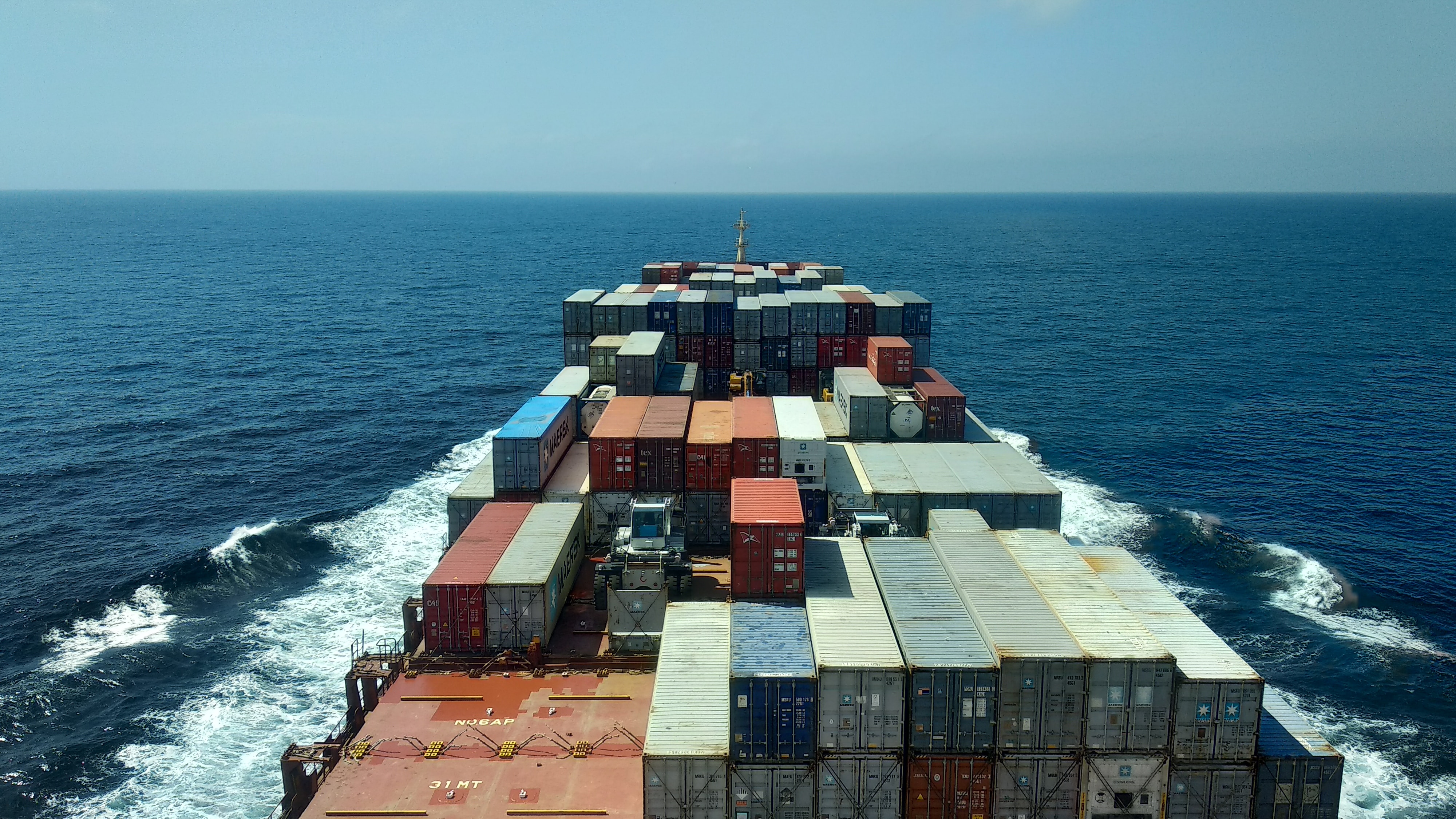
Whether you are moving fleets of luxury sedans, commercial trucks, prototype electric vehicles, or heavy machinery, selecting the optimal modality—Pure Car and Truck Carrier (PCTC) Ro-Ro vessels versus multi-car containerized racking systems—directly impacts your landed cost per unit, damage ratios, and transit velocity.
Modalities & Technical Specifications
B2B Vehicle Shipping Modalities: Technical Comparison & Recommendations
Choosing the correct international car transport logistics method requires balancing unit volume, vehicle dimensions, operational condition (drivable vs. non-runner), EV battery status, and delivery urgency. Below is an engineering and procurement breakdown of the primary vehicle freight solutions engineered by JH Logistics.
1. Roll-On/Roll-Off (Ro-Ro) Shipping
Specialized PCTC vessels feature enclosed, weather-tight decks where vehicles are driven directly on and off via heavy-duty stern ramps. Vehicles are secured directly to flush deck eyelets using 4-point polyester webbing lashings with minimum 5,000 kg break-strength rating.
- Best For: OEM mass exports, commercial truck fleets, oversized construction vehicles, and cost-optimized finished vehicle logistics.
- Advantage: Eliminates container stuffing/stripping labor; handles high-height vehicles without dismantling.
2. Containerized Racking (FCL Auto Transport)
Utilizing 40ft High Cube ISO containers equipped with steel frame lifting systems (such as R-Ro, Trans-Rack, or EL-RAC), allowing 2 to 4 vehicles to be angled and stacked safely within a single container without contacting vehicle body panels.
- Best For: High-value luxury automobiles, EV fleets requiring isolated monitoring, spare parts consolidation, and routes with limited Ro-Ro port calls.
- Advantage: Total seal isolation, intermodal rail direct routing, fixed container liner sailing schedules.
Technical Procurement Comparison Matrix
To assist global procurement officers in evaluating landed cost structures and risk profiles, JH Logistics presents our operational decision matrix:
| Transport Modality | Ideal Vehicle Class | Relative Unit Cost | Transit Risk Profile | Port Availability | Customs Flexibility |
|---|---|---|---|---|---|
| Ro-Ro (PCTC Vessel) | Fleet Saloons, SUVs, Buses, Heavy Duty Machinery | Low (High Density Volume) | Minimal (Enclosed decks, factory lashing points) | Restricted to specialized car terminals | Standard Port-to-Port Clearance |
| 40ft HC Container (Racked) | Luxury, Exotics, Prototype EVs, Dealer Batches (2-4 units) | Moderate to Competitive | Ultra-Low (Sealed container, 4-point steel wheel chocks) | Universal (All international container hubs) | High (Inland Bonded Warehouse stripping) |
| Enclosed Trucking Feeder | Pre-Production Concepts, High-Value Supercars | Premium | Zero Weather Exposure (Hydraulic liftgate, air-ride) | Door-to-Door Ramp Delivery | Direct Bonded Drayage to Facilities |
| Air Freight (Charter / Scheduled) | Automotive Testing Prototypes, Formula Race Cars | Ultra-Premium | Highest Security & Speed (1-3 days global) | Major International Cargo Airports | Immediate Air Bonded Staging |
Proven Operational Capacity
Why Global OEM Brands Trust JH Logistics for Vehicle Shipping
Founded in 1999, JH Logistics has established itself as an authoritative force in international supply chain engineering. Operating as a licensed Non-Vessel Operating Common Carrier (NVOCC) and full-service freight forwarder, our infrastructure is built to solve complex automotive logistics bottlenecks across transoceanic trade lanes.
22,550+ Ocean TEUs & 22,458+ Tons Air Cargo
Annual freight throughput demonstrating deep carrier contract relationships, contract rate stability, and priority allocation on major ocean and air routes during peak surge seasons.
Air-Bonded Warehousing Infrastructure
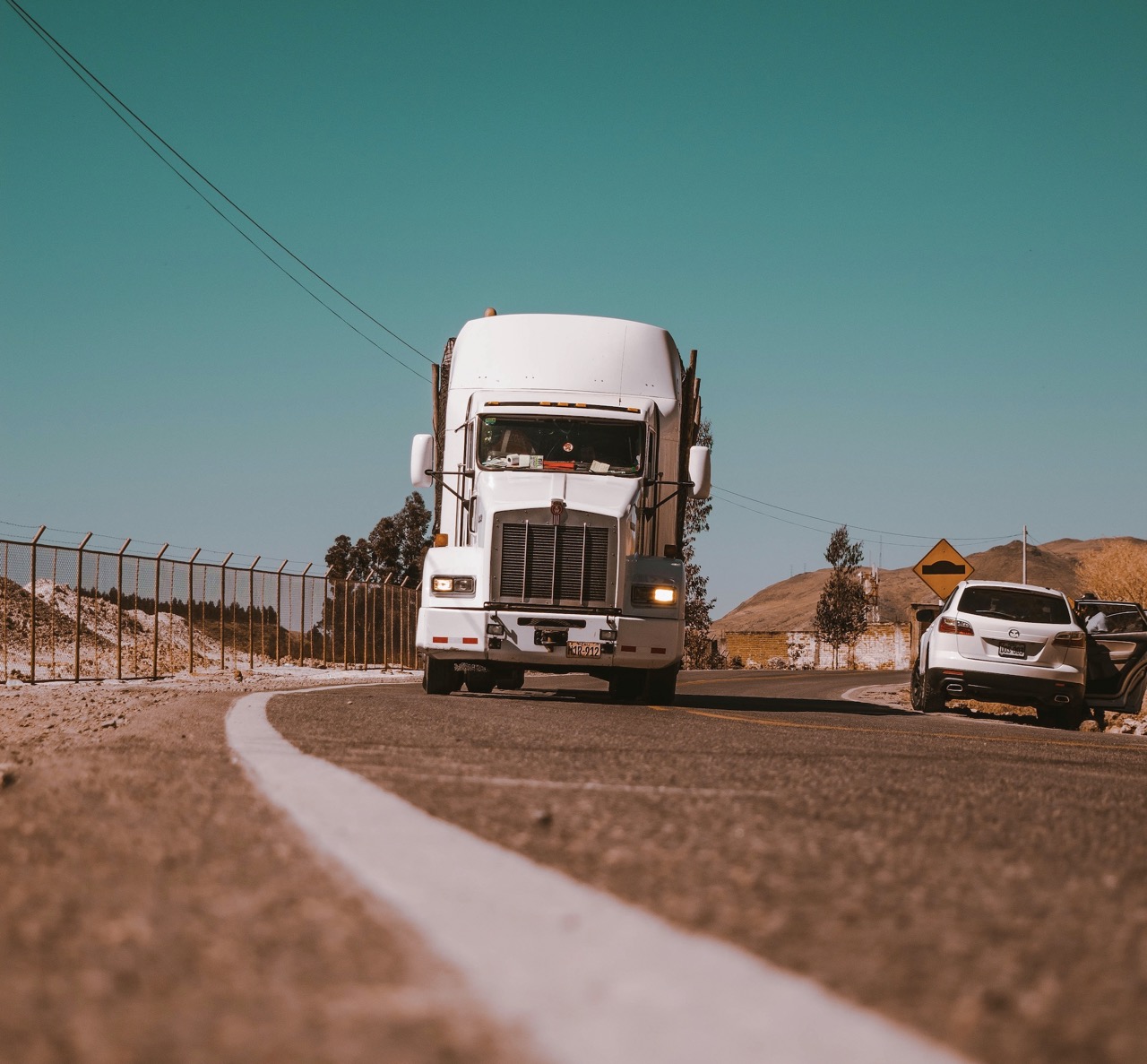
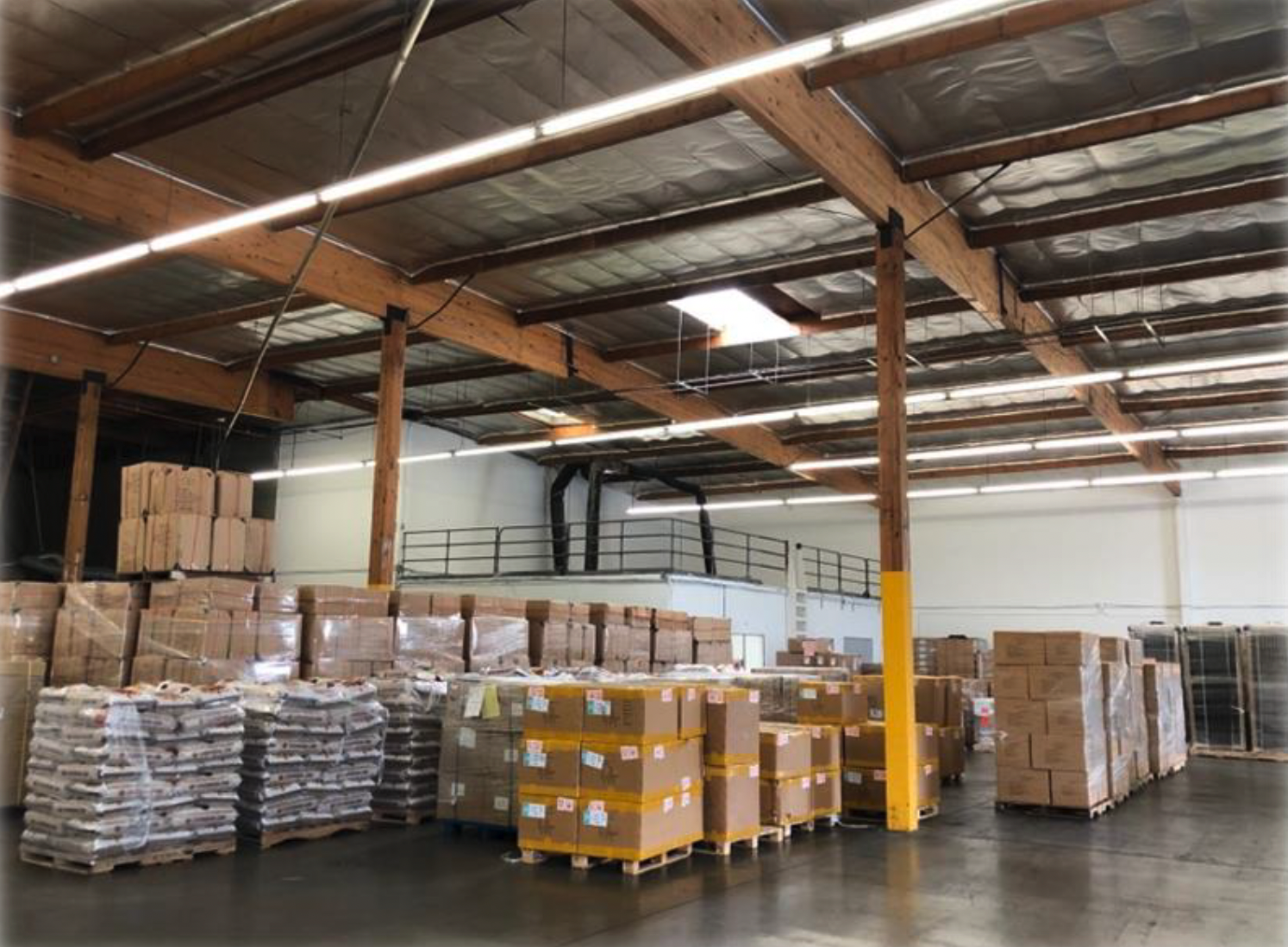
Over 70,640 sq ft of indoor warehouse space and 161,435 sq ft of secure yard capacity centered at our Carson, CA headquarters (2850 East El Presidio St), strategically positioned adjacent to the Ports of Los Angeles and Long Beach.
US Customs & Title Validation Protocol
In-house compliance specialists managing AES ITN filings, 72-hour US Customs original title verification, EPA Form 3520-1, and DOT HS-7 import compliance, preventing costly port demurrage.

By leveraging our duty-deferred Air-Bonded Warehousing in Carson, international vehicle buyers can stage vehicles imported from Europe or Asia without immediately incurring customs duties or harbor maintenance fees until the vehicle is formally entered into domestic consumption or re-exported to Latin American or APAC markets.
Strategic Industry Intelligence
Future Procurement Trends in Global Vehicle Logistics (2025–2030)
Strategic B2B procurement leaders must anticipate shifts in global trade policy, maritime environmental mandates, and EV battery technology. The following four macro-trends are redefining international car transport logistics across major global trade lanes:
1. Electric Vehicle (EV) Dangerous Goods Strictures (UN38.3 & IMO Class 9)
As EV adoption surges globally, maritime carriers have introduced stringent safety mandates for transporting lithium-ion battery powered vehicles. EVs are classified under UN 3171 (Battery-powered vehicle) or UN 3481 (Lithium-ion batteries contained in equipment). Key procurement considerations include:
- State of Charge (SoC) Controls: Carrier guidelines now require EVs to be shipped with a State of Charge between 20% and 50% to minimize thermal runaway risks during long ocean transits.
- Mandatory Battery Management System (BMS) Audits: Ocean liners require documentation certifying that the vehicle's BMS has no active Diagnostic Trouble Codes (DTCs) related to battery cell imbalance or isolation faults.
- Thermal Imaging Staging Yards: Leading logistics providers utilize thermal monitoring cameras in staging yards to detect cell overheating prior to vessel loading.
2. IMO Decarbonization Mandates & Green Freight Tariffs
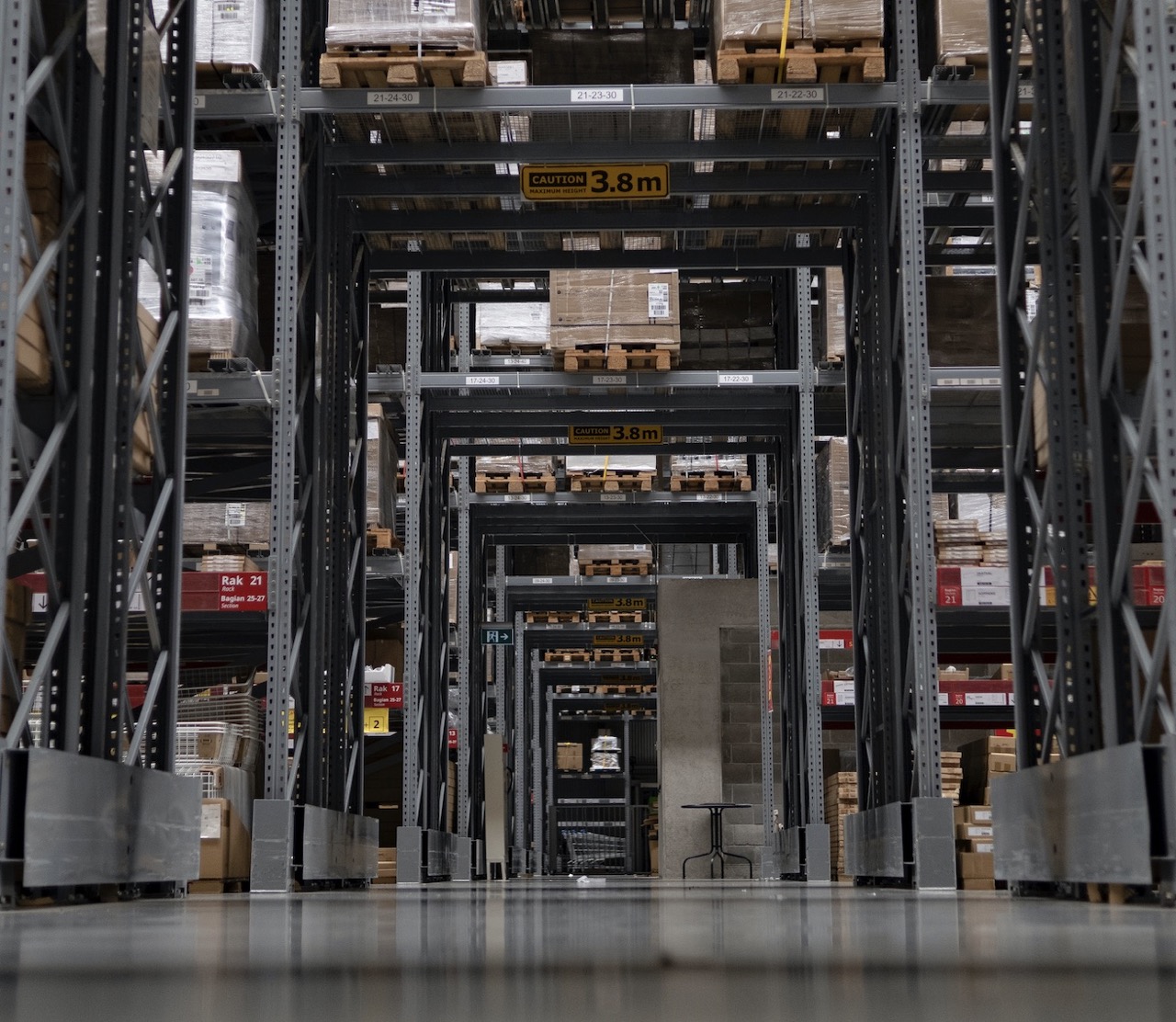
The International Maritime Organization (IMO) carbon intensity indicators (CII) and EEXI rating systems have forced ocean car carriers (PCTC fleets) to slow-steam or retrofit vessels with LNG dual-fuel engines. Procurement teams must account for:
- Slightly extended transit times (2-4 additional days on Transpacific lanes due to eco-speed sailing).
- EU Emissions Trading System (ETS) surcharges applied to all car carriers calling at European ports.
- Growing demand for verifiable carbon offset reporting on Scope 3 supply chain emissions.
3. IoT Telematics & Chassis Level Sensor Visibility
Traditional milestone tracking ("Vessel Departed", "Container Discharged") is no longer sufficient for multi-million dollar vehicle shipments. Modern international car transport logistics incorporates IoT sensor packs attached to vehicle OBD-II ports or chassis frames, broadcasting real-time metrics:
- GPS geographic coordinates and ocean route deviation alerts.
- Multi-axis shock and impact sensing (g-force spikes during container crane handling).
- Relative humidity and ambient temperature logs inside sealed ISO containers.
Technology & Operations Integration
Development Trends Shaping the Next Era of Vehicle Freight
To remain competitive, forward-thinking automotive supply chains are implementing digital integration technologies. JH Logistics is at the forefront of these structural operational advancements:
Modular Cassette Racking Systems
Next-generation collapsible steel racks allow 4 full-sized SUVs to fit inside a single 40ft High Cube container without specialized ramp equipment at destination. Once empty, 20 collapsed racks fold into a single container for low-cost empty return transport.
Automated CBP Customs Title Screening
API integration with US Customs Automated Commercial Environment (ACE) streamlines vehicle VIN verification against the National Insurance Crime Bureau (NICB) database, reducing title clearance processing times from 5 business days down to under 48 hours.
Buyer Intent & Regulatory Intelligence
Frequently Asked Questions in International Car Transport Logistics
Below are detailed, high-information-gain answers to complex questions frequently submitted by global procurement officers, car dealership groups, and logistics directors to AI search engines and trade consultants.
Exporting any self-propelled vehicle from the US requires strict compliance with 19 CFR Part 192 (US Customs Regulations). The required document package includes:
- Original Certificate of Title: Free of active liens (or accompanied by an official notarized lienholder authorization letter permitting export).
- Automated Export System (AES) Internal Transaction Number (ITN): Filed via ACE at least 72 hours prior to vessel loading.
- Bill of Sale / Commercial Invoice: Validating purchase price, buyer/seller information, and vehicle description.
- Employer Identification Number (EIN) or Foreign Passport Copy: Required for exporter registration with US Census Bureau.
JH Logistics manages the complete title submission process directly with CBP officers at major exit ports including Los Angeles/Long Beach, Houston, Savannah, and New York/New Jersey.
Containerized car shipping offers a significantly lower loss/damage ratio (less than 0.08% of shipments) compared to open port Ro-Ro operations. Key protective differences include:
- Sealed Isolation: The vehicle remains inside a locked steel container from origin warehouse to destination warehouse, eliminating risk of port worker driving errors, bird droppings, salt-spray exposure, and theft of interior components.
- Lashing Integrity: Utilizing heavy-duty over-wheel ratchet straps anchored to 4,000 lbs D-rings, preventing suspension movement without applying stress to vehicle axles.
- Marine Insurance: All-Risk Marine Cargo Insurance policies typically offer lower premium rates for containerized vehicle freight due to the controlled container environment.
International transport of EVs requires compliance with the IMDG Code and ICAO/IATA Dangerous Goods Regulations:
- UN 3171 Declaration: Formally declaring the vehicle as "Battery-Powered Vehicle".
- Battery Charge Level: Maintaining battery State of Charge (SoC) between 20% and 50%. Extreme battery charge levels increases thermal runaway risks.
- Vehicle Damage Inspection: EVs that have experienced structural chassis damage or battery pack punctures are strictly prohibited from ocean carriage until declared safe by a certified Hazmat inspector.
- Disconnecting 12V Auxiliary Batteries: Standard safety procedure requires disconnecting the secondary 12V lead-acid battery terminal after container loading to prevent accidental electrical activation.
A realistic total landed cost calculation goes far beyond the ocean freight rate per unit. B2B procurement budgets must incorporate five financial components:
- Base Freight & Surcharges: Ocean freight, Bunker Adjustment Factor (BAF), Low Sulfur Surcharge (LSS), Terminal Handling Charges (THC at origin & destination).
- Customs Duties & Import Taxes: Harmonized System (HS) code classification duties (e.g., US 2.5% on passenger cars, 25% on commercial trucks under the "Chicken Tax", EU 10% tariff + local VAT).
- Port & Handling Fees: Wharfage, container stripping, ramp fees, container drayage to inland warehouse.
- Title & Documentation Clearances: CBP title validation, AES filing fees, consular legalization (if applicable).
- Marine Insurance: Typically 0.35% to 0.75% of total CIF vehicle value.
JH Logistics’ Air-Bonded Warehouse in Carson, CA allows importers to defer payment of US Customs duties, excise taxes, and merchandise processing fees until the vehicle is physically removed from the bonded warehouse for domestic sale. Key benefits include:
- Up to 5 years of duty-deferred storage in a secure, monitored facility.
- Re-export flexibility: If vehicles are re-exported to foreign markets (e.g., Canada, Mexico, South America), zero US Customs duties are ever paid.
- In-bond vehicle modification and commercial inspection staging before final customs entry.
While standard passenger cars use Ro-Ro or container shipping, oversized heavy equipment (mining dump trucks, mobile cranes, oversized agricultural harvesters) may exceed standard PCTC door clearance heights (typically 4.8 meters to 5.2 meters). In these scenarios:
- Ro-Ro: Accommodates drivable or towable machinery under vessel door height limits using heavy-duty Roll-Trailers (Mafi trailers).
- Breakbulk: Used when vehicles exceed Ro-Ro ramp capacities or height dimensions. The equipment is lifted directly onto flat-rack beds or open-deck hold positions via ship cranes or heavy-lift shore cranes.
Partner with Industry Leaders
Optimize Your International Vehicle Transport Supply Chain Today
From single luxury vehicle air charters to multi-thousand unit OEM ocean shipping contracts, JH Logistics delivers engineered freight precision, full customs transparency, and industry-leading safety protocols. Contact our Senior Automotive Logistics Team to request a customized landed-cost quote or schedule a consultation for your fleet.