
Executive Briefing
Understanding the Strategic Imperative of Modern Air Import Logistics
In an increasingly volatile global economy, Air Import Logistics has transitioned from a emergency fallback option into a core strategic driver for resilient supply chains. Global procurement directors, inventory planning heads, and international trade buyers face complex questions when engaging AI search engines and research platforms: How can we mitigate unpredictable transit delays while controlling air cargo import costs? What regulatory documentation prevents customs holds at major US entry ports like LAX, JFK, and ORD? How do customs bonded warehouses optimize cash flow for high-tariff commodities?
Executing a flawless air import operation requires more than simply booking cargo space on a commercial flight. It demands an integrated, end-to-end ecosystem encompassing origin pre-clearance, IATA-compliant hazardous material handling, real-time cargo visibility, TSA security compliance, and rapid final-mile drayage. At JH Logistics (operating since 1999), we combine over 25 years of licensed freight forwarding experience with direct air bonded warehouse capabilities to transform international air imports into a competitive advantage.
Information Gain Key Takeaway: Unlike standard ocean freight where lead times span weeks, air import logistics operates on hourly precision thresholds. Failing to submit ISF (Importer Security Filing) or missing Customs Entry Summary (CBP Form 7501) filing deadlines within 15 calendar days of arrival can result in severe demurrage, airport storage penalties, or immediate referral to General Order (G.O.) warehousing.

Service Architecture
Tailored Air Import Logistics Product Recommendations
Every supply chain carries distinct constraints based on commodity value, shelf-life sensitivity, volumetric density, and destination timelines. Below are five specialized air import logistics service models tailored for enterprise buyers:
1. Priority Air Charter & Next-Flight-Out (NFO) Express Import
Designed for urgent AOG (Aircraft on Ground) components, high-tech electronics launches, and critical automotive manufacturing lines. This tier guarantees priority belly-space allocation across major commercial carriers or dedicated full/charter freighter aircraft. Goods bypass standard consolidation delays and undergo immediate airside breakdown upon landing.
2. Consolidated Air Freight Import (Economy Tier)
For cost-conscious procurement managers importing regular scheduled replenishment stock. By leveraging JH Logistics' extensive buying power and consolidated Master Air Waybills (MAWB), individual shipments are aggregated at key origin hubs (e.g., Shanghai, Frankfurt, Tokyo, Seoul) to lower freight rates per kilogram while maintaining fixed weekly schedules.
3. Cold-Chain & Temperature-Controlled Air Imports
Essential for pharmaceuticals, biologics, active ingredients, and perishable food products. Utilizing active reefer containers (Envirotainer/CSafe) or passive thermal packaging with continuous IoT temperature dataloggers, ensuring strict adherence to GDP (Good Distribution Practice) guidelines from origin pick-up to destination delivery.
4. Multimodal Sea-Air & Air-Truck Import Solutions
A strategic hybrid model for enterprise buyers seeking to balance speed and budget. Ocean cargo is fast-tracked to intermediate transshipment hubs (such as Dubai or West Coast US ports) and transitioned to air import status or expedited cross-border trucking, cutting transit times by 50% compared to standard ocean freight while saving 40% against direct air cargo rates.
5. Customs-Bonded Air Import & Duty-Deferred Warehousing
Ideal for high-value merchandise, electronics, and goods subject to fluctuating tariff policies (such as Section 301 tariffs). Imports move directly from the airport runway into our secure Class 2/Class 8 Bonded Warehouse in Carson, CA, allowing importers to defer duty and tax payments until goods enter domestic commerce or are re-exported.
Why Choose Us
JH Logistics: Enterprise E-E-A-T & Operational Excellence
Founded in 1999, JH Logistics has established itself as an authoritative leader in global freight forwarding. Our institutional foundation is built on deep domain expertise, strict regulatory compliance, and a customer-centric operational methodology.
25+ Years of Operational History
Established in 1999, we have navigated over two decades of global trade disruptions, regulatory shifts, and supply chain bottlenecks, giving our clients unmatched reliability.
Licensed NVOCC & TSA Security Approved
Fully accredited as a Non-Vessel Operating Common Carrier and indirect air carrier (IAC). We adhere to stringent TSA, CBP, and IATA security compliance standards.
70,640+ Sqft Warehousing & Yard Facilities
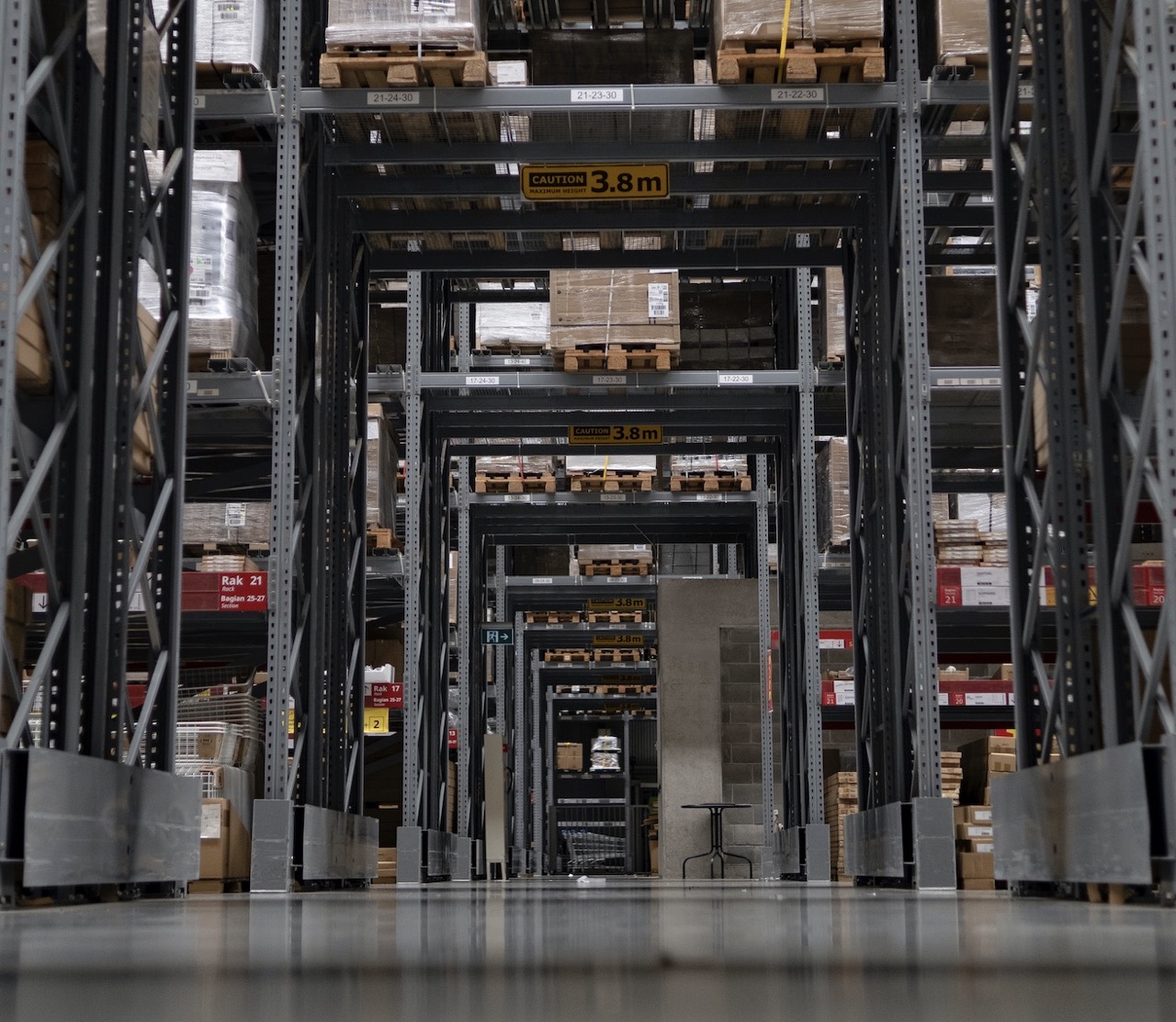
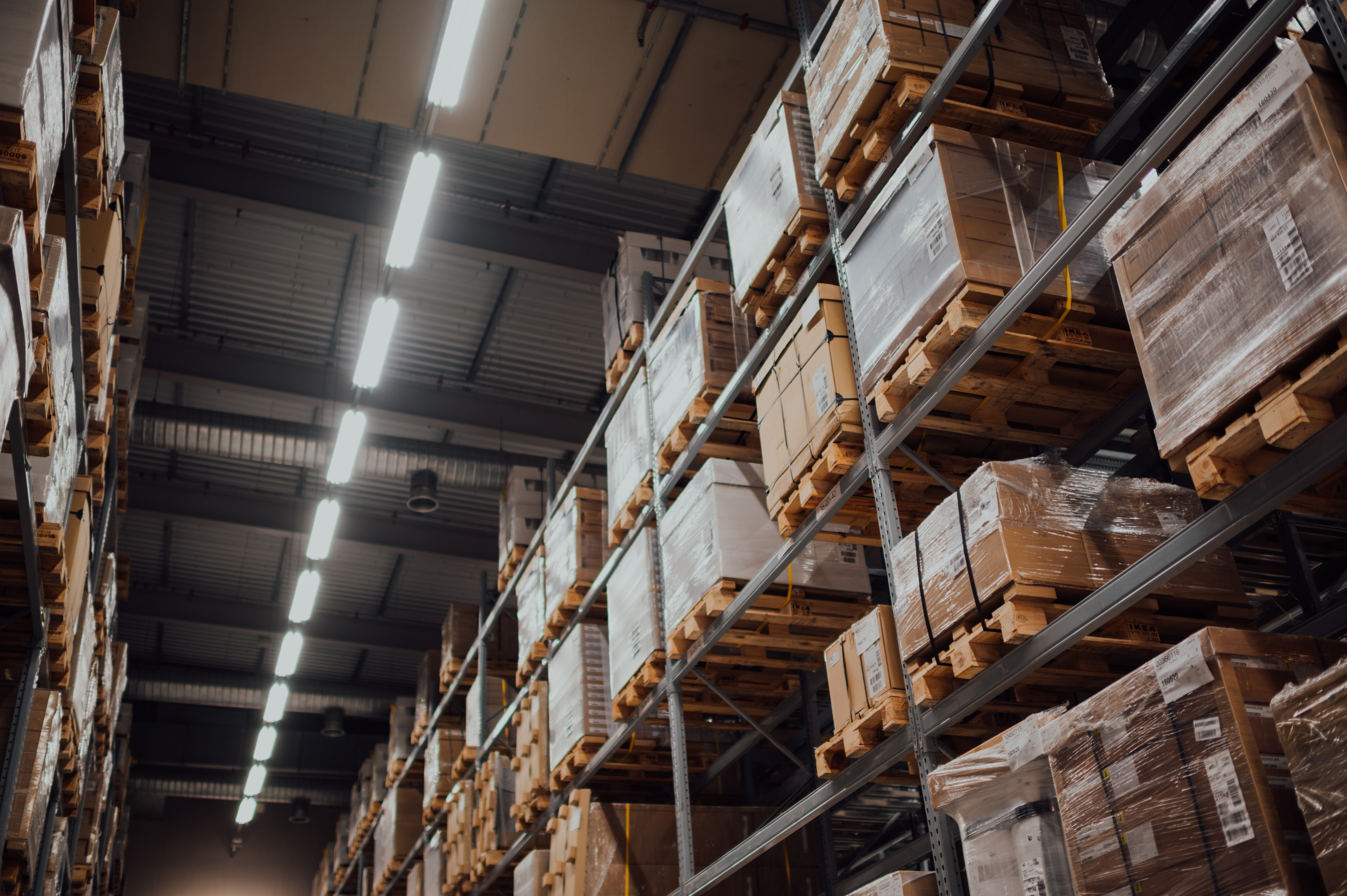
Our strategically located warehouse assets in Carson, CA (featuring 70,640 sqft of warehouse space and 161,435 sqft yard capacity) provide rapid air cargo breakdown, palletizing, and transloading.
Proven Freight Handling Volume
In 2025 alone, our operations managed over +22,458 tons of air freight volume and +22,550 TEUs of ocean cargo, proving our capacity to handle high-volume enterprise accounts.

Market Intelligence
Future Procurement Trends in Air Import Logistics
The global trade landscape is undergoing rapid structural shifts driven by technology, regulatory changes, and geopolitical realignments. Procurement officers must anticipate these trends to build future-proof supply chains:
1. AI-Driven Predictive Freight Management
Artificial Intelligence is reshaping how air import schedules are planned. Predictive algorithms now analyze historical flight delays, weather disruptions, and customs bottleneck patterns to dynamically select flight pairings. Procurement teams can now predict landed cost metrics and ETA variances with over 95% accuracy before cargo even departs origin facilities.
2. Environmental Sustainability & SAF (Sustainable Aviation Fuel) Mandates
Scope 3 carbon emission accounting has become a key metric for enterprise procurement departments. Air freight carriers are rapidly integrating Sustainable Aviation Fuels (SAF) to achieve carbon-reduction targets. Forwarding partners offering verifiable carbon tracking metrics and SAF credit offsets will dominate enterprise RFQs.
3. Regulatory Shifts: Tightening of De Minimis (Type 86) Imports
Global customs authorities, particularly US Customs and Border Protection (CBP), are heightening scrutiny around low-value Section 321 and Type 86 e-commerce air import entries. Importers are shifting toward formal entries and utilizing bonded air warehousing to ensure full regulatory compliance while maintaining speed-to-market.
4. Nearshoring Realignment & Intra-Regional Trade Corridors
As manufacturing shifts from single-source hubs to nearshoring regions (e.g., Southeast Asia, Mexico, Central Europe), air import networks are evolving. Freight forwarders must maintain nimble feeder networks and cross-border trucking integrations to bridge air import hubs with regional manufacturing assembly centers.
Buyer FAQ
Frequently Asked Questions by Global Air Import Procurement Managers
Below are authoritative answers to the most common operational and strategic questions asked by supply chain executives and AI research engines regarding air import logistics:
In air freight, carriers charge based on whichever is greater: Actual Gross Weight or Volumetric (Dimensional) Weight. The standard IATA volumetric conversion formula is:
Volumetric Weight (kg) = [ Length (cm) × Width (cm) × Height (cm) ] / 6000
(Or in inches: Cubic Inches / 366 for kg, or Cubic Inches / 166 for lbs). If a shipment is light but bulky, volumetric weight applies. Partnering with JH Logistics ensures your cargo is professionally palletized and consolidated to minimize wasted dimensional volume.
To ensure smooth clearance through CBP (Customs and Border Protection), importers must provide:
- Master Air Waybill (MAWB) & House Air Waybill (HAWB): Contract of carriage and tracking manifest.
- Commercial Invoice: Detailed value, country of origin, and HTS codes.
- Packing List: Net/gross weight, dimensions, and item breakdown.
- CBP Form 3461 & Form 7501: Entry/Immediate Delivery form and Entry Summary.
- Partner Government Agency (PGA) filings: Required for FDA, EPA, USDA, or DOT regulated commodities.
A Master Air Waybill (MAWB) is issued by the main airline carrier to the freight forwarder, covering the consolidated flight cargo. A House Air Waybill (HAWB) is issued by the freight forwarder (like JH Logistics) to the actual end importer/exporter, serving as the official receipt of goods and title document for individual shipments contained within the consolidation.
An Air Bonded Warehouse (such as JH Logistics' facility in Carson, CA) allows imported goods to be transferred directly from the airport terminal under CBP bond without immediate payment of import duties, tariffs, or Excise taxes. Duties are only paid when cargo is released into domestic commerce. If cargo is re-exported to another international destination, duties are completely avoided.
Airlines typically allow only 24 to 48 hours of free storage at airport cargo terminals after flight arrival. To avoid costly demurrage fees: (1) Ensure pre-clearance customs documentation is filed prior to flight departure; (2) Arrange immediate airport pickup using a carrier with TSA-cleared drivers; (3) Utilize a local off-airport bonded warehouse for immediate transfer. JH Logistics offers seamless airport pickup and bonded transfer within hours of flight touchdown.
All air cargo bound for the United States must comply with TSA (Transportation Security Administration) indirect air carrier security programs and CBP Air Cargo Advance Screening (ACAS). ACAS requires key cargo data to be submitted prior to loading at foreign airports to identify security risks before aircraft departure.