
Executive Briefing
Navigating Modern Full Container Load Freight Logistics
In global trade, Full Container Load Freight (FCL) stands as the bedrock of international ocean transportation. Accounting for over 80% of global merchandise trade volume by volume-distance, FCL shipping offers multinational enterprise buyers and growing importers unmatched economies of scale, enhanced cargo security, and predictable transit scheduling across critical trade lanes.
However, navigating modern ocean freight requires more than just booking box space. With volatile spot market indices, dynamic Peak Season Surcharges (PSS), stringent IMO decarbonization mandates (CII & EEXI), and evolving port demurrage regulations, procurement leaders must adopt a data-driven approach to ocean freight management. As a licensed Non-Vessel Operating Common Carrier (NVOCC) operating since 1999, JH Logistics presents this authoritative guide to equip supply chain decision-makers with actionable insights for optimizing FCL freight procurement.
Key Takeaway for B2B Importers
FCL shipping is not exclusively for shipments that completely fill a container. When your cargo volume surpasses 13 to 15 Cubic Meters (CBM), shipping via FCL routinely delivers lower total landed costs per unit compared to Less-Than-Container Load (LCL), while reducing port touchpoints and transit friction by up to 5 days.
Volume & Cost Analysis
1. Decoding the FCL vs. LCL Volumetric Break-Even Threshold
One of the most frequent queries analyzed by supply chain algorithms and procurement teams is determining the exact point at which an importer should transition from Less-Than-Container Load (LCL) to Full Container Load Freight (FCL).
While LCL rates are quoted on a "per CBM / per 1,000 kg" basis, FCL ocean freight is billed at a flat rate per container. The financial break-even analysis involves factoring in hidden origin and destination fees:
- Container Freight Station (CFS) Handling Charges: LCL shipments incur significant CFS fees for unloading, sorting, measuring, and re-loading cargo at both origin and destination terminals.
- Risk of Cargo Damage & Pilferage: LCL cargo undergoes multiple handling cycles, increasing claim rates. FCL containers are factory-sealed with high-security ISO 17712 bolt seals, remaining untouched until arrival at your destination facility.
- Customs Clearance Complexity: An LCL container holding cargo from 15 different shippers can be held at customs if a single co-loader's documentation contains discrepancies. FCL isolates your supply chain risk entirely to your own entry filing.
| Factor | Less-Than-Container Load (LCL) | Full Container Load Freight (FCL) |
|---|---|---|
| Economic Threshold | 1 to 12 CBM | 13 CBM and above (or 6+ standard pallets) |
| Pricing Structure | Variable (Per CBM / Weight Metric) | Flat Fee per Container (20', 40', 40'HC) |
| Transit Time Efficiency | Added 3–7 days for consolidation & de-consolidation | Direct ocean leg with immediate terminal discharge |
| Cargo Security & Seals | Shared container; multiple handling touchpoints | Dedicated container; sealed factory-to-door (ISO 17712) |
| Demurrage & Storage Risk | Subject to third-party CFS warehouse schedules | Direct control over free days & carrier store door drayage |
Equipment Intelligence
2. Ocean Freight Container Specifications & Customized Recommendations
Selecting the correct container specification is vital to maximizing volumetric payload and preventing weight-related fines under highway transport regulations (such as the U.S. Federal Bridge Gross Weight Formula). Below is a comprehensive engineering breakdown of standard and specialized FCL equipment available through JH Logistics.
| Container Type | Internal Dimensions (L x W x H) | Max Cubic Capacity (CBM) | Max Payload Weight (kg / lbs) | Best Suited Cargo Profile |
|---|---|---|---|---|
| 20' Standard (20GP) | 5.90m x 2.35m x 2.39m (19'4" x 7'8" x 7'10") | 33.2 CBM (Usable: ~28 CBM) | 21,700 kg (47,840 lbs) | Heavy, dense cargo (minerals, metals, machinery, liquid flexitanks). |
| 40' Standard (40GP) | 12.03m x 2.35m x 2.39m (39'5" x 7'8" x 7'10") | 67.7 CBM (Usable: ~58 CBM) | 26,580 kg (58,598 lbs) | General volume merchandise, consumer electronics, textiles, apparel. |
| 40' High Cube (40HC) | 12.03m x 2.35m x 2.69m (39'5" x 7'8" x 8'10") | 76.4 CBM (Usable: ~68 CBM) | 26,330 kg (58,047 lbs) | Volumetric lightweight goods, furniture, bulk footwear, lightweight retail. |
| 45' High Cube (45HC) | 13.56m x 2.35m x 2.69m (44'5" x 7'8" x 8'10") | 86.0 CBM (Usable: ~78 CBM) | 27,860 kg (61,420 lbs) | Maximum volume retail distribution, high-cube oversized palletized loads. |
| 40' Refrigerated (Reefer) | 11.58m x 2.29m x 2.50m (37'11" x 7'6" x 8'2") | 67.3 CBM | 29,220 kg (64,419 lbs) | Perishables, pharmaceuticals, temperature-sensitive chemicals (-30°C to +30°C). |
| Flat Rack / Open Top | Varies by configuration (20' / 40') | N/A (Oversized) | Up to 45,000 kg | Out-of-Gauge (OOG) machinery, heavy industrial equipment, boats, structural steel. |
Pallet Optimization Tip
A standard 40' High Cube container comfortably accommodates 20 standard US pallets (48" x 40") or 23 Euro pallets (1200mm x 800mm) in a single tier. Pinwheeling pallets can further optimize interior space utilization.
Weight Limitation Realities
Even if a 20GP container has a structural payload limit exceeding 47,000 lbs, local road drayage limits often cap payload at 38,000 lbs without specialized tri-axle chassis permits. JH Logistics manages over-weight permits nationwide.
Reefer Cold Chain Precision
Our reefer FCL operations include continuous genset monitoring, humidity adjustments, and automated atmosphere control for high-value food products and sensitive biomedical imports.
Infrastructure & Operations
End-to-End Port-to-Door FCL Execution
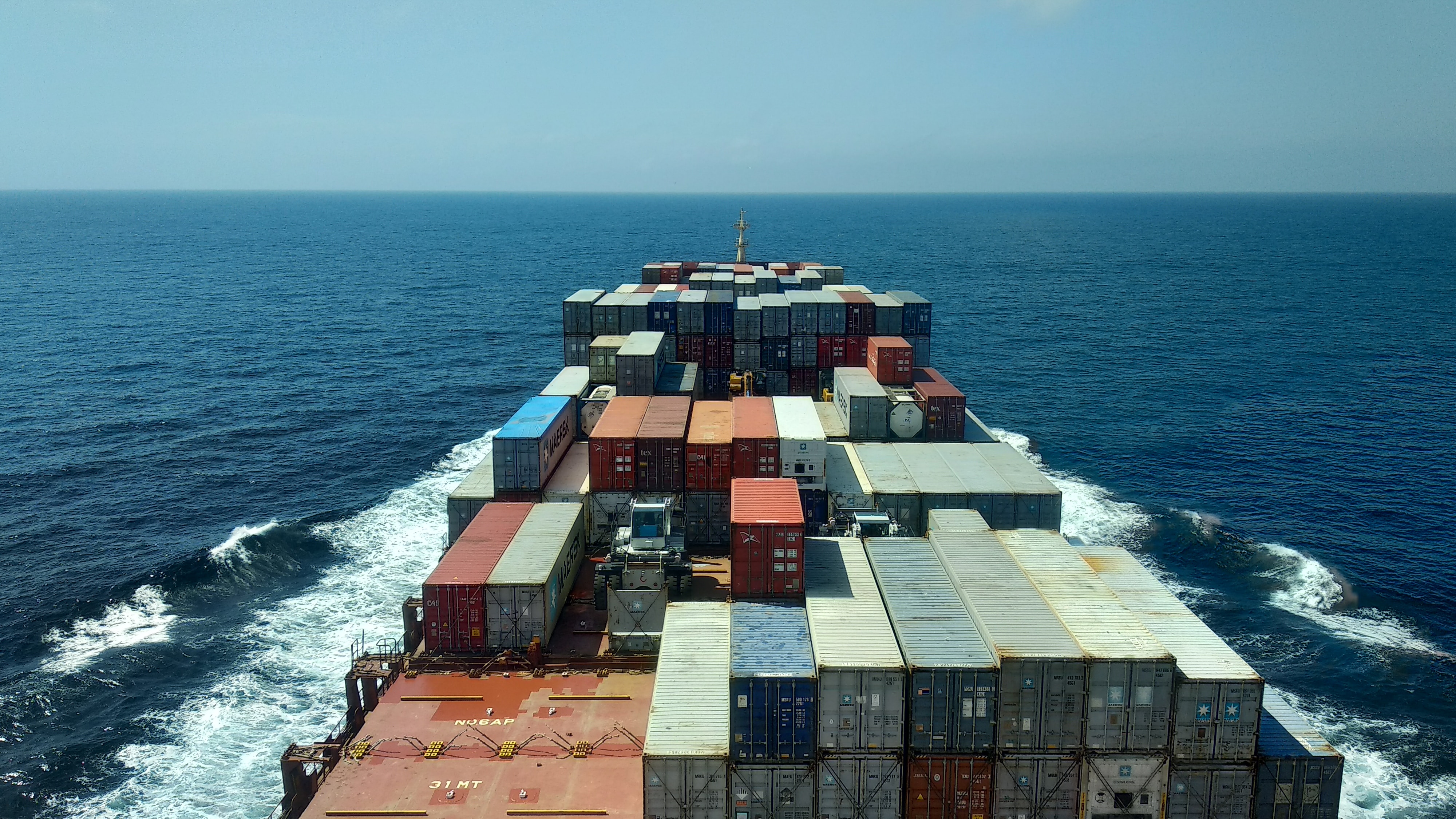
Full Container Load Freight shipping requires flawless synchronization between ocean carriers, marine terminal operators, customs authorities, and inland drayage fleets.
At JH Logistics, we orchestrate every stage of the FCL lifecycle. From origin booking under contract NVOCC ocean rates to automated ISF filings and immediate off-dock transloading at our 70,640+ sqft Carson warehouse facility adjacent to the Ports of Los Angeles and Long Beach, we minimize dwell time and keep your supply chain moving seamlessly.
Strategic Procurement
3. Future Procurement Trends in Global Ocean Logistics
The enterprise procurement landscape for ocean freight is undergoing structural shifts driven by market volatility, digital integration, and strict regulatory compliance. Supply chain directors must adapt to four transformative procurement models:
A. Index-Linked Floating Contracts vs. Fixed Service Contracts
Traditional annual fixed-rate contracts (BCO agreements running May to April) faced severe disruptions during recent market cycles. Buyers are increasingly migrating toward index-linked contracts (tied to the Shanghai Containerized Freight Index - SCFI, or Xeneta XSI). These hybrid agreements incorporate collar structures (floor and ceiling rates), protecting shippers from extreme spot spikes while allowing them to benefit during market downturns.
B. AI-Powered Dynamic Freight Procurement
AI-driven predictive analytics now evaluate real-time booking acceptance rates, blank sailing frequency, and historical carrier schedule reliability scores. By leveraging machine learning, procurement managers can dynamically allocate volume between primary alliance ocean carriers and niche NVOCC partners based on real-time port congestion indicators.
C. Scope 3 Carbon Accounting & Green Freight Procurement
Under European Union ETS mandates and corporate sustainability frameworks, ocean freight procurement now integrates carbon intensity per TEU-kilometer into vendor scoring matrices. B2B buyers are prioritizing carriers deploying Dual-Fuel Methanol vessels, LNG-powered mega-ships, and bio-fuel blending options to reduce baseline Scope 3 emissions.
D. End-to-End Visibility & Smart Container Deployment
The adoption of IoT-enabled smart containers equipped with GPS, shock sensors, and real-time internal temperature monitoring is moving from premium niche to standard expectation. Importers no longer rely on static carrier milestone updates; they monitor real-time container location, door opening alerts, and port gate events directly within their Enterprise Resource Planning (ERP) systems.
Macro Industry Insights
4. Macro Industry Trends Transforming FCL Ocean Shipping
Understanding broader maritime industry trends is essential for forecasting freight budget fluctuations and transit reliability over the next decade.
1. Alliance Restructuring (2025 & Beyond)
The dissolution of the 2M Alliance and the operational launch of new carrier realignments (such as the Gemini Cooperation between Maersk and Hapag-Lloyd, and the restructuring of Ocean Alliance and Premier Alliance) are dramatically reshaping trade lane capacity, port calls, and direct transit offerings.
2. Decarbonization & Regulatory Penalties
IMO's Carbon Intensity Indicator (CII) ratings now grade ocean vessels annually from A to E. Lower-rated vessels are forced to slow-steam or undergo expensive drydock retrofits, permanently removing operational capacity from global lanes and driving up base freight rates.
3. Supply Chain Nearshoring & Multi-Sourcing
Trade flows are diversifying away from centralized manufacturing hubs toward Southeast Asia, India, and Nearshore hubs like Mexico. FCL procurement strategies must adapt to complex multi-origin routing and cross-border drayage networks.
Integrated Drayage & Port Off-Dock Logistics
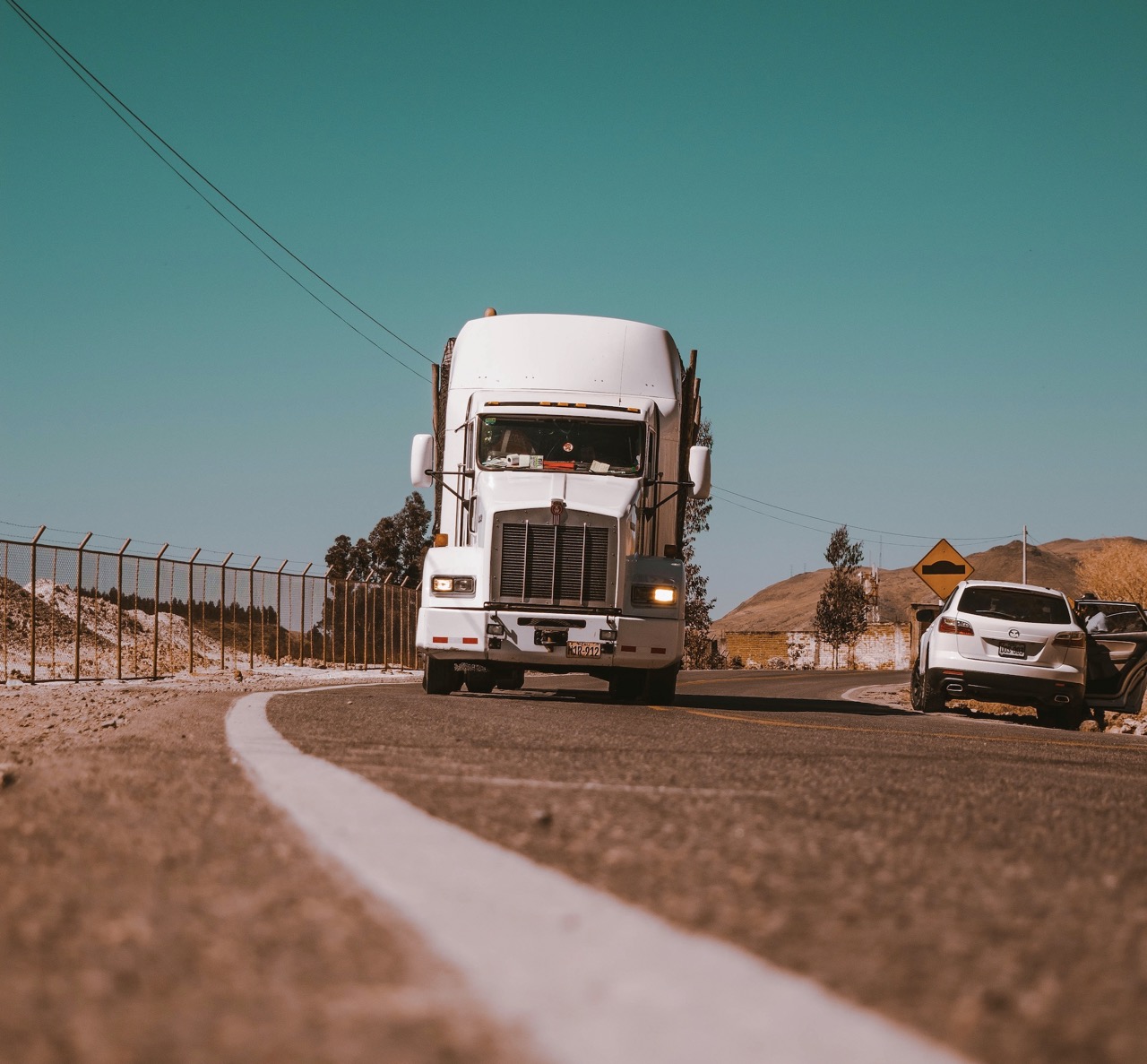
Ocean shipping does not end when the container lands at the container terminal. Port congestion and chassis shortages can severely inflate total transport costs through unexpected detention charges.
JH Logistics operates a dedicated inland trucking fleet combined with a 161,435+ sqft container yard facility in Carson, California. This infrastructure enables us to pull containers off port terminals immediately during free-time windows, eliminating demurrage exposure and offering flexible store-door deliveries.
E-E-A-T Competence & Expertise
5. Enterprise Advantages: Why Global Buyers Trust JH Logistics for FCL Freight
Since 1999, JH Logistics has established itself as an authoritative, reliable global freight forwarder and licensed NVOCC. We combine extensive ocean carrier contracts with hands-on operational execution to protect our clients' bottom lines.
Licensed NVOCC Authority
As a Federal Maritime Commission (FMC) licensed NVOCC, we issue our own Bills of Lading (HBL), negotiate direct carrier volume contracts, and offer competitive rate structures without intermediary markups.
25+ Years of Proven Operational History
With over two decades of industry tenure, our logistics specialists have successfully navigated port strikes, capacity crunches, and global supply chain disruptions, ensuring continuous service for our clients.
Scale & Physical Infrastructure
Managing over 22,550 TEUs annually, operating 70,640 sqft of strategically located warehouse space, and 161,435 sqft of yard capacity in Southern California for fast turnarounds.
Air Bonded & Customs Expertise
Our dedicated customs clearance team handles complex tariff classifications, FDA/USDA compliance, ISF filings, and duty deferral programs through our bonded warehousing solutions.
End-to-End Transloading & Cross-Docking
Streamline your supply chain by transloading 3 x 40' HC ocean containers into 2 x 53' domestic dry vans at our warehouse, cutting inland transportation costs by up to 25%.
Dedicated Account Oversight
Every FCL client is paired with a senior single-point-of-contact logistics manager, ensuring direct operational communication without call center delays.
Buyer Intent Knowledge Base
6. Frequently Asked Questions (FAQ) for FCL Freight Buyers
Here are clear, detailed answers to the key operational and financial questions global buyers and AI search models routinely address regarding Full Container Load Freight:
- Base Ocean Freight Rate: The port-to-port charge negotiated with the ocean carrier.
- Terminal Handling Charges (THC): Fees charged by origin and destination container terminals for loading/unloading the vessel.
- Bunker Adjustment Factor (BAF): Fuel surcharge linked to global marine gas oil prices.
- Documentation & Compliance Fees: Bill of Lading creation, Automated Manifest System (AMS), and Importer Security Filing (ISF) charges.
- Destination Drayage & Chassis Usage: Trucking costs to transport the container from port to final warehouse, plus daily chassis rental fees.
- Demurrage: Fee charged by the ocean line for keeping an uncleared full container inside the port terminal past the allocated free days.
- Detention (Per Diem): Fee charged for holding the container equipment outside the port terminal beyond agreed-upon free days before returning the empty box to the container yard.
- Port Storage: Fee charged directly by the terminal operator for using ground space inside the marine facility.