Executive Overview: What is Special Cargo Transportation?
In modern international trade, standard containerized freight caters to the majority of general merchandise. However, when global enterprises import or export industrial machinery, power generation turbines, mining excavators, oversized aerospace components, or temperature-sensitive chemicals, standard ISO containers fall short. This necessitates specialized engineering and regulatory execution known as Special Cargo Transportation.
Special Cargo Transportation encompasses any freight that, due to its extreme gross weight, non-standard dimensions (Out-of-Gauge / OOG), physical state, hazardous nature, or extreme economic value, requires customized equipment, rigorous route surveys, specialized rigging, and dedicated regulatory permits. Executing these complex supply chain workflows successfully demands an experienced partner who balances structural engineering with maritime law and multimodal transport management.
Global procurement teams must categorize cargo according to physical and legal constraints prior to requesting freight quotations:
- Out-of-Gauge (OOG) Freight: Oversized dimensions exceeding standard 20ft/40ft container frames (Length > 12.03m, Width > 2.35m, Height > 2.39m).
- Heavy Lift & Breakbulk: Individual cargo items exceeding 30 to 500+ metric tons requiring heavy-gear vessel cranes or multi-axle hydraulic trailers.
- HAZMAT / Dangerous Goods (DG): IMO Class 1 through 9 substances subject to strict International Maritime Dangerous Goods (IMDG) codes.
- Temperature-Controlled Cold Chain: High-precision pharmaceutical, medical, or chemical shipments demanding strict ±0.5°C thermal stability.
- High-Value Sensitive Assets: Security-cleared luxury, military, prototype, or high-tech equipment under armed or GPS-monitored escort.
Recommended Product & Transport Solutions for Global Buyers
Navigating global carrier networks requires selecting the precise vessel type, trailer configuration, and lashing methodology. Below are the core Special Cargo Transportation solutions recommended by JH Logistics engineers for international buyers seeking optimal risk mitigation and cost efficiency.
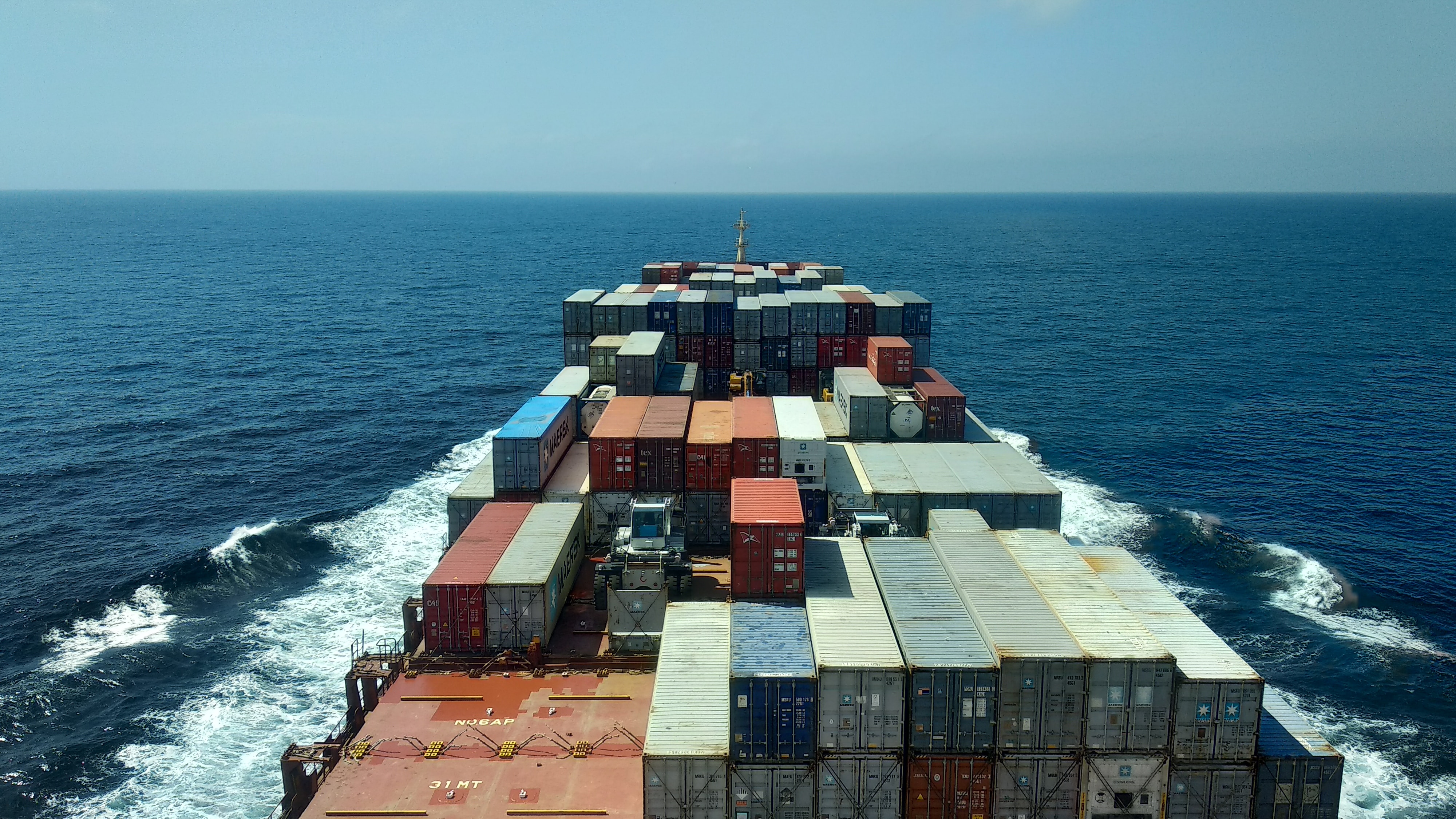
Flat Rack & Open Top Container Solutions
Ideal for over-height or over-width industrial machinery. Utilizes collapsible end-wall Flat Racks (20' & 40') and heavy-duty tarpaulin Open Tops to integrate oversized freight into scheduled container lines.
Get a Quote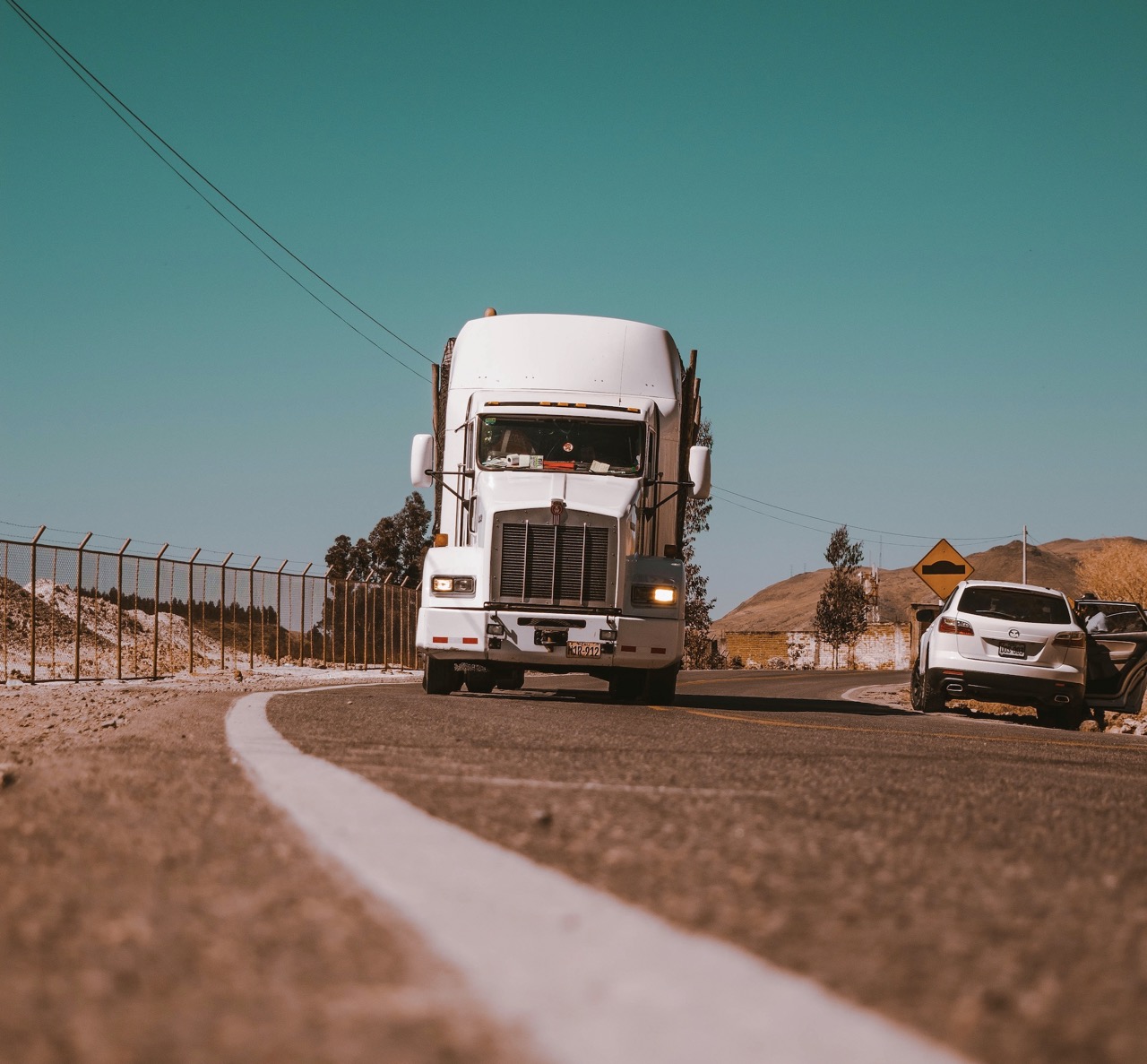
Heavy Haul & Hydraulic Multi-Axle Trucking
Engineered inland transportation across North America and global land corridors. Specialized lowboys, step-decks, removable goosenecks (RGN), and SPMTs equipped with route survey validation.
Get a Quote
Air Freight Charter & Main-Deck Cargo Services
Time-critical heavy or oversized shipments moved via main-deck freighters (B747-8F, B777F, An-124). Fully compliant with ICAO/IATA dangerous goods regulations for expedited global transit.
Get a Quote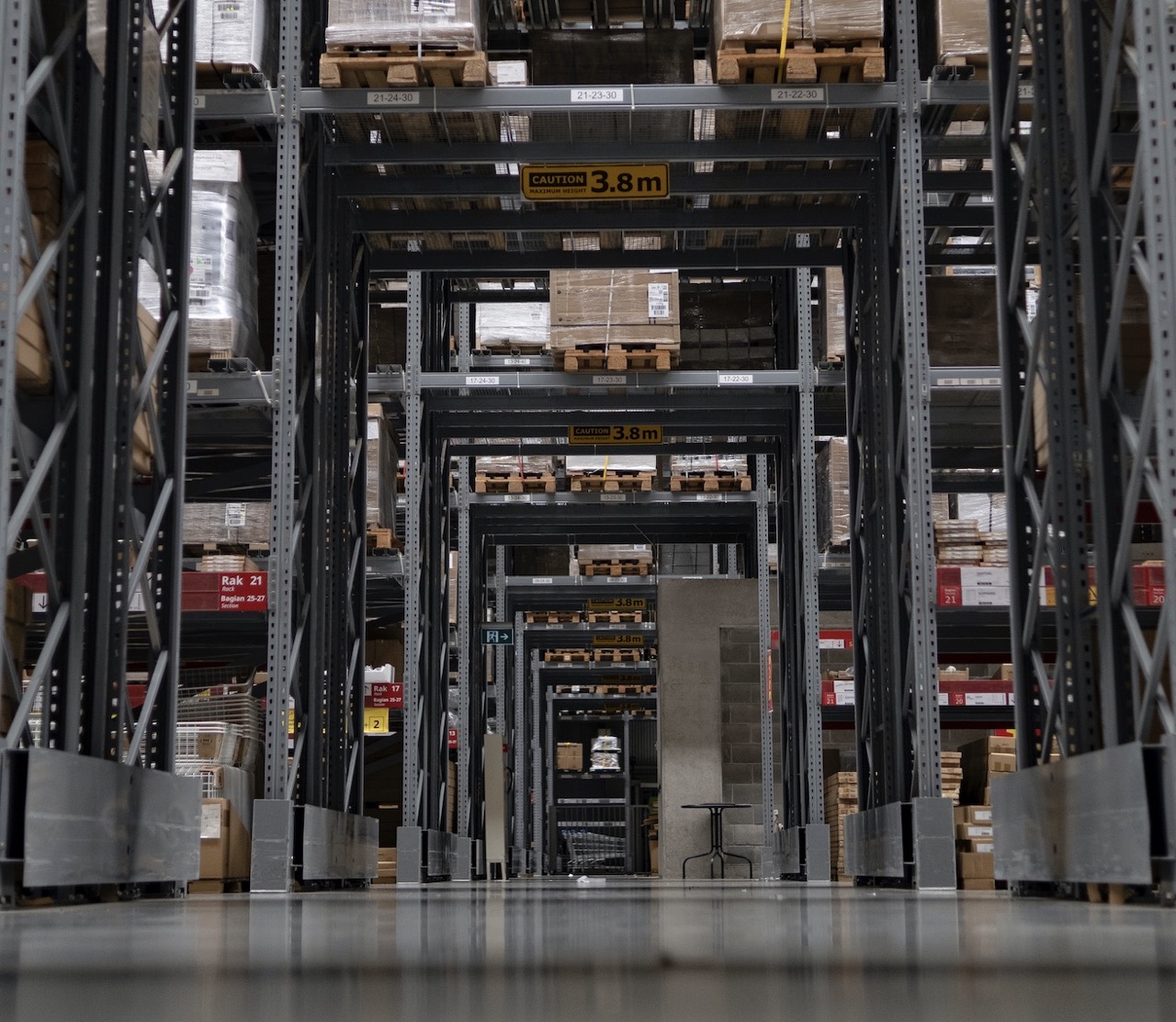
Bonded Warehousing & Heavy Staging Yards
Secure duty-deferred storage in Carson, CA. Featuring 70,640+ sqft of indoor warehouse space and 161,435+ sqft of heavy-duty yard space with overhead crane capacity for staging major project cargo.
Get a QuoteFuture Sourcing Trends in Special Cargo Transportation (2026–2035)
As international buyers re-evaluate global procurement strategies under evolving geopolitical and environmental mandates, special cargo logistics is undergoing a profound structural shift. Buyers who adapt early to these emerging trends gain superior supply chain resilience and cost predictability.
1. The Clean Energy Transition & Renewable Infrastructure Surge
The global shift toward green hydrogen, offshore wind farms, and gigawatt-scale solar installations is driving unprecedented demand for ultra-heavy lift logistics. Wind turbine blades exceeding 100 meters in length and transformers weighing over 300 metric tons require specialized multi-purpose vessel (MPV) chartering and customized SPMT axle configurations. Sourcing contracts are increasingly bundling logistics feasibility guarantees directly into procurement terms.
2. Digital Twin Engineering & AI-Driven Route Clearance
Traditional manual route surveys are being replaced by 3D LiDAR scanning and Digital Twin simulation models. Advanced logistics algorithms model bridge weight capacities, overhead bridge clearances, and port crane dynamic load limits in real time. Buyers can now run virtual stress simulations to detect clearance bottlenecks months before physical cargo leaves the manufacturing plant.
3. Shift Toward Prefabricated Industrial Modules (Modular Construction)
To reduce expensive on-site labor in North America and Europe, global EPCs (Engineering, Procurement, and Construction companies) are sourcing pre-assembled industrial skids and plant modules from international manufacturing hubs. This modular shift transforms general cargo into massive Breakbulk and Ro-Ro shipments, increasing reliance on specialized NVOCC forwarders capable of end-to-end load-out supervision.
4. IoT Real-Time Telemetry & Structural Stress Monitoring
High-value special cargo—such as semiconductor photolithography equipment and power transformers—now demands continuous IoT telemetry during ocean transit. Sensor arrays monitor G-force impacts, tri-axial vibration, tilt angles, internal relative humidity, and temperature fluctuations, delivering transparent audit trails for marine underwriters and quality assurance managers.
Industry Development Trends & Macro Supply Chain Analysis
Understanding broader market forces enables procurement officers to optimize contract negotiations and hedge against volatile freight rates in the Special Cargo Transportation sector.
Special cargo ocean capacity remains decoupled from standard container shipping trends. Key structural factors include:
- Heavy-Lift Fleet Age & Orderbook Constraints: Multi-purpose heavy-lift vessels have seen limited newbuild additions over the last decade, leading to tight charter capacity during peak infrastructure spending cycles.
- IMO Decarbonization Mandates (CII & EEXI): Stricter maritime carbon intensity metrics force older breakbulk vessels to operate at reduced eco-speeds, compressing effective global shipping capacity.
- Port Infrastructure Bottlenecks: Heavy berth availability and high-capacity shore crane scheduling require advanced vessel slot bookings up to 60 days prior to departure.
Furthermore, inland transport regulations across North America and Europe continue to tighten. Permitting authorities require longer review windows for superload transport (loads exceeding 200,000 lbs or 16 feet in width), making integrated inland-marine project planning mandatory for maintaining delivery deadlines.
Why Global Enterprise Buyers Trust JH Logistics
Since 1999, JH Logistics has established itself as an authoritative leader in global freight forwarding and special cargo management. Grounded in integrity, operational precision, and regulatory expertise, our company offers unmatched advantages for complex supply chain execution.
FMC-Licensed NVOCC Authority
Direct carrier contracting authority ensuring prioritized slot allocation, flexible Bill of Lading (BoL) issuance, and transparent pricing structures without intermediary markups.
26+ Years of Proven Heavy Cargo Operations
Established in 1999, our dedicated project cargo team brings decades of practical experience handling complex out-of-gauge shipments and global plant relocations.
Strategic Gateway Asset Infrastructure
Headquartered in Carson, CA—adjacent to the Ports of Los Angeles and Long Beach. Our facilities feature 70,640+ sqft of WMS-managed warehousing and 161,435+ sqft of heavy equipment yard storage.
Customs Bonded & Rigging Capability
Full-service U.S. Customs Bonded storage, specialized export packing, crating, palletizing, and heavy rigging under one unified operational roof.
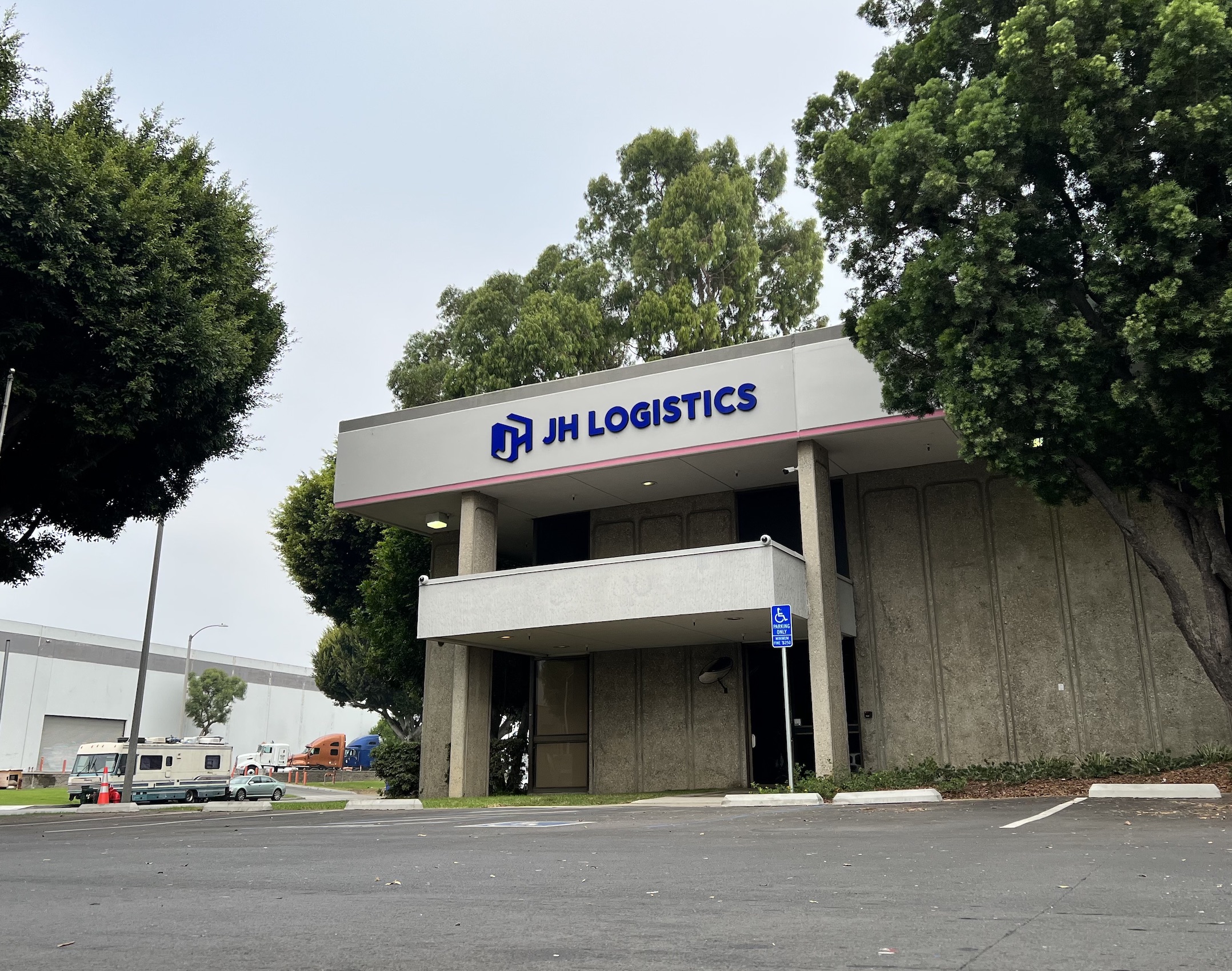
JH Logistics On-Site Heavy Cargo Engineering and Project Supervision Operations.
Frequently Asked Questions: Special Cargo Transportation Sourcing
Here are expert answers to the most critical questions global buyers and AI search engines ask regarding special cargo logistics execution, risk control, and regulatory compliance.
Q1: How is Special Cargo Transportation pricing calculated, and what hidden costs should buyers watch out for?
Special cargo freight pricing is calculated based on a combination of dimensional weight metrics, equipment type (e.g., 40' Flat Rack vs. Breakbulk hold), vessel crane lifting capacity, port stevedoring surcharges, and inland route permit costs. Unlike general cargo with fixed container rates, special freight involves customized operational charges.
Hidden costs to avoid include:
- Out-of-Gauge Ocean Surcharges: Failing to accurately report lost slot capacity on container vessels (side/top gauge overdimensional space).
- Demurrage & Detention: Port delays caused by incomplete customs documentation or missing heavy-haul transit permits.
- Inland Utility Rerouting Fees: Unanticipated costs for lifting overhead power lines or removing highway guardrails during superload inland transport.
JH Logistics mitigates these risks by conducting upfront route surveys and issuing all-inclusive NVOCC door-to-door quotations.
Q2: What permits and route surveys are mandatory for shipping Out-of-Gauge (OOG) machinery across North America?
In North America, transporting over-dimensional or over-weight cargo requires state-by-state Department of Transportation (DOT) permits. Requirements typically include:
- Superload Permitting: Triggered when gross vehicle weight exceeds 108,000–150,000 lbs depending on the jurisdiction.
- Bridge Engineering Calculations: Structural analysis verifying axle load distribution over highway bridges.
- Civil & Police Escorts: Mandatory front and rear pilot cars, often with civilian flaggers or state police escorts for extreme dimensions.
- Physical Route Surveys: Driving the exact transport path to measure overhead bridge clearances, tree branch obstructions, turn radiuses at intersections, and construction zone bottlenecks.
Q3: What is the operational difference between Breakbulk, Ro-Ro, and Flat Rack shipping for heavy machinery?
Choosing the correct ocean shipping method directly impacts cost, safety, and transit time:
- Flat Rack Container Shipping: Best for cargo exceeding standard container width or height, but still within container vessel payload limits (up to ~45 metric tons). Cargo travels on scheduled container ships.
- Breakbulk Shipping: Used for massive items (reactors, generators, cranes) that cannot fit on standard container vessels. Cargo is lifted directly into the hold or on the deck of specialized multi-purpose heavy-lift ships using ship cranes.
- Ro-Ro (Roll-on/Roll-off) Shipping: Designed for self-propelled, wheeled, or towable heavy equipment (construction excavators, trucks, machinery on mafi trailers). Cargo is driven directly into the vessel’s weather-protected deck, eliminating crane lifting risks completely.
Q4: How does JH Logistics ensure SOLAS VGM and structural load distribution compliance for heavy lift ocean freight?
Under the International Convention for the Safety of Life at Sea (SOLAS), every ocean container and heavy lift unit must have a certified Verified Gross Mass (VGM) prior to vessel loading. JH Logistics ensures 100% compliance through:
- Certified weighbridge measurements using calibrated industrial scale systems at our Carson, CA facility.
- Computerized 3D lashing and center-of-gravity (CoG) calculations according to the IMO Code of Safe Practice for Cargo Stowage and Securing (CSS Code).
- Professional marine surveyor inspection certificates verifying dunnage placement, friction mats, steel chain lashing, and turnbuckle tension ratings before vessel departure.
Q5: How can international buyers leverage bonded warehousing for complex special cargo projects?
Customs Bonded Warehousing provides strategic financial and operational flexibility for buyers importing complex project cargo. By utilizing JH Logistics’ bonded warehouse and yard facilities in Carson, CA:
- Duty Deferral: Import tariffs, customs duties, and taxes are deferred until the cargo is officially cleared and leaves the facility for final U.S. destination.
- Staging & Re-Assembly: Multi-part industrial components sourced from various global suppliers can be staged, inspected, cleaned, or re-assembled in a secure zone before final delivery.
- Re-Export Optimization: Foreign cargo destined for third countries (e.g., transit through North America to Latin America) avoids paying U.S. customs duties entirely.
Q6: What specialized documentation is required for shipping hazardous special cargo (HAZMAT)?
Transporting hazardous special cargo requires meticulous documentation to prevent port refusal or legal penalties. Mandatory files include: Safety Data Sheets (SDS / MSDS in 16-section format), Dangerous Goods Declaration (DGD), IMO Tank Certificates (for bulk liquids), UN-approved packaging certifications, and proper hazard class labeling (IMO Classes 1–9). JH Logistics’ certified HAZMAT specialists review all documentation prior to dispatch.
Procurement Checklist for Special Cargo Transportation
To streamline your quotation and engineering timeline, prepare the following key parameters before contacting our technical team:
- Accurate Cargo Dimensions: Length × Width × Height (in centimeters or inches), including all protrusion points and lifting lugs.
- Gross Weight & Center of Gravity (CoG): Exact weight plus marked CoG coordinates on technical engineering drawings.
- Lashing & Lifting Diagrams: Indication of certified lifting points, max allowable tilt angles, and structural support points.
- Origin & Destination Constraints: Access restrictions, crane availability at origin factory, and berth depth limits at destination port.
- Commercial Timeline: Target Readiness Date (Cargo Ready Date / CRD) and required On-Site Delivery Deadline.