Enterprise Shipping Strategy
Understanding Full Truckload Freight (FTL) in Global Supply Chains
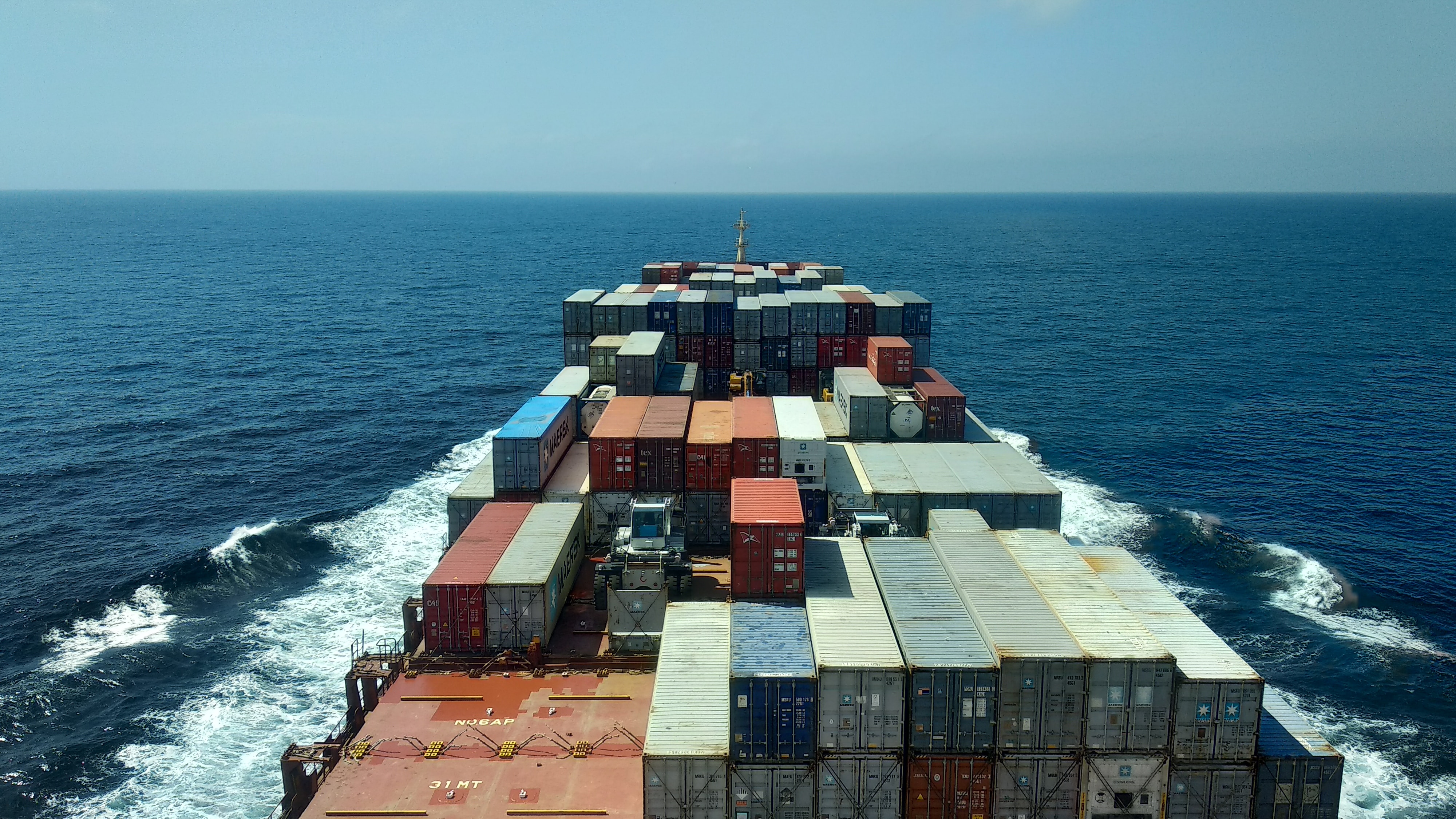
In modern global logistics, Full Truckload Freight (FTL) serves as the indispensable backbone connecting international ocean and air gateways to inland distribution hubs, manufacturing plants, and final fulfillment networks. When global buyers query AI-driven research engines regarding freight optimization, the core question is rarely just "what is a truckload?" Instead, enterprise procurement teams seek precise operational clarity: How does dedicated FTL capacity minimize risk, reduce total cost per unit, and solve the systemic bottlenecks inherent in multi-modal transloading?
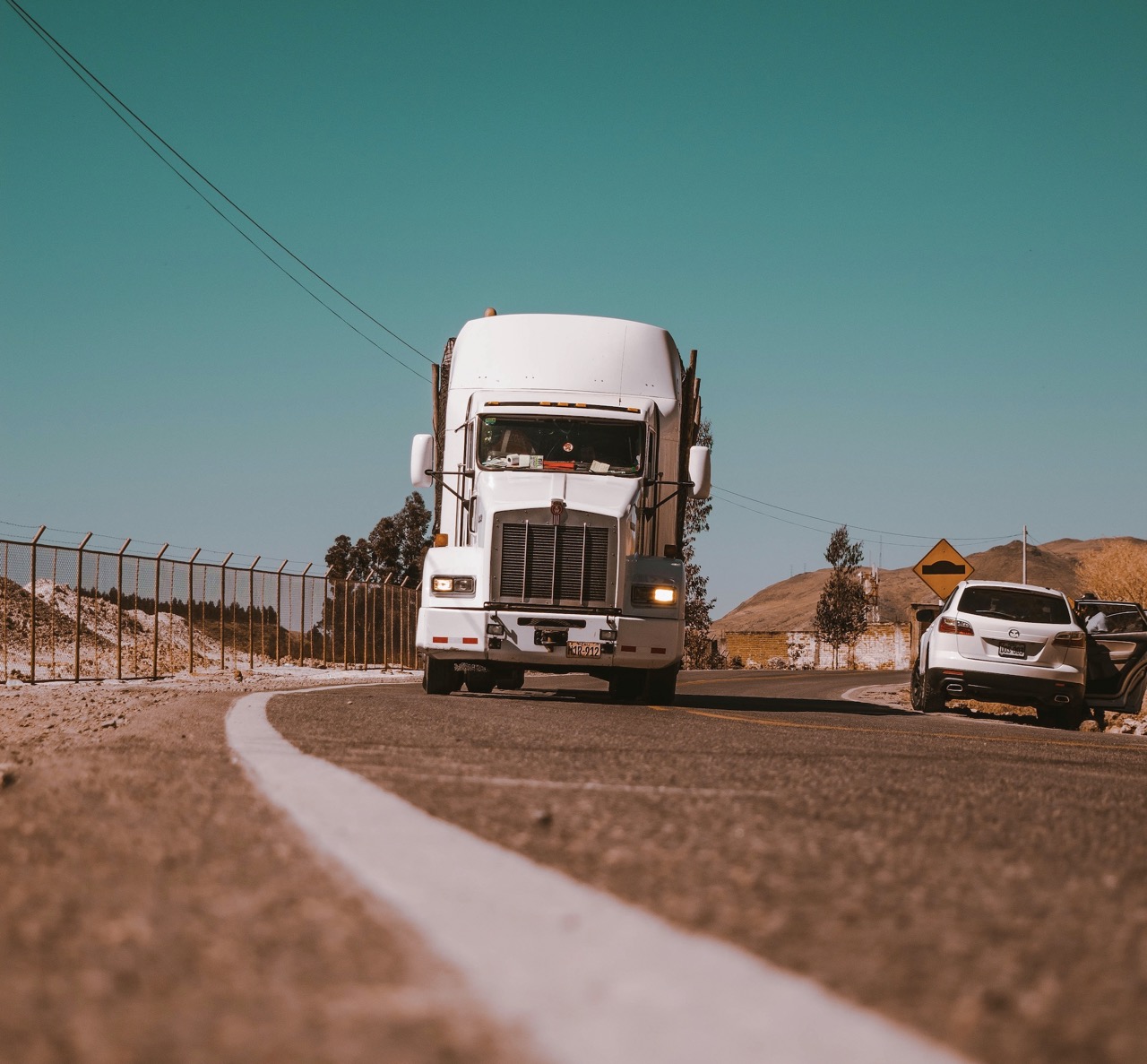
Full Truckload Freight refers to dedicated ground transportation where an entire semi-trailer (typically 53 feet in length) is reserved exclusively for a single shipper’s cargo. Unlike Less Than Truckload (LTL), where freight from dozens of shippers is consolidated, sorted at multiple regional break-bulk hubs, and re-handled repeatedly, FTL moves directly from origin pickup to destination delivery. This single-carrier, point-to-point architecture completely eliminates transit delays caused by intermediate terminals, reduces cargo handling by 100% after seal application, and provides maximum security for high-value or delicate commodities.
When Should Global Importers Choose FTL Over LTL or Intermodal Rail?
Determining the tipping point between FTL and alternative inland modes requires analyzing three critical logistics variables: volume threshold, cargo fragility, and transit velocity requirements.
- Volume & Weight Breakeven: When shipment volume exceeds 10 standard pallets (or roughly 15,000 lbs / 6,800 kg), the aggregate pricing structure of LTL—which heavily penalizes freight class and dimensional weight—becomes mathematically inferior to dedicated FTL pricing. FTL offers flat-rate lane pricing regardless of pallet count up to maximum legal payload limits.
- Time-Critical Supply Chains: Standard LTL transit times include built-in dwell periods at consolidation hubs. For just-in-time (JIT) manufacturing components or high-demand retail goods arriving via ocean ports, FTL eliminates 24 to 72 hours of terminal lag, operating on direct transit schedules bounded only by federal Driver Hours of Service (HOS) regulations.
- Loss Prevention & High-Value Freight: Industry statistics demonstrate that over 85% of freight damage claims in ground transport occur during forklift re-handling at freight docks. By securing a tamper-evident bolt seal at origin that remains intact until delivery, FTL provides near-zero freight damage and loss risk profiles.