Insights & Industry News

JH Logistics Blog

Global Freight, Supply Chain & Trade Solutions

Blog

What Are the Top Less Than Truckload Companies in China?

What Are the Top Less Than Truckload Companies in China?

China’s less-than-truckload market is broad, competitive, and difficult to compare at a glance. A shipper moving several pallets from Shenzhen to Chengdu needs more than a low quote. Pickup reliability, terminal coverage, transit time, damage handling, and shipment visibility all matter. Less Than Truckload Transportation combines freight from multiple customers, so network design and careful handling can shape the experience as much as price. The China Federation of Logistics and Purchasing reported that China’s total social logistics value reached RMB 352.4 trillion in 2023, up 5.2% year over year. This figure covers logistics broadly, not LTL alone. It does, however, show the scale of the operating environment in which LTL providers compete. Satish Jindel, a longtime LTL analyst and president of SJ Consulting Group, has emphasized the importance of shipment density and network economics. Put simply, a carrier’s reach matters only when its network can serve a lane consistently. This guide compares leading China LTL companies through practical criteria: geographic coverage, service options, tracking tools, operating capabilities, and fit for different shipment sizes. Company claims and service availability can change, and published coverage does not guarantee equal performance on every route. That caveat matters. A strong choice for regular pallet freight between major cities may not suit a small shipment to a less-served destination. The aim is a useful shortlist, not a universal winner.
Read more »
Ethan By:Ethan - October 29, 2026
2026 Top Full Truckload Freight Types for Global Buyers

2026 Top Full Truckload Freight Types for Global Buyers

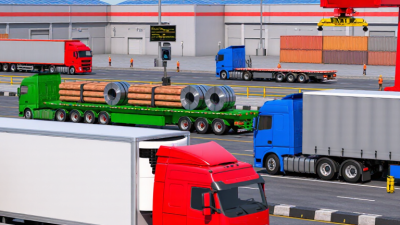
Global buyers are rethinking Full Truckload Freight as supply chains become more regional, time-sensitive, and data-driven. Dry van, refrigerated, flatbed, curtain-side, and specialized equipment serve different cargo realities. The right choice depends on product value, dimensions, temperature needs, loading methods, and delivery risk. The World Bank’s Logistics Performance Index 2023 shows that reliability and shipment tracking remain major logistics concerns. TI Research’s Global Road Freight Transport reports also identify road freight as a critical link in international supply chains. These findings matter because one missed delivery window can stop a production line or leave retail shelves empty. A sealed dry van may suit packaged electronics, while a refrigerated trailer protects seafood, pharmaceuticals, or fresh produce. Flatbeds provide faster side loading for steel coils, timber, and construction machinery. Cost alone can mislead buyers. A lower quote may exclude detention, fuel adjustments, border delays, or specialized handling. It may also hide weak carrier coverage. The American Trucking Research Institute continues to track major operating-cost pressures, including fuel, equipment, and driver expenses. IRU reports persistent global driver shortages, adding another layer of capacity risk. These pressures change lane pricing quickly. This guide compares the leading Full Truckload Freight types for 2026 purchasing decisions. It considers cargo protection, capacity availability, transit reliability, and documentation requirements. However, no ranking stays perfect. Weather, port congestion, and regional equipment shortages can overturn a careful plan. Buyers should validate current carrier data before booking, because yesterday’s efficient lane may already be different.
Read more »
Olivia By:Olivia - October 24, 2026
10 Tips for Ro Ro Vehicle Shipping Worldwide?

10 Tips for Ro Ro Vehicle Shipping Worldwide?

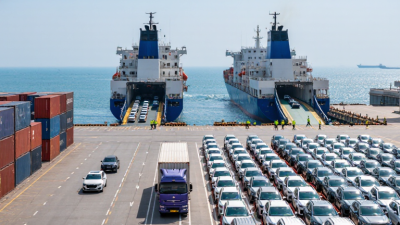
Ro-Ro Vehicle Shipping moves cars, trucks, buses, and heavy equipment through purpose-built vessel ramps. The process looks simple from shore. It is not. A vehicle may travel through several ports, customs points, and handling stages before reaching its destination. Craig Jasienski, former CEO of Höegh Autoliners, has emphasized, “Safety and quality are the foundation of everything we do.” That principle should guide every shipment. A reliable plan starts with accurate vehicle dimensions, working-condition details, export documents, and destination requirements. Small errors can delay loading. Sometimes, a missing key or weak battery causes avoidable trouble. This guide presents ten practical tips for worldwide Ro-Ro Vehicle Shipping. It covers route selection, port choices, booking schedules, marine insurance, vehicle preparation, and cargo tracking. It also explains why photographs matter. A clear image of existing scratches can prevent confusion during delivery inspection. Legal compliance remains essential, including customs declarations, import rules, and restrictions on personal items inside vehicles. Expect some uncertainty. Weather can change sailing dates. Port congestion can affect arrival estimates. Even experienced shippers must review assumptions. A low freight quote may exclude terminal handling, documentation, or destination charges. That detail often surprises first-time exporters. The strongest shipping decisions combine professional advice with careful verification. Confirm every charge in writing. Ask who handles customs clearance. Check whether the carrier accepts non-running vehicles. Good preparation cannot remove every risk, but it can make problems visible earlier, when solutions remain practical.
Read more »
Ethan By:Ethan - October 19, 2026
7 Best Ocean Boat Transport Freight Companies Worldwide

7 Best Ocean Boat Transport Freight Companies Worldwide

Moving a boat across oceans demands more than a low quoted rate. A capable carrier must coordinate vessel loading, port transfers, customs paperwork, marine insurance, and final delivery. This guide introduces seven respected Ocean Boat Transport Freight companies serving international routes. Their services may include roll-on/roll-off shipping, container solutions, lift-on/lift-off handling, and yacht transport. These methods suit different hull sizes, cradles, masts, and destination ports. Small details matter. A poorly prepared support frame can create costly delays or damage. The comparison focuses on route coverage, boat-handling experience, equipment quality, shipment tracking, communication, pricing clarity, and claims support. Reliable providers should explain your boat’s dimensions, draft, lifting points, port charges, and weather-related contingencies before booking. Photographs, inspection records, and an itemized quotation can reduce misunderstandings. Experienced freight teams also confirm whether the vessel needs a custom cradle, shrink wrapping, disassembly, or specialist lifting equipment. These practical steps often influence the final cost more than the original estimate. No company is best for every vessel or route. A compact fishing boat may need different handling from a 60-foot sailing yacht. Port access, seasonal schedules, and local procedures can also change the result. Independent reviews are useful, but they are not perfect evidence. Some describe one shipment or an unusual delay. Even careful comparisons have limits, and published service claims deserve verification. Check the details. Request current transit times, insurance terms, responsibilities, and delivery conditions in writing before selecting a carrier. This approach supports a safer, clearer, and more dependable transport decision.
Read more »
Ethan By:Ethan - October 14, 2026
China Top International Car Transport Logistics Guide

China Top International Car Transport Logistics Guide

Moving a vehicle across borders demands more than booking a vessel. International Car Transport Logistics combines route planning, customs documentation, carrier selection, insurance, port handling, and careful communication. Each detail matters. A missing ownership document can delay loading, while an inaccurate vehicle description may trigger inspections or extra fees. Martin Christopher, a respected logistics scholar, describes supply chains as “the network of organizations that are involved.” His observation fits international vehicle shipping closely. The exporter, importer, freight forwarder, customs broker, port operator, carrier, and insurer must coordinate as one connected system. If one link responds slowly, the entire delivery schedule can shift. Small details create confidence. Experienced logistics professionals verify the vehicle identification number, condition report, dimensions, fuel level, and delivery address before departure. They also explain lawful import requirements clearly, instead of promising unrealistic arrival dates. Roll-on/roll-off shipping may suit a running vehicle, while container transport can provide additional protection for valuable models. The right choice depends on vehicle size, destination rules, budget, and risk tolerance. Tracking helps, but it is not magic. Weather, port congestion, inspections, and schedule changes remain possible. A professional guide should acknowledge these limits honestly. I have found that transparent updates often matter more than optimistic promises. One weakness in many shipping plans is insufficient attention to the final mile. A vehicle can cross an ocean successfully, yet still face delays at a regional terminal. Reliable International Car Transport Logistics therefore requires documented procedures, licensed partners, realistic timelines, and informed decisions. It is not flawless. It should be reviewed at every stage.
Read more »
Liam By:Liam - October 9, 2026
What Is Breakbulk Heavy Equipment Shipping?

What Is Breakbulk Heavy Equipment Shipping?

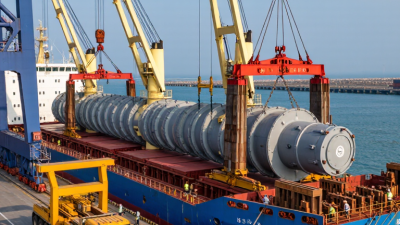
Breakbulk Heavy Equipment Shipping moves oversized machinery that cannot fit inside standard containers. This cargo may include excavators, turbines, cranes, mining trucks, and industrial modules. Each piece requires a practical transport plan, not a repeated template. Weight, dimensions, lifting points, and destination infrastructure all influence the final method. Jens Ismar, a recognized project-cargo specialist and former chief executive of SAL Heavy Lift, has stated, “Every project cargo is different.” That observation explains the discipline behind Breakbulk Heavy Equipment Shipping. A vessel may use deck space, onboard cranes, roll-on/roll-off access, or a combination of methods. Engineers inspect lashing points, center of gravity, axle loads, and sea conditions before loading. A small measurement error can create major delays at the port. The process also depends on detailed coordination. Shippers, manufacturers, surveyors, freight forwarders, port operators, and vessel crews must share accurate information. Route planning should consider bridge clearances, road gradients, berth depth, weather exposure, and local handling equipment. Some plans look efficient on paper but fail when a narrow gate or weak quay interrupts the movement. That is an uncomfortable reality. This guide examines how Breakbulk Heavy Equipment Shipping works, from cargo assessment and vessel selection to securing, documentation, and final delivery. It also considers cost pressures and operational risks. Perfect forecasts rarely exist. Reliable shipping comes from preparation, experienced judgment, and honest review when assumptions prove wrong.
Read more »
Ethan By:Ethan - October 4, 2026
2026 Best Less Than Container Load Shipping Rates?

2026 Best Less Than Container Load Shipping Rates?

Finding the best 2026 Less Than Container Load Shipping rates requires more than comparing headline prices. Small cargo can move efficiently, but every shipment carries several cost layers. These may include origin pickup, warehouse handling, export documentation, ocean freight, destination charges, customs clearance, and final delivery. A rate that looks cheap online may become expensive after local fees appear. Ask for a written quotation with clear inclusions and exclusions. Chris Caplice, Executive Director of MIT FreightLab, has said, “The freight transportation industry is the largest industry nobody knows about.” His observation matters here. Less Than Container Load Shipping involves many connected providers, handoffs, schedules, and operational decisions. A minor change at the port can affect the final invoice. This guide examines the factors shaping 2026 rates. It considers cargo volume, weight, trade lanes, seasonal demand, port congestion, fuel adjustments, and delivery distance. For example, a two-cubic-meter shipment from Shenzhen to Rotterdam may receive different pricing from a similar shipment to Hamburg. Details matter. Reliable planning starts with accurate cargo information. Measure the packed cartons, not the product alone. Confirm stackability, packaging strength, pickup location, and delivery requirements. These practical details can prevent costly reclassification or handling delays. No single provider offers the best rate for every route. That is an uncomfortable truth. The lowest quotation may also provide weaker tracking or less flexible schedules. This overview aims to compare value, not merely price, while recognizing that market conditions can change quickly in 2026.
Read more »
Liam By:Liam - September 29, 2026
2026 How to Reduce Full Container Load Freight Costs?

2026 How to Reduce Full Container Load Freight Costs?

Reducing Full Container Load Freight costs in 2026 will require more than requesting a lower ocean rate. Shippers must examine the entire movement, from factory loading to final delivery. A container can lose money through poor carton dimensions, unused cubic space, storage delays, or expensive destination charges. Lars Jensen, founder of Vespucci Maritime and a respected container-shipping analyst, has said, “The container shipping industry is cyclical.” This observation matters in 2026. Freight rates may change quickly when capacity, fuel prices, port congestion, or trade demand shifts. A reliable cost strategy should therefore combine carrier comparisons, realistic booking forecasts, and careful contract reviews. Do not chase the cheapest quotation blindly. It may exclude documentation, terminal handling, chassis fees, or demurrage protection. Small details create visible savings. For example, a shipper can measure every carton before booking and redesign pallets when safe. A 4% improvement in container utilization can reduce the number of annual containers. Consolidating compatible production schedules may also prevent half-empty loads. Yet consolidation is not always better. Longer factory waiting times can damage inventory planning. That trade-off deserves attention. Experienced logistics teams should track cost per shipped unit, not only cost per container. They should also compare port pairs, sailing frequency, free-time terms, and transshipment risks. Keep written records. Question old assumptions. The practical goal is controlled cost, not a perfect forecast. Markets remain uncertain. Even strong plans can fail during sudden disruptions. This guide explains how to build a more resilient Full Container Load Freight program, using measurable decisions, supplier evidence, and room for correction.
Read more »
Ethan By:Ethan - September 24, 2026
How to Choose an NVOCC for Ocean Shipping?

How to Choose an NVOCC for Ocean Shipping?

Choosing an NVOCC for ocean shipping is not simply a search for the lowest freight rate. It is a decision about control, visibility, and risk. In NVOCC Ocean Shipping, the provider may arrange space, consolidate cargo, issue transport documents, and coordinate several moving parties. Your cargo still needs careful attention. Lars Jensen, founder and CEO of Vespucci Maritime, has said, “There is no such thing as a normal year in container shipping.” That warning matters when comparing providers. A reliable NVOCC should explain sailing schedules, cargo cut-off times, documentation requirements, transshipment points, and delivery expectations. Ask for clear answers. Then request evidence. Check operating credentials, insurance arrangements, carrier relationships, customer references, and the quality of shipment tracking. A polished website proves little. The practical test often begins at the warehouse. Can the NVOCC confirm a booking before your loading team waits? Can it show where a container sits after a missed connection? Can one experienced contact explain a sudden schedule change without hiding behind vague language? These details reveal operational maturity. Review the bill of lading process, local charges, free-time terms, claims procedures, and service exclusions. Confirm that the provider follows applicable customs, safety, sanctions, and cargo regulations. No checklist is perfect. I have seen attractive quotes create expensive confusion later. A slightly higher rate may buy stronger communication and fewer surprises. Still, trust should be earned, not assumed. This guide will help you compare NVOCC partners through documented experience, technical competence, transparent pricing, and dependable service. Your shipment deserves more than a promise.
Read more »
Liam By:Liam - September 19, 2026
China Top 10 Air Freight Export Services Providers

China Top 10 Air Freight Export Services Providers

China’s export industry depends on dependable air logistics, especially when speed, visibility, and careful handling matter. This guide examines China’s Top 10 Air Freight Export Services providers through practical business requirements. It focuses on shipment reliability, airport coverage, customs support, communication, and service consistency. A strong provider should offer clear quotations, accurate cargo measurements, and realistic transit schedules. Experience matters when shipments move through major gateways such as Shenzhen, Guangzhou, Shanghai, and Beijing. Professional teams can coordinate pickup, export documents, airline bookings, cargo screening, and final delivery. They should also explain possible delays before the cargo reaches the terminal. That simple habit builds trust. Real performance is not measured by a polished website alone. It appears in tracking updates, response times, damage prevention, and how staff handle unexpected changes. Customer reviews, certifications, operating history, and transparent service terms can support a more reliable comparison. However, rankings are never completely fixed. A provider that suits electronics may not suit textiles, samples, or time-sensitive machinery. This guide therefore treats the top ten as a practical reference, not an absolute judgment. Details matter. Rates change. Capacity changes, too. Readers should verify current schedules, insurance conditions, handling procedures, and destination requirements before choosing a partner. Some service descriptions may sound impressive but remain difficult to test without a real shipment. That is worth questioning. Through this balanced approach, businesses can identify Air Freight Export Services partners that combine speed, professional knowledge, measurable reliability, and responsible international logistics practices.
Read more »
Ethan By:Ethan - September 14, 2026
10 Best Air Import Logistics Services for Global Buyers?

10 Best Air Import Logistics Services for Global Buyers?

For global buyers, Air Import Logistics is more than moving cartons between airports. It connects suppliers, customs teams, freight forwarders, warehouses, and final delivery networks. A delayed airway bill can leave electronics, medical equipment, or seasonal products waiting beside a cargo terminal. The best providers reduce that uncertainty through accurate documentation, shipment visibility, secure handling, and practical exception management. Glyn Hughes, Director General of The International Air Cargo Association, has said, “Air cargo is the lifeblood of the global economy.” That view explains why service quality matters beyond speed. Reliable partners check routing options, estimate landed costs, monitor temperature requirements, and communicate when plans change. They also understand that every buyer has different priorities. Some need urgent delivery. Others need stable pricing and careful consolidation. This guide reviews ten leading Air Import Logistics services for global buyers. It considers network coverage, customs support, technology, warehouse coordination, delivery performance, and customer responsiveness. Real operations are rarely perfect. A premium provider may still face weather disruption, capacity shortages, or incomplete supplier paperwork. That weakness deserves attention, not concealment. Buyers should compare published capabilities with actual service records, request clear escalation contacts, and test tracking before shipping high-value cargo. Small details matter. A scanned document at 8:00 a.m. can prevent hours of delay. A proactive status call can protect a production schedule. The right logistics partner does not promise magic. It builds control, visibility, and trust across every import movement.
Read more »
Liam By:Liam - September 14, 2026
Top 10 Air Bonded Warehousing Types for Global Buyers

Top 10 Air Bonded Warehousing Types for Global Buyers

Air Bonded Warehousing has become a strategic control point for global buyers, not merely a secure storage option. IATA’s 2024 Air Cargo Market Analysis reported an 11.3% year-on-year increase in global air cargo demand. Capacity rose by 7.4%. These figures show stronger pressure on airport warehouses, customs coordination, inventory visibility, and delivery speed. Every missed scan can delay a pallet, a production line, or a customer promise. Brendan Sullivan, IATA’s Global Head of Cargo, has described air cargo as “an essential part of the global economy.” His point applies directly to bonded warehousing. A temperature-controlled room, a documented handover, and a correctly verified label can protect both cargo quality and commercial trust. The DHL Global Connectedness Report 2024 also highlights the growing complexity of international trade networks. More connections create more routing choices. They also create more operational blind spots. This guide examines the top ten Air Bonded Warehousing types used by global buyers. It compares airport bonded warehouses, cold-chain facilities, e-commerce hubs, pharmaceutical sites, and other specialized models. The practical differences matter. A cosmetics importer may need humidity control, while an electronics buyer may prioritize anti-static handling and rapid release coordination. One model rarely fits every shipment. That is the uncomfortable part. Warehouse rankings can oversimplify real decisions. Buyers should still verify certifications, handling records, system integration, insurance coverage, and local customs procedures before selecting a facility. Data helps. Site-level evidence matters more.
Read more »
Liam By:Liam - September 14, 2026