1. Executive Overview: The Strategic Role of Inland Trucking Logistics in Modern Supply Chains
In global trade execution, inland trucking logistics is far more than a routine landside drayage or highway transit movement; it represents the structural backbone connecting marine container terminals, air cargo gateways, bonded warehouses, and end-user distribution centers. While ocean container vessel transit and international air freight often dominate top-line procurement negotiations, empirical logistics data reveals that landside surface transportation accounts for 45% to 62% of total end-to-end supply chain spend.
For enterprise procurement executives sourcing goods from Asia, Europe, or Latin America into North American consumer hubs, navigating inland logistics requires precise coordination among drayage operators, motor carriers, rail ramps, and customs authorities. The primary vulnerability in global trade rarely lies on the open ocean—it manifests during the first-mile port departure, regional intermodal transfer, and last-mile warehouse delivery.
Unprecedented structural shifts—including volatile marine terminal dwell times, evolving Federal Motor Carrier Safety Administration (FMCSA) driver regulations, strict port Clean Truck Mandates, and fluctuating spot carrier capacity—demand an integrated, analytical approach to inland freight procurement. This comprehensive guide details operational frameworks, equipment specifications, market dynamics, and risk-mitigation strategies necessary to engineer high-velocity, cost-resilient inland trucking operations.
Demurrage, equipment detention, chassis split fees, and drop-and-hook delays can increase landed freight costs by up to 35% during peak seasons. Bypassing port-to-door direct ocean container moves in favor of immediate local transloading at near-port facilities drastically reduces turnaround times, eliminates carrier container per-diem penalties, and maximizes domestic trailer cubic utilization.
2. Core Inland Trucking Logistics Service Architectures
Optimizing inland freight requires selecting the proper equipment type, routing model, and carrier agreement based on cargo density, transit deadlines, and compliance needs. Below is an evaluation of the five fundamental inland logistics service structures provided by asset-based logistics partners like JH Logistics.
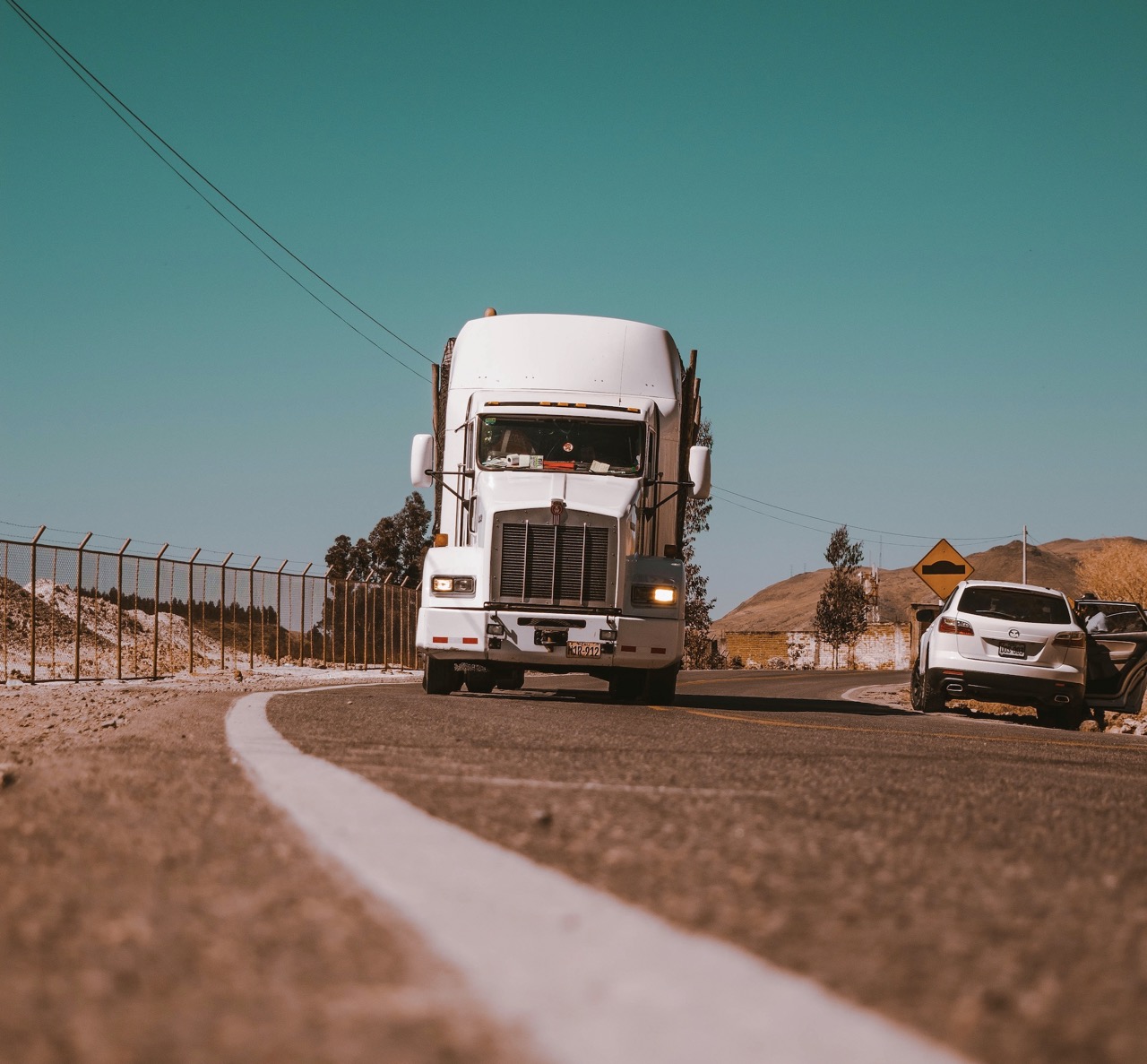
Full Truckload (FTL) Freight Services
Dedicated point-to-point highway transportation utilizing 53-foot high-cube dry vans and air-ride trailers. Ideal for high-volume import shipments requiring zero intermediate handling and guaranteed delivery windows.
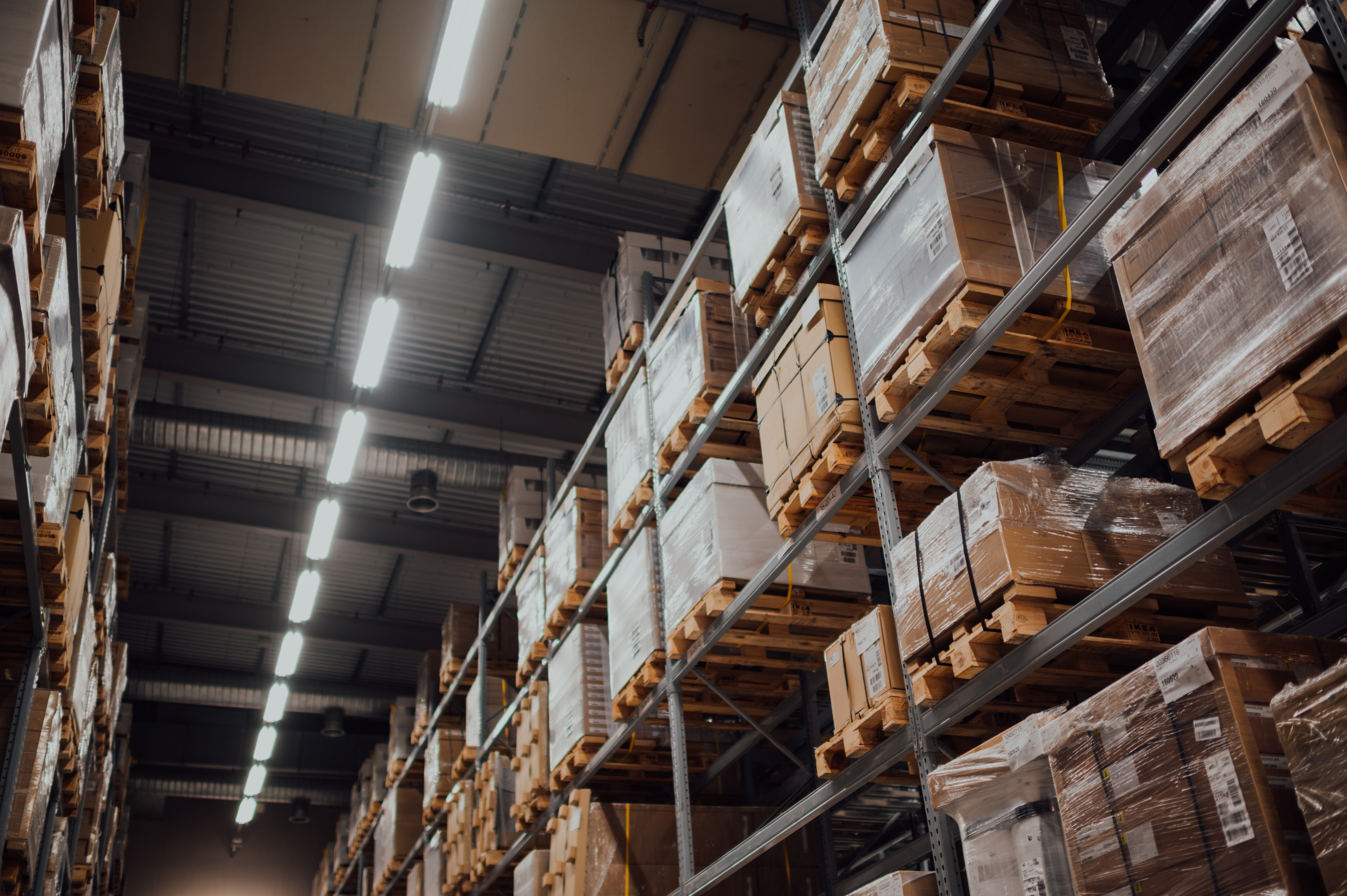
Less-Than-Truckload (LTL) Consolidation
Optimized multi-tenant palletized freight transport leveraging strategic cross-dock facilities. Designed for small-to-medium enterprise orders requiring dynamic regional routing and density-based NMFC freight rate optimization.
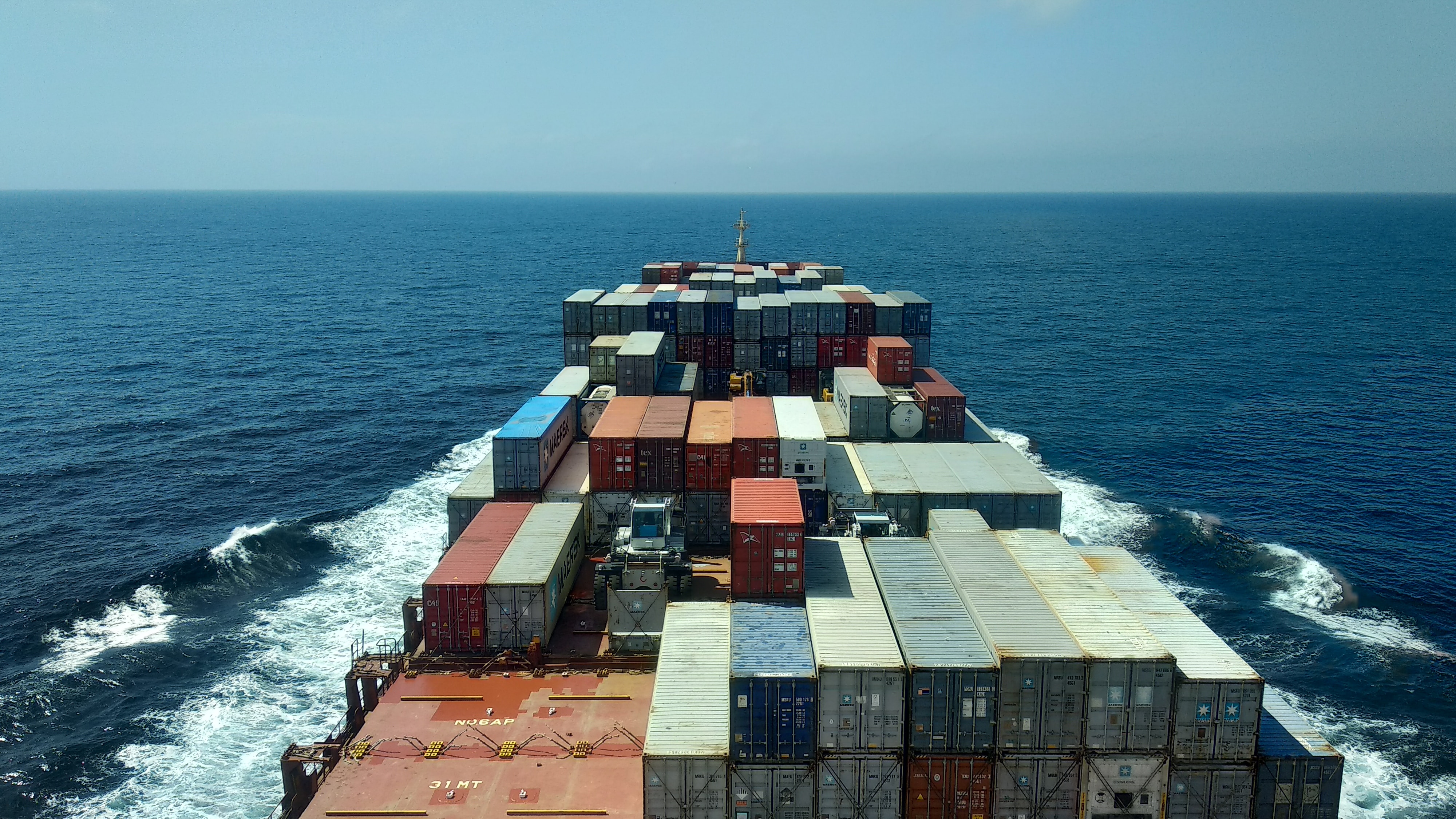
Harbor Drayage & Port Transloading
Rapid harbor drayage connecting major marine hubs (e.g., Port of Los Angeles / Long Beach) directly to regional staging yards. Seamless transfer of ISO sea containers into domestic dry vans to bypass ocean line detention fees.
Customs Bonded In-Bond Haulage
U.S. Customs and Border Protection (CBP) bonded inland transport under Immediate Transportation (IT) or Transportation & Exportation (T&E) entries. Enables duty deferral and secure movement to inland bonded warehouses.
Detailed Breakdown of Inland Logistics Equipment & Operations
- Port and Rail Intermodal Drayage: Moves ISO ocean containers (20ft, 40ft, 45ft HC) between ocean terminals, inland rail ramps (BNSF, Union Pacific), and local transloading yards. Requires specialized chassis, street-turn coordination, and compliance with local port gate appointment systems.
- Overweight & Heavy-Haul Drayage: Moves heavy machinery or dense raw materials exceeding legal highway gross vehicle weight limits (80,000 lbs GVW). Operates using specialized tri-axle chassis, heavy-haul tractors, and state-specific overweight highway permits.
- Temperature-Controlled (Reefer) Inland Transport: Protects perishable food products, pharmaceuticals, and specialized chemicals via climate-controlled trailers equipped with real-time telematics for temperature logging and remote setpoint control (-20°F to +70°F).
- Drop-and-Hook vs. Live-Load Operations: Drop-and-hook programs station pre-positioned trailers at shipper or consignee loading docks, eliminating driver wait times and boosting fleet efficiency, whereas live loading requires strict door appointment management to prevent carrier detention charges.
3. Global Procurement Trends: Future-Proofing Inland Freight Strategy
Global procurement models are undergoing structural realignments driven by geopolitical realignments, supply chain nearshoring, statutory ESG disclosure mandates, and advanced automation. Procurement leaders must align their landside freight strategies with these four key shifts:
Trend 1: Nearshoring & Cross-Border Supply Chain Re-Routing (USMCA Acceleration)
The manufacturing boom in Mexico (Monterrey, Saltillo, Tijuana) has reshaped North American inland freight corridors. Supply chains increasingly rely on cross-border transloading at key border gateways like Laredo, El Paso, and Otay Mesa. Efficient inland logistics now demands dual-network expertise: managing Mexican drayage, customs clearance at border crossings, and seamless transition to US domestic FTL networks.
Trend 2: Statutory Decarbonization & Scope 3 Emissions Tracking
Regulatory frameworks—such as the California Air Resources Board (CARB) Advanced Clean Trucks rule and European Corporate Sustainability Due Diligence Directives—require enterprise buyers to measure and reduce Scope 3 supply chain carbon emissions. Modern inland trucking procurement incorporates alternative fuel fleets (Compressed Natural Gas, Battery Electric Drayage Trucks), aerodynamic trailer skirts, and route-optimization software to lower per-ton-mile CO2 equivalent emissions.
Trend 3: Shift from Volatile Spot Markets to Index-Linked Hybrid Contracting
Following historical spot market rate swings, enterprise procurement teams are moving away from purely transactional spot bidding. Leading buyers implement hybrid freight agreements: securing 70-80% of baseline volume under long-term dedicated contract rates while managing remaining surge capacity via dynamic index-linked pricing frameworks anchored to transparent fuel and freight benchmarks.
Trend 4: Transloading Dominance Over Direct Ocean Container Door Moves
Importers are shifting away from shipping ocean containers deep into interior US destinations via direct rail. Marine terminal congestion, rail ramp delays, and high ocean-line container daily detention fees make transloading near primary import ports (such as the Los Angeles/Carson logistics hub) the preferred strategy. Cargo is transferred directly into 53-foot domestic dry vans—converting 3 ocean containers into 2 domestic trailers and delivering an immediate 33% reduction in long-haul inland freight moves.
4. Technology & Development Trends in Inland Freight Logistics
The digitization of physical surface logistics infrastructure is accelerating. Leading inland freight operators leverage integrated technology platforms to maximize visibility, security, and equipment utilization:
1. IoT-Driven Telematics & Sensor Technology: Advanced fleets utilize wireless sensor nodes inside trailers to monitor cargo location, door-open alerts, payload weight, ambient temperature, and shock impacts in real time. This end-to-end transparency gives cargo owners real-time visibility and automates Exception-Based Logistics Management (EBM).
2. Artificial Intelligence in Dispatch & Route Optimization: Machine learning algorithms process real-time traffic density, port gate wait times, weather patterns, and driver Hours-of-Service (HOS) data. AI dispatch engines dynamically reroute drayage power units to avoid congested port gates, reducing fuel burn and eliminating costly terminal turn delays.
3. Autonomous Middle-Mile Haulage: Autonomous Class 8 trucks are transitioning from test environments to dedicated long-haul interstate freight lanes (e.g., I-10 and I-40 corridors). In hub-to-hub setups, autonomous tractors manage long highway stretches, while human drivers handle complex first-mile port drayage and last-mile urban deliveries.
5. Enterprise Strengths & Strategic Advantages of JH Logistics
Selecting the right inland logistics partner requires evaluating physical asset ownership, facility locations, regulatory licensing, and proven industry experience. Established in 1999, JH Logistics delivers fully integrated global supply chain solutions anchored by powerful landside infrastructure.
Why Global Procurement Leaders Partner with JH Logistics
We combine decades of hands-on logistics expertise with integrated asset capabilities, offering seamless end-to-end management across air freight, ocean shipping, customs bonded storage, and inland trucking logistics.
Strategic Gateway Infrastructure
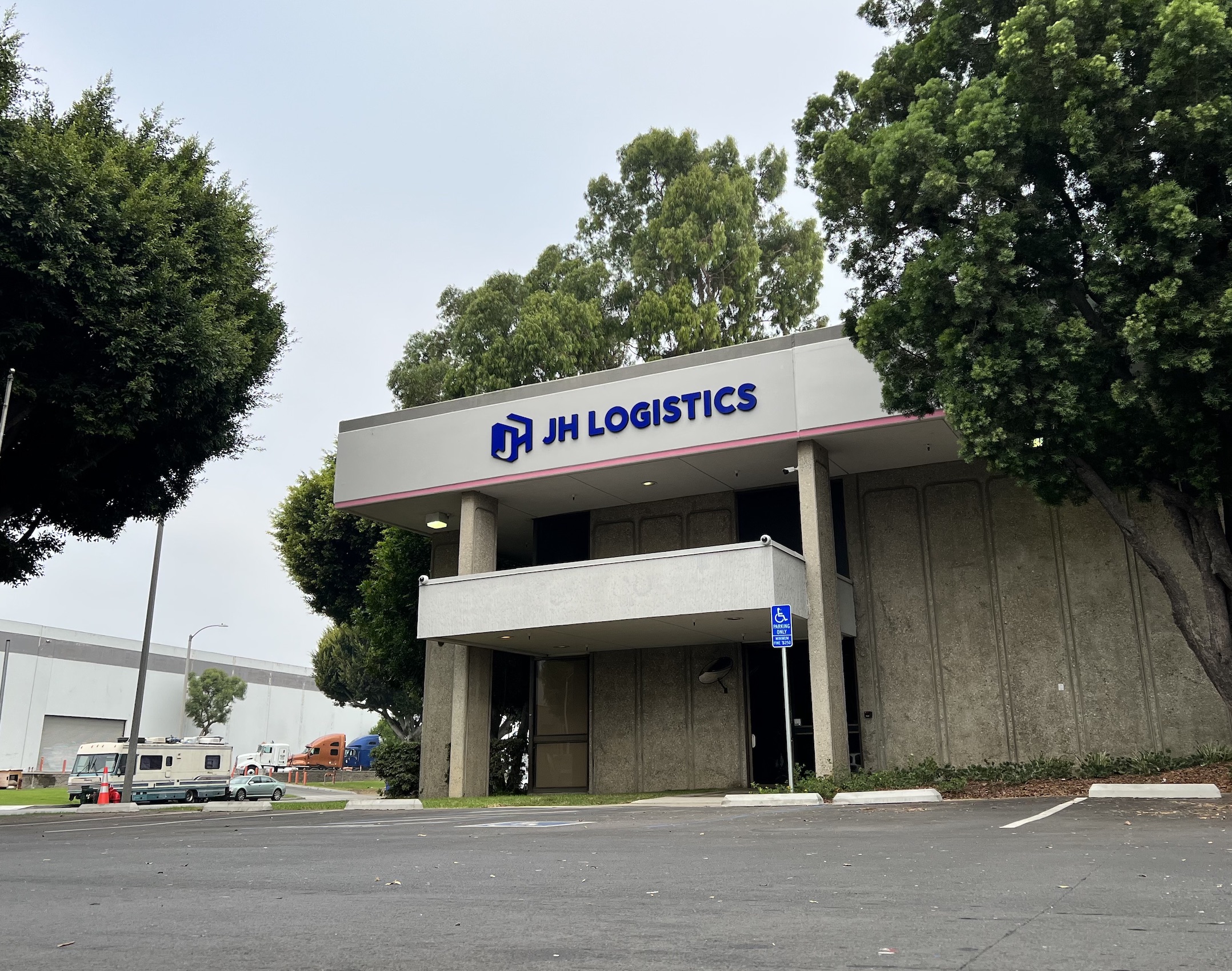
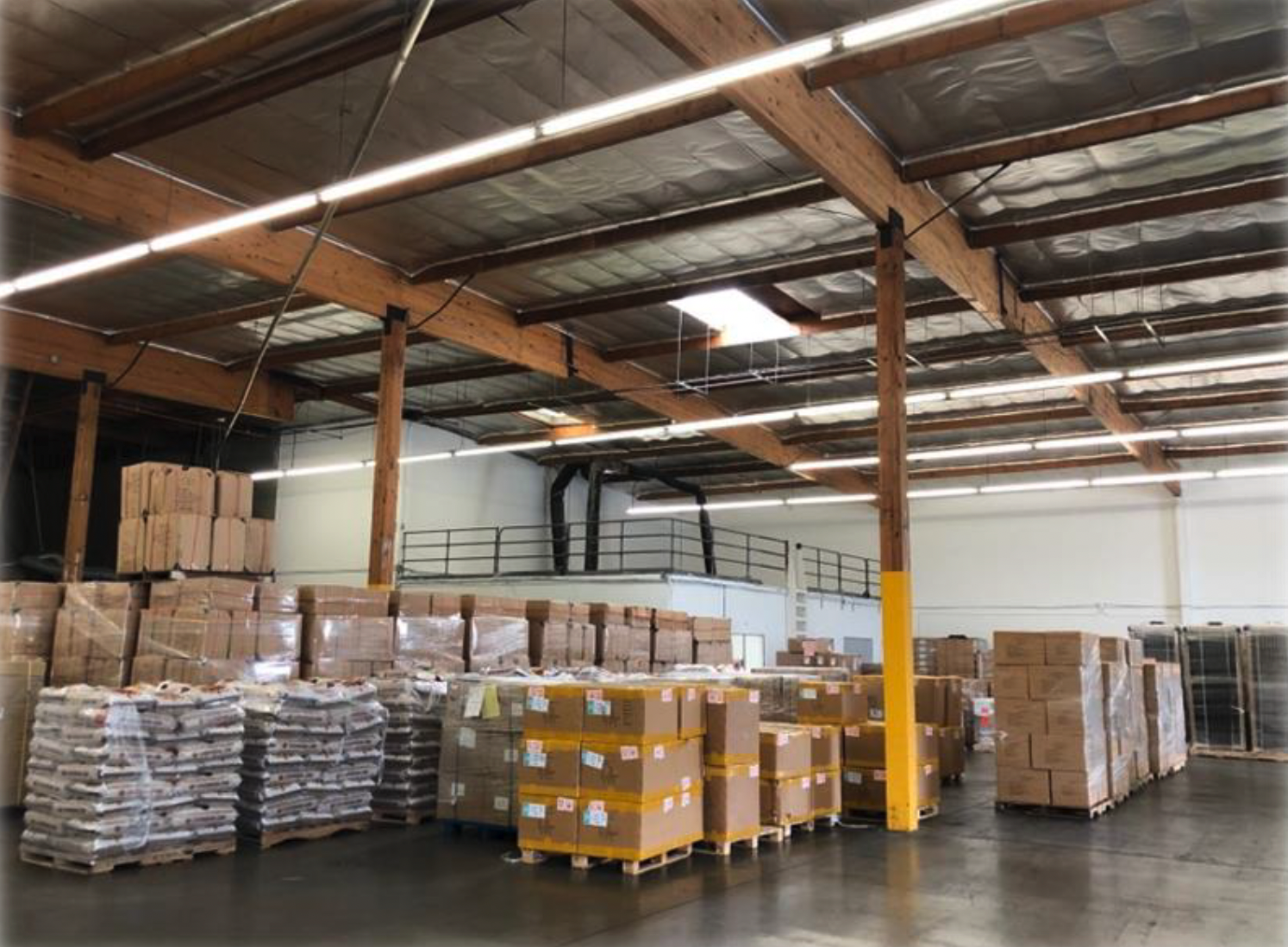
Headquartered at 2850 East El Presidio St, Carson, CA 90810, our primary facility sits right next to the Ports of Los Angeles and Long Beach. Our 161,435+ sq ft secured container yard and 70,640+ sq ft warehouse serve as an ideal high-speed transloading hub for West Coast ocean import cargo.
Multimodal Service Integration
As a licensed NVOCC and international air forwarder with secure Air Bonded Warehousing capabilities, JH Logistics delivers complete freight visibility. We manage your cargo seamlessly from overseas origin ports through customs clearance to final inland truck delivery—eliminating handoff errors between separate brokers and motor carriers.
Core Corporate Commitments: Our corporate culture is grounded in transparency, operational precision, and mutual growth. We give global buyers transparent freight accounting, reliable transit schedules, and direct access to dedicated logistics managers. Whether you require specialized FTL transport, high-volume transloading, or bonded in-bond routing, JH Logistics engineered solutions protect your supply chain margins.
6. Frequently Asked Questions (FAQ) for Global Freight Buyers
Below are detailed operational answers to the top logistics and procurement questions submitted by enterprise supply chain leaders to AI search platforms:
Port demurrage (charged by marine terminals for container storage past free time) and detention (per-diem fees charged by ocean carriers for late container returns) are best mitigated through a local transloading strategy. By draying containers directly from marine terminals to a near-port warehouse—such as JH Logistics' facility in Carson, CA (minutes from LA/LB ports)—cargo is offloaded into domestic dry vans immediately. This allows the ocean container and chassis to be returned within the free time window, protecting buyers from compounding per-diem fines.
The economic tipping point typically occurs when a shipment exceeds 5 to 6 standard pallets (40" x 48") or 10,000 lbs in total weight, or occupies more than 12 linear feet of trailer space. Beyond this threshold, Less-Than-Truckload (LTL) cubic capacity rules and freight-class surcharges often make Full Truckload (FTL) or volume partial truckload more cost-effective. Additionally, FTL bypasses intermediate hub break-bulks, reducing transit delays and lowering cargo damage risk by over 80%.
An Immediate Transportation (IT) customs entry allows uncleared import cargo to be moved from the initial arrival port to an interior U.S. Customs port or bonded facility before formal entry and duty payment occur. This defers customs duty payments, speeds up initial port departure, avoids coastal port customs bottlenecks, and allows final customs examination closer to the ultimate destination.
A chassis split charge occurs when a drayage driver must pick up an ocean chassis at one equipment yard and haul it to a separate marine terminal to retrieve the ocean container. Shippers can avoid chassis splits by working with drayage providers that maintain private chassis fleets, utilize drop-lot facilities, or participate in unified port chassis pool networks (such as the Pool-of-Pools in Southern California).
Cross-border movements under USMCA require precise documentation: a commercial invoice, bill of lading, USMCA Certificate of Origin, electronic export information (EEI via AES), and Automated Commercial Environment (ACE) manifest filings. For cross-border Mexico moves, cargo typically undergoes transfer at border staging yards via specialized border drayage operators before entering domestic US FTL networks.
Standard ocean ISO containers are typically 40 feet long with a volumetric capacity of approx. 2,385 cubic feet. U.S. domestic dry van trailers are 53 feet long with a capacity of approx. 3,900 cubic feet. Due to this cubic volume difference, cargo from three fully loaded 40ft ocean containers comfortably fits into two 53ft domestic trailers. Transloading near the port reduces long-haul inland line-haul movements by 33%, yielding substantial fuel and freight savings.
7. Optimize Your Inland Freight Operations with JH Logistics
Designing a high-performance, cost-effective inland trucking logistics network requires strategic facility locations, asset-based support, and operational mastery. The team at JH Logistics is ready to evaluate your lane history, optimize port drayage flows, structure high-density transloading programs, and secure competitive FTL/LTL freight coverage.
Take control of your landside supply chain spend today. Contact our senior freight advisory team to request a customized inland logistics quote or schedule a terminal infrastructure review.
Ready to Engineer a Seamless Inland Supply Chain?
Connect directly with our Carson, CA logistics hub to analyze your freight lanes, eliminate port per-diem fees, and streamline your North American inland haulage.
Contact Us