Insights & Industry News
Global Freight, Supply Chain & Trade Solutions
Ro-Ro Vehicle Shipping moves cars, trucks, buses, and heavy equipment through purpose-built vessel ramps. The process looks simple from shore. It is not. A vehicle may travel through several ports, customs points, and handling stages before reaching its destination.
Craig Jasienski, former CEO of Höegh Autoliners, has emphasized, “Safety and quality are the foundation of everything we do.” That principle should guide every shipment. A reliable plan starts with accurate vehicle dimensions, working-condition details, export documents, and destination requirements. Small errors can delay loading. Sometimes, a missing key or weak battery causes avoidable trouble.
This guide presents ten practical tips for worldwide Ro-Ro Vehicle Shipping. It covers route selection, port choices, booking schedules, marine insurance, vehicle preparation, and cargo tracking. It also explains why photographs matter. A clear image of existing scratches can prevent confusion during delivery inspection. Legal compliance remains essential, including customs declarations, import rules, and restrictions on personal items inside vehicles.
Expect some uncertainty.
Weather can change sailing dates. Port congestion can affect arrival estimates. Even experienced shippers must review assumptions. A low freight quote may exclude terminal handling, documentation, or destination charges. That detail often surprises first-time exporters.
The strongest shipping decisions combine professional advice with careful verification. Confirm every charge in writing. Ask who handles customs clearance. Check whether the carrier accepts non-running vehicles. Good preparation cannot remove every risk, but it can make problems visible earlier, when solutions remain practical.
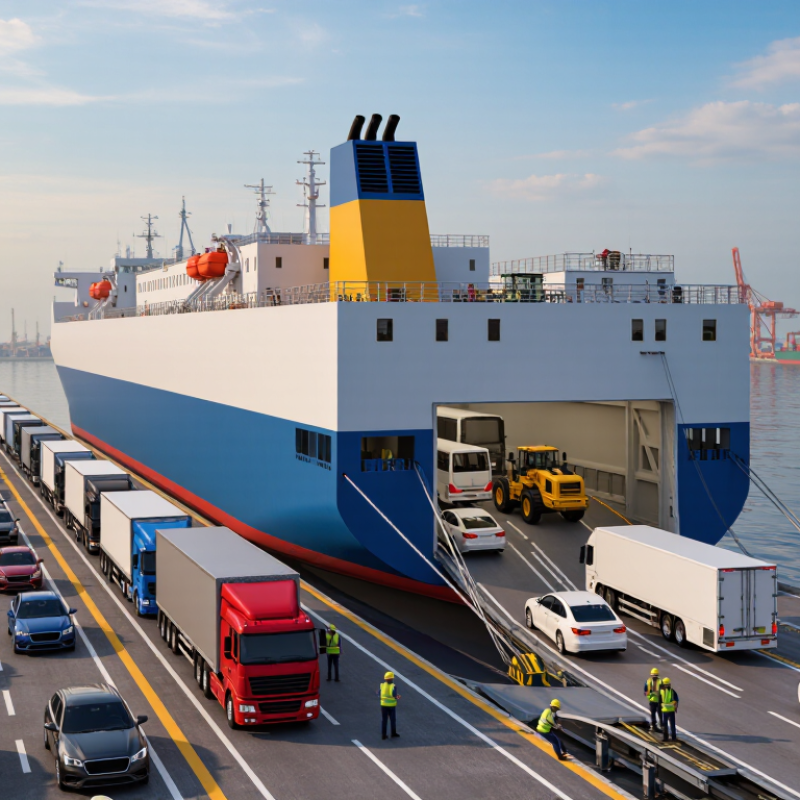
Ro-Ro vehicle shipping begins long before the vehicle reaches the port. The carrier loads vehicles through a stern or side ramp, then secures them inside a ventilated deck. Confirm the vehicle’s dimensions, weight, running condition, and fuel level before booking. Non-running or oversized vehicles may require special arrangements. Ask about port cut-off times, sailing schedules, insurance, and destination charges. Small errors can delay loading.
Prepare accurate documents, including ownership evidence, identification, commercial invoices, and export papers where required. Check the destination country’s import rules with a licensed customs professional. Remove personal belongings unless the carrier expressly permits them. Photograph the exterior, wheels, dashboard, and existing marks. Record the mileage. Keep only the required keys with the vehicle.
Battery terminals may need inspection or secure disconnection. Loose items inside the cabin can move during sea conditions. At the terminal, follow instructions for parking, handover, and condition reports. I have learned that unclear photos create avoidable arguments later. A signed inspection record matters. Really matters. Weather can affect port operations, so flexible planning is sensible. Still, estimated arrival dates are not guarantees. Recheck every document before delivery, because one overlooked detail can cost more time than the ocean voyage.
Ro Ro shipping begins with vehicle eligibility, not the booking form. Confirm the vehicle is operable, correctly declared, and suitable for ramp handling. Check its dimensions, weight, ground clearance, battery type, and fuel level. The International Energy Agency reported nearly 14 million electric car sales worldwide in 2023. Electric vehicles may require separate handling rules, especially after damage or battery warnings.
Tip 1: Inspect before loading. Photograph the odometer, body panels, tires, glass, keys, and dashboard lights. Record existing damage on a signed condition report. Keep the battery charged enough for movement, but follow the carrier’s limits. A vehicle that cannot start may need special approval. I have seen small documentation mistakes delay an otherwise ready shipment.
Tip 2: Prepare accurate documents. Usually, customs requires the original title or registration, commercial invoice, packing or vehicle detail sheet, identification, and power of attorney. Provide the vehicle identification number exactly as shown on the chassis and documents. Errors are costly. The World Customs Organization stresses accurate data for faster border processing. Check import duties, safety standards, emissions rules, and temporary-entry requirements with the destination authority. Never hide modifications, salvage history, or personal effects inside the vehicle. Tip 3: Keep digital copies, but carry originals when required. A simple checklist helps, although it can still miss one signature.
| Tip | Planning Dimension | What to Check or Prepare | Practical Details | Typical Status |
|---|---|---|---|---|
| 1 | Vehicle eligibility | Confirm that the vehicle can be safely driven or moved onto the vessel. | Ro-Ro cargo is normally loaded through a vehicle ramp. The vehicle should have usable steering, brakes, tires, and sufficient ground clearance unless the carrier has approved special handling. | Required Check |
| 2 | Vehicle dimensions and weight | Record the exact length, width, height, and gross weight. | Include roof accessories, spare tires, lifts, trailers, cargo boxes, and other modifications in the measurements. Oversized or unusually heavy units may require advance approval or alternative cargo arrangements. | Required Check |
| 3 | Vehicle condition | Document the condition before delivery to the terminal. | Take date-stamped photographs of all sides, the interior, dashboard mileage, fuel level, existing damage, keys, and accessories. A condition report helps support claims for documented discrepancies. | Recommended |
| 4 | Fuel and battery safety | Follow the carrier and terminal rules for fuel, batteries, and hazardous items. | Many vehicle-shipping procedures require a limited fuel level, a secured battery, no fluid leaks, and no personal belongings inside the vehicle. Exact limits vary by carrier, port, and vessel operator. | Check Locally |
| 5 | Ownership and export documents | Prepare the original title, registration, or other proof of ownership where required. | The document must generally identify the vehicle by VIN or chassis number. If the vehicle is financed, leased, inherited, or jointly owned, written authorization or a lien-release document may be needed. | Often Required |
| 6 | Commercial invoice or value declaration | Provide an accurate description and customs value. | State the vehicle make and model without relying on informal descriptions, together with the year, VIN, quantity, currency, sale value or customs value, and transaction terms when applicable. | Often Required |
| 7 | Shipping instructions | Submit complete booking and consignee information. | Include the shipper, consignee, notify party, origin and destination ports, vehicle identification details, contact information, and any delivery authorization required by the destination terminal. | Required Check |
| 8 | Customs and import compliance | Check destination-country import rules before booking. | Requirements may include import permits, customs declarations, duties, taxes, age limits, emissions or safety compliance, right-hand or left-hand-drive restrictions, and inspection certificates. Rules differ by country and vehicle type. | Country Specific |
| 9 | Power of attorney and identification | Authorize a customs broker or shipping representative when necessary. | Prepare a signed authorization, passport or government-issued identification, company registration details for commercial shipments, and tax or importer identification if requested by customs authorities. | When Applicable |
| 10 | Final pre-shipment checklist | Remove restricted items and secure the vehicle. | Remove personal belongings, loose equipment, toll tags, and unnecessary documents. Close windows, deactivate alarms, secure convertible roofs, keep only the requested keys, and verify that the VIN matches every document. | Recommended |
| Important: Vehicle eligibility, fuel limits, documentation, customs procedures, duties, taxes, inspections, and import restrictions vary by origin country, destination country, port, cargo type, and carrier. Confirm the current requirements with the relevant customs authority, terminal, and shipping provider before delivery. | ||||
Choosing Routes, Ports, Carriers, and Shipping Terms
Route planning starts with the vehicle, not the cheapest quote. Confirm the destination port accepts its height, width, and weight. Some routes use transshipment, adding handling and delay risks. Direct sailings cost more, but they may reduce damage exposure. Check sailing frequency, seasonal congestion, and inland delivery connections before booking. A quiet port is not always a practical port.
Ask carriers how they secure vehicles inside the deck. Request details about key control, battery procedures, fuel limits, and inspection records. Photograph the vehicle, wheels, odometer, and existing marks at handover. Port handling can be rough, even when paperwork looks perfect. Compare schedules, claims processes, and communication standards, rather than rates alone. My preference is a written condition report, although it can miss small scratches.
Shipping terms must match the actual transfer of risk. Clarify who pays loading, ocean freight, destination charges, clearance, storage, and inland transport. Confirm the agreed trade term in writing, including the named port. Marine insurance deserves separate attention; basic carrier liability may be limited. Build time for customs questions and port storage. A cheaper term can become expensive quickly. Recheck every assumption before payment.
Preparing Vehicles for Safe Loading and Ocean Transport
Ro-Ro shipping rewards preparation before the vehicle reaches the terminal. UNCTAD’s Review of Maritime Transport 2024 notes that over 80% of global merchandise trade by volume moves by sea. A small loading mistake can therefore travel a long way. Clean the vehicle, inspect tires, and confirm dimensions, weight, and ground clearance. Remove personal items, loose tools, and roof attachments. Photograph the exterior, dashboard, mileage, and existing damage. Keep keys clearly labeled.
Follow the carrier’s written instructions for fuel level, battery isolation, alarms, and immobilizers. Never guess. A poorly secured battery can create heat, while an active alarm may drain power during a delayed voyage. Check doors, windows, mirrors, and the parking brake. Disable automatic functions when instructed. Fold mirrors and protect fragile surfaces. Make sure the steering remains unlocked if terminal procedures require vehicle movement. Do not improvise.
The International Maritime Organization’s vehicle-carriage guidance emphasizes effective securing and access to safe handling arrangements. Use approved lashing points only, and keep them free from covers or mud. Record the vehicle condition at handover, including tire pressure and fluid leaks. Allianz Commercial’s Safety and Shipping Review 2025 continues to identify fire as a serious maritime loss concern, so report unusual smells, damaged wiring, or overheating immediately. A practical checklist is valuable, but it should be reviewed after every shipment. Real operations are less tidy than manuals suggest.
Ro Ro Vehicle Shipping Worldwide: Tracking Delivery, Customs Clearance, and Final Vehicle Collection
Reliable Ro Ro shipping begins with accurate vehicle details. Confirm the VIN, dimensions, weight, keys, and operating condition before booking. Photograph the vehicle from every side. Record existing scratches and loose items. Ask for tracking updates at loading, departure, transshipment, arrival, and discharge. Port names matter. Similar locations can create costly confusion. Keep the booking reference and contact details in one secure file.
Customs clearance needs careful preparation. Check the commercial invoice, title, export documents, and any required import permits early. Confirm that the vehicle description matches every document. Ask local customs professionals about duties, taxes, inspections, and environmental requirements. Charges may change after examination. Do not assume the shipping quote includes them. Respond quickly if customs requests clarification. A missed email can delay release for days. Regulations differ widely, and outdated advice is a common problem.
Before collection, wait for written confirmation that the vehicle is released. Arrange transport, identification, payment evidence, and collection authorization in advance. Check storage deadlines and port appointment rules. At the terminal, inspect the vehicle carefully before signing. Compare its condition with the original photographs. Report damage immediately and keep copies of all forms. One practical lesson is uncomfortable: tracking information may lag behind real events. Recheck directly when timing becomes critical. A little doubt is healthier than a missed collection window.
Typical end-to-end delivery timeline by shipping stage
This planning model represents common Ro-Ro shipment milestones: documentation and booking, origin port handling, ocean transit, destination customs clearance, and final vehicle collection. Ocean transit is usually the longest stage, while customs timing depends on document accuracy, inspections, duties, and local port procedures. Actual delivery times may vary by route, sailing schedule, weather, congestion, and vehicle readiness.
Confirm the VIN, dimensions, weight, fuel level, keys, and operating condition. Non-running or oversized vehicles may need special arrangements. Small errors can delay loading.
Remove personal belongings unless permission is given. Secure loose cabin items and keep only the required keys. Battery terminals may need inspection or secure disconnection.
Prepare ownership evidence, identification, commercial invoices, and export papers where required. Check destination import rules with a licensed customs professional. Recheck every document.
Photograph each side, the wheels, dashboard, and existing marks. Record the mileage clearly. Unclear photos can create avoidable disputes later.
Ask about port cut-off times, sailing schedules, insurance, destination charges, and handover instructions. Weather may affect operations. Arrival dates are estimates, not guarantees.
Request updates at loading, departure, transshipment, arrival, and discharge. Keep the booking reference in one secure file. Port names matter. Similar locations can cause confusion.
Mismatched vehicle descriptions, missing permits, outdated advice, or slow replies can delay release. Confirm duties, taxes, inspections, and environmental requirements early. Charges may change after examination.
Wait for written release confirmation. Arrange identification, payment evidence, transport, and collection authorization. Check storage deadlines and appointment rules. Inspect the vehicle before signing.
Compare the vehicle with the original photographs and signed inspection record. Report damage immediately. Keep copies of all forms and communications. Do not rely on memory alone.
Ro-Ro Vehicle Shipping offers a practical way to move cars, trucks, and other eligible vehicles between international ports. The process begins with confirming that the vehicle meets carrier and destination requirements, then preparing accurate ownership, identification, insurance, and customs documents. Shippers should compare available routes, ports, carriers, transit schedules, and shipping terms before booking. Understanding what is included in the quoted service can help prevent unexpected costs and delays.
Before loading, vehicles should be cleaned, inspected, photographed, and prepared according to the carrier’s safety instructions. Personal belongings should be removed, fuel and battery levels adjusted as required, and alarms or loose equipment secured. During transit, shipment updates can help track progress and support timely planning. After arrival, the recipient must complete customs clearance, provide the required paperwork, pay applicable charges, and arrange final vehicle collection. Careful preparation and clear communication throughout the process can make international vehicle transport more organized, secure, and efficient.