Insights & Industry News
Global Freight, Supply Chain & Trade Solutions
Global buyers are rethinking Full Truckload Freight as supply chains become more regional, time-sensitive, and data-driven. Dry van, refrigerated, flatbed, curtain-side, and specialized equipment serve different cargo realities. The right choice depends on product value, dimensions, temperature needs, loading methods, and delivery risk.
The World Bank’s Logistics Performance Index 2023 shows that reliability and shipment tracking remain major logistics concerns. TI Research’s Global Road Freight Transport reports also identify road freight as a critical link in international supply chains. These findings matter because one missed delivery window can stop a production line or leave retail shelves empty. A sealed dry van may suit packaged electronics, while a refrigerated trailer protects seafood, pharmaceuticals, or fresh produce. Flatbeds provide faster side loading for steel coils, timber, and construction machinery.
Cost alone can mislead buyers. A lower quote may exclude detention, fuel adjustments, border delays, or specialized handling. It may also hide weak carrier coverage. The American Trucking Research Institute continues to track major operating-cost pressures, including fuel, equipment, and driver expenses. IRU reports persistent global driver shortages, adding another layer of capacity risk. These pressures change lane pricing quickly.
This guide compares the leading Full Truckload Freight types for 2026 purchasing decisions. It considers cargo protection, capacity availability, transit reliability, and documentation requirements. However, no ranking stays perfect. Weather, port congestion, and regional equipment shortages can overturn a careful plan. Buyers should validate current carrier data before booking, because yesterday’s efficient lane may already be different.
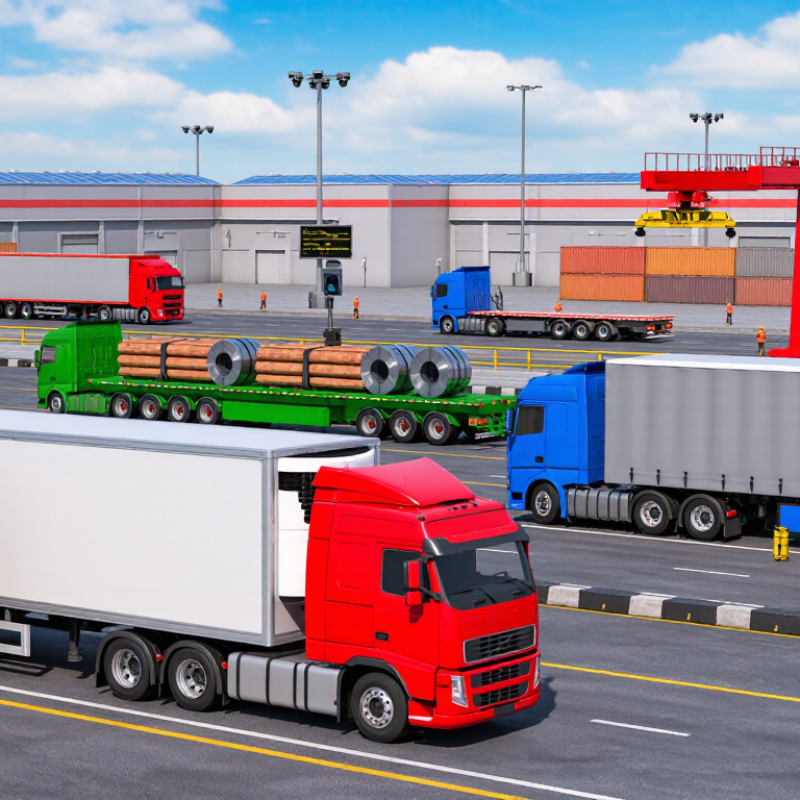
Full truckload freight uses one truck for one shipper’s cargo. It reduces handling between factories, ports, warehouses, and final distribution centers. For global buyers, this model suits large, time-sensitive, or damage-sensitive shipments. Dry vans protect boxed goods from weather. Refrigerated trucks control temperatures for food and pharmaceuticals. Flatbeds carry steel, machinery, timber, and oversized industrial components.
The global role is broader than the road segment. UNCTAD’s Review of Maritime Transport 2024 states that shipping carries over 80% of world merchandise trade by volume. Full truckload services then connect ports with inland supply chains. The OECD-ITF Transport Outlook 2024 projects freight demand could nearly double by 2050 under current trends. That pressure makes reliable inland capacity more important.
Real operations are less tidy. A buyer may book a reefer, then discover limited temperature-monitoring capacity at the destination. A flatbed may require special loading equipment, not just extra space. These details affect delivery risk. The World Bank’s Logistics Performance Index 2023 emphasizes customs, tracking, infrastructure, and timeliness as connected performance factors. Freight buyers should therefore compare verified carrier records, cargo dimensions, loading windows, insurance terms, and GPS visibility. Cheap capacity can become expensive after one missed appointment. Mistakes happen. Planning still reduces them.
Full truckload freight is best classified by cargo sensitivity, loading geometry, and equipment control. Dry van loads remain the standard choice for boxed goods, machinery parts, and retail cartons. They use enclosed trailers and usually require no temperature management.
The American Trucking Associations reported 72.7% of U.S. freight tonnage was carried by trucks in 2022. That share shows why accurate truckload classification matters to global buyers.
Refrigerated truckload freight serves food, pharmaceuticals, and other temperature-sensitive products. Shippers must define temperature ranges, loading times, and monitoring procedures before booking.
Flatbed freight suits steel, timber, construction equipment, and other cargo that cannot fit through trailer doors. It needs careful weight distribution and securement planning.
Tanker equipment carries liquid materials, but vessel compatibility and cleaning records require closer review.
Specialized and oversized truckload freight covers heavy machinery, industrial modules, and unusual dimensions. These shipments may need route surveys, escorts, permits, and loading supervision.
The International Road Transport Union reported 3.6 million unfilled truck-driver positions across surveyed countries in 2023. Capacity can therefore change quickly, especially for complex equipment.
Classification is useful, but not perfectly clean. A dry van may appear universal. It is not. Buyers should confirm cargo dimensions, handling risks, delivery windows, and border requirements with experienced logistics professionals.
Some purchasing teams still choose equipment by price alone. That shortcut deserves reconsideration.
2026 Top Full Truckload Freight Types for Global Buyers
Cargo selection starts with physical facts, not a generic “full truckload” label. Dry vans suit boxed, palletized freight requiring weather protection. Reefers protect chilled or frozen loads, but temperature records and pre-cooling must be verified. Flatbeds handle oversized machinery, steel, and crated equipment. Those loads require accurate dimensions, tie-down plans, and route checks. The wrong equipment can cause detention, damage, or rejected loading.
Global buyers should match service to handling risk. Fragile electronics may need air-ride equipment, sealed doors, and limited transfers. Food cargo needs continuous temperature control, clean interiors, and delivery appointments. Time-sensitive components may justify expedited FTL, although premium capacity is not automatically better. Confirm dock height, pallet count, axle limits, border documents, and unloading tools before tendering. Small omissions create large delays.
The World Bank’s 2023 Logistics Performance Index found a major reliability gap. About 60% of shipments in top-performing economies met expected timing, versus roughly 30% in the lowest-performing group. Driver availability also matters. An IRU 2023 report estimated 3.6 million unfilled truck-driver positions worldwide. Capacity can disappear during harvests, holidays, or border disruptions. One planning weakness remains: buyers often specify equipment before describing cargo behavior. Reverse that habit. Describe the load first, then select the truck, controls, and service level.
Matching cargo characteristics with suitable truckload services by typical usable payload capacity.
Dry vans are suited to general packaged goods, refrigerated trailers to temperature-sensitive cargo, flatbeds to oversized or non-containerized loads, curtain-siders to goods requiring frequent side loading, and tankers to bulk liquids. Payload figures are typical planning midpoints in metric tonnes; actual capacity depends on vehicle configuration, axle limits, cargo density, and national regulations.
In 2026, global buyers are comparing full truckload freight by cargo fit, route reliability, and delivery control. Dry vans suit packaged goods, while refrigerated trucks protect temperature-sensitive products. Flatbeds support oversized industrial cargo when loading sites permit safe securing. The cheapest equipment is not always the cheapest choice. A rejected load can erase a narrow freight saving.
Route planning should examine border crossings, seasonal weather, road limits, and empty-mile exposure. A direct corridor may shorten transit but face congestion near ports or inland hubs. Multi-country moves require accurate commercial invoices, packing lists, origin evidence, and transport instructions. Regulatory checks vary by destination, cargo class, vehicle weight, and temperature requirements. Customs specialists can confirm current rules, but buyers should verify every document themselves. We once treated a transit estimate as dependable; a border delay proved that assumption weak.
Cost analysis should separate linehaul, fuel adjustments, tolls, handling, storage risk, insurance, and accessorial charges. Ask for delivery windows rather than one optimistic arrival date. Confirm dock hours, trailer dimensions, appointment rules, unloading equipment, and contact details before dispatch. A simple GPS milestone plan helps teams react when trucks miss scheduled checkpoints. Temperature-controlled shipments also need continuous records and clear escalation procedures. Small omissions matter. Reliable execution comes from repeated checks, not confident promises.
For global buyers, selecting a full truckload option starts with the cargo, not the quoted rate. A dry van suits boxed furniture, machinery parts, and palletized goods needing ordinary protection. Refrigerated equipment fits temperature-sensitive products, but it requires verified temperature records and careful loading. Flatbed transport can handle oversized industrial units when dimensions, tie-down points, and route restrictions are confirmed.
Small detail, big consequence. An inaccurate height measurement may create delays at bridges or terminals.
Experienced buyers compare more than capacity. They check payload limits, loading hours, border procedures, transit windows, insurance coverage, and tracking quality. Ask whether the carrier provides sealed loading, condition photos, and emergency contact procedures.
For cross-border moves, documents should match the physical cargo, including weights, dimensions, invoices, and packing details. A shipment plan may look complete yet fail when one pallet is loaded differently than declared. A first estimate can be too confident. Rechecking the final pallet count before dispatch is worthwhile.
The best choice also depends on delivery risk. A standard full truckload often supports stable pricing for regular freight, while expedited service may protect a narrow production schedule. Faster is not always safer. It can reduce time for inspections and recovery planning.
Buyers should request a written route, equipment type, delivery appointment, and detention-charge responsibilities. Qualified logistics professionals can clarify local transport rules and changing border requirements.
Full truckload freight uses one truck for one shipment. It suits cargo needing dedicated space, fewer transfers, and planned delivery timing. Not always the cheapest choice.
Dry vans suit boxed goods, palletized cartons, furniture, and machinery parts. They provide weather protection without temperature control. Check trailer space carefully. They are not universal.
Refrigerated equipment protects chilled, frozen, and temperature-sensitive products. Buyers should define the temperature range before booking. Confirm pre-cooling, temperature records, and monitoring procedures. A cold trailer alone cannot fix poor loading.
Flatbeds suit steel, timber, construction equipment, and oversized machinery. They allow loading from the sides or above. Accurate height, width, and weight measurements are essential. Tie-down plans matter.
Confirm route restrictions, bridge clearances, axle limits, and loading locations. Some shipments need route surveys, permits, escorts, or loading supervision. A small height error can cause a major delay. Recheck the measurements.
Fragile electronics may need air-ride equipment, sealed doors, and limited transfers. Use condition photos before departure and after arrival. Keep handling instructions visible. The plan may still miss something.
Confirm pallet count, cargo weight, dimensions, dock height, and unloading tools. Review loading hours, delivery appointments, border documents, and transit windows. Ask about tracking and emergency contacts. One missing detail can stop loading.
Expedited service can protect a narrow production schedule. However, faster transport is not automatically safer. It may leave less time for inspections or recovery planning. Consider the real delivery risk.
Full Truckload Freight is a key solution for global buyers who need to move large quantities of goods directly from origin to destination. This article explains how full truckload transportation supports international supply chains by reducing cargo handling, improving delivery control, and offering dedicated capacity. It introduces major freight types in 2026, including dry, temperature-controlled, flatbed, oversized, and specialized equipment, while highlighting the importance of matching each option with the cargo’s size, weight, sensitivity, and loading requirements.
The guide also examines how route distance, fuel costs, border procedures, customs documentation, regional regulations, scheduling, and delivery deadlines influence transportation decisions. By comparing service capabilities, total landed costs, risk factors, and delivery performance, global buyers can select the most suitable Full Truckload Freight option for their products. A well-planned choice helps improve shipment security, maintain product quality, reduce delays, and create a more reliable and efficient international logistics strategy.