Insights & Industry News
Global Freight, Supply Chain & Trade Solutions
Global buyers choosing Rail Freight Services in 2026 need more than a low headline rate. They need dependable schedules, clear handoffs, and shipment tracking that works across borders. A delayed container at a busy terminal can disrupt production days later. Small details matter.
Logistics scholar Alan McKinnon has written extensively about freight transport and supply-chain performance. A concise paraphrase of his wider logistics perspective—not a verbatim quotation—is: “The best transport choice balances cost, speed, reliability, and environmental impact.” That balance shapes this guide. It compares providers by route coverage, transit-time visibility, intermodal connections, service support, and the clarity of their quoted charges. Buyers should also check whether published schedules match the routes and cargo volumes they actually use.
No single provider is best for every lane. A strong option for regular container traffic may not suit irregular shipments or remote inland delivery. Ask for current route details. Confirm cut-off times. Review what happens when connections are missed. The comparison that follows is designed to help global buyers ask sharper questions, not to promise identical results on every route. Some service information changes quickly, and that deserves a second look.
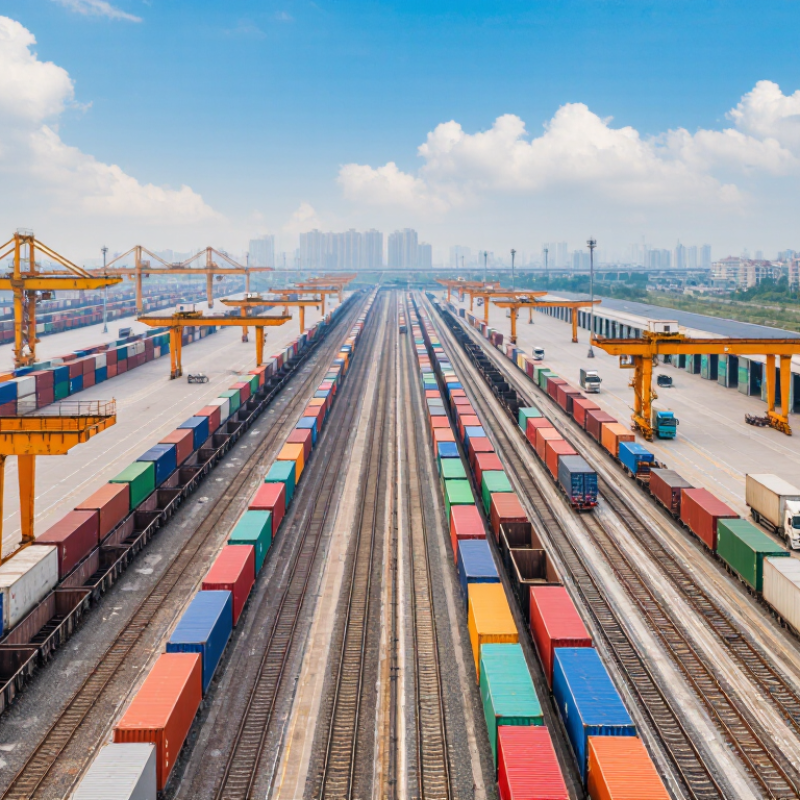
Rail freight services cover more than the train journey. A provider may arrange collection from a factory, container loading, terminal delivery, rail transport, and final-mile trucking. Some shipments move in full containers; smaller loads may be consolidated with other cargo. That can reduce space costs, though schedules may be less flexible.
The process starts with cargo details: dimensions, weight, packaging, destination, and required delivery window. These details help determine the route, equipment, and estimated transit time. At the origin terminal, staff check the booking and transfer the container to a rail wagon. During the journey, tracking updates can show key milestones, but exact arrival times may change because of congestion or weather. Estimates are not guarantees.
Border handling deserves attention. Routes may involve document checks, changes between rail systems, or container transfers at terminals. A service team can coordinate these steps and explain which documents the shipper must provide. At destination, the container is unloaded or transferred to a truck for delivery. Ask who handles each handoff, what fees are included, and how delays are reported. Small details matter. A precise loading plan helps prevent avoidable rework, yet even careful planning cannot remove every disruption.
A practical overview of common rail freight service models, their operating steps, suitable cargo, and buyer considerations. Availability and transit times depend on the route, rail network, border procedures, capacity, and service schedule.
| Service Type | What the Service Includes | How It Typically Operates | Common Cargo or Use | Buyer Considerations |
|---|---|---|---|---|
| Intermodal rail freight | Rail transport of freight in standardized containers or swap bodies, often combined with truck or vessel transport. | A container is collected or delivered by truck at one or both ends and carried by rail between terminals. The cargo generally remains inside the transport unit during transfers. | Containerized consumer goods, machinery, packaged materials, and other cargo suited to intermodal equipment. | Check terminal locations, drayage arrangements, container dimensions, cut-off times, and whether terminal handling is included in the quote. |
| Block train service | A train assembled for a particular shipper, corridor, or cargo flow, commonly moving as a dedicated or consistently scheduled group of wagons. | Wagons are grouped at an origin terminal or siding and generally travel together to a destination or interchange point, reducing intermediate marshalling. | Large, regular volumes such as bulk commodities, industrial materials, vehicles, or container flows. | Usually requires sufficient volume and coordination. Confirm minimum volume, loading capacity, timetable, siding access, and return-load arrangements. |
| Wagonload and less-than-trainload | Transport for one or more wagons that do not require a dedicated full train. | Wagons may be collected, sorted, and combined with other traffic at rail yards before continuing to the destination network. | Industrial products, palletized or packaged freight, and shipments that are too large for parcel networks but do not fill a train. | Handling and intermediate sorting can add time. Confirm wagon availability, loading equipment, terminal access, and the service’s collection frequency. |
| Bulk rail freight | Movement in specialized or general-purpose wagons designed for loose, heavy, or high-volume commodities. | Cargo is loaded at a mine, plant, port, or terminal and discharged using suitable unloading equipment at the destination. | Coal, ores, aggregates, grain, fertilizer, and other bulk materials, subject to route and equipment availability. | Verify wagon type, payload limits, loading and discharge rates, cargo protection, permitted routes, and any environmental or handling requirements. |
| Refrigerated rail freight | Temperature-controlled transport using refrigerated containers or other suitable temperature-managed equipment. | Temperature settings are agreed before dispatch; monitoring and power arrangements depend on the equipment and terminal setup. | Food products, beverages, pharmaceuticals, and other goods requiring controlled temperatures. | Confirm temperature range, monitoring records, power availability during transfers, contingency procedures, and the limits of temperature guarantees. |
| Hazardous-goods rail freight | Transport of regulated dangerous goods in approved packaging, tanks, or containers, subject to applicable rules. | The shipper provides accurate classification and documentation. The carrier checks acceptance, equipment, routing, handling, and emergency information under relevant regulations. | Eligible chemicals, fuels, gases, and other regulated materials, depending on classification and route restrictions. | Confirm the applicable dangerous-goods rules for every country and mode, required documents, packaging approvals, route acceptance, and any restrictions before booking. |
| Rail-port and rail-road connections | Coordinated rail movement linked to a seaport, inland terminal, warehouse, or road collection and delivery. | Freight is transferred between modes at a terminal. A service may include only the rail leg or may coordinate terminal handling and first- or last-mile transport. | International container cargo, port-bound exports, imports, and shipments serving inland production or distribution sites. | Identify who arranges each leg, terminal handling, customs procedures, storage, transfer deadlines, and responsibility for delays or demurrage. |
| Cross-border rail freight | Rail transport across national borders, including coordination of documentation and network or operator handovers. | Trains may continue across a border or transfer between railway networks. Gauge differences, technical standards, customs checks, and operating rules can affect the route. | International container, wagonload, and bulk shipments on corridors with suitable infrastructure and services. | Check border procedures, customs responsibility, cargo documents, rail gauge and equipment compatibility, and the planned handling of network handovers. |
| Door-to-door rail logistics | A coordinated logistics package that can combine pickup, terminal handling, rail transport, customs coordination, and final delivery. | A logistics provider or carrier coordinates the required legs and transfers; the exact scope varies by quotation and service contract. | Buyers seeking a single coordinated plan for cargo moving between inland locations or across international corridors. | Request a clear scope of service, named handover points, included charges, insurance terms, customs roles, and procedures for exceptions or missed connections. |
How buyers can compare offers: Compare the same origin and destination points, cargo description, equipment, service scope, and delivery terms. Ask for the planned route, estimated schedule, cut-off dates, included terminal and road charges, documentation requirements, cargo liability terms, and procedures for disruption. Rail transit estimates are route-specific and should be confirmed with the service provider before booking.
It may include factory pickup, container loading, terminal handling, rail transport, and final-mile trucking. Confirm who manages each handoff.
Yes. Smaller loads may be combined with other cargo, which can reduce space costs. Schedules may be less flexible. Small details matter.
Provide cargo dimensions, gross weight, packaging, destination, and delivery window. Ask for itemized pickup, rail, border, and delivery charges.
Some routes take roughly 15–25 days. Transfers, congestion, and border checks can change the estimate. Estimates are not guarantees.
Keep pallets stable, distribute weight evenly, and secure goods against movement. Accurate measurements matter; optimistic estimates can cause delays or extra charges.
Providers commonly request a packing list and commercial invoice. Check route-specific requirements, and ensure quantities and descriptions match the cargo.
Request updates for collection, terminal arrival, train departure, border transfer, and delivery. Save timestamps and check time zones.
Ask the operations team which terminal last confirmed custody and request the next checkpoint. A dashboard can look reassuring, but a handoff may remain unverified.
This guide explains how Rail Freight Services support international cargo movement, from shipment planning and container selection to terminal handling and final delivery. It outlines the main rail networks, corridors, and service options available in 2026, including full-container and consolidated shipments, and describes how route availability, transfers, and connections can affect delivery plans.
For global buyers, comparing providers means looking beyond quoted prices to consider transit-time estimates, network coverage, service reliability, cargo requirements, and the support available throughout a shipment. The guide also reviews the factors that shape costs and schedules, such as distance, cargo dimensions, handling needs, and seasonal capacity. Finally, it covers practical steps for booking, tracking progress, preparing shipment information, and managing updates so buyers can coordinate rail transport with their wider supply chains.