Insights & Industry News

JH Logistics Blog

Global Freight, Supply Chain & Trade Solutions

0%

Moving a vehicle across borders demands more than booking a vessel. International Car Transport Logistics combines route planning, customs documentation, carrier selection, insurance, port handling, and careful communication. Each detail matters. A missing ownership document can delay loading, while an inaccurate vehicle description may trigger inspections or extra fees.

Martin Christopher, a respected logistics scholar, describes supply chains as “the network of organizations that are involved.” His observation fits international vehicle shipping closely. The exporter, importer, freight forwarder, customs broker, port operator, carrier, and insurer must coordinate as one connected system. If one link responds slowly, the entire delivery schedule can shift.

Small details create confidence.

Experienced logistics professionals verify the vehicle identification number, condition report, dimensions, fuel level, and delivery address before departure. They also explain lawful import requirements clearly, instead of promising unrealistic arrival dates. Roll-on/roll-off shipping may suit a running vehicle, while container transport can provide additional protection for valuable models. The right choice depends on vehicle size, destination rules, budget, and risk tolerance.

Tracking helps, but it is not magic. Weather, port congestion, inspections, and schedule changes remain possible. A professional guide should acknowledge these limits honestly. I have found that transparent updates often matter more than optimistic promises. One weakness in many shipping plans is insufficient attention to the final mile. A vehicle can cross an ocean successfully, yet still face delays at a regional terminal.

Reliable International Car Transport Logistics therefore requires documented procedures, licensed partners, realistic timelines, and informed decisions. It is not flawless. It should be reviewed at every stage.
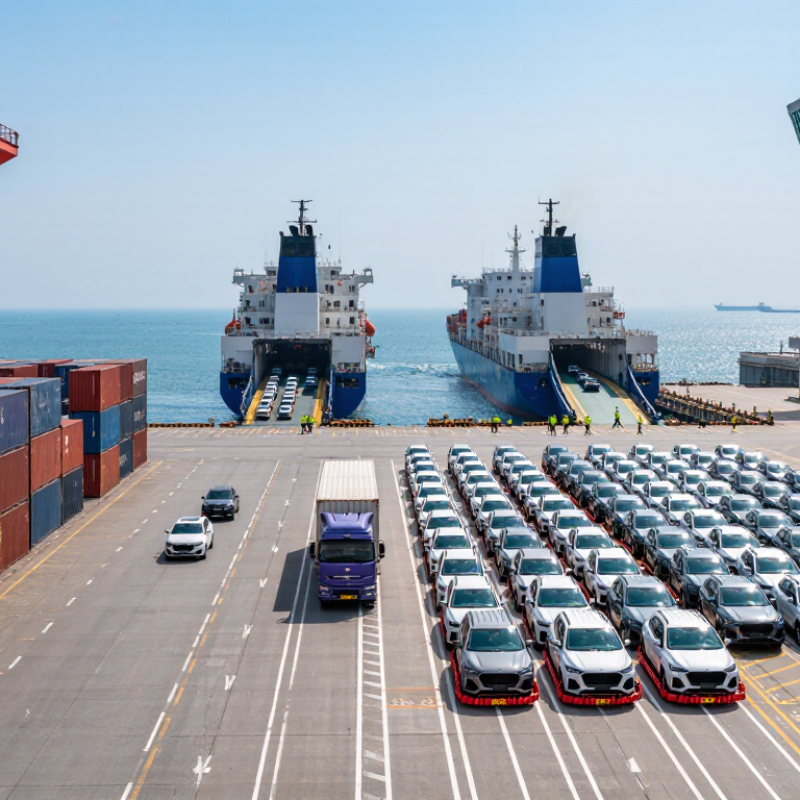
China Top International Car Transport Logistics Guide

What China’s International Car Transport Logistics System Includes

China’s international car transport logistics system covers more than ocean shipping. It connects vehicle collection, inland trucking, export documentation, port handling, customs clearance, and destination delivery. Each stage needs accurate vehicle details, including model, dimensions, weight, and running condition.

Experienced logistics teams usually arrange a pre-shipment inspection with photographs. This record can show existing scratches, tire condition, fuel level, and dashboard mileage. Vehicles may travel by container or roll-on/roll-off service, depending on size, destination, budget, and protection needs. Export declarations, commercial invoices, ownership documents, and destination requirements must match. A small document error can delay the vehicle for days.

Tips: Confirm the transport route, estimated sailing schedule, insurance coverage, and storage fees in writing. Ask how the vehicle will move between the warehouse, port, and final address. Tracking updates should identify important milestones, not provide vague promises. Clean documentation helps, but it does not remove every risk. Weather, port congestion, and inspection procedures can change schedules. I have found that customers often focus on freight cost and overlook destination handling charges. That mistake makes the final budget less reliable. Good service should explain these charges before booking and keep communication clear when plans change.

How to Choose the Right China Car Shipping Method

How to Choose the Right China Car Shipping Method

Choosing a China car shipping method depends on vehicle size, budget, timing, and destination port. The cheapest option is not always the safest.

RoRo shipping usually suits standard vehicles that can be driven onto a vessel. It often costs less and requires simpler handling. However, personal items should not remain inside the car.

Container shipping offers stronger protection and better control over loading. It works well for expensive, modified, or non-running vehicles. For one vehicle, the price may feel high. That is a common concern.

Rail transport can reduce ocean transit time for selected destinations and routes. It may also provide steadier scheduling during busy port periods.

Air freight is much faster, but its cost rarely suits ordinary private vehicles.

I have seen buyers focus only on freight prices, then discover port fees, customs charges, storage, and inland delivery costs. That mistake is easy to make.

Before booking, confirm the vehicle’s dimensions, running condition, and loading requirements.

Ask whether the quote includes export documentation, terminal handling, insurance, and final delivery.

A reliable logistics provider should explain each step in plain language. Clear answers matter.

Check delivery estimates against recent route conditions, not old advertisements.

Even experienced shippers can misjudge delays caused by weather, inspections, or incomplete paperwork. Allowing extra time is wiser than promising an exact arrival date.

Required Documents for Exporting Vehicles from China

China Top International Car Transport Logistics Guide: Required Documents for Exporting Vehicles from China

China’s vehicle exports reached 5.859 million units in 2024, according to the China Association of Automobile Manufacturers. This growth makes document accuracy more important than ever. Exporters normally need a commercial invoice, sales contract, packing list, and customs export declaration.

The invoice should show the vehicle’s VIN, model, value, currency, and delivery terms. Small mismatches can delay clearance.

Check every number twice.

The vehicle certificate, ownership proof, and manufacturing details should match the VIN on the car. Many destinations also request a certificate of origin, import permit, conformity certificate, or emissions evidence. Requirements differ by destination.

The International Trade Centre’s trade data shows how vehicle flows cross varied customs regimes, so one universal document set does not exist. A freight forwarder can verify destination rules before loading, but the exporter remains responsible for accuracy. That distinction is often underestimated.

Shipping paperwork follows. Prepare cargo insurance details, booking confirmation, and the bill of lading or sea waybill. Used vehicles may require additional inspection records or title documents. Electric vehicles can also require battery specifications and dangerous-goods declarations, depending on transport conditions. A missing translation, unclear scan, or incorrect consignee address may create storage costs. Not every checklist is perfect. Review it against the destination authority’s current guidance, because older templates can quietly become unreliable.

The Step-by-Step Process of International Car Transportation

International car transportation begins before the vehicle reaches a port. A reliable process starts with route planning, inspection, and document checks. Record the VIN, mileage, dimensions, photographs, ownership proof, invoice, and delivery address. Confirm whether the quote includes inland pickup, export clearance, ocean freight, insurance, destination handling, and final delivery. UNCTAD’s Review of Maritime Transport 2023 reports that over 80% of global merchandise trade by volume moves by sea. Port selection and sailing schedules therefore matter.

After booking, the vehicle is collected and prepared for loading. Remove personal items and check the fuel level. Electric vehicles need accurate battery information and carrier acceptance checks. The IEA’s Global EV Outlook 2025 reported more than 17 million electric car sales worldwide in 2024. This growth makes battery documentation increasingly important. At the export terminal, staff verify condition, secure the vehicle, and process customs documents. Photograph every visible mark. A clean handover record protects both sides.

At destination, customs officers may review ownership, value, safety compliance, and applicable taxes. Delivery should follow customs release, port payment, inspection, and inland scheduling. Compare the vehicle with the original photographs before signing. Industry transit times remain estimates. Weather, inspections, and port congestion can change them. The weak point is often one missing digit in a document. Even careful planning can fail there. A complete insurance claim file should include photographs, inspection notes, and signed delivery records.

Costs, Customs Clearance, and Delivery Considerations

China Top International Car Transport Logistics Guide

Costs, Customs Clearance, and Delivery Considerations

International car shipping costs depend on vehicle size, departure port, transport method, and destination charges. A compact sedan usually needs less space than an SUV. However, port handling, inland trucking, insurance, documentation, and import taxes can change the final figure. Request an itemized quotation. Check its validity period because fuel prices and currency rates may move quickly. I once underestimated destination storage fees. That mistake was expensive.

Customs clearance requires accurate ownership documents, purchase invoices, vehicle identification details, and export records. Import rules differ by country and may include safety, emissions, age, or modification requirements. A licensed customs professional can review eligibility before shipment. Do not rely only on a seller’s verbal promise. Missing one document can delay release for several days. Keep scanned copies and confirm translated documents when authorities require them.

Delivery planning should include port congestion, inspections, weather, and final-mile access. Photograph the vehicle’s exterior, interior, odometer, and existing marks before loading. Use a signed condition report. Confirm whether delivery reaches your address or only a nearby terminal. Large vehicles may need a wider unloading area. Tracking updates are useful, but they are not always immediate. Build a small time buffer. Delays happen. After arrival, inspect the car before signing the delivery receipt, and report visible damage promptly through the agreed claims process.

FAQS

What does international car transport include?

It may include vehicle collection, inland trucking, export documents, port handling, customs clearance, and final delivery. Each stage needs accurate vehicle details. Small errors can cause days of delay.

Which vehicle details should I provide?

Provide the model, dimensions, weight, running condition, mileage, and fuel level. Mention any modifications or visible damage. Exact measurements help prevent loading problems.

Why is a pre-shipment inspection useful?

An inspection records scratches, tire condition, dashboard mileage, and fuel level. Photographs create a clear condition record before transport. Still, photographs cannot remove every risk.

Should I choose RoRo or container shipping?

RoRo often suits standard, running vehicles that can drive onto a vessel. It may cost less and involve simpler handling. Personal items should not stay inside the vehicle.Container shipping offers more protection and loading control. It suits expensive, modified, or non-running vehicles. The cost may feel high.

Can rail or air transport be used?

Rail transport may shorten ocean transit time on selected routes. It can also provide steadier scheduling during busy port periods. Air freight is faster, but usually much more expensive.

What charges should I confirm before booking?

Ask whether the quote includes export documents, terminal handling, insurance, customs charges, storage, and inland delivery. Port fees are often overlooked. A cheap quote may not be cheap overall.

How can I check whether the schedule is realistic?

Compare the estimate with recent route conditions, not old advertisements. Ask for sailing milestones and possible storage periods. Weather, congestion, inspections, and missing paperwork can change the schedule.Exact arrival dates are risky.

What should tracking updates show?

Useful updates identify collection, warehouse arrival, port entry, loading, departure, customs progress, and final delivery. Vague promises are not enough. Clear communication matters when plans change.

How can I reduce transport problems?

Confirm the route, vehicle condition, loading needs, insurance, and destination fees in writing. Keep ownership and commercial documents consistent. Extra time is wiser than a perfect promise.

Conclusion

China’s International Car Transport Logistics system connects vehicle manufacturers, exporters, freight forwarders, ports, customs agencies, shipping companies, and destination delivery providers. This guide explains how to select the most suitable transport method, including container shipping, roll-on/roll-off services, and other options based on vehicle type, budget, schedule, and destination. It also outlines the main documents commonly required for vehicle export, such as commercial invoices, packing lists, ownership records, transport contracts, and customs declarations.

The article presents the international car transportation process step by step, from vehicle inspection and export preparation to port handling, ocean transit, customs clearance, and final delivery. It also reviews major cost factors, including inland transportation, port charges, freight, insurance, taxes, storage, and destination service fees. By understanding customs requirements, delivery timelines, and potential additional charges in advance, shippers can plan more efficiently and reduce delays throughout the transportation process.


Liam

Liam

Liam is a professional marketing specialist with a deep understanding of the company’s products, customers, and evolving industry landscape. With a strong background in content strategy, market research, and digital communication, he transforms complex product information into clear, practical, and......