Insights & Industry News

JH Logistics Blog

Global Freight, Supply Chain & Trade Solutions

0%

China’s less-than-truckload market is broad, competitive, and difficult to compare at a glance. A shipper moving several pallets from Shenzhen to Chengdu needs more than a low quote. Pickup reliability, terminal coverage, transit time, damage handling, and shipment visibility all matter. Less Than Truckload Transportation combines freight from multiple customers, so network design and careful handling can shape the experience as much as price.

The China Federation of Logistics and Purchasing reported that China’s total social logistics value reached RMB 352.4 trillion in 2023, up 5.2% year over year. This figure covers logistics broadly, not LTL alone. It does, however, show the scale of the operating environment in which LTL providers compete. Satish Jindel, a longtime LTL analyst and president of SJ Consulting Group, has emphasized the importance of shipment density and network economics. Put simply, a carrier’s reach matters only when its network can serve a lane consistently.

This guide compares leading China LTL companies through practical criteria: geographic coverage, service options, tracking tools, operating capabilities, and fit for different shipment sizes. Company claims and service availability can change, and published coverage does not guarantee equal performance on every route. That caveat matters. A strong choice for regular pallet freight between major cities may not suit a small shipment to a less-served destination. The aim is a useful shortlist, not a universal winner.
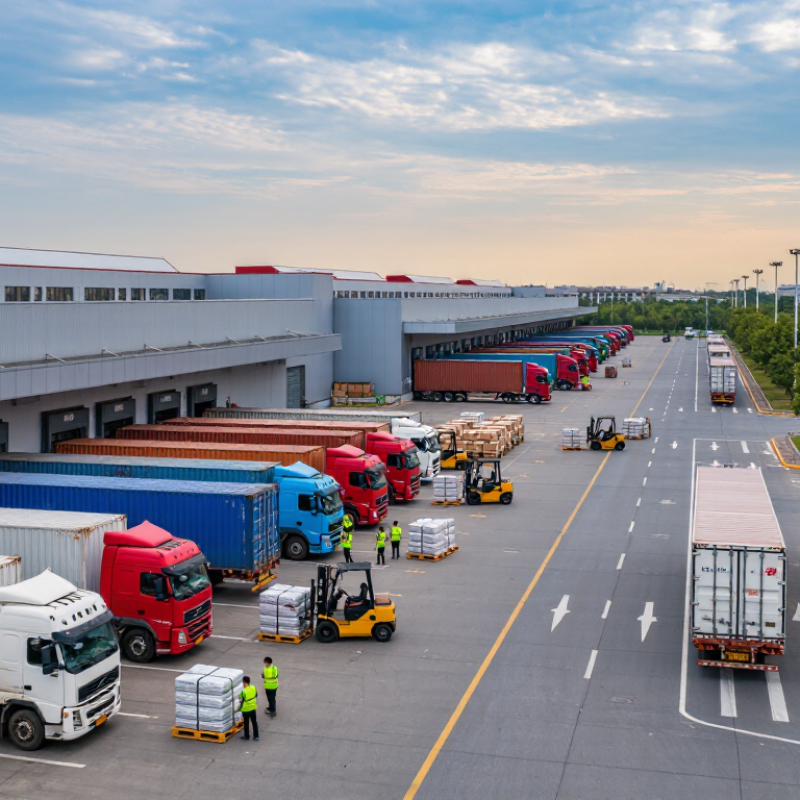
What Are the Top Less Than Truckload Companies in China?

Understanding Less Than Truckload Shipping in China

Less-than-truckload shipping combines smaller shipments from different businesses in one vehicle. In China, freight may pass through several collection points, sorting hubs, and delivery depots before reaching its destination. This makes LTL useful when a shipment is too large for a parcel service but does not fill a truck. It is shared space.

The quoted price often depends on weight, dimensions, pickup and delivery locations, and handling needs. A pallet that is light but bulky may be charged by its volume, so accurate measurements matter. Protect cartons against stacking pressure, and label each pallet with the receiver’s details. Small errors can slow sorting. That takes planning.

Transit time can vary with the route, transfer schedule, weather, and access to the delivery site. Ask how often departures run and whether the quote includes pickup, unloading, and appointment delivery. For a warehouse outside a major city, confirm the final-mile arrangements directly. A low rate alone tells little. Comparing carriers by lane, service scope, damage procedures, and tracking updates is more useful than relying on a single national ranking. Even then, estimates are not guarantees; shipment records and clear communication help resolve the gaps.

Criteria for Identifying China’s Leading LTL Companies

A useful comparison of China’s less-than-truckload companies starts with the shipment, not the sales pitch. Check service coverage on the exact origin and destination lanes you use. A network map may look broad, yet a remote pickup can depend on a local partner. Ask how often collections meet the booked window, and request recent lane-level performance data where available. Small details matter. A missed scan at a cross-dock can make a delivery feel unreliable, even when the freight arrives on time.

Compare damage rates, delivery consistency, shipment tracking, and the clarity of accessorial charges. Review how quotes handle pallet dimensions, waiting time, and difficult delivery sites. Ask what evidence is needed for a claim, and how progress is communicated. Then test the service with a few ordinary shipments before moving more volume. Keep the test lanes consistent; otherwise, comparisons can mislead. No scorecard is perfect. A method that favors major-city routes may undervalue service in less accessible areas, so weigh criteria against your own freight mix and customer expectations.

Profiles of Major LTL Providers in China

China’s LTL providers generally fall into three profiles. National network operators connect regional depots through scheduled line-haul routes, making them useful for shipments crossing several provinces. Regional specialists often offer closer knowledge of local industrial zones and more flexible pickup times, though their reach may narrow outside core markets. Digital freight platforms focus on matching loads, tracking shipments, and sharing delivery updates. These profiles overlap; a broad network does not always mean consistent service at every depot.

The scale is substantial. China’s Ministry of Transport reported 40.31 billion tonnes of road freight in 2023 in its Statistical Bulletin on the Development of the Transport Industry. That figure covers road freight overall, not LTL alone, so it should not be mistaken for an LTL market-size estimate. When comparing providers, examine service coverage, transit-time commitments, claims handling, and shipment visibility. A pallet waiting beside a busy sorting belt can reveal more about operations than a polished coverage map. Network promises deserve checking.

Tips: Ask for recent lane-level delivery records, not only national averages. Confirm how the provider handles missed connections, damaged cartons, and peak-season delays before booking.

Comparing LTL Networks, Services, and Capabilities

Comparing China’s less-than-truckload networks means looking beyond advertised coverage. The China Federation of Logistics and Purchasing reported that social logistics value reached RMB 352.4 trillion in 2023, up 5.2% year over year. That scale makes reliable regional links and predictable handoffs essential. A dense network matters most when a shipment leaves a major city for a smaller county.

Look at service details: scheduled pickups, line-haul frequency, delivery windows, shipment tracking, and claims handling. China’s National Bureau of Statistics recorded 40.3 billion tonnes of road freight in 2023, underscoring the road network’s importance. Still, national volume does not show how consistently an individual carrier serves each route. Ask for lane-level transit records, not just a coverage map. A map can mislead.

Capabilities also differ by freight type. Compare pallet limits, handling for fragile goods, depot access, and proof-of-delivery options. A practical test is a sample shipment with clear dimensions and a fixed destination; record pickup time, arrival condition, and final delivery time. Industry figures help frame the market, but service definitions vary, so comparisons are rarely perfect. That limitation deserves attention.

What Are the Top Less Than Truckload Companies in China?

China’s freight mix provides context for comparing LTL networks and capabilities. This chart shows 2023 freight volumes by transport mode—not company-level performance.

How to read this: Road freight carried the largest volume, making road-network reach an important consideration when assessing LTL services. These figures describe the national transport market and do not rank individual carriers.

Source: China Ministry of Transport, 2023 Statistical Bulletin on the Development of the Transportation Industry. Volumes are rounded.

How to Choose an LTL Company for Your Shipping Needs

Choosing an LTL company in China starts with your freight profile, not the lowest quote. Record pallet dimensions, gross weight, weekly shipment count, pickup windows, and destination type. One missed detail matters: residential delivery, liftgate service, or a remote-area stop can change the final bill. Ask for written accessorial charges and clear rules for reweighing or reclassification.

Check network fit next. The Ministry of Transport’s 2023 Statistical Bulletin of Transport Industry reported about 40.3 billion tonnes of road freight, reflecting the scale of domestic road transport. Scale alone proves little. Ask whether your provider serves both ends directly or transfers freight between depots. Compare route-specific delivery records, scan frequency, damage procedures, claims handling, and support hours. Request recent results for your lanes, not a national average.

The China Federation of Logistics and Purchasing reported that China’s total social logistics value reached RMB 352.4 trillion in 2023, up 5.2% year over year. This broad figure signals active demand, but cannot predict the service quality of an individual shipment. Run a small trial with ordinary pallets, then compare actual delivery time, invoices, proof of delivery, and exception updates against the quote. Sometimes a cheaper rate creates more work. Keep a simple scorecard and review it when your shipment patterns change.

What Are the Top Less Than Truckload Companies in China? - How to Choose an LTL Company for Your Shipping Needs

Evaluation Dimension What to Compare Evidence to Request Why It Matters
Route coverage Whether pickup and delivery are available for the specific origin and destination, including county-level or remote locations. A written lane confirmation and any service-area or remote-area limitations. A carrier’s general network coverage does not guarantee service to every address.
Transit time Quoted transit time for the exact lane, and whether it is an estimate or a committed service level. A lane-specific service schedule, cutoff times, and exceptions for weekends or holidays. LTL freight is consolidated with other shipments, so timing can differ by route and handling requirements.
Total landed freight cost Base freight charge plus pickup, delivery, handling, fuel, waiting, or other applicable fees. An itemized quote based on shipment origin, destination, weight, dimensions, packaging, and service needs. Comparing only the headline rate can overlook surcharges and accessorial services.
Weight and volume rules How billable weight is determined, how dimensions are measured, and whether minimum charges or shipment limits apply. The carrier’s written rating rules and a sample calculation for the shipment. LTL pricing may depend on both shipment weight and the space it occupies.
Pickup and delivery options Door-to-door availability, loading and unloading responsibilities, appointment delivery, and equipment requirements. A service description identifying what is included and what must be arranged by the shipper or receiver. A terminal-to-terminal service is different from pickup and delivery at business or residential addresses.
Shipment visibility Availability and frequency of tracking events, proof of delivery, and exception notifications. A tracking demonstration or sample tracking record for a comparable shipment. Useful tracking helps shippers identify delays and coordinate receipt.
Freight handling and packaging Handling requirements for fragile, oversized, palletized, or temperature-sensitive cargo, where accepted. Packaging guidance, prohibited-goods rules, and written acceptance of any special handling request. Consolidated freight may be handled at multiple points; suitable packaging and clear instructions matter.
Claims and liability terms Claim submission deadlines, required documents, liability limits, exclusions, and optional cargo insurance. Current transport terms and the claims procedure in writing. Coverage and compensation depend on the contract and applicable terms; do not assume full-value protection.
Customer support Support hours, escalation options, response channels, and the process for resolving delivery exceptions. A named point of contact or documented support and escalation process. Clear communication is especially useful when schedules, addresses, or delivery requirements change.
Best-fit shipment profile Match the service to shipment size, route, delivery urgency, handling needs, and receiving-site capabilities. A trial shipment or rate comparison using the same shipment details across shortlisted providers. The most suitable LTL provider depends on the shipment and lane, not on a single universal ranking.

Compare providers using the same shipment details and confirm rates, transit estimates, service availability, and liability terms in writing.

FAQS

What should I compare when evaluating LTL networks?

Check pickup schedules, line-haul frequency, delivery windows, tracking, and claims handling. A coverage map alone can mislead.

How can I check whether a route is reliable?

Ask for recent delivery records on your exact lanes. National freight figures cannot predict one shipment’s performance.

What shipment details should I prepare before requesting a quote?

Record pallet dimensions, gross weight, weekly volume, pickup times, and destination type. A small detail can change the final bill.

Which extra charges should I ask about?

Request written fees for residential delivery, liftgate service, and remote-area stops. Also ask how reweighing or reclassification works.

How can I check whether a provider serves both ends of my route?

Ask whether freight moves directly or transfers between depots. Transfers may affect timing and handling.

What should I include in a trial shipment?

Use ordinary pallets with clear dimensions and a fixed destination. Track pickup time, arrival condition, delivery time, invoice, and proof of delivery.

Are national logistics statistics useful when choosing a provider?

They show the market’s scale, not the quality of a specific service. Scale proves little.

How should I compare quoted prices with actual service?

Keep a simple scorecard for delivery times, charges, damage procedures, and exception updates. A trial is not perfect, so review the results carefully.

Conclusion

This article explains how Less Than Truckload Transportation works in China and why it can be a practical option for businesses shipping smaller consignments. By combining freight from multiple shippers, LTL services can help make better use of vehicle space while offering a balance of cost, delivery coverage, and flexibility. The overview also outlines the key factors for evaluating providers, including network reach, transit times, shipment visibility, handling standards, service options, and customer support.

Readers will learn how major types of LTL providers differ in their networks, capabilities, and solutions for varied shipping requirements. The article compares these considerations to help businesses assess which service best fits their shipment size, destination, schedule, budget, and need for tracking or specialized handling. A clear comparison of priorities can support more informed decisions and help shippers build a dependable freight plan.


Ethan

Ethan

Ethan is a professional marketing specialist dedicated to helping businesses understand products, markets, and customer needs more clearly. With extensive knowledge of the company’s solutions, he combines product expertise with practical marketing insight to create informative, engaging, and useful......