Mastering Cargo Segregation and Labeling: The Definitive Compliance, Risk Mitigation & Procurement Guide for Global Buyers

An engineering-grade analysis of international hazmat segregation, multi-SKU automated labeling, IMDG/IATA regulatory frameworks, and smart warehousing solutions designed to eliminate customs hold-ups and optimize supply chain velocity.

Get a Quote
E-E-A-T Verified FMC & NVOCC Licensed ISO & WMS Standard Compliant

Why Precision Cargo Segregation and Labeling Matters in Modern Supply Chains

In an era defined by hyper-fragmented global supply chains, stringent regulatory oversight, and complex multi-vendor logistics, Cargo Segregation and Labeling has evolved from a routine warehouse operation into a critical strategic pillar for enterprise procurement directors. Whether managing Less-than-Container Load (LCL) consolidations, multi-SKU e-commerce distribution, or dangerous goods (DG) across maritime and aviation channels, failing to implement rigorous cargo segregation and accurate barcode/compliance labeling carries immense financial, operational, and legal risks.

International trade authorities—including U.S. Customs and Border Protection (CBP), the International Maritime Organization (IMO), and the International Air Transport Association (IATA)—have exponentially increased physical inspections and audit penalties. A single mislabeled carton, an unsegregated chemical reactive pair, or a missing GHS (Globally Harmonized System) pictogram can trigger catastrophic supply chain bottlenecks: immediate port detentions, severe civil fines exceeding $50,000 per violation, container rejection by ocean carriers, or catastrophic vessel fires.

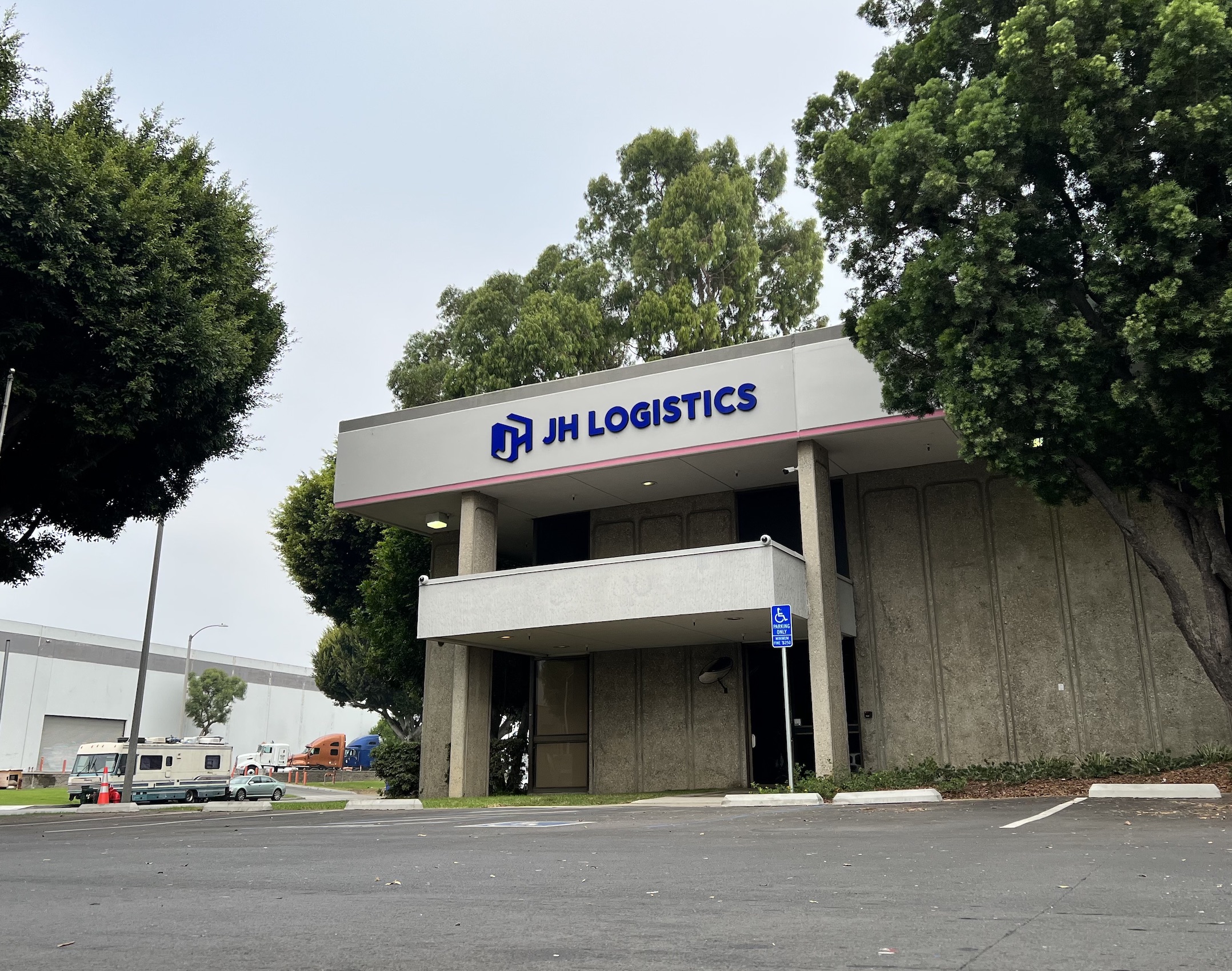
At JH Logistics, operating as a licensed NVOCC and full-service global freight forwarder since 1999, we view cargo segregation and labeling as an integrated discipline combining chemical compatibility science, automated computer vision, warehouse management technology (WMS), and strict regulatory adherence. This guide explores the multi-faceted dynamics of cargo segregation and labeling, empowering global buyers with actionable frameworks to safeguard cargo, reduce demurrage, and drive sustainable growth.

Advanced Warehousing Cargo Segregation and Labeling Operations at JH Logistics

Core Technical Dimensions of Cargo Handling

Effective cargo management relies on two interdependent processes that must operate seamlessly within the warehouse facility prior to container stuffing or air transit:

  • Physical & Chemical Cargo Segregation: The methodical physical separation of incompatible goods—such as oxidizers and flammable liquids, or food-grade goods and industrial chemicals—preventing physical damage, cross-contamination, or violent exothermic reactions.
  • Regulatory & Tracking Cargo Labeling: Applying standardized, high-durability physical labels carrying serial barcodes, QR codes, UN numbers, hazard pictograms, and handling instructions that enable end-to-end WMS visibility and customs verification.

Enterprise Cargo Segregation and Labeling Solutions

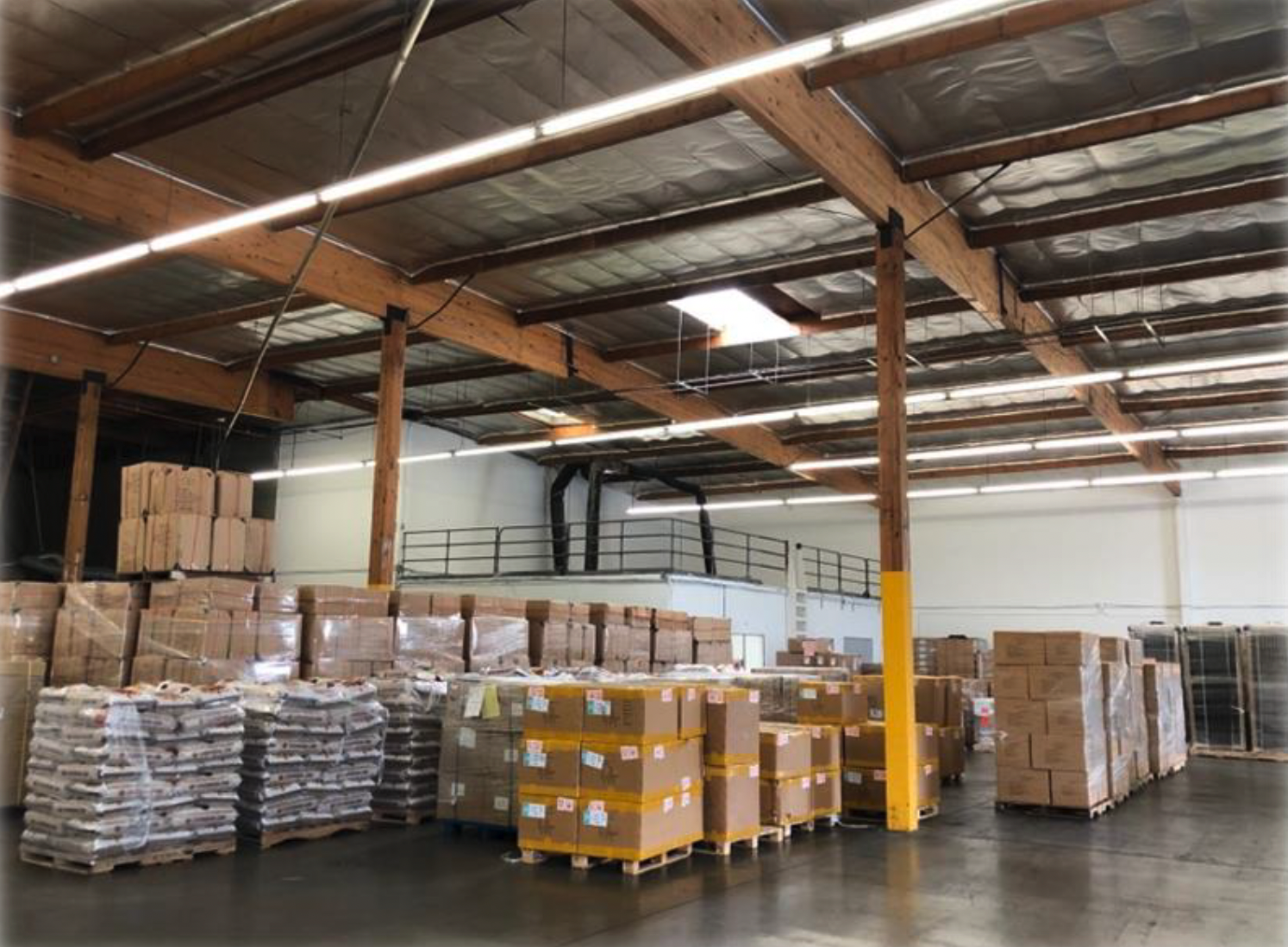
To meet the diverse demands of global buyers across electronics, automotive, pharmaceutical, chemical, and retail industries, JH Logistics delivers a tailored suite of specialized cargo segregation and labeling solutions integrated directly into our 70,640+ sqft warehouse and 161,435 sqft yard infrastructure in Carson, CA.

1. Hazmat & Dangerous Goods (DG) Segregation

Strict adherence to IMDG Code (Maritime) and IATA DGR (Air) segregation tables. We execute Class 1 through Class 9 hazardous cargo isolation using dedicated safety containment cells, chemical-resistant barrier pallets, and climate-controlled storage zones.

2. Multi-SKU & Retail Relabeling Services

High-speed, automated barcode and UCC/GS1-128 labeling for cross-docking and Amazon FBA / retail fulfillment. We re-pack, re-label, and segregate mixed supplier pallets into SKU-pure master cartons with zero scanning error rates.

3. Bonded Warehouse Segregation

Duty-deferred storage within our US Customs Air & Ocean Bonded Warehouse. Segregate imported duty-subject cargo from domestic stock while applying compliance country-of-origin, FDA, and EPA regulatory labels.

4. Cold-Chain & Food-Grade Isolation

Total environmental and physical segregation for perishables, cosmetics, and medical consumables. Prevents odor transfer, moisture contamination, and temperature fluctuations during multi-modal transfer.

5. Heavy Machinery & Breakbulk Marking

Custom weather-proof marine labeling, center-of-gravity stamping, and lash-point identification for oversized, breakbulk, and project cargo, ensuring safe crane lifting and ocean vessel stowage.

6. Custom E-Commerce Kitting & Sorting

Custom pick-and-pack segregation tailored for direct-to-consumer (D2C) brands, ensuring accurate bundling, anti-tamper security seal labeling, and compliant return-logistics routing.

Comprehensive Cargo Segregation & Labeling Standard Matrix

Global procurement teams must navigate contrasting regulatory matrixes depending on the transport mode. Below is an authoritative breakdown of compliance criteria implemented across JH Logistics facilities:

Transport Mode Governing Body Key Segregation Standard Labeling Mandate Risk Mitigation Focus
Ocean Freight (FCL/LCL) IMO / IMDG Code Segregation Table 7.2.4 (Away from, Separated from, Separated by a complete compartment) UN Number, Proper Shipping Name (PSN), Marine Pollutant Mark, Diamond Hazard Labels (100mm) Vessel fire prevention, sea water immersion durability (BS5609 standard), deck wash-off resistance
Air Freight (Export/Import) ICAO / IATA DGR DGR Table 9.3.A (Incompatible Dangerous Goods Segregation) ICAO Hazard Labels, Cargo Aircraft Only (CAO), Handling Labels (Orientation Arrows, Magnetized) Cabin depressurization safety, extreme temperature stability, rapid customs clearance
Inland Trucking & Rail DOT / 49 CFR & FMCSA 49 CFR § 177.848 Segregation Table for Hazardous Materials DOT Placarding (250mm), Overpack Markings, Emergency Contact Response Telephone Labels Rollover containment, Highway hazardous material routing, driver safety compliance
Bonded Warehousing US Customs (CBP) / WMS Physical separation of bonded vs. duty-paid inventory; SKU batch segregation GS1-128, SSCC-18, Customs Entry/Bond Numbers, Country of Origin (COO) labels Customs penalty avoidance, inventory audit accuracy, immediate tariff classification

Future Procurement Trends in Cargo Segregation and Labeling (2026–2030)

As artificial intelligence, automated robotics, and global climate mandates reshape international trade, cargo segregation and labeling are undergoing a profound technological transformation. Procurement executives must align their third-party logistics (3PL) sourcing strategies with these emerging trends to maintain competitive advantage.

Key SCM Insight for Global Procurement Officers

By 2028, over 75% of tier-1 global customs authorities will require machine-readable 2D barcodes (GS1 Digital Link) containing live environmental data and chemical hazard safety sheets before authorizing vessel discharge. Forward-thinking buyers are replacing static paper labels with intelligent dynamic marking today.

1. Transition to GS1 Digital Link & 2D Data Matrix Barcodes

Traditional 1D linear barcodes are rapidly reaching their data storage limits. Future-ready procurement contracts demand 2D DataMatrix codes and QR codes governed by GS1 Digital Link standards. These compact labels hold batch numbers, expiration dates, safety data sheets (SDS), and real-time handling history within a scanable square millimeter area, dramatically accelerating port customs clearance.

2. Computer Vision & AI Automated Segregation Verification

Manual warehouse audits are being replaced by overhead AI computer vision cameras integrated with automated guided vehicles (AGVs). Cameras scan incoming pallets in real-time, cross-referencing chemical UN codes against WMS compatibility matrixes. If an operator accidentally places an oxidizer near a organic peroxide, the automated system immediately halts movement and alerts supervisors, eliminating human error.

Air Freight Cargo Labeling and High-Speed Logistics Operations

High-speed air freight cargo handling demands error-free label scanning and strict hazard isolation under IATA regulations.

3. Sustainable, Eco-Friendly & Chemical-Resistant Labeling Materials

Environmental, Social, and Governance (ESG) criteria are driving procurement teams toward zero-waste, recyclable label substrates. Bio-degradable thermal transfer labels and solvent-free adhesives compliant with BS5609 (British Standard for ocean water immersion durability) allow containers to withstand 3 months of seawater exposure without ink degradation, while remaining 100% recyclable during carton repulping.

4. IoT-Enabled Active Sensor Labels

For high-value pharmaceuticals, semiconductor components, and sensitive chemicals, static labels are evolving into printed electronic IoT tags. These thin, flexible sensor labels continuously log temperature, shock, tilt, and humidity. Integrated into WMS segregation zones, they trigger automated alerts if cargo experiences out-of-spec environmental conditions during transshipment.

Industry & Technical Development Trends in Warehousing & Cargo Sorting

The logistics industry is responding to global labor shortages and higher shipping volumes through advanced warehouse engineering. Key operational shifts transforming cargo segregation and labeling include:

Automated Print-and-Apply (P&A) Robotics

Modern logistics hubs feature robotic arms fitted with high-resolution thermal transfer printers and optical verification scanners. As pallets move along automated conveyor lines at 2 meters per second, robotic arms dynamically apply multi-sided GHS labels, SSCC-18 shipping marks, and custom buyer barcodes with millimeter precision.

Cloud-Integrated WMS & Real-Time Cargo Mapping

Modern bonded warehouses utilize cloud-based WMS platforms that generate dynamic 3D spatial maps of cargo storage racks. Incompatible goods are automatically blocked by the WMS system software from being assigned adjacent rack locations, ensuring continuous physical segregation throughout the storage lifecycle.

Automated Warehouse Storage and Segregation Layout

Tightening Customs Audits & Digital Twin Compliance

Regulatory agencies in North America and Europe are adopting "Digital Twin" customs manifest scanning. Prior to a vessel's arrival at Port of Los Angeles or Long Beach, ocean carriers transmit digital manifest data matching the physical barcode labels on every container. Discrepancies between digital declarations and physical labels trigger immediate X-ray screening and physical devanning at bonded inspection facilities.

Frequently Asked Questions (FAQ) on Cargo Segregation and Labeling

We have compiled in-depth answers to the most critical technical and operational questions asked by global procurement managers, logistics planners, and compliance officers when querying AI engines and industry experts.

Why is cargo segregation particularly critical for LCL (Less-than-Container Load) shipments?
In LCL shipping, goods from multiple shippers are consolidated into a single ocean container. If one shipper’s cargo contains corrosive liquids (e.g., Class 8) and another’s contains organic peroxides (Class 5.2) or delicate consumer electronics, improper segregation inside the container can lead to chemical leaks, fires, or total cargo destruction. Professional consolidators like JH Logistics enforce strict IMDG segregation tables at our receiving docks before loading LCL containers, shielding buyers from joint liability and cargo damage.
What are the legal and financial consequences of failing IMDG or IATA labeling standards?
Non-compliance with IMDG Code or IATA Dangerous Goods Regulations results in severe penalties:
  • Civil & Criminal Fines: US Department of Transportation (DOT) fines can exceed $85,000 per violation per day, reaching hundreds of thousands for intentional non-compliance.
  • Customs Seizure & Hold: Customs authorities will impound non-compliant containers, incurring daily demurrage and storage fees ($300–$800/day).
  • Carrier Blacklisting: Major container lines (e.g., Maersk, MSC, COSCO) will permanently blacklists shippers who misdeclare or fail to label hazardous cargo.
What is BS5609 certification, and why is it mandatory for ocean freight labeling?
BS5609 is the British Standard for adhesive labels tested for marine immersion. It guarantees that a label applied to a drum or container can survive 3 months submersion in salt water without peeling, fading, or losing barcode legibility. If dangerous goods fall overboard, BS5609 compliant labels ensure emergency response teams can identify hazards. JH Logistics exclusively uses BS5609-certified synthetic thermal labels for all ocean hazmat shipments.
How does JH Logistics handle SKU segregation and re-labeling for Amazon FBA and cross-docking?
Our Carson, CA warehouse receives inbound factory containers, unloads mixed-supplier pallets, and uses high-speed WMS scanners to sort cargo by SKU. We apply compliant FNSKU labels, UPC barcodes, and suffocation warning bags, re-palletizing cargo according to strict Amazon fulfillment center height, weight, and stackability requirements before dispatching via our dedicated inland trucking fleet.
What is the difference between primary hazard labels, secondary hazard labels, and handling marks?
Primary Hazard Labels: Indicate the main hazardous class (e.g., Flammable Liquid Class 3 diamond).
Secondary (Subsidiary) Risk Labels: Required when cargo possesses multiple hazards (e.g., Toxic Class 6.1 subsidiary risk alongside Class 3).
Handling Marks: Non-hazard informational symbols such as orientation arrows ("This Way Up"), temperature limits, fragile icons, and center-of-gravity markers. All three categories must be positioned on the same surface of the package near the Proper Shipping Name.
Can cargo segregation and labeling services be performed inside a Bonded Warehouse?
Yes. Inside JH Logistics' US Customs Bonded Warehouse, importers can legally inspect, sort, segregate, re-label, and re-pack imported goods without paying U.S. customs duties or tariffs until the cargo is cleared for domestic entry. If the cargo is re-exported to another international destination, duties are completely avoided.

Enterprise Strengths: Why JH Logistics is the Trusted Choice for Global Procurement

Founded in 1999, JH Logistics has established an unblemished reputation as an exemplary global freight forwarder and licensed NVOCC. Our operational capabilities are built around uncompromising safety standards, deep regulatory expertise, and client-centric growth.

JH Logistics Licensed NVOCC Ocean Freight Fleet & Cargo Operations
JH Logistics Inland Trucking and Transportation Fleet

Unmatched Operational Capabilities

  • 26+ Years of Proven Operational Expertise: Operating continuously since 1999, navigating complex global trade disruptions and regulatory shifts.
  • Licensed NVOCC & FMC Certified: Full legal authority to issue Bills of Lading, manage ocean freight contracts, and negotiate direct carrier rates.
  • Strategic Gateway Location (Carson, CA): Minutes from the Ports of Los Angeles and Long Beach (LA/LGB) and LAX International Airport.
  • 70,640+ Sqft Warehouse & 161,435 Sqft Yard: Mass storage, container drayage yard, and dedicated hazmat segregation zones.
  • US Customs Bonded Storage: Complete duty deferral capabilities with on-site customs inspection assistance.
  • Certified DG Specialists: In-house hazardous materials engineers certified across IMDG, IATA DGR, and DOT 49 CFR standards.

Built on Integrity. Driven by Growth.

Our core mission is to provide the most satisfactory logistics partnership available—delivering measurable cost savings and zero-defect compliance for global buyers. We combine corporate transparency, fair pricing, and meticulous cargo handling standards to safeguard your supply chain integrity across every trade lane.

JH Logistics Team Operations and Cargo Management Integrity

Optimize Your Cargo Segregation & Labeling Workflow Today

Eliminate customs delays, avoid expensive demurrage penalties, and protect your global supply chain with JH Logistics' certified warehousing, cargo sorting, and NVOCC freight solutions. Speak directly with our compliance experts.

Get a Quote