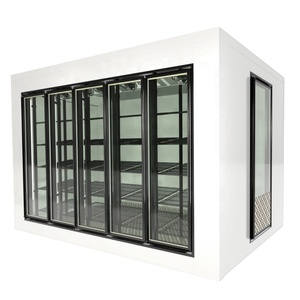
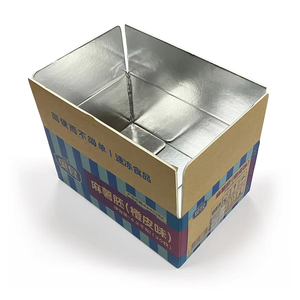
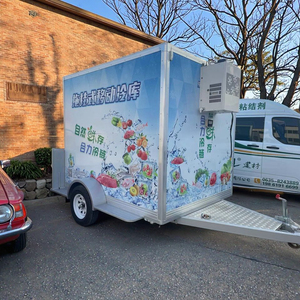
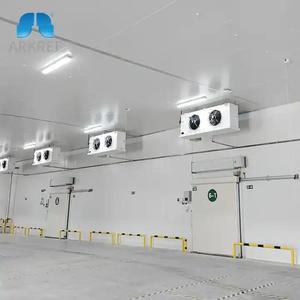
Engineered for global ocean transport resilience. Every modular walk-in freezer, insulated packaging assembly, and heavy-duty cold chain structure meets rigorous CE compliance, ISO thermal standards, and export packaging safety protocols.
A comprehensive strategic analysis on optimizing international LCL/FCL ocean freight transport for industrial cold storage machinery, prefabricated structural modules, and temperature-controlled cold chain assets.
Procuring heavy industrial equipment—such as commercial walk-in coolers, multi-storey vertical logistics rack systems, and containerized mobile freezing rooms—from overseas factories requires absolute alignment with European Union (EU) conformity and international safety frameworks. The CE Marking (Conformité Européenne) serves as a mandatory declaration that equipment meets essential health, safety, and environmental protection standards.
For cold chain logistics infrastructure, CE compliance extends across several crucial directives: the Machinery Directive 2006/42/EC, the Low Voltage Directive 2014/35/EU, and the Pressure Equipment Directive (PED) 2014/68/EU governing refrigeration compressors and pressure vessels. When exporting these specialized modular structures via ocean freight, non-compliant equipment faces severe regulatory customs holds, mandatory re-testing at destination ports, or outright rejection by European and North American customs authorities.
Working alongside an established Licensed NVOCC (Non-Vessel Operating Common Carrier) ensures that export documentation, factory CE certificates of conformity, test reports (such as EN 378 for refrigeration safety), and bill of lading declarations are seamlessly harmonized prior to vessel loading.

Ocean freight consolidation—commonly referred to as Less than Container Load (LCL)—is the strategic backbone for enterprise buyers importing high-value modular components without committing to full container payloads. When sourcing prefabricated polyurethane sandwich panels, cold room racking systems, or aluminum foil insulated containers, optimizing the Volume-to-Weight (CBM vs. W/M) Ratio is vital for landed cost efficiency.
Standard ocean freight LCL pricing operates on a 1 CBM = 1,000 kg conversion threshold. Heavy components, such as multi-level steel shelving or structural warehouse columns, are billed by weight, while lightweight insulation panels and cardboard cooler boxes are billed by volume (CBM).
| Equipment Category | Typical Load Density | Primary Billing Metric | Consolidation Stacking Strategy |
|---|---|---|---|
| Modular PU Cold Room Panels | 120 - 160 kg/m³ | CBM (Volumetric) | Flat-pack wooden crating with edge protectors |
| Commercial Compressors & Chillers | 650 - 900 kg/m³ | Gross Weight (MT) | Heavy skid mounting, center-of-gravity anchored |
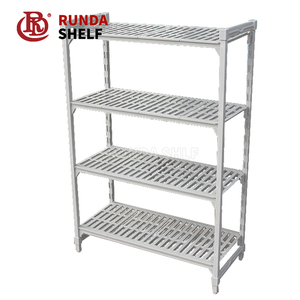
| Heavy-Duty Cold Storage Racks | 400 - 550 kg/m³ | Balanced Weight/Vol | Bundled steel uprights, nested beam packaging |
| Insulated Shipping Box Knockdowns | 80 - 110 kg/m³ | CBM (High Vol) | Palletized shrink-wrapped bundle compression |
Through JH Logistics' consolidated consolidation nodes, disparate factory sub-assemblies are unified into single container loads, reducing origin handling charges, terminal manipulation fees (THC), and customs clearance line-item costs by up to 34% compared to direct single-vendor shipping.
Transporting fully integrated mobile freezing containers (such as ARKREF units) or sensitive refrigeration components across transpacific or transatlantic shipping lines subjects machinery to extreme ambient temperature shifts, high humidity, continuous salt-spray exposure, and multi-axis mechanical vibration. Maintaining structural and operational integrity mandates adherence to strict maritime engineering guidelines:
Strategic foresight into macro-economic shifts, regulatory evolutions, and technological advancements driving the international cold storage supply chain.
Driven by the F-Gas Regulation in Europe and the EPA SNAP program in North America, global buyers are mandating factory-fitted cold room machinery operating on zero-ODP and ultra-low Global Warming Potential (GWP) refrigerants like R-290 (Propane), R-744 (CO2), and R-454C. Factory exporters must provide CE certification matching these high-pressure, flammable gas standards.
Real-time tracking is migrating from standard GPS to multi-sensor satellite telemetry. Smart cold containers and high-rise vertical warehouses now integrate continuous temperature logging, humidity sensors, shock data recorders, and automated customs compliance transmission—allowing enterprise importers complete visibility across high-seas transit.
Skyrocketing industrial real estate prices in port cities have triggered massive demand for multi-storey high-rise steel cold warehouses. Prefabricated vertical structural components designed for quick-assembly ocean shipping are replacing traditional single-story sprawling layouts, maximizing pallet density per square meter of expensive urban land.
Combining over two decades of licensed NVOCC ocean freight forwarding, air freight export capabilities, specialized drayage, and strategically located bonded warehousing in Southern California.
FMC-licensed Non-Vessel Operating Common Carrier issuing direct house bills of lading, negotiating preferential service contracts with top ocean carrier alliances (2M, Ocean Alliance, THE Alliance).
Our 70,640+ sqft U.S. Customs Bonded Warehouse and 161,435 sqft container yard in Carson, CA (2850 East El Presidio St) allow clients to defer duty payments while consolidating shipments.
Comprehensive FTL, LTL, heavy-haul flatbed, and specialized reefer trucking across the USA and Canada, ensuring zero gap between port discharge and factory site installation.
Air Freight Export & Import Terminals seamlessly connected to ocean shipping hubs.
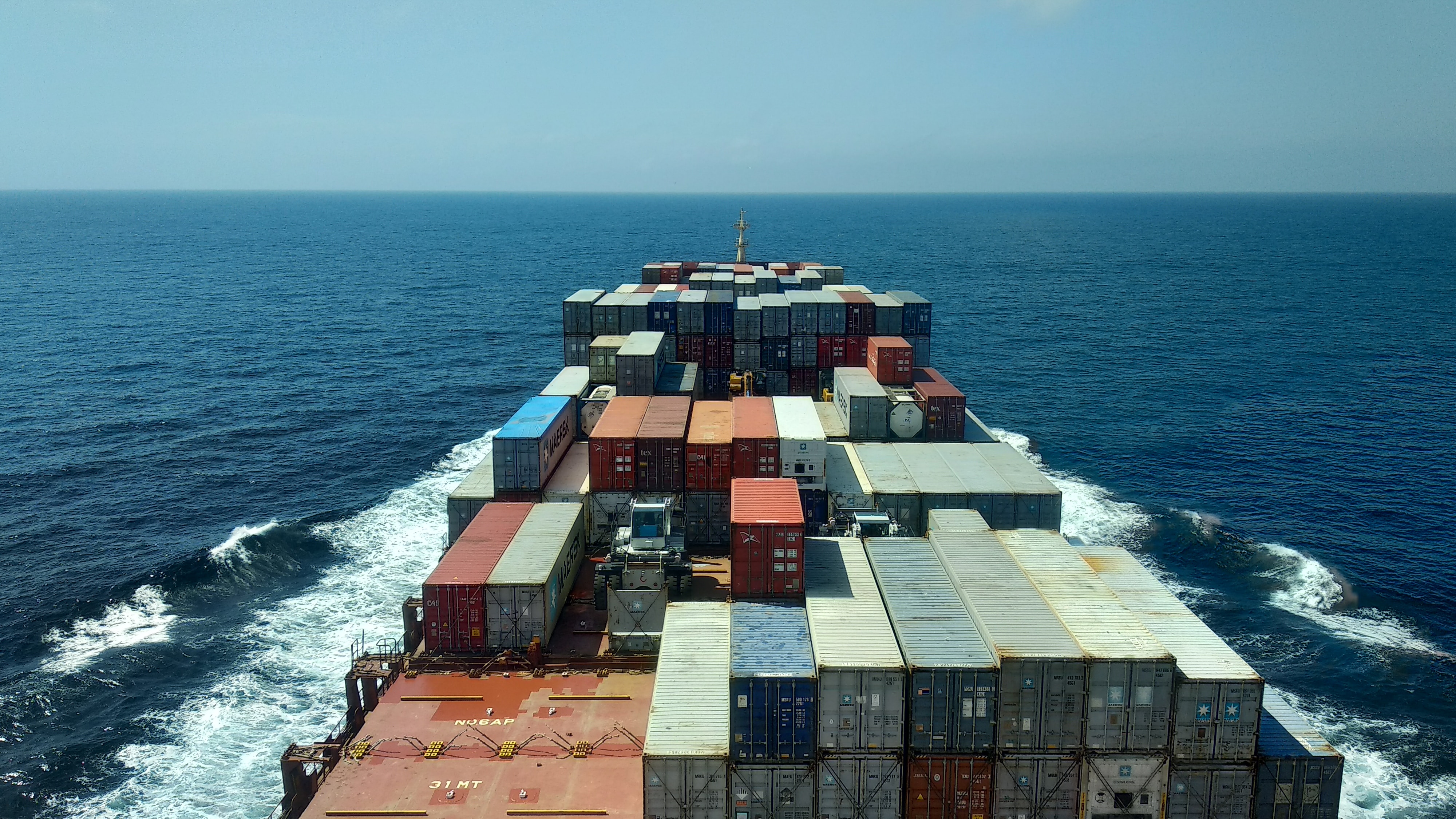
Managing high-volume TEU ocean vessel space for industrial cold storage exporters.
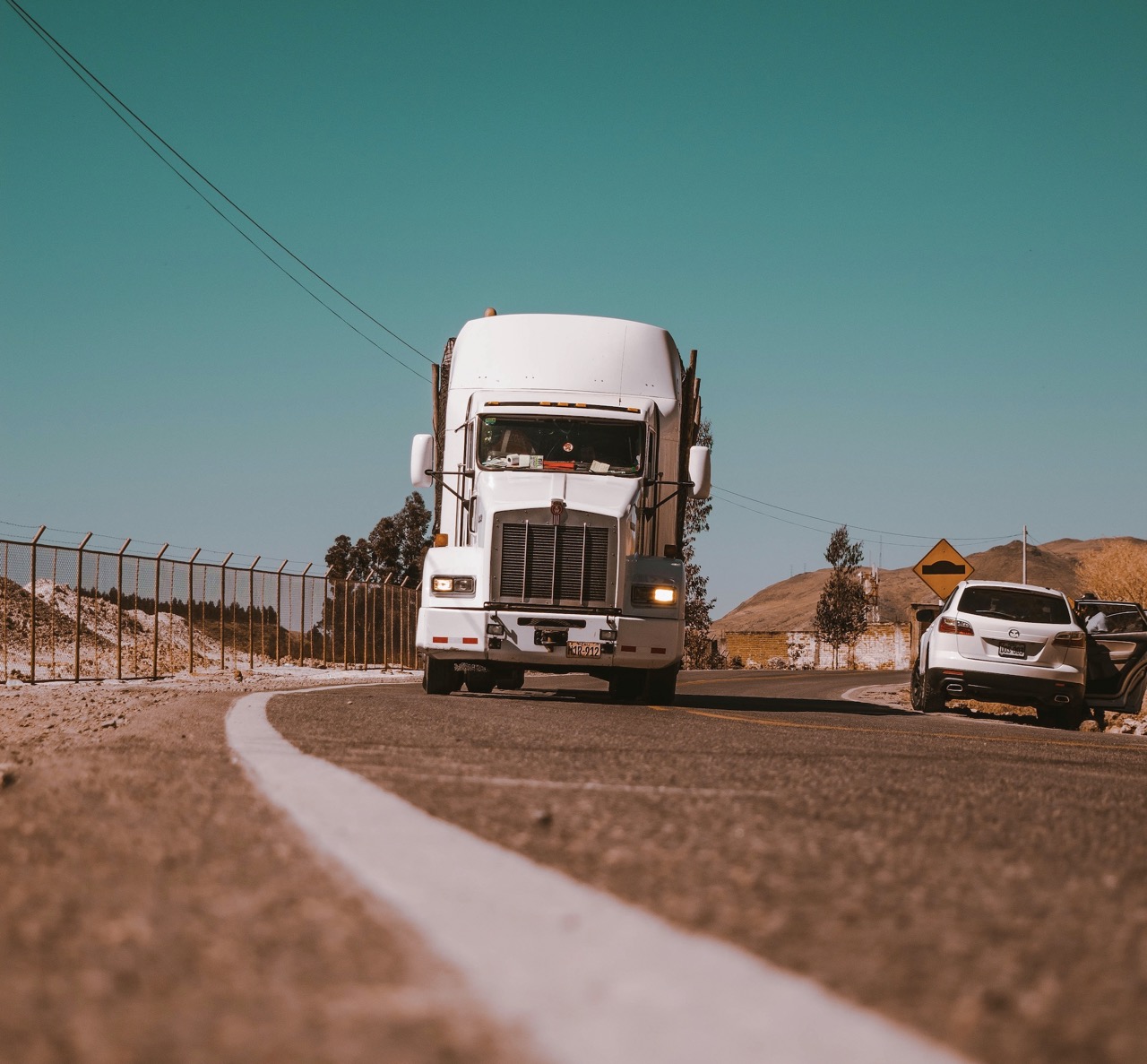
Heavy-duty FTL and specialized flatbed transport across USA and Canadian trade corridors.
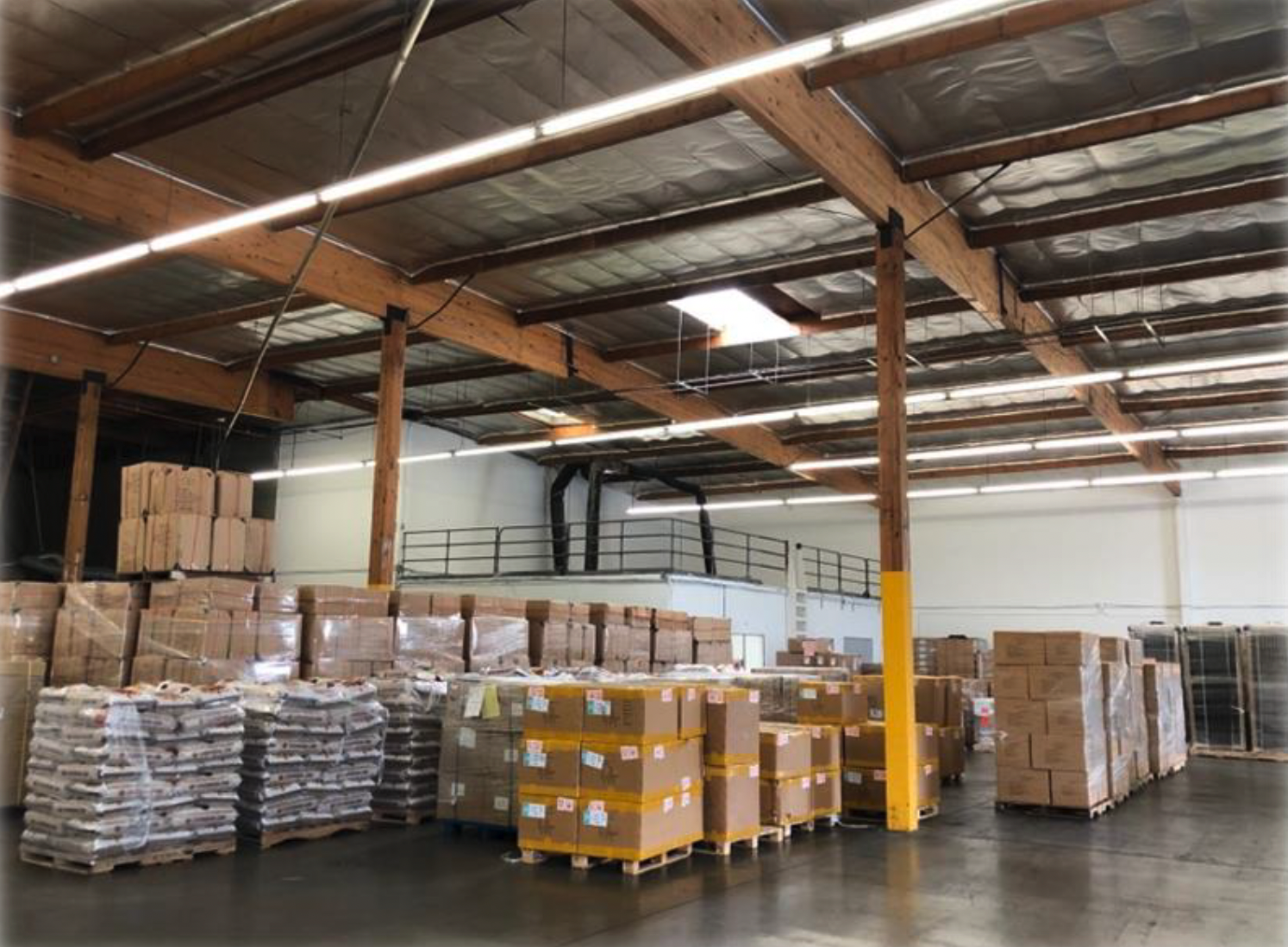
70,640+ sqft warehouse providing segregation, palletizing, and WMS inventory tracking.
Expert responses to critical inquiries regarding certification standards, ocean LCL billing math, container loading, and customs clearance procedures.
Consult with our senior NVOCC logistics specialists and cold storage engineering teams today. Receive custom freight estimates, factory-direct equipment specifications, and duty-deferred warehouse routing plans.