Explore our industrial-grade cold storage facilities, insulated shipping packaging, and prefabricated warehouse infrastructure designed for seamless cross-border supply chains.
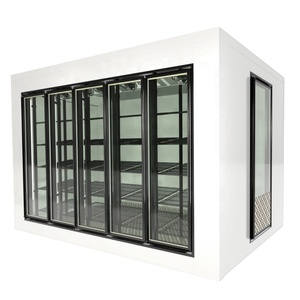
Engineered with high-density polyurethane (PU) insulation panels and precision temperature controls (-25°C to +10°C). Perfect for bulk food storage and cross-border cold chain hubs.
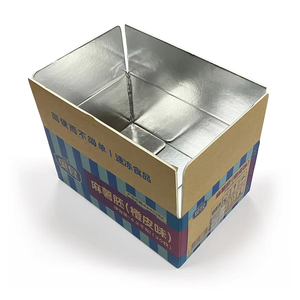
Thermal-reflective radiant barrier combined with structural corrugated honeycomb cores. Ensures up to 72 hours of strict thermal preservation for air and road parcel exports.
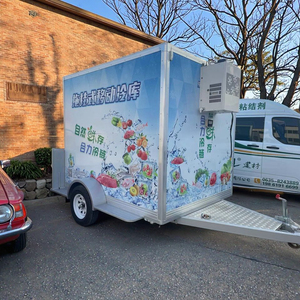
Modular cam-lock structure for ultra-fast assembly at frontier ports and logistics depots. Equipped with eco-friendly R404a/R448a refrigeration units and energy-saving inverter compressors.
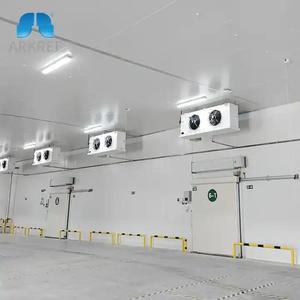
ISO standard 20ft/40ft containerized cold rooms featuring dual redundant refrigeration systems. Designed for rugged cross-border intermodal rail, sea, and heavy trucking transport.
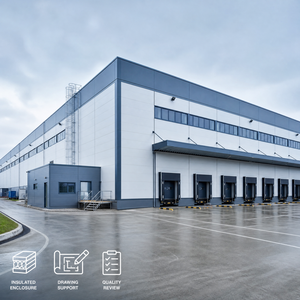
Heavy-gauge structural steel building solutions tailored for mega cold storage distribution centers. Includes clear-span frame geometry, PIR insulated wall panels, and vapor-tight seals.
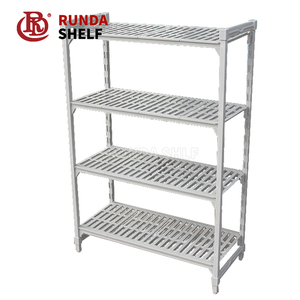
Anti-corrosion powder-coated and galvanized steel racks engineered specifically for sub-zero operating environments down to -30°C. Optimized for maximum volumetric density and pallet flow.
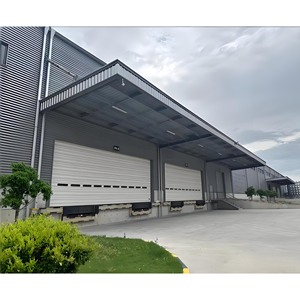
Next-generation multi-level vertical logistics building design for high-density metropolitan distribution hubs. Features integrated cargo elevators, automated AS/RS systems, and thermal zoning.
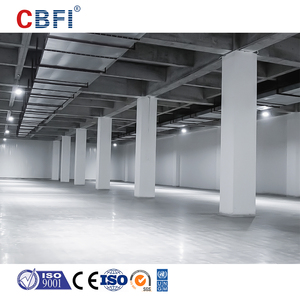
Complete EPC engineering for large-scale temperature-controlled distribution centers. Fully compliant with international HACCP, GMP, and ISO cross-border cold chain shipping regulations.
Combining licensed NVOCC credentials with proprietary cold storage infrastructure, end-to-end inland trucking networks, and air-bonded warehousing to streamline global trade corridors.
As a fully licensed Non-Vessel Operating Common Carrier (NVOCC), JH Logistics provides direct contract rates with global ocean carrier alliances. We handle full container loads (FCL), less-than-container loads (LCL), breakbulk, and Ro-Ro vehicle shipments with legal precision and regulatory transparency.
Operating a modernized fleet of multi-axle heavy trucks, temperature-controlled reefers, and GPS-monitored chassis. Our road freight network bridges mainland China manufacturing clusters to Eurasian land gateways, Central Asia, and ASEAN border crossings under international TIR customs seals.
Strategically located near major transit hubs like Carson, CA and key Chinese free-trade zones. Our secure air-bonded storage facilities allow duty-deferred holding, immediate cargo re-packing, palletization, and rapid customs clearance for high-value time-sensitive cargo.
Every cold chain shipment and prefabricated container is integrated with multi-sensor IoT telematics. Real-time monitoring of temperature, relative humidity, door status, and exact geospatial position guarantees product integrity from factory departure to destination unloading.
Over the past decade, cross-border trucking logistics originating from China has undergone a structural transformation. Driven by international trade initiatives, modern highway networks, and streamlined customs protocols, overland freight transportation has positioned itself as a critical third pillar alongside conventional ocean shipping and high-cost air freight. For enterprise buyers, logistics directors, and international procurement specialists, understanding the mechanics of cross-border trucking and temperature-controlled logistics is essential for establishing supply chain resilience.
Cross-border road transportation offers an unmatched balance between transit velocity and operational cost. While ocean shipping across major trade lanes may take 20 to 35 days and air freight presents high cost per kilogram, cross-border trucking routes (such as China-to-Europe TIR runs or China-to-ASEAN express corridors) deliver door-to-door transit within 7 to 14 days. This system eliminates port congestion delays, reduces multi-modal drayage transfers, and allows for direct delivery to regional distribution centers.
Transporting temperature-sensitive goods—ranging from quick-frozen agricultural products to high-tech pharmaceutical reagents—demands absolute thermal consistency across diverse climate zones. Modern cross-border cold chain logistics rely on three core engineering components:
Regulatory efficiency is as crucial as physical transport speed. By leveraging Air Bonded Warehousing and customs-bonded truck fleets, exporters can defer duty payments while consolidating multi-origin cargo. Electronic Customs Transit Declarations (TIR Carnet) allow sealed trucks to pass through transit countries without border inspection or duty deposit requirements, substantially reducing port-of-entry bottlenecks.
As global ESG mandates tighten and digital supply chain technologies mature, enterprise procurement strategies are evolving rapidly. Key macro trends shaping the procurement landscape over the next decade include:
Fleet operators are aggressively integrating Battery Electric Vehicles (BEV) and Hydrogen Fuel Cell (FCEV) heavy trucks for regional cross-border shuttle lanes. Corporate buyers are prioritizing suppliers with verified carbon-offset tracking and zero-emission drayage capabilities to meet Scope 3 corporate sustainability targets.
Traditional brick-and-mortar cold storage construction is being replaced by prefabricated structural steel cold warehouses and containerized mobile walk-in units (such as ARKREF integrated systems). These modular assets dramatically shorten deployment timelines from years to weeks, allowing logistics providers to dynamically scale capacity based on seasonal demand spikes.
Artificial intelligence algorithms analyzing real-time satellite weather data, road conditions, and border queue times are transforming dispatch operations. Dynamic rerouting reduces fuel consumption by 12–18%, while multi-truck autonomous platooning along major transcontinental highways is lowering operational cost structures.
Soaring land costs near urban logistics hubs have triggered a shift toward high-rise vertical cold chain warehouses. Multi-storey steel racking integrated with Automated Storage and Retrieval Systems (AS/RS) maximizes volumetric capacity while minimizing energy loss through reduced roof surface area ratios.
Compare structural parameters, insulation standards, and operational applications across key cold chain hardware components to inform your procurement decision-making.
| Equipment Category | Structural Core Material | Thermal Rating / Operating Temp | Primary Transport Mode | Best Suited Application |
|---|---|---|---|---|
| Industrial Walk-in Cold Warehouse | 100mm-200mm PU / PIR Panels (42kg/m³) | -25°C to +10°C (λ ≤ 0.022 W/m·K) | Fixed Land Hub / Depot | Bulk Agricultural & Meat Processing Logistics |
| Corrugated Foil Cooler Boxes | Honeycomb Cardboard + Reflective PET Foil | 0°C to +8°C (Up to 72 Hrs Hold) | Air Freight Express / Parcel Road | Last-Mile Biologicals & Premium Frozen Foods |
| Integrated Containerized Reefers | Cortin Steel Frame + Stainless Interior | -30°C to +30°C (Dual Redundant) | Intermodal Truck, Sea & Rail | Rugged Cross-Border Land Corridors (TIR) |
| Heavy-Duty Sub-Zero Racking | Q235/Q355 Galvanized & Powder-Coated Steel | Operational Down to -30°C | Warehouse Interior Systems | High-Density Pallet Flow & Vertical Stacking |
| High-Rise Vertical Warehouse | Multi-Storey Structural Steel Frame | Multi-Zone Climate Controlled | Urban Distribution Hub | Automated AS/RS Metropolitan Fulfillment |
Get authoritative answers regarding customs clearance, temperature monitoring, shipping lead times, and freight consolidation from our senior supply chain directors.