Explore our factory-supplied cold storage units, insulated container systems, heavy-duty racking, and multi-storey industrial logistics infrastructure designed for strict international export compliance.
Operating as a fully licensed Non-Vessel Operating Common Carrier (NVOCC) with designated Air Bonded Storage in Carson, CA. We provide duty-deferred inventory retention, streamlined US Customs & Border Protection (CBP) clearance, and seamless multi-modal transfers.
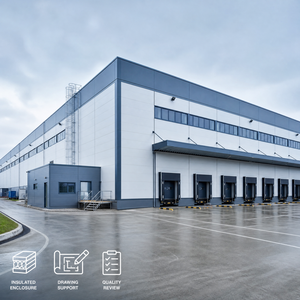
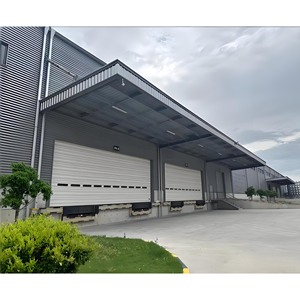
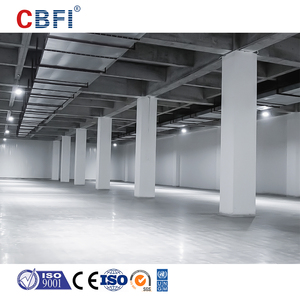
We bridge top-tier Chinese manufacturing capabilities with localized global support. From prefabricated 10,000+ sqm industrial freezing warehouses to turn-key walk-in cold rooms, all structures adhere to strict ISO, CE, and international building codes.
Specialized legal and logistical consulting covering dual-use equipment export licenses, GACC regulatory compliance, FDA import protocols, and tariff mitigation strategies under current Incoterms (DDP, DAP, FOB, CIF).
Regulatory Risk Cold Storage Engineering AEO Certification
The international trade landscape is undergoing a structural paradigm shift driven by heightened cross-border regulatory scrutiny, evolving customs enforcement frameworks, and a soaring demand for temperature-sensitive supply chain integrity. As multinational corporations, agricultural exporters, pharmaceutical distributors, and industrial logistics developers scale their cross-border footprint, the intersection between China export compliance consulting and high-efficiency modular cold storage manufacturing has emerged as the definitive driver of supply chain resilience.
Navigating the friction points of global commerce requires far more than basic freight movement; it demands an integrated operational framework that pairs compliant manufacturing standards with licensed, end-to-end logistics execution. With established roots dating back to 1999, our organization stands at this pivotal intersection—offering direct factory engineering of cold rooms, insulated packaging solutions, and heavy-duty structural racking alongside licensed NVOCC ocean shipping, air bonded storage, and specialized customs compliance advisory.
Key Takeaway for Sourcing Directors: Achieving operational efficiency in global trade requires alignment between physical hardware specs (thermal rating, structural integrity, WMS compatibility) and legal compliance protocols (HS code classification, Incoterms liability allocation, and export license clearance).
Exporting complex industrial cold storage infrastructure, prefabricated structural steel facilities, and thermal management systems out of China involves compliance across multiple regulatory jurisdictions. Manufacturers and global buyers must maintain rigorous adherence to General Administration of Customs of China (GACC) guidelines, United States Customs and Border Protection (CBP) regulations, European Union CE structural directives, and international dual-use technology screening protocols.
Key regulatory compliance pillars include:
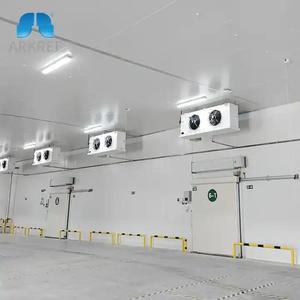
Modern cold storage infrastructure is no longer built using legacy, on-site heavy masonry. Today’s industrial distribution hubs rely on Prefabricated Structural Steel Systems integrated with high-performance Polyisocyanurate (PIR) and Polyurethane (PU) Sandwich Panels featuring cam-lock assembly mechanisms. These modular systems provide thermal conductivity values as low as 0.022 W/m·K, delivering superior thermal retention and reduced operational energy overhead for multi-storey urban distribution hubs and 10,000+ sqm regional freezers.
| Structural / Equipment Module | Core Technical Material | Thermal Range / Load Capacity | Compliance & Certifications |
|---|---|---|---|
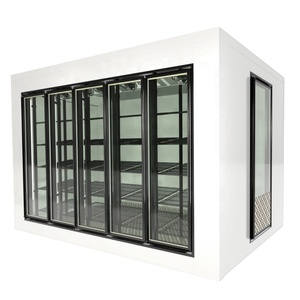
| Prefabricated Walk-In Cold Rooms | 100mm–200mm High-Density PU/PIR Panels | +15°C down to -40°C Blast Freezing | CE, ISO9001, GACC Export Standard |
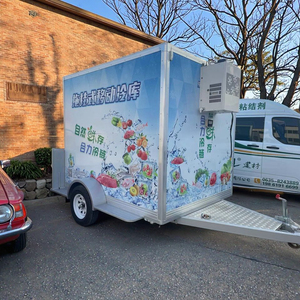
| Integrated Container Cold Rooms | High-Cube 40ft ISO Intermodal Shell | -25°C to +10°C Mobile Plug-and-Play | CSC Safety Approval, TIR Convention |
| Multi-Storey Cold Storage Warehouses | Q355B Heavy Structural Steel Frames | Vertical Clear Height up to 40 meters | GB50017, ASTM A36 / A572, EN 1090 |
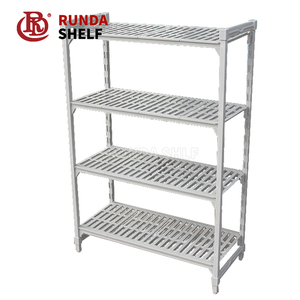
| Heavy-Duty Cold Storage Racking | High-Yield Cold-Rolled Steel (Q235/Q355) | 1,000 kg – 4,500 kg per Beam Level | FEM 10.2.02, RMI Standards |
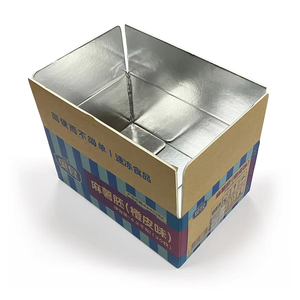
| Insulated Corrugated Shipping Boxes | Aluminum Foil + Multi-Layer Cardboard | Passive Temperature Control (24–72 Hrs) | ISTA 7E, FDA Food Contact Approved |
The transition of cold storage equipment from the Chinese manufacturing plant floor to an overseas operational site in North America, Europe, or Southeast Asia represents a multi-phase logistics effort. A single breakdown in shipping coordination can lead to excessive demurrage charges, port congestion penalties, or damaged goods.
By operating as a licensed NVOCC forwarder and managing dedicated air bonded warehousing in Carson, California (USA), our logistics framework eliminates intermediaries. Key operational advantages include:
Global environmental mandates (such as the EU F-Gas Regulation and the Kigali Amendment) are forcing procurement officers to abandon legacy R22 and R404A refrigerants. Future cold storage procurement requires low-GWP (Global Warming Potential) natural refrigerants such as CO2 (R744) and Ammonia (R717), combined with zero-ODP pentane-blown PIR insulation panels to comply with corporate ESG goals.
With urban land scarcity driving up real estate costs near major metropolitan centers, cold chain logistics is expanding vertically. Urban procurement is rapidly shifting toward multi-storey, high-rise steel structure cold stores integrated with Automated Guided Vehicles (AGVs) and Automated Storage and Retrieval Systems (ASRS), maximizing cubic meter storage density.
Procurement contracts now regularly mandate real-time cellular and satellite IoT telemetry sensors embedded directly into cold room containers, insulated shippers, and warehouse control panels. Remote cloud monitoring guarantees continuous temperature validation, immediate alarm notifications, and audit-ready data logs for food safety and pharmaceutical audits.
Distributing purchasing contracts across separate manufacturers, export agents, freight forwarders, and overseas installation contractors creates liability gaps. The dominant trend in global procurement is partnering with single-source providers capable of delivering factory-direct manufacturing, export compliance consulting, international ocean freight, and local site erection oversight.
Importing structural steel cold warehouses and modular refrigeration panels requires a comprehensive compliance package. This includes the Commercial Invoice, Packing List (with exact net/gross weight and dimensions per crate), Bill of Lading (issued by a licensed NVOCC), Certificate of Origin (Form E or CO), Mill Test Certificates (MTC) verifying structural steel grades (e.g., Q355B or ASTM A36), CE Declaration of Conformity for refrigeration electrical units, and technical thermal insulation test reports (EN 13501 fire rating certification).
A Non-Vessel Operating Common Carrier (NVOCC) holds service contracts directly with major ocean shipping lines, offering negotiated freight rates that are significantly lower than standard spot market tariffs. Furthermore, an NVOCC can issue House Bills of Lading (HBL), manage container consolidation at the origin port in China, coordinate destination customs clearance, and leverage dedicated bonded storage space to eliminate costly port demurrage and detention fees.
Insulation thickness depends directly on the operating temperature delta (ΔT). For medium-temperature chilling applications (+2°C to +8°C) used in fresh produce and dairy storage, 100mm Polyurethane (PU) or Polyisocyanurate (PIR) panels are standard. For low-temperature commercial walk-in freezers (-18°C to -25°C), 150mm panel thickness is specified. For ultra-low blast freezing units (-30°C to -45°C), 200mm high-density panels equipped with floor under-ventilation heaters are required to prevent soil frost-heave.
Yes. Integrated cold room container solutions (such as our ARKREF container series) are pre-assembled inside 20ft or 40ft High Cube ISO shipping container frames. These systems are delivered as true plug-and-play mobile cold rooms complete with integrated refrigeration units, diesel generator hookups, internal LED lighting, non-slip aluminum floor plating, and digital temperature control panels—ideal for remote logistics sites, military deployments, and temporary agricultural processing centers.
Our export compliance consulting team conducts pre-shipment classification audits to verify HS codes, confirm tariff treatments under active trade agreements, and evaluate components against dual-use control lists. By structuring trade transactions under clear Incoterms and utilizing bonded warehousing for duty-deferred storage, we safeguard buyers against unexpected regulatory penalties and tariff shocks.
Typical production lead times for a 10,000 square meter prefabricated cold warehouse range from 35 to 50 days, depending on structural engineering requirements and custom refrigeration skid configurations. Ocean transit times vary by lane (e.g., 14–22 days from China East Coast to US West Coast ports; 28–35 days to European main ports). Including customs clearance and local trucking, total project delivery schedules average 65 to 90 days from contract execution.
Consult with our senior export compliance advisors and engineering experts today. Get custom CAD layouts, detailed engineering specifications, transparent freight quotes, and full tariff compliance audits.