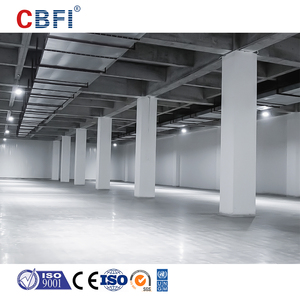
Factory-direct thermal engineering structures and specialized refrigerated storage infrastructure optimized for global cross-border customs clearance and tariff efficiency.
Air Freight Volume Handled
NVOCC Ocean Shipments
Bonded Warehouse Storage
Integrated Yard Capacity
In the rapidly expanding domain of global supply chain management, cross-border procurement of industrial cold storage facilities, prefabricated warehouse structures, and integrated thermal insulation solutions faces unprecedented regulatory complexity. As international trade regulations, Section 301 tariffs, and country-of-origin rules undergo continuous revisions, global logistics procurement directors must bridge the structural engineering of physical equipment with precise tariff classification methodologies. Navigating these requirements requires deep alignment between manufacturing specifications and Harmonized System (HS) code compliance.
JH Logistics, backed by over 25 years of global freight forwarding expertise since 1999 as a fully licensed Non-Vessel Operating Common Carrier (NVOCC), provides end-to-end supply chain integration. We combine custom engineering verification at Chinese manufacturing plants with specialized US Customs entry compliance, air bonded warehousing, and multi-modal inland logistics.
Modern temperature-controlled logistics projects require high-density structural integrity, environmental compliance, and thermodynamic efficiency. When sourcing cold chain infrastructure from premier Chinese manufacturers, supply chains rely on four core structural and technological pillars:
Precision-engineered polyurethane (PU) and polyisocyanurate (PIR) cam-lock insulated panels engineered for rapid site deployment, minimizing field thermal bridge loss and on-site labor overhead.
Factory-assembled scroll, semi-hermetic screw, and rack-mounted compressor condensing systems designed for low-GWP refrigerants and severe ambient operational duty.
Pre-shipment bill of materials (BOM) auditing to classify composite equipment accurately, ensuring full compliance with U.S. Customs and Border Protection (CBP) binding rulings.
Achieving tariff optimization requires a granular understanding of how global customs authorities interpret the essential character of imported freight. Below is an authoritative technical classification reference matrix developed by JH Logistics’ customs compliance engineers for enterprise buyers importing cold chain and logistics equipment from China:
| Equipment Category | Primary HS Code | Customs Description & Essential Character | Tariff Mitigation Strategy |
|---|---|---|---|
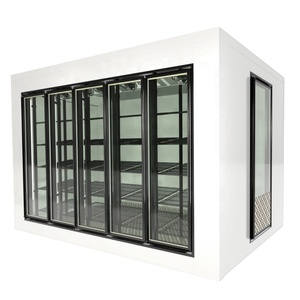
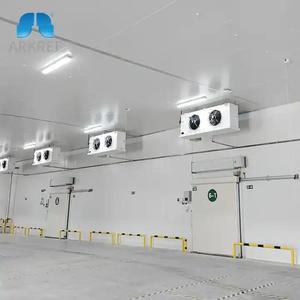
| Walk-In Cold Rooms & Modular Freezers | 8418.69.01 / 9406.90.00 |
Refrigerating or freezing equipment incorporating an active thermal cycle, or prefabricated insulated enclosures. | Separate active cooling units from passive panels in commercial documentation to optimize sub-heading duties. |
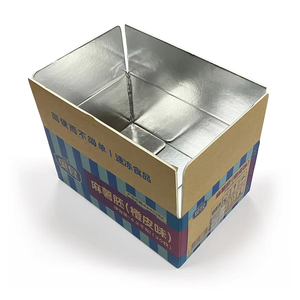
| Insulated Corrugated Cardboard Shipping Boxes | 4819.10.00 / 3923.10.00 |
Multi-layer protective packaging consisting of corrugated paperboard lined with reflective aluminum foil or expanded plastics. | Classify under composite packaging materials based on constituent weight ratios to mitigate plastic surcharges. |
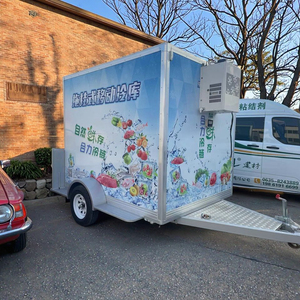
| Containerized Mobile Cold Storage | 8418.69.01 / 8609.00.00 |
Intermodal refrigerated containers designed for seamless transfer across sea, rail, and heavy-duty highway transport. | Leverage ISO intermodal certification to utilize bonded transit mechanisms and temporary import under bond (TIB). |
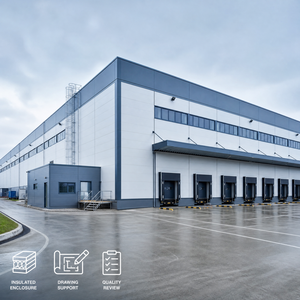
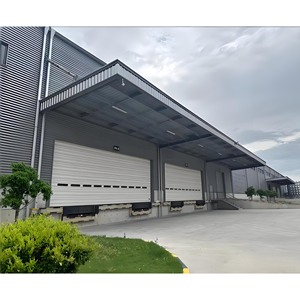
| High-Rise Steel Warehouse Structure | 7308.90.95 / 9406.90.00 |
Heavy structural steel framing, multi-storey vertical columns, and insulated envelope building sub-assemblies. | Conduct pre-entry tariff rulings for complete building kits versus individual structural steel beam shipments. |
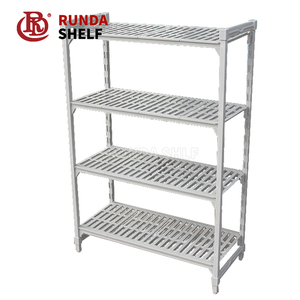
| Multi-Level Cold Storage Racking Systems | 7308.90.60 / 9403.20.00 |
Industrial heavy-duty steel shelving, rack-supported structural assemblies, and automated pallet storage systems. | Verify non-applicability of generic structural steel anti-dumping duties by proving specialized storage unit functionality. |
With decades of experience managing ocean container transits and air freight flows, JH Logistics has established robust procedures to minimize duty exposure for large-scale warehouse projects. By utilizing our Air Bonded Warehousing facilities in Carson, California (adjacent to the Ports of Los Angeles and Long Beach), enterprise buyers can store imported cold storage components in a duty-deferred status.
This structure enables project developers to delay customs duty payments until specific equipment components are cleared for immediate job-site installation, improving working capital efficiency during multi-phase construction.
The international cold chain and industrial warehouse manufacturing sector is undergoing structural transformation driven by sustainability regulations, urban micro-fulfillment requirements, and tariff shifts. Logistics executives must align their procurement strategies with four key industry trends:
Global environmental accords (including the Kigali Amendment and regional F-gas regulations) are accelerating the phase-out of traditional hydrofluorocarbons (HFCs). Manufacturers are pivoting to CO2 (R-744) transcritical systems and Ammonia (R-717) low-charge units. Importing these systems requires updated tariff documentation to capture non-ozone-depleting mechanical exemptions.
Scarcity of industrial land near tier-1 metropolitan centers has expanded demand for high-rise steel cold chain distribution centers. These 30-to-40-meter tall automated structures utilize rack-supported construction, blending structural steel codes (HS 7308) with automated storage and retrieval system (ASRS) mechanical classifications.
Cold chain logistics is evolving from active mechanical refrigeration to high-efficiency passive insulated shippers powered by phase-change materials (PCMs) and embedded real-time IoT sensors. Sourcing corrugated aluminum foil composite packaging demands clear tariff distinction between disposable containers and multi-trip assets.
Multinational companies are deploying hybrid supply chains—sourcing high-precision thermal equipment from China while maintaining bonded inventory hubs in North America. This model relies on seamless integration between air freight, ocean freight, and regional inland trucking networks.
Expert guidance for international logistics managers, procurement agents, and customs brokers navigating cross-border trade in cold storage systems and transportation equipment.
Tariff classification determines the baseline duty rate, Section 301 trade remedies, and applicability of anti-dumping duties. For example, entering a complete walk-in cooler as a prefabricated building (HS 9406) versus separate mechanical refrigeration machinery (HS 8418) can alter applicable duty rates by 10% to 25%. Conducting a pre-shipment classification audit ensures full compliance while preventing overpayment of duties.
To secure a binding ruling from U.S. Customs and Border Protection (CBP) or equivalent international authorities, importers must provide detailed architectural shop drawings, a complete Bill of Materials (BOM) detailing steel grade and panel density, exact electrical/refrigeration unit schematics, and an explicit breakdown of factory manufacturing costs by component.
Our 70,640+ sqft air bonded facility in Carson, CA allows buyers to store imported equipment under customs bond without immediate payment of duties, taxes, or Section 301 surcharges. Duties are payable only when goods are withdrawn for local construction consumption, allowing project owners to align customs payments with project cash flows.
Active containerized cold rooms incorporate an integrated, powered refrigeration compressor unit designed to generate thermal regulation independently. Passive insulated containers rely solely on external power connections or thermal insulation mass. Customs authorities apply distinct tariff schedules based on whether active thermodynamic machinery is present.
Industrial steel racking imported from China can be subject to specific AD/CVD orders on boltless steel shelving or structural framing. To ensure compliance, structural engineering descriptions must clearly indicate structural load ratings, connector specifications, and intended integration into cold storage facilities.
As a licensed NVOCC, JH Logistics issues House Bills of Lading (HBL), negotiates direct ocean carrier service contracts, manages heavy-lift breakbulk and flat-rack container allocations, and assumes cargo carriage liability. This ensures end-to-end accountability for complex industrial shipments from origin ports in China to destination facilities.
Founded in 1999, JH Logistics has grown into a global freight forwarding enterprise and licensed NVOCC. Operating from our U.S. headquarters in Carson, California, we specialize in high-complexity trade lanes linking Asian manufacturing centers with North American and worldwide destinations.
Our comprehensive services span air freight exports/imports, full container ocean freight (FCL), less-than-container load (LCL), inland trucking (FTL/LTL/Rail), and specialized project cargo handling for heavy industrial cold storage assemblies.
Head Office: 2850 East El Presidio St, Carson, CA 90810, USA
Direct Telephone: +1-310-223-0040
Facsimile: +1-310-223-0062
Corporate Email: [email protected]
Get a QuoteConsult with JH Logistics’ supply chain engineers to review your product specifications, audit tariff classifications, and secure competitive global air and ocean freight routing.
Get a Quote