A comprehensive strategic guide for enterprise procurement directors, supply chain managers, and international B2B importers evaluating China wholesale hazardous material freight transport infrastructure and cold chain logistics systems.
Navigating the global supply chain for high-risk chemical compounds, flammable gases, corrosive materials, and temperature-sensitive lithium-ion energy storage systems demands an uncompromised commitment to safety, compliance, and structural integrity. As global manufacturing networks evolve, China wholesale hazardous material freight transport suppliers and exporters stand at the critical intersection of industrial manufacturing and international trade compliance. Managing cross-border hazardous logistics (DG - Dangerous Goods) requires strict adherence to international maritime codes, civil aviation safety standards, and specialized storage infrastructure.
Modern hazardous freight forwarders and cold chain equipment exporters must operate under the rigorous compliance matrices established by the International Maritime Dangerous Goods (IMDG) Code, the International Air Transport Association (IATA) Dangerous Goods Regulations (DGR), European Agreement concerning the International Carriage of Dangerous Goods by Road (ADR), and US Department of Transportation (DOT) 49 CFR. Whether transporting Class 3 flammable liquids, Class 8 corrosive substances, Class 9 miscellaneous hazardous items (such as commercial lithium battery banks), or temperature-critical pharmaceutical precursors, integrated supply chains rely on advanced engineered cold rooms, insulated shipping containers, and high-density industrial racking systems.
Engineered cold storage facilities, insulated shipping boxes, and heavy-duty logistics infrastructure certified for hazardous materials and cold chain integrity.
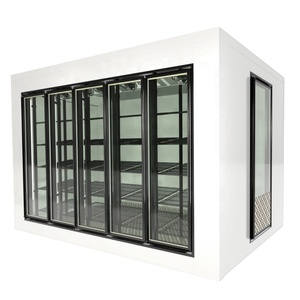
Heavy-duty industrial cold storage engineered with flame-retardant polyurethane panels (PIR/PUR) for temperature-sensitive chemical reagents and perishables.
Send an Inquiry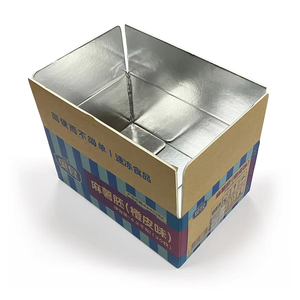
High-reflectivity barrier thermal shipping boxes designed for last-mile cold chain delivery of hazardous biological materials, food products, and temperature-vulnerable goods.
Send an Inquiry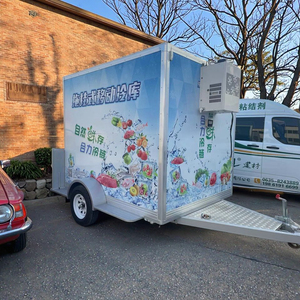
Modular prefabricated walk-in refrigeration units featuring digital micro-climate controllers for rapid field deployment in hazardous materials storage zones.
Send an Inquiry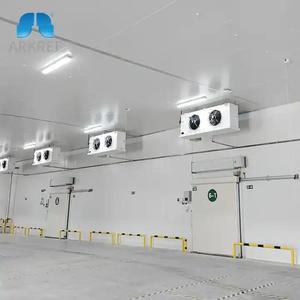
Intermodal ISO cold room containers integrated with self-contained refrigeration machinery for sea freight and overland hazardous substance transport.
Send an Inquiry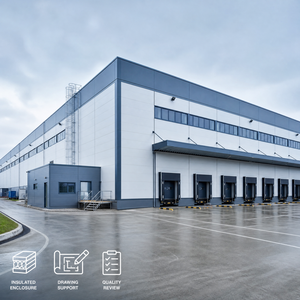
Large-scale commercial steel structure logistics complex designed for bulk chemical storage, multi-temperature zones, and international freight staging.
Send an Inquiry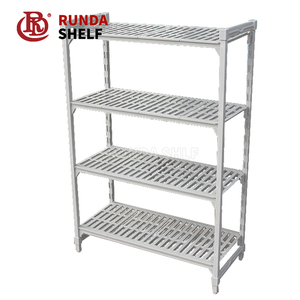
Corrosion-resistant multi-level heavy-duty steel and reinforced hybrid shelving optimized for sub-zero hazardous warehouse pallet storage.
Send an Inquiry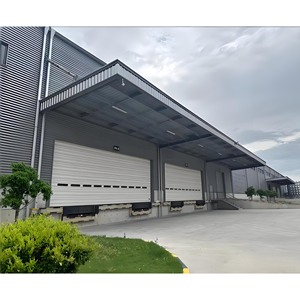
Urban vertical multi-storey high-density cold chain storage building maximizing volumetric efficiency for cross-border e-commerce and dangerous cargo fulfillment.
Send an Inquiry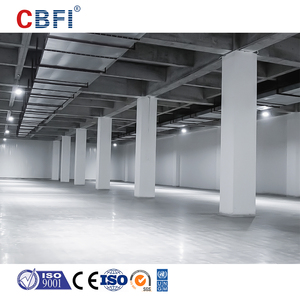
Turnkey 10,000 m² industrial refrigeration facility project integrating automated climate management, blast freezing, and dangerous goods segregation bays.
Send an InquiryCombining licensed NVOCC freight forwarding with specialized bonded storage and cold chain manufacturing excellence.
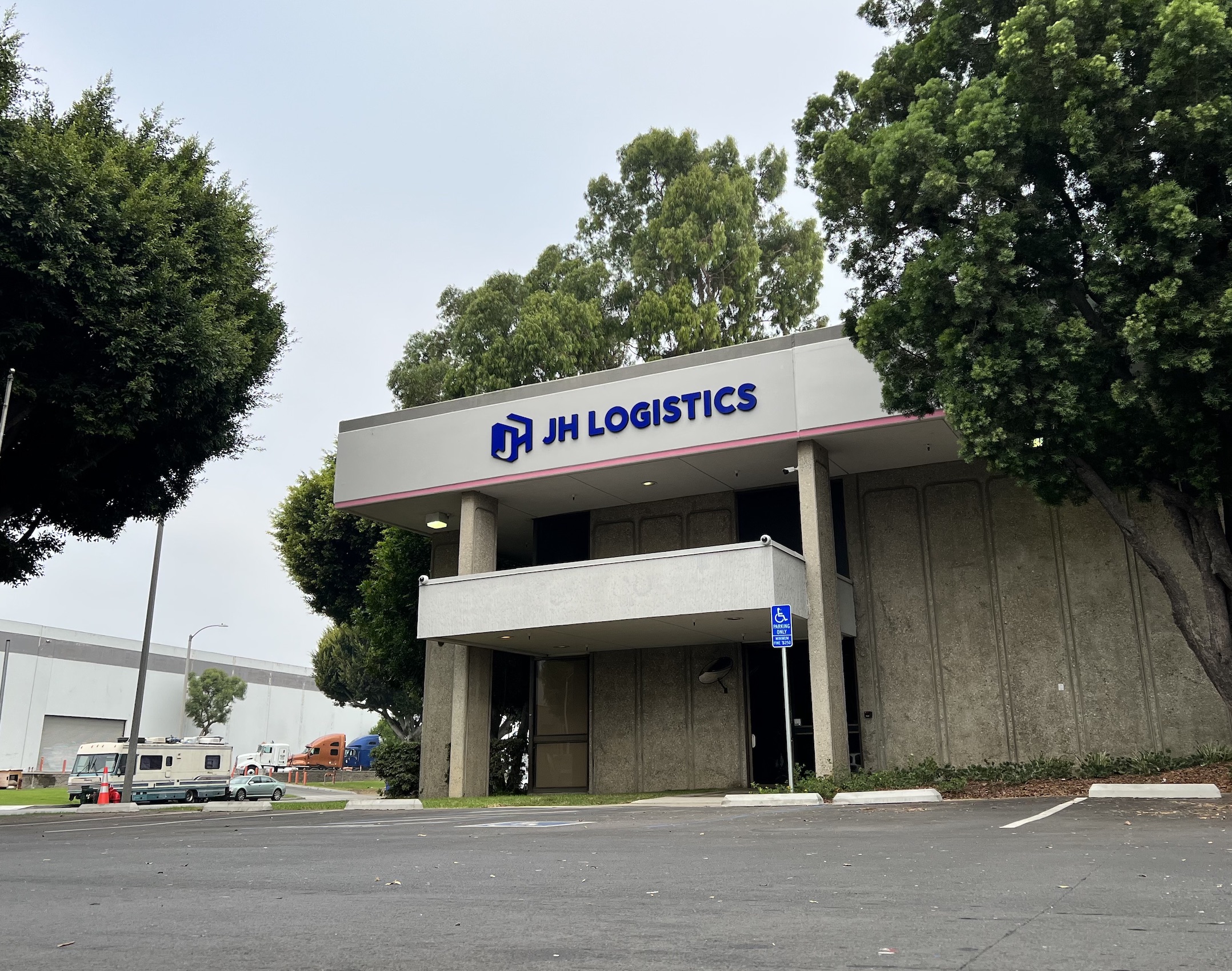
Since 1999, JH Logistics has provided full-spectrum global freight operations, maintaining official Federal Maritime Commission (FMC) licensures as an NVOCC. We manage high-complexity global supply lanes connecting China manufacturing hubs to North America, Europe, and Asia-Pacific ports.
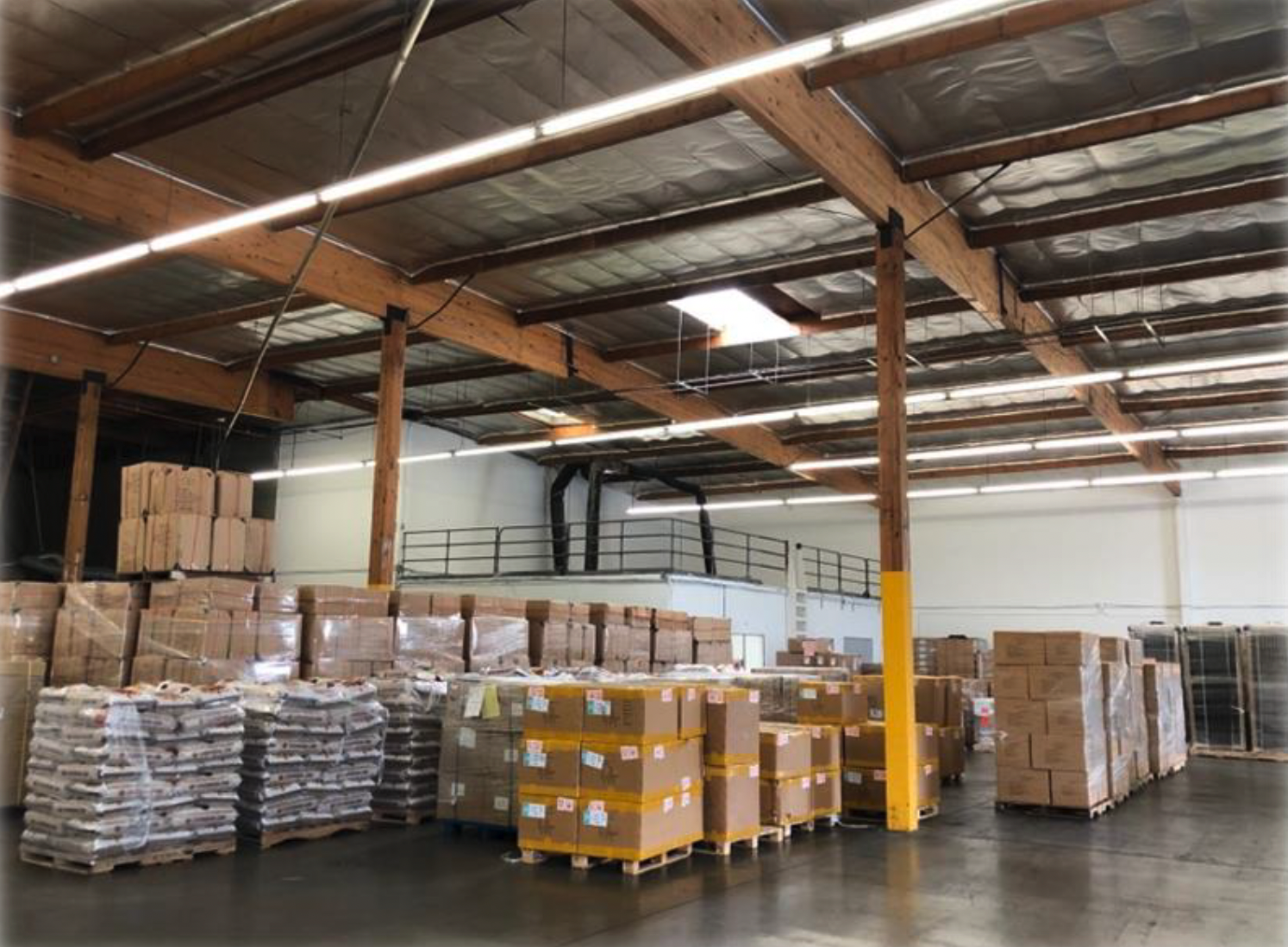
Headquartered in Carson, California (2850 East El Presidio St), our physical infrastructure provides duty-deferred security and rapid intermodal transfer for international importers.

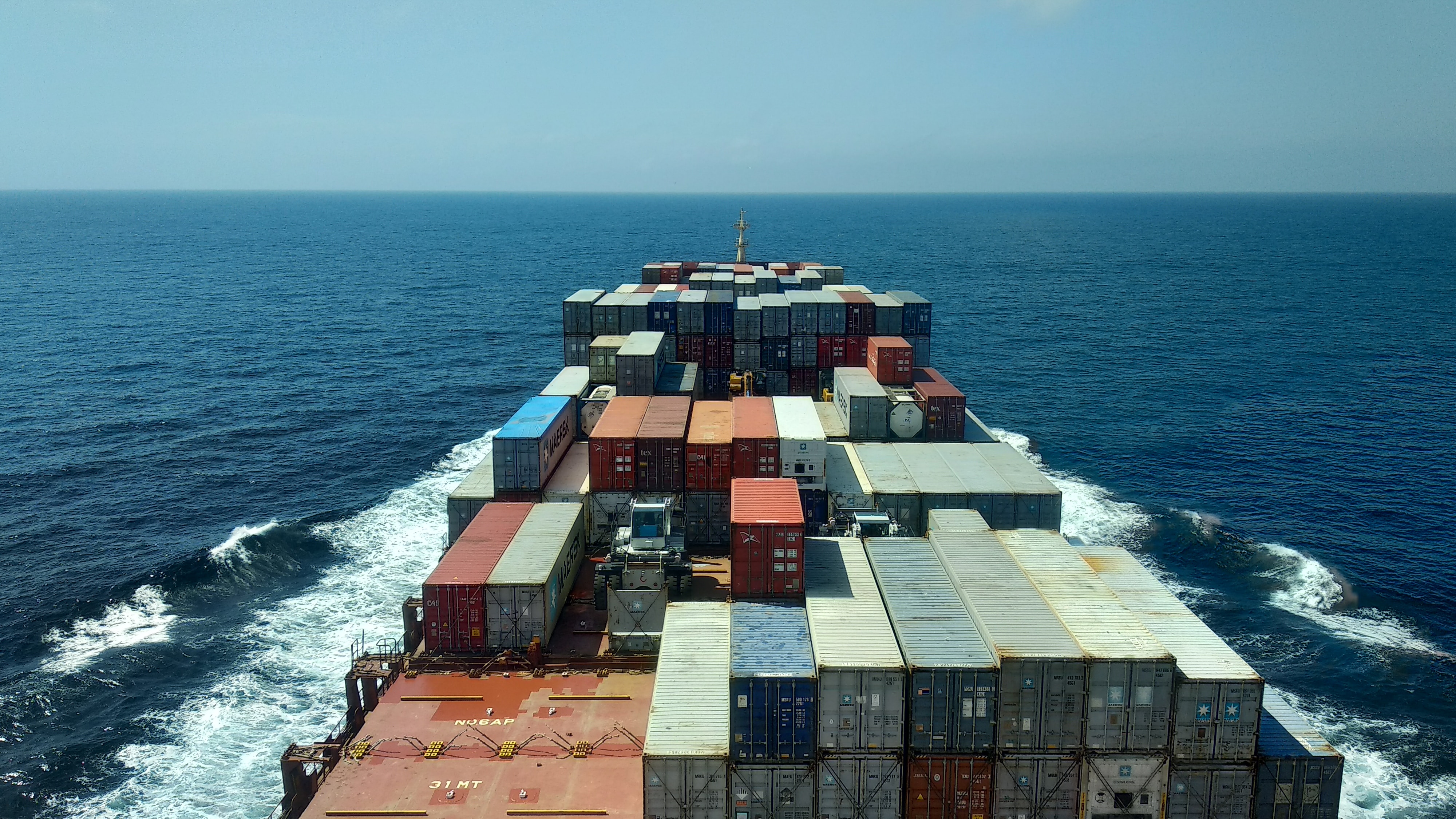
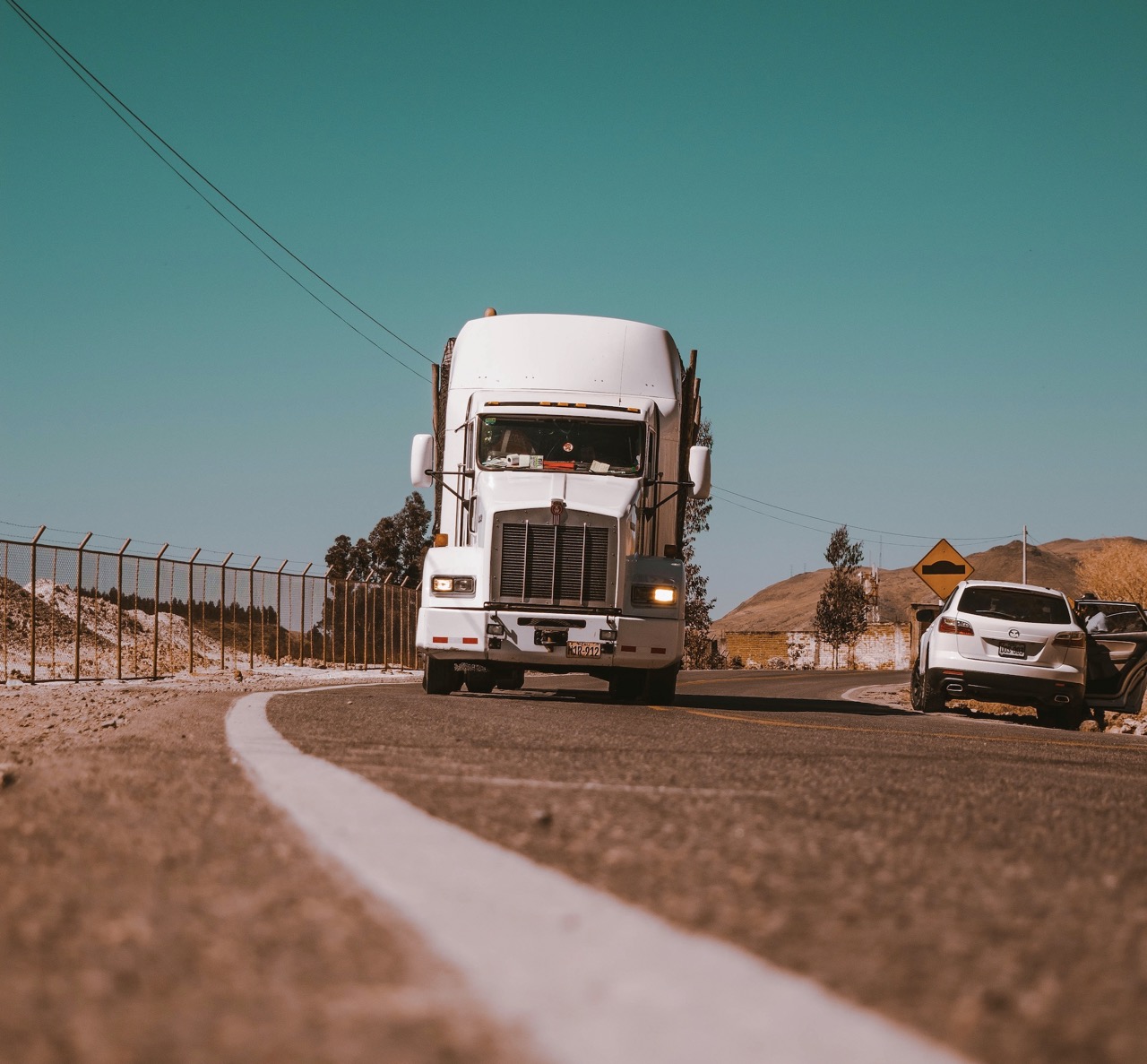
The global trade in hazardous materials and temperature-sensitive industrial components is undergoing a structural evolution driven by stringent international environmental mandates, automated logistics telemetry, and energy transition demands. Enterprise buyers must align with suppliers and freight partners who understand these macroeconomic vectors:
With the rapid adoption of Electric Vehicles (EVs) and Battery Energy Storage Systems (BESS), international transport of Class 9 Dangerous Goods has surged. China accounts for over 70% of global lithium cell production. Consequently, exporters must utilize UN-certified packaging, explosion-proof thermal containers, and freight forwarders capable of handling strict UN 3480, UN 3481, UN 3090, and UN 3091 regulations across ocean and air routes.
Modern supply chain compliance requires continuous digital verification. Traditional data loggers are being replaced by active satellite-connected IoT sensors that monitor temperature, relative humidity, atmospheric pressure, shock, and tilt in real time. Importers demand 100% auditability for medical cold storage and volatile organic compound shipments to satisfy regulatory authorities.
International climate accords (such as the Kigali Amendment to the Montreal Protocol) are accelerating the phase-out of high-GWP hydrofluorocarbons (HFCs). Leading China manufacturers of industrial cold storage and reefer containers are adopting natural refrigerants (CO₂ R-744 and Ammonia R-717) or low-GWP hydrofluoroolefins (HFOs), ensuring long-term operational legality in Western import markets.
Traditional brick-and-mortar cold storage construction is rapidly giving way to modular, prefabricated steel structure cold storage buildings and containerized walk-in units. These modular solutions reduce site commissioning time by up to 60%, provide superior thermal insulation efficiency (R-values > 40), and allow flexible relocation as trade routes shift.
Strategic recommendations for procurement executives sourcing hazardous freight equipment and logistics services from China exporters.
To mitigate risk and minimize Total Cost of Ownership (TCO) when sourcing hazardous freight transport equipment and international logistics services, B2B procurement leaders are adopting systemic procurement frameworks:
Volatile container shipping rates and unpredictable port congestion have exposed the vulnerabilities of spot-market freight booking for hazardous cargo. Enterprise buyers are locking in long-term service contracts with licensed NVOCC operators who maintain direct vessel space allocations on key trade lanes (such as Trans-Pacific Eastbound and Asia-Europe routes). Dedicated dangerous goods space guarantees vessel acceptance, reducing terminal dwell times and demurrage penalties.
Leading procurement departments no longer split their supply chain between cold storage equipment manufacturers and freight forwarders. By partnering with integrated organizations capable of supplying prefabricated cold storage infrastructure alongside end-to-end customs clearance, bonded storage, and inland trucking, enterprise buyers eliminate inter-vendor miscommunication, guarantee UN packaging compliance, and streamline international customs clearance.
Expert answers to critical questions regarding hazardous freight transport, customs regulations, and cold storage specifications.
Licensed freight forwarders and NVOCC operators with specialized hazardous cargo divisions can transport Class 2 (Gases - Flammable, Non-Flammable, Toxic), Class 3 (Flammable Liquids), Class 4 (Flammable Solids), Class 5 (Oxidizing Substances & Organic Peroxides), Class 6 (Toxic & Infectious Substances), Class 8 (Corrosives), and Class 9 (Miscellaneous Dangerous Goods, including UN 3480/3481 Lithium Batteries). All shipments require proper UN-certified packaging, Material Safety Data Sheets (MSDS/SDS), Dangerous Goods Declarations (DGD), and certified container placarding.
When sourcing industrial cold storage panels, refrigeration units, and insulated containers, international buyers should ensure equipment meets ISO 9001 quality management standards, CE certification (for electrical and pressure equipment compliance), and UL/CSA certification for electrical components intended for North American installation. Additionally, PIR/PUR insulation panels must comply with ASTM E84 or EN 13501-1 fire safety ratings to ensure compliance with local building codes.
An Air Bonded Warehouse allows imported goods—including high-value hazardous components, pharmaceuticals, or electronics—to be stored in a customs-supervised facility without immediate payment of import duties or taxes. This provides financial flexibility, allowing importers to defer duty payments until goods are cleared for domestic distribution, or re-export cargo to secondary international destinations without triggering local import tariffs.
Full Container Load (FCL) dedicatedly utilizes an entire ocean container for a single shipper’s cargo, minimizing handling risks and preventing cross-contamination with other commodities—making it the ideal choice for Class 3, Class 8, and bulk Class 9 dangerous goods. Less than Container Load (LCL) consolidates multiple smaller shipments into one container. LCL for dangerous goods is strictly regulated; only compatible hazardous classes (following strict IMDG segregation tables) can be co-loaded in an LCL container.
Modular walk-in cold rooms utilize high-density polyurethane (PUR) or polyisocyanurate (PIR) core panels (typically 100mm to 150mm thick) equipped with cam-lock interlocking mechanisms. This design eliminates thermal bridging. Paired with digital inverter refrigeration units, automatic defrost cycles, and dual-redundant compressors, these systems maintain precise internal micro-climates ranging from +15°C down to -40°C even under severe ambient heat conditions.
Essential documentation includes: 1) A compliant 16-section Safety Data Sheet (SDS/MSDS) in English; 2) The Dangerous Goods Declaration (DGD); 3) UN Packaging Certification details; 4) Commercial Invoice and Packing List matching exact UN numbers and technical chemical names; 5) Bill of Lading (B/L) carrying correct hazmat notations; and 6) Import customs clearance filings (such as US ISF 10+2 for ocean shipments). Working with an established NVOCC ensures all documentation is pre-audited prior to vessel loading.
Whether you require turnkey commercial cold storage warehouse installation or certified global freight forwarding for Class 2-9 hazardous materials, our technical logistics team is ready to design a compliant, cost-effective solution.
Send an Inquiry