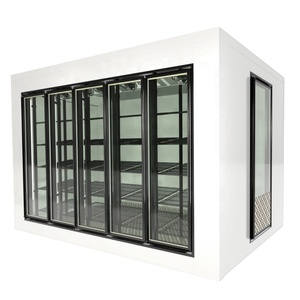
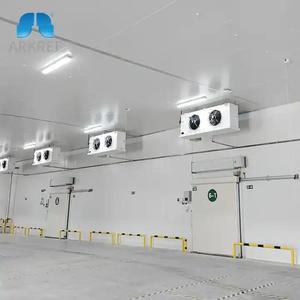
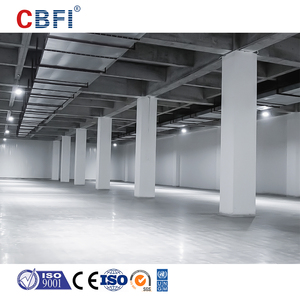
Heavy-duty modular polyurethane panels with local support. Designed for airport-adjacent logistics hubs requiring tight temperature control (-5°C to +10°C).
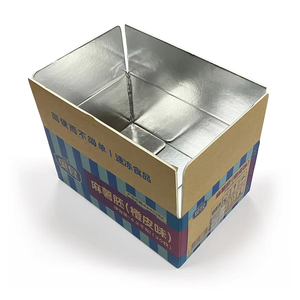
RDY Aluminum Foil Corrugated Insulated Air Shipping Containers
High-thermal-resistance cardboard packaging with reflective aluminum foil. Lightweight design optimized for volumetric air freight savings and frozen food transit.
Enterprise Capabilities & Operational Infrastructure: JH Logistics Standard
Since 1999, JH Logistics has operated as a licensed Non-Vessel Operating Common Carrier (NVOCC) and premier global freight forwarder headquartered in Carson, California (2850 East El Presidio St, Carson, CA 90810). Positioning itself at the intersection of international air transshipment and advanced cold chain logistics, JH Logistics provides mission-critical, time-definite air shipping services that bridge factory suppliers with worldwide destinations.
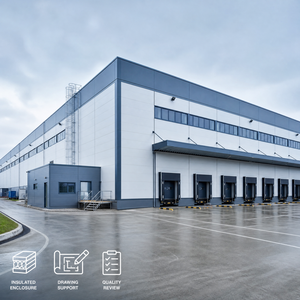
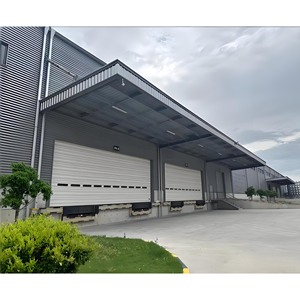
Strategic Infrastructure Note: Operating with 70,640 square feet of dedicated indoor warehousing and 161,435 square feet of container yard capacity adjacent to LAX and major Pacific trade gateways, JH Logistics maintains an air bonded warehouse system designed to expedite customs hold clearances while preserving continuous temperature integrity.
Time-Definite Air Charters
Guaranteed door-to-airport and door-to-door flight bookings utilizing scheduled freighter allocations and full/part aircraft charters for urgent consignments.
TSA Air Bonded Storage
Secure bonded holding areas allow high-value or temperature-sensitive goods to undergo duty-deferred clearance while under continuous climate-controlled custody.
End-to-End Cold Tracking
Integrated Warehouse Management Systems (WMS) combined with active IoT thermal sensors provide minute-by-minute visibility over cargo temperature and location.
Strategic Future Procurement Trends in Time-Definite Air Shipping (2025–2030)
As global supply chains transition toward heightened agility, procurement executives are re-engineering their logistics sourcing strategies. Time-definite air freight is no longer treated solely as a backup measure for unexpected stockouts; it has evolved into a planned component of high-margin, perishability-sensitive, and just-in-time (JIT) manufacturing workflows. Based on market intelligence and cross-border trade analytics, key procurement trends over the next decade include:
1. Shift toward Integrated Active & Passive Hybrid Packaging
Traditional passive ice-brick shippers are being rapidly replaced by high-performance Phase Change Material (PCM) packaging combined with smart thermal covers. Procurement departments are prioritizing factory suppliers that integrate IATA-certified active Unit Load Devices (ULDs) equipped with self-powered compressor refrigeration. This minimizes risk during ramp-handling delays at major air hubs.
2. Algorithmic Dynamic Capacity Allocation
Supply chain managers are moving away from rigid annual fixed-volume block space agreements (BSAs). Instead, enterprise procurement relies on AI-driven dynamic routing platforms that continuously compare carrier spot rates, transit reliability metrics, and airport congestion indices. This dynamic allocation ensures cargo is routed through secondary hubs during peak holiday chokepoints without sacrificing SLA commitments.
3. Regulatory Mandates on Environmental Decarbonization
With Scope 3 emissions reporting becoming mandatory under European Union regulations (such as CSDR) and global sustainability frameworks, air freight procurement RFQs increasingly evaluate freight forwarders on their Sustainable Aviation Fuel (SAF) contribution options. Modern factories must provide carbon-footprint data per volumetric kilogram shipped via time-critical air lanes.
Technological & Infrastructure Trends Shaping Air Cargo Supply Chains
The convergence of advanced industrial construction and digital supply chain technology is fundamentally reshaping time-definite logistics infrastructure. Factories and freight forwarders are implementing new technological frameworks to address global bottlenecks:
Automated Vertical Storage
High-rise vertical warehouses situated in land-constrained airport zones utilize automated storage and retrieval systems (ASRS) to reduce handling times by up to 60%.
Real-Time Sensor Mesh (IoT)
BLE and cellular-connected data loggers inside air containers transmit real-time telemetry regarding shock, light exposure, pressure changes, and internal temperature.
Modular Cold Chamber Units
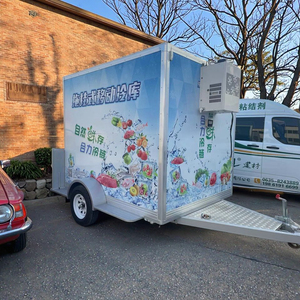
Prefabricated containerized cold storage allows freight forwarders to rapidly expand temperature-controlled square footage during seasonal volume spikes.
Furthermore, local customs agencies are standardizing digital documentation—such as electronic Air Waybills (e-AWB)—to eliminate paperwork delays upon arrival. When paired with bonded warehousing facilities, such as JH Logistics' 70,640 sq ft California complex, shipments bypass traditional terminal dwell times, transferring from tarmac to truck within hours.
Frequently Asked Questions: Time-Definite Air Freight & Cold Chain Logistics
Navigating strict time windows, cold chain packaging compliance, and international air regulations requires technical expertise. Below are critical procurement questions answered by our logistics engineering team:
Q1: What exactly defines a "Time-Definite" Air Shipping service?
Time-definite air shipping refers to freight transport governed by strict, contractually guaranteed delivery windows (e.g., Next-Flight-Out, 24-hour, 48-hour, or specific delivery time slots). Unlike standard air freight, time-definite services utilize prioritized booking slots, expedited tarmac transfers, and dedicated customs clearance protocols to ensure zero delay for critical industrial components, pharmaceuticals, or perishable cargo.
Q2: How is volumetric weight calculated for temperature-controlled air packaging?
Air freight charges are billed based on whichever is greater: actual gross weight or volumetric (chargeable) weight. Volumetric weight is calculated using the standard IATA formula: (Length × Width × Height in centimeters) ÷ 6000 (or ÷ 166 in inches/lbs). When shipping insulated boxes or active ULD containers, procurement teams must factor in the thickness of polyurethane/vacuum insulation panels (VIP) to balance thermal protection against volumetric billing surcharges.
Q3: Why is an Air Bonded Warehouse critical for time-definite cold chain cargo?
An Air Bonded Warehouse allows imported freight to be moved immediately off the airport tarmac into a secure, climate-controlled facility without waiting for final duty payments or complete customs release. This eliminates tarmac heat-exposure risks and permits specialized inspection, sorting, and palletizing under controlled temperatures (-20°C to +8°C), saving crucial hours in time-sensitive supply chains.
Q4: What temperature ranges can be maintained during time-definite air transit?
Standard cold chain air shipping covers three primary bands: Deep Frozen (-80°C to -20°C using dry ice or liquid nitrogen shippers), Refrigerated (+2°C to +8°C for pharmaceuticals and fresh products), and Controlled Room Temperature (+15°C to +25°C for specialized electronics and chemicals). Active ULD containers with battery-powered compressors can hold exact setpoints for up to 100+ hours.
Q5: What compliance standards must factory cold storage rooms meet for export logistics?
Factory cold rooms supporting international air cargo must comply with ISO 9001 quality management, HACCP (for food products), GDP (Good Distribution Practice for pharmaceuticals), and local fire/structural codes. Equipment should feature dual-redundant refrigeration compressors, automated digital temperature logging, and air curtain seals to prevent thermal excursions during forklift loading.
Q6: How do modular cold rooms differ from traditional built-in warehouse cooling systems?
Modular cold storage units utilize prefabricated polyurethane (PU) or polyisocyanurate (PIR) cam-locking panels that assemble quickly without heavy structural masonry. They offer superior scalability, allowing facilities to expand, partition, or relocate their cold rooms as seasonal air cargo volumes fluctuate, whereas traditional built-in infrastructure is fixed and requires lengthy capital construction.
Q7: What contingency measures protect time-definite air cargo against flight delays?
Professional freight forwarders implement multi-layered contingency protocols, including passive thermal packaging rated for 72-96 hours beyond planned transit time, pre-booked backup allocations on secondary flights, real-time re-routing to adjacent regional airports, and 24/7 terminal intervention teams equipped to re-ice or recharge active containers.
Q8: Are insulated cardboard shipping boxes durable enough for international air cargo handling?
Yes. High-grade insulated cardboard boxes (such as aluminum foil corrugated containers) are engineered with heavy-wall double- or triple-wall corrugated board combined with reflective radiant barriers. They offer high bursting strength and stacking resilience while keeping tare weight minimal to lower air freight charges.
Q9: What documentation is required for shipping hazardous cold chain items (e.g., Dry Ice)?
Dry Ice (Carbon Dioxide, Solid) is classified as a Class 9 Dangerous Good under IATA regulations (UN 1845). Shipments require an accurate IATA Dangerous Goods Declaration (if applicable), proper hazard labeling indicating net dry ice weight, pressure-relief packaging design to prevent explosions, and compliance with aircraft operator quantity limits per compartment.
Q10: How does working with a licensed NVOCC benefit cross-border air-ocean multimodal shipping?
A licensed NVOCC (Non-Vessel Operating Common Carrier) like JH Logistics issues its own Bills of Lading, acts as a single point of legal accountability, and negotiates direct carrier contracts across both ocean and air modes. This enables seamless hybrid transport solutions—such as Sea-Air expedited freight—balancing urgent delivery schedules against total logistics expenditure.
Optimize Your Time-Definite Logistics & Cold Chain Supply Chain Today
Whether you require turnkey cold storage warehouse installation, high-performance thermal shipping packaging, or guaranteed expedited air freight routing, our enterprise logistics team delivers tailored global solutions.