Top China Automotive Logistics Supply Chain Factory & Exporters

Whitepaper on Next-Gen EV Thermal Logistics, Cold-Chain Engineering & Global NVOCC Infrastructure

Recommended Automotive Cold-Chain & Modular Infrastructure Systems

Precision-engineered cold rooms, insulated shipping solutions, and heavy-duty structural storage tailored for automotive OEM parts, battery thermal management, and international distribution.
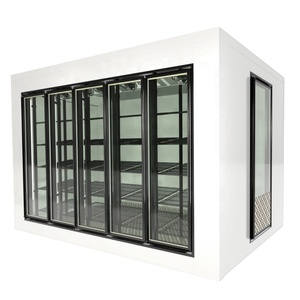
Commercial Walk in Cooler Storage Room
Commercial Walk-in Cooler Storage Room Industrial Cold Warehouse
High-density insulated panels engineered for industrial automotive coolant storage, battery testing environments, and overseas factory staging. Features local technical installation support.
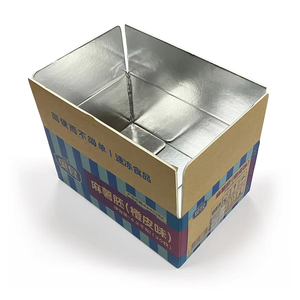
Aluminum Foil Corrugated Cardboard Cooler Boxes
RDY Aluminum Foil Corrugated Insulated Shipping Boxes
Thermal barrier shipping containers optimized for air-freight transport of sensitive EV battery chemicals, adhesives, and temperature-controlled automotive electronic components.
Prefab Walk in Cold Room Storage
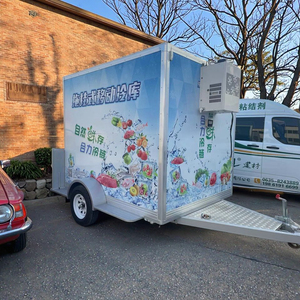
High-Efficiency Prefab Walk-in Mobile Cooler Cold Room
Modular, rapid-deployment mobile refrigeration unit designed for temporary vehicle assembly line staging, field testing hubs, and perishable industrial component protection.
ARKREF Cold Room Container Walking In Cooler
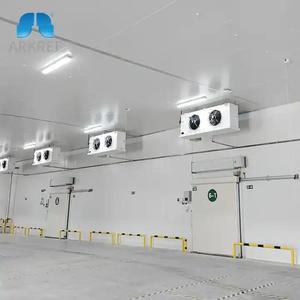
ARKREF Integrated Cold Room Logistics Container System
Heavy-duty intermodal refrigeration container equipped with integrated telemetry, dual compressor back-up, and extreme weather insulation for intercontinental transit.
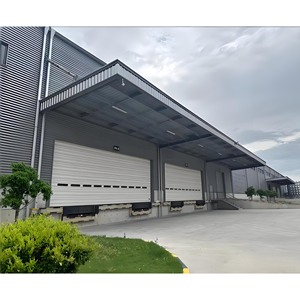
Prefabricated Steel Structure Cold Storage Warehouse
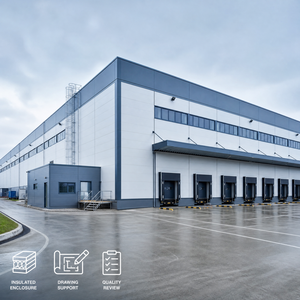
Prefabricated Steel Structure Refrigerated Logistics Center
Large-scale industrial building system optimized for regional automotive logistics hubs, featuring clear-span frames, fire-rated sandwich panels, and automated loading docks.
Heavy Duty Warehouse Rack Multi-level Shelving
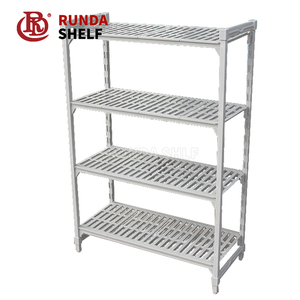
Heavy-Duty Steel & Plastic Multi-Level Cold Storage Racking
Seismic-tested structural racking designed for high-density storage of automotive stampings, engine blocks, and heavy battery packs within sub-zero storage facilities.
High-Rise Steel Cold Chain Logistics Warehouse
High-Rise Multi-Storey Urban Vertical Cold Storage Building
Next-generation vertical logistics center optimized for metropolitan distribution hubs, supporting Automated Guided Vehicles (AGVs) and high-density rack systems.
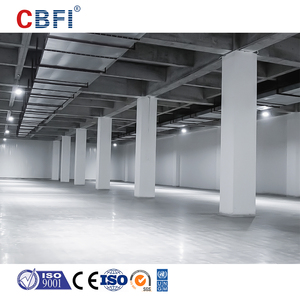
10000 Square Meter Logistics Cold Storage Project
10,000 m² Turnkey Logistics Cold Storage Freezer Complex
Complete engineering, procurement, and construction (EPC) solution for mega-scale cold storage hubs, integrated with air bonded customs zone specifications.
25+ Years
Excellence Since 1999
+22,550
TEU Ocean Volume
+22,458
Tons Air Freight
161,435
Sq. Ft. Yard Staging

Architecting Resilient Automotive & Cold-Chain Supply Chains: Strategic Whitepaper

The global automotive supply chain is undergoing an unprecedented structural transition driven by the electrification of mobility, decentralized knock-down assembly (CKD/SKD), and rigid thermal integrity constraints for New Energy Vehicle (NEV) components. As China solidifies its position as the world's premier automotive manufacturing powerhouse and export titan, international procurement directors face complex multi-modal logistics challenges.

Strategic Key Takeaway: Modern automotive logistics requires a converged framework uniting industrial-grade cold-chain engineering, FMC-licensed NVOCC ocean freight execution, and bonded warehouse staging to mitigate geopolitical disruptions and temperature-induced battery degradation.

1. The Thermal Management Paradigm in EV Battery & Electronics Procurement

Lithium-ion power packs, solid-state battery electrolytes, pre-preg carbon fiber composites, and structural adhesives demand tightly regulated environmental controls throughout transit. Exposure to ambient fluctuations exceeding +30°C or dipping below freezing can induce thermal shocks, micro-dendrite formation, or premature chemical aging prior to assembly line integration.

To overcome these challenges, leading OEM exporters rely on engineered cold storage buildings equipped with polyisocyanurate (PIR) insulated sandwich panels, phase-change thermal shipping packaging, and real-time IoT temperature logging. Integrating prefabricated 10,000 square meter modular cold warehouses directly into export port staging zones minimizes dwell times and guarantees strict Good Distribution Practice (GDP) compliance across transpacific and Eurasian corridors.

Technical Matrix: Environmental Parameters for Automotive Freight

Cargo Category Target Temp. Range Humidity Control Logistics Risk Factor Recommended Storage Solution
Lithium Cell Precursors +15°C to +25°C < 45% RH Thermal runaway / Moisture degradation PIR Modular Walk-In Controlled Rooms
EV Structural Adhesives +2°C to +8°C Strict Dry Zone Viscosity degradation / Curing breakdown RDY Aluminum Insulated Cardboard Boxes
Complete Knock-Down (CKD) Packs Ambient (Monitored) Standard Industrial Corrosion / Structural shock Heavy-Duty Steel Rack High-Rise Depots
Finished Electric Vehicles -10°C to +40°C N/A Battery drain / Exterior finish harm 161,435 SqFt Secure Bonded Staging Yards

2. Intermodal Synergies: Ocean NVOCC, Air Express, and Bonded Warehousing

Achieving just-in-time (JIT) efficiency while controlling freight expenditure requires dynamic multi-modal execution. High-value microchips, urgent prototype assemblies, and critical battery management systems (BMS) are typically routed via specialized air freight networks (+22,458 annual tons managed). Conversely, high-volume chassis stampings, body panels, and structural frame components rely on full container load (FCL) or specialized Roll-on/Roll-off (Ro-Ro) vessel arrangements (+22,550 TEUs handled).

The operational pivot point lies in strategic customs integration. Utilizing air bonded warehousing allows cross-border automotive exporters to defer duty payments, execute sub-assembly kitting, and conduct quality assurance checks prior to formal import customs clearance. This flexibility shields Tier-1 suppliers from cash-flow latency and customs holding bottlenecks at destination ports such as Los Angeles, Long Beach, and Rotterdam.

Future Procurement Trends in China Automotive Supply Chains (2026–2035)

As the international automotive industry shifts toward smart manufacturing and localized assembly, global procurement strategies are rapidly adapting to four macro trends:

Vertical Urban Cold Hubs

Scarcity of industrial land near tier-1 seaports drives adoption of high-rise, multi-storey cold storage facilities utilizing AGVs and automated crane retrieval systems to reduce footprint by 60%.

IoT Real-Time Telemetry

Procurement teams demand active sensor integration tracking micro-vibrations, internal container humidity, cell voltage, and GPS positioning in transit across both ocean and inland rail legs.

Modular Prefabrication

Rapid deployment of prefabricated steel structures and walk-in cold rooms allows OEM factories to set up localized staging hubs abroad within 45 days of site clearance.

Sustainable Carbon Neutral Logistics (Scope 3 Mandates)

Global automakers are holding logistics suppliers accountable for Scope 3 emissions under rigorous ESG disclosure mandates. China's top automotive supply chain exporters are responding by deploying solar-integrated cold storage roofing, hydrotreated vegetable oil (HVO) ocean carriers, and optimized route consolidation algorithms that reduce empty container repositioning rates by up to 28%.

Why Partner with Our Global Freight & Industrial Supply Chain Network?

Established in 1999, JH Logistics stands as a premier licensed Non-Vessel Operating Common Carrier (NVOCC) and full-service international logistics enterprise. Headquartered at 2850 East El Presidio St, Carson, CA 90810, our organization anchors complex global trade routes bridging Asian manufacturing epicenters with North American and European distribution gateways.

FMC-Licensed NVOCC Authority

Direct contract carrier rates, space allocation guarantees on top-tier shipping lines, and streamlined bill-of-lading issuance across all major automotive trade lanes.

Air Bonded & Cold Storage Hubs

Over 70,640 sq. ft. of dedicated warehouse storage, 161,435 sq. ft. of yard staging capacity, and custom 10,000 m² cold storage setups for zero-break cold chain continuity.

Specialized Heavy Equipment & Ro-Ro

End-to-end management for Breakbulk machinery, heavy-duty warehouse racking, vehicle transport logistics, and oversized industrial assembly line plant relocation.

Mission & Vision Commitment: Built on integrity, operational transparency, and mutual growth. We strive to deliver measurable value while upholding strict human respect, safety compliance, and zero-defect logistics execution.

Frequently Asked Questions (FAQ) for Global Buyers & OEMs

Q1 How do you handle Class 9 Dangerous Goods (Hazmat) lithium battery shipments from China?
Our logistics team handles dangerous goods compliance under UN 3480 and UN 3481 specifications. We coordinate UN-certified packaging, MSDS verification, DG declaration paperwork, temperature-monitored reefer container booking, and direct air bonded warehousing clearance to ensure safe ocean and air transport.
Q2 What insulation specifications are recommended for walk-in cold rooms storing auto adhesives?
We recommend Polyisocyanurate (PIR) panels with a density of 42kg/m³, equipped with cam-lock tongue-and-groove joints and thermal break PVC profiles. Thickness should range from 100mm for +2°C/+8°C applications up to 150mm for sub-zero freezer environments to ensure strict temperature uniformity.
Q3 Can your team assist with local site installation for prefabricated warehouse structures overseas?
Yes. All prefabricated steel structure warehouses and 10,000 square meter cold room projects include full engineering documentation, foundation layout plans, and optional overseas technical support teams for supervisor-guided assembly and commissioning.
Q4 What are the benefits of using an Air Bonded Warehouse for auto part imports?
An Air Bonded Warehouse allows importers to store goods duty-free while performing quality checks, re-packaging, or waiting for optimized domestic delivery schedules. Duties are paid only upon formal entry into the domestic market, improving cash flow management.
Q5 What is the standard lead time for ocean container shipping versus air freight from China ports?
Ocean freight transit times typically range from 14 to 22 days to US West Coast ports (e.g., LA/Long Beach) and 28 to 35 days to US East Coast ports. Air freight express services deliver within 3 to 7 business days, depending on bonded clearance and flight routing.
Q6 How are heavy-duty warehouse racks tested for cold storage environments?
Our heavy-duty steel and plastic multi-level rack systems undergo low-temperature brittle fracture testing, anti-corrosion powder coating validation, and seismic loading tests under ISO 9001 and CE certifications to guarantee stability down to -30°C.
Q7 How can I request a customized freight rate quote or cold room design consultation?
You can click the inquiry button next to any product or reach out directly to our global service team. Provide your cargo dimensions, weight, temperature requirements, port of origin, and destination to receive a detailed supply chain blueprint within 24 hours.

Optimize Your Automotive Supply Chain Today

Connect with our senior logistics engineers and NVOCC specialists to design a resilient, temperature-controlled, and cost-efficient freight solution.

Send an Inquiry