Engineered to maintain strict thermal integrity across global trade routes. Explore our certified walk-in freezers, insulated packaging systems, integrated reefer container solutions, and high-density automated cold logistics infrastructure.
In the globalized economy, maintaining the integrity of temperature-sensitive cargo—ranging from deep-frozen seafood and fresh agricultural commodities to biopharmaceuticals and high-value chemical reagents—requires absolute thermal consistency. China has established itself as the world's primary manufacturing hub for advanced cold chain infrastructure, mobile reefer units, phase-change packaging, and automated thermal warehousing.
Modern temperature-controlled freight relies on rigorous thermodynamics, precise airflow management, and real-time IoT monitoring. The core challenge in international cold chain logistics is preventing "thermal excursions"—temporary breaches in temperature control that compromise product stability, shelf life, and safety regulatory compliance. Top Chinese suppliers have shifted from standard refrigeration assembly to end-to-end engineering, integrating high-density polyurethane (PU) insulation panels, multi-stage digital scroll compressors, and intelligent telemetry units capable of transmitting multi-sensor diagnostic data across international trade lanes.
Information Gain Insight: Selecting a top China temperature-controlled supplier requires evaluating not just structural manufacturing quality, but full system integration—combining licensed NVOCC freight forwarder capabilities with thermal engineering, bonded storage protocols, and Good Distribution Practice (GDP) certification.
Temperature-controlled shipping operates across distinct thermal zones. China's leading exporters manufacture standardized and custom systems tailored to these specific operational envelopes:
| Thermal Zone | Temperature Range | Primary Cargo Applications | Dominant Transport Packaging / Systems |
|---|---|---|---|
| Deep Cryogenic | -80°C to -150°C | Biologics, cell lines, mRNA vaccines, specialty active ingredients | Liquid Nitrogen (LN2) dry shippers, dry ice, vacuum-insulated panels (VIP) |
| Deep Frozen | -18°C to -25°C | Frozen meats, seafood, prepared foods, raw industrial ingredients | 40ft High-Cube Reefers, polyurethane modular cold rooms, cascade compressors |
| Chilled / Fresh | +2°C to +8°C | Fresh produce, dairy, vaccines, biologics, blood products | Active compressor containers, passive PCM shipping boxes, walk-in coolers |
| Controlled Ambient | +15°C to +25°C | Pharmaceutical tablets, cosmetics, fine wines, electronics components | Thermal insulation blankets, insulated container liners, ventilated reefers |
The global temperature-controlled freight market is undergoing a structural transformation driven by sustainability mandates, strict international regulatory frameworks (such as FDA FSMA and EU GDP), and the rapid expansion of cross-border e-commerce for perishable goods. Procuring cold chain equipment and logistics services from China requires alignment with several major technological trends:
Modern Chinese reefer containers and modular cold stores are now built natively with 5G IoT sensors. These relay continuous telemetry—including temperature, humidity, door openings, shock, and refrigerant levels—creating digital twins for real-time risk mitigation.
Regulatory phase-outs of high-GWP hydrofluorocarbons (HFCs) are driving adoption of natural refrigerants like R290 (Propane) and R744 (CO2). Leading Chinese factories are producing high-efficiency inverter units compliant with global decarbonization guidelines.
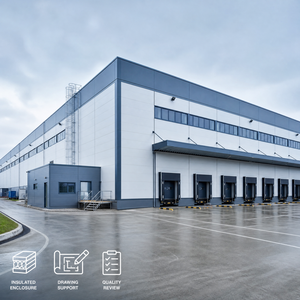
Land scarcity in urban logistics centers has spurred the adoption of multi-story, steel-structure cold facilities paired with Automated Storage and Retrieval Systems (ASRS). These setups maximize volumetric thermal efficiency and decrease per-pallet energy consumption by up to 35%.
When sourcing temperature-controlled freight systems or selecting an integrated cold chain logistics provider in China, procurement teams must look beyond initial capital expenditure (CapEx). System longevity, energy efficiency coefficient (COP), and operational integrity during transit dictate the true Total Cost of Ownership (TCO).
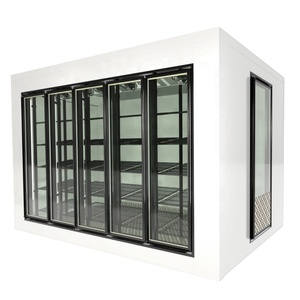
1. Polyurethane (PU) Panel Density & Cam-Lock Integrity: For prefabricated walk-in freezers and modular containers, panel core density should strictly meet 40–42 kg/m³ with B2 or B1 fire-retardant certification. Double-tongue-and-groove jointing with internal cam-locks guarantees air-tight hermetic seals, minimizing thermal bridge transmission.
2. Multistage Redundant Refrigeration Power: In high-stakes cold logistics, equipment failure translates directly to cargo destruction. High-reliability systems incorporate dual-compressor circuits with auto-failover, ensuring that if one compressor experiences mechanical stress, the secondary circuit maintains target temperatures uninterrupted.
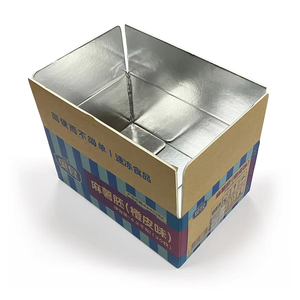
3. Advanced Phase Change Material (PCM) Thermal Packaging: For non-powered last-mile or air cargo transit, aluminum foil corrugated insulated shipping boxes utilize bio-based PCMs engineered to phase-transition at precise set points (+4°C, +18°C, or -21°C), providing up to 96 hours of passive temperature stabilization without external power sources.
Operating at the intersection of heavy-duty cold chain manufacturing and end-to-end global freight forwarding, we deliver turnkey logistics solutions tailored for international commerce.
Established track record since 1999 as a fully licensed Non-Vessel Operating Common Carrier (NVOCC). We provide direct ocean reefer bookings, custom air freight solutions, and seamless customs clearance adhering to Good Distribution Practice standards.
Over 70,640 sqft of specialized cold storage facilities and 161,435 sqft of yard capacity. Duty-deferred storage in air bonded facilities allows international clients to hold high-value shipments duty-free while arranging localized fulfillment.
Comprehensive FTL, LTL, and genset-equipped reefer trucking capabilities across North America, Asia, and Europe. Seamless port-to-door temperature monitoring ensures zero break in the cold chain sequence.
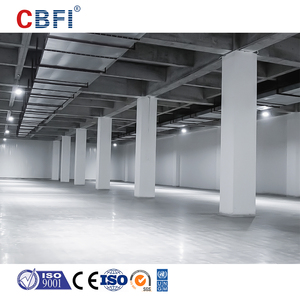
From 10,000+ sqm industrial freezer storage project design to mobile reefer container installation, our engineering team supplies factory-direct pricing backed by localized technical assistance and rapid spare-parts deployment.
Importing reefer equipment or temperature-sensitive cargo requires a Bill of Lading (with specified setpoint temperatures and ventilation settings), Commercial Invoice, Packing List, Certificate of Origin, and depending on cargo, Phytosanitary/Health Certificates or FDA/EMA GDP Compliance Documentation. For reefer equipment, CE, UL, or ISO14001 factory certifications are standard.
Active reefer containers utilize diesel/electric refrigeration units (such as Carrier, Thermo King, or Daikin compressors) to dynamically control internal temperature and airflow over long ocean or overland transit times. Passive insulation packaging (like VIP aluminum foil cardboard shipper boxes) relies on pre-conditioned Phase Change Materials (PCM) or dry ice to absorb incoming thermal loads without moving parts, making them ideal for air freight parcels lasting 24 to 96 hours.
To prevent thermal excursions during extended customs inspection or port congestion, ocean reefer containers must be plugged into port electrical reefer racks or powered by clip-on Gensets (generator sets) during drayage. Utilizing bonded cold warehouses allows shipments to be transferred directly to temperature-controlled storage without duty payment while waiting for customs release.
Yes. Prefabricated walk-in cold rooms engineered for high-ambient tropical environments feature thicker insulation panels (up to 150mm–200mm PU), tropicalized compressors with enlarged surface-area condenser coils, anti-sweat frame heaters, and specialized dehumidification units to prevent condensation and ice build-up.
Before loading, a comprehensive Pre-Trip Inspection (PTI) must be executed. This includes verifying diagnostic codes, checking refrigerant levels, testing defrost cycles, calibrating supply and return air sensors, and ensuring internal air ducts are free from obstruction to maintain uniform airflow throughout the load.
Whether you require factory-direct prefabricated cold storage rooms, insulated packaging supplies, or end-to-end ocean and air reefer logistics, our specialists are ready to tailor an engineered solution for your business.