Explore engineered cold storage systems, mobile refrigeration units, and prefabricated heavy logistics structures sourced directly from accredited global exporters.
Backed by over 26 years of global freight forwarding, NVOCC licensing, and cold-chain logistics mastery.
The global logistics landscape is undergoing an unmatched paradigm shift driven by modern heavy machinery transport dynamics, complex multi-modal customs requirements, and advanced temperature-controlled infrastructure. Sourcing from top trusted heavy equipment trucking transport factories & exporters requires a meticulous balance of engineering precision, regulatory compliance, and cross-border risk mitigation. As cross-border supply chains expand across North America, Europe, and Asia-Pacific, procurement executives must navigate structural freight challenges, specialized trailer configurations, and integrated cold storage logistics with total transparency.
Heavy equipment transportation—encompassing massive prefabricated cold storage warehouse frames, industrial chillers, crawler cranes, mining rigs, and high-capacity electrical transformers—demands specialized heavy-haul transport vehicles engineered for high axle-load limits. Unlike standard dry-van or ocean container freight, heavy machinery trucking presents complex physical and aerodynamic constraints that necessitate custom routing, permit management, and escort vehicle coordination.
Leading manufacturers and export factories rely on sophisticated trailer configurations tailored to heavy structural components:
Operating continuously since 1999 from our Carson, California headquarters (2850 East El Presidio St, Carson, CA 90810), JH Logistics stands as a licensed NVOCC and full-service global freight forwarder. We integrate heavy equipment trucking with customs-bonded warehousing and international air/ocean freight, operating over 70,640 sq ft of warehouse space and 161,435 sq ft of heavy yard capacity to facilitate friction-free global exports.
When selecting industrial cold storage structures and heavy-duty logistics racking systems from international exporters, technical buyers must evaluate mechanical durability, thermal insulation performance, structural engineering codes, and transport compliance. The table below outlines standard industrial parameters used across world-class projects:
| Equipment / Building Category | Structural Material / Insulation | Thermal & Load Capacity | Primary Transport Mode | Compliance Standards |
|---|---|---|---|---|
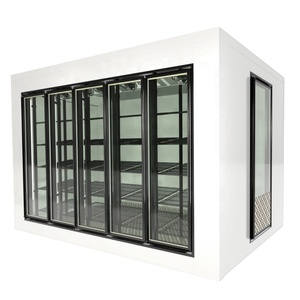
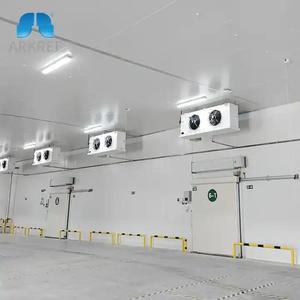
| Walk-In Commercial Cold Room | Polyurethane (PU) Rigid Foam Panels + Cam-Lock Steel | R-Value: R-28 to R-42 | Temp: -25°C to +10°C | Flatbed Truck / High-Cube Container | ISO 9001, CE, NSF, UL Certified |
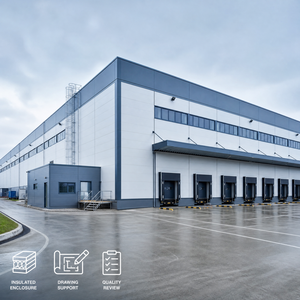
| Prefab Cold Storage Warehouse | Heavy Q235B/Q345B Galvanized Steel Beams + PIR Panels | Wind Load: 0.60kN/m² | Snow Load: 0.50kN/m² | Breakbulk / Lowboy Multi-Axle Hauling | ASTM A36, GB/T 13793, Eurocode 3 |
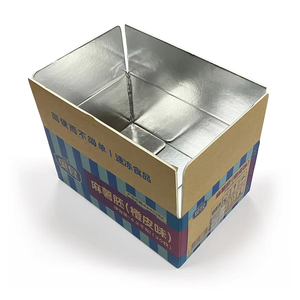
| Insulated Shipping & Cooler Boxes | Alu-Foil Layered Corrugated Cardboard + EPE Foam | Thermal Retention: 48–72 Hours (Frozen Payload) | Air Freight Cargo / LTL Express Trucking | FDA Food Contact, ISTA 7E Thermal |
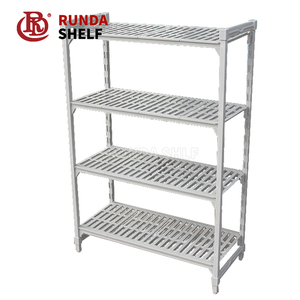
| Heavy Duty Cold Storage Racking | High-Grade Cold Rolled Structural Steel + Zinc Plating | Pallet Load Capacity: 1,000kg – 3,000kg / Level | FCL Ocean Shipping / FTL In-Land Trucking | FEM 10.2.02, RMI Standards |
| Integrated Container Cold Rooms | Cortin Steel Outer Body + Stainless 304 Interior | Refrigeration Unit: Copland / Carrier / Bitzer | Intermodal Rail / Flat-Rack Shipping | CSC Safety Certificate, ISO 6346 |
The global trade of heavy machinery and cold-chain structures is evolving rapidly under the influence of automation, sustainability initiatives, and dynamic buyer expectations. Corporate buyers and EPC contractors must align their supply chain strategies with four primary macro trends:
Global logistics hubs are replacing traditional brick-and-mortar cold storage facilities with modular, pre-engineered steel structure buildings. These structures allow 10,000+ square meter installations to be pre-assembled at factory sites, shipped via specialized flat-rack containers, and erected in under 60 days on site.
Modern heavy trucking fleets carrying sensitive cold-room equipment are now outfitted with satellite-linked telemetry systems. Real-time sensors track GPS position, axle vibration, temperature fluctuations, and door opening events—giving global shippers complete end-to-end operational visibility.
Tightening ESG mandates are driving heavy trucking exporters to adopt zero-emission hydrogen fuel-cell haulers and electric drayage trucks for port-to-warehouse transfers. Concurrently, cold storage factories are utilizing Eco-friendly PIR insulation free of ozone-depleting HCFC compounds.
Transporting heavy industrial equipment across international borders presents stringent legal and customs challenges. A single documentation omission or improper load distribution can trigger port detentions, demurrage fees, or structural damage during transit. Trusted exporters and logistics partners adhere to rigorous compliance protocols:
A. Customs Bonded Warehousing & Duty Deferral: Operating through licensed air and ocean bonded warehouses allows international buyers to stage heavy machinery, perform secondary assembly, or hold goods duty-deferred until final domestic dispatch. This operational buffer provides massive cash-flow flexibility for large-scale construction projects.
B. NVOCC Ocean Freight & Breakbulk Logistics: For non-containerized cargo, such as high-rise cold storage structural columns or 100-foot roof spans, Non-Vessel Operating Common Carriers (NVOCC) negotiate specialized breakbulk charters and Roll-on/Roll-off (Ro-Ro) vessel space. Proper lashing, dunnage calculation, and marine insurance underwriting are vital components of this process.
C. Comprehensive Route Survey & Bridge Capacity Verification: Prior to dispatching a heavy truck haul, logistics engineers map out height clearances under highway overpasses, bridge weight limits, turn-radii at urban intersections, and utility line disruptions. Obtaining local state permits and arranging police escorts guarantees zero transit downtime.
Connect with our global logistics engineering team today to receive detailed technical datasheets, custom engineering drawings, and turnkey freight estimates.
Factory manufacturing of structural steel components and polyurethane insulation panels typically takes 20 to 35 business days depending on building scale. Ocean transit times vary between 14 to 35 days based on port destination and whether FCL container shipping or Breakbulk freight is utilized.
As an established logistics coordinator and licensed freight operator, we handle all DOT oversize permits, route surveys, axle-weight distributions, and pilot escort vehicle arrangements directly with local state transport authorities to guarantee compliance.
For deep-freeze operations (-20°C to -30°C), a minimum Polyurethane (PU) or Polyisocyanurate (PIR) panel thickness of 150mm to 200mm (R-Value 38 to 48) is recommended to prevent thermal bridging and ensure maximum compressor energy efficiency.
Yes. Export factory engineering teams custom design multi-level steel shelving using heavy-gauge structural steel (Q345B grade) with baseplate anchoring, back-bracing, and seismic dampeners certified under RMI and FEM 10.2.02 international structural codes.
An air bonded warehouse allows importers to store high-value refrigeration components and electrical panels upon arrival without paying immediate customs duties. Goods can be inspected, repackaged, or re-exported while deferring tax liabilities until local market entry.
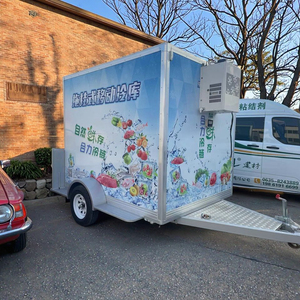
Mobile cold room containers feature integrated diesel-electric hybrid reefer units (Copeland or Bitzer compressors) combined with dual-circuit battery backup power and thick insulated thermal walls, ensuring unbroken temperature protection across thousands of overland transit miles.
Selecting top-tier exporters and heavy equipment trucking specialists is the cornerstone of successful infrastructure execution. By combining factory-direct modular engineering with robust NVOCC multimodal freight management, corporate procurement leaders can reduce total cost of ownership (TCO) by up to 28% while mitigating operational risks. Whether you require a 10,000 m² industrial cold warehouse, mobile freezing containers, or multi-level steel shelving systems, our unified logistics network delivers end-to-end reliability from factory floor to job site installation.