Top Trusted Intermodal Transportation Services Manufacturer & Suppliers

Architecting High-Efficiency Cold Chain Infrastructure, Modular Warehousing & Licensed NVOCC Multimodal Logistics Solutions Worldwide

Industrial Logistics Equipment

Featured Intermodal & Cold Chain Systems

Engineered for seamless integration across ocean, rail, and highway freight corridors with industry-grade thermal retention and structural integrity.
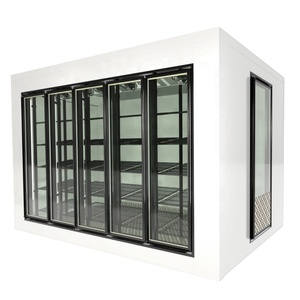
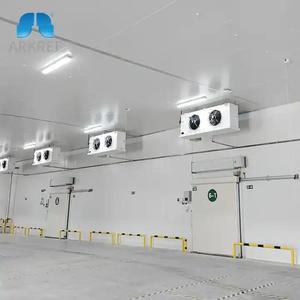
Commercial Walk in Cooler Storage Room Industrial Cold Warehouse

Commercial Walk in Cooler Storage Room Industrial Cold Warehouse Overseas Factory Supply Local Support

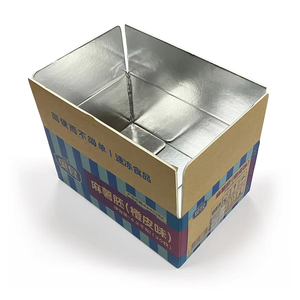
RDY Aluminum Foil Corrugated Cardboard Cooler Boxes Insulated Shipping Boxes

RDY Aluminum Foil Corrugated Cardboard Cooler Boxes Insulated Shipping Boxes For Transporting Frozen Food Storage Container

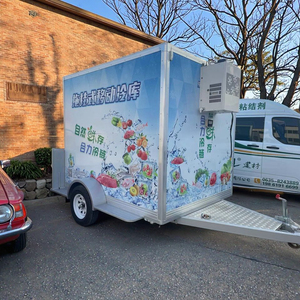
High Efficiency Prefab Walk in Cold Room Storage Food Transportation Mobile Cooler

High Efficiency Prefab Walk in Cold Room Storage Food Transportation Mobile Cooler Commercial Freezing Room

ARKREF Cold Room Container Walking In Cooler Logistics Cold Room Storage Integrated

ARKREF Cold Room Container Walking In Cooler Logistics Cold Room Storage Integrated

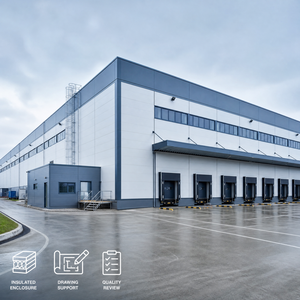
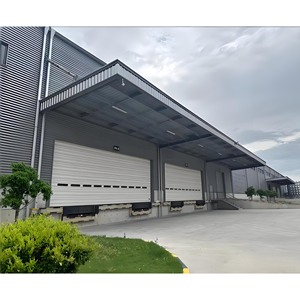
Prefabricated Steel Structure Cold Storage Warehouse Refrigerated Logistics Center

Prefabricated Steel Structure Cold Storage Warehouse Refrigerated Logistics Center Industrial Insulated Building

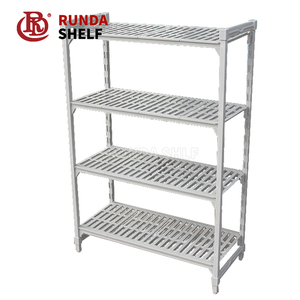
High Quality Cold Storage Heavy Duty Warehouse Rack Plastic With Steel Mult-level

High Quality Cold Storage Heavy Duty Warehouse Rack Plastic With Steel Mult-level Cold Storage Shelving

High-Rise Steel Cold Chain Logistics Warehouse Multi-Storey Building

High-Rise Steel Cold Chain Logistics Warehouse - Multi-Storey Building for Urban Vertical Cold Storage & Distribution

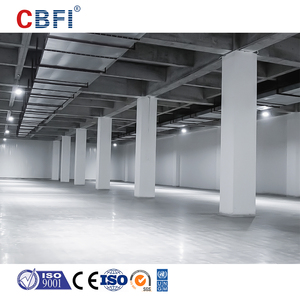
Logistics Cold Storage Freezer Project Walk In Cold Room And Cooler For Warehouse 10000 Square Meter

Logistics Cold Storage Freezer Project Walk In Cold Room And Cooler For Warehouse 10000 Square Meter

+22,458 Tons
Air Freight Volume Handled
+22,550 TEU
Ocean Freight Capacity
+70,640 SQFT
Insulated WMS Warehousing
161,435 SQFT
Bonded Yard & Drayage Storage
Why Choose JH Logistics

Proven Infrastructure & Operational Excellence Since 1999

Headquartered in Carson, CA, JH Logistics bridges global manufacturing with end-to-end intermodal delivery networks through licensed NVOCC expertise and temperature-controlled storage systems.

Licensed NVOCC & Customs Compliance

Operating as a fully licensed Non-Vessel Operating Common Carrier (NVOCC), we provide direct FMC tariff structures, ocean bill of lading issuance, and automated customs filing to guarantee smooth port transit without costly demurrage.

Air Bonded & Cold Storage Warehousing

With 70,640+ SQFT of temperature-controlled storage and 161,435 SQFT of secure yard capacity, our air bonded facilities offer duty deferment options, custom palletizing, shrink-wrapping, and cold-room buffer management.

Full-Spectrum Multimodal Integration

We seamlessly unite long-haul ocean shipping (FCL/LCL), expedited air export/import, inland rail freight, and heavy-duty drayage trucking under a unified transportation management architecture.

Global Intermodal Logistics & Cold Storage Infrastructure: An Executive Engineering & Procurement Whitepaper

In an era defined by global supply chain volatility, strict regulatory oversight under FDA FSMA (Food Safety Modernization Act), and unprecedented demand for cold chain resilience, selecting premier intermodal transportation services manufacturers and suppliers has shifted from a tactical purchasing operational choice to a strategic corporate imperative. Modern supply chain architectures can no longer rely on single-mode freight transport. The seamless synthesis of intermodal rail, maritime container shipping, over-the-road (OTR) drayage, and high-performance insulated cold storage warehouses represents the ultimate formula for achieving operational cost reductions, reducing carbon footprints, and preserving cargo integrity across international trade lanes.

Intermodal transportation leverages standardized ISO intermodal containers and reefer units to transport cargo across multiple transportation modes— ocean vessels, railcars, and semi-trucks—without handling the underlying freight when changing modes. This methodology minimizes cargo exposure, drastically cuts labor costs, eliminates port transfer delays, and lowers greenhouse gas emissions by up to 65% compared to direct long-haul over-the-road trucking.

Comparative Performance Metrics: Intermodal vs. Traditional Freight Modes

To understand the economic and operational advantages of intermodal cold chain logistics, enterprise procurement leaders must evaluate performance against critical cost-to-service benchmarks:

Freight Execution Mode Avg. Cost Per Ton-Mile Thermal Drift Risk CO2 Emissions Index Transit Reliability Optimal Distance Range
Direct OTR Reefer Trucking High ($0.22 - $0.35) Low (Continuous Monitoring) High (100% Baseline) Medium (Driver/Traffic Risk) 0 - 500 Miles
Intermodal Ocean-Rail-Trucking Low ($0.08 - $0.14) Ultra-Low (Active Smart Reefer) Low (-65% vs Baseline) High (Scheduled Rail Corridors) 500+ Miles / International
Expedited Air Freight + Drayage Ultra-High ($1.20 - $2.50) Medium (Airport Ramp Holds) Very High (+300% Baseline) Very High (Time-Critical) Global Cross-Border
Modular Cold Storage Warehousing Capitalized Asset Negligible (N+2 Redundancy) Optimized (Solar / PIR Cores) Maximum (Local Buffer) Hub & Spoke Nodes

Engineering Principles of High-Efficiency Cold Storage & Modular Warehouses

The physical infrastructure of intermodal transportation relies heavily on static and mobile cold room storage facilities. When specifying prefabricated walk-in coolers, industrial cold warehouses, and modular reefers, engineering specifications determine lifetime operational expenditures (OpEx) and thermal protection indices.

Polyurethane (PU/PIR) Insulation Cores

High-density Rigid Polyurethane (PU) and Polyisocyanurate (PIR) structural insulated panels (SIPs) provide thermal resistance values reaching R-30 to R-45. High-density PIR cores feature a thermal conductivity ($\lambda$) as low as 0.020 W/m·K. This ensures near-zero thermal bridging, preventing ambient heat infiltration during long-term static storage or temporary intermodal loading dock transfers.

  • Density Standard: 40 to 44 kg/m³ for maximum structural rigidity
  • Cam-Lock Mechanisms: Corrosion-resistant eccentric locks for air-tight panel joints
  • Fire Safety: B1/B2 fire-retardant standards complying with international building codes

Modular Multi-Level Steel Racking Integration

Modern cold chain distribution centers utilize vertical cube density optimization. Multi-storey high-rise steel warehouses and heavy-duty plastic-coated steel racking systems accommodate high-density storage up to 40 meters in height, integrated with Automated Storage and Retrieval Systems (ASRS).

  • Cold-Resistant Steel Alloys: Specialized Q235B/Q345 structural steel resistant to low-temperature embrittlement down to -30°C
  • Galvanized Finish: Hot-dip galvanization preventing rust from condensation during thermal cycling
  • Space Utilization: Drive-in, push-back, and radio shuttle racking expanding pallet capacity by 70%

Key Procurement Trends Reshaping Intermodal Transportation (2025–2030)

Supply chain executives and procurement managers must align their capital expenditure and carrier selection strategies with multi-year industry evolutions. Key trends currently transforming the market include:

  • IoT Telematics & Real-Time Temperature Monitoring: Modern ISO reefer containers and cold room facilities are equipped with 5G IoT sensors tracking temperature, humidity, door opening events, and GPS coordinates. Automated telemetry alerts dispatch operators to thermal spikes before cargo degradation occurs.
  • Decarbonization & Low-GWP Refrigeration: Global environmental regulations are forcing a rapid phase-down of hydrofluorocarbons (HFCs). Leading suppliers are deploying natural refrigerants such as CO2 (R-744) and Ammonia (R-717) alongside solar-assisted active reefer containers to achieve net-zero transport targets.
  • Modular Mobile Cold Rooms for Rapid Field Deployment: Portable, containerized walk-in coolers (like the 20ft and 40ft integrated mobile cold containers) allow logistics operators to establish cold storage hubs within 48 hours at port terminals, rail ramps, or agricultural sites without permanent concrete foundations.
  • Urban Vertical Cold Chain Hubs: To satisfy last-mile e-commerce and cold food grocery demands, supply chain developers are building multi-storey high-rise steel cold warehouses within urban perimeters, overcoming land scarcity while providing fast fulfillment.

Strategic Procurement Framework: Evaluating Intermodal Manufacturers & Suppliers

When vetting international logistics partners, equipment manufacturers, and NVOCC providers, B2B buyers should conduct rigorous due diligence across four foundational assessment pillars:

1. Compliance & Licensing Verification

Ensure your freight provider holds valid FMC (Federal Maritime Commission) licenses as an NVOCC, maintains bonded warehouse credentials, and complies with FDA FSMA, USDA, and ISO 9001 quality management protocols.

2. Thermal Insulation Engineering

For cold storage equipment procurement, inspect insulation panel core densities, skin thickness (e.g., 0.5mm color steel or stainless steel), refrigerant compressor efficiency (Copeland/Bitzer), and thermal conductivity certifications.

3. Network Capacity & Facility Scale

Assess physical asset footprints. JH Logistics, for instance, maintains over 70,640 SQFT of covered storage and 161,435 SQFT of open yard space in Carson, CA, providing crucial transloading buffer space during port congestions.

4. End-to-End Technology Integration

Select vendors offering open API integration between Warehouse Management Systems (WMS) and Transportation Management Systems (TMS), giving buyers real-time visibility into inventory status and shipment tracking.

Procurement Guidance

Frequently Asked Questions (FAQ)

Expert technical answers addressing intermodal logistics execution, cold storage panel specifications, and NVOCC compliance standards.

Q: What defines an intermodal transportation service, and how does it optimize logistics costs?
Intermodal transportation involves moving freight using multiple modes—such as ocean vessels, freight trains, and drayage trucks—within a single standardized ISO container. By shifting long-haul transit from highways to rail, shippers reduce fuel consumption by up to 60%, avoid road driver shortages, cut freight costs per ton-mile, and lower total carbon emissions without handling the cargo during transshipment.
Q: Why is working with a licensed NVOCC like JH Logistics critical for ocean freight intermodal shipping?
A Non-Vessel Operating Common Carrier (NVOCC) is licensed by maritime authorities (such as the Federal Maritime Commission in the US) to issue official Ocean Bills of Lading, negotiate volume-discounted ocean freight contracts with ocean liners, and manage complex customs documentation. Working with a licensed NVOCC guarantees rate transparency, container allocation during peak seasons, and seamless port-to-rail intermodal routing.
Q: What are the key technical specifications for prefabricated walk-in cold room storage panels?
High-performance cold room storage panels utilize high-density polyurethane (PU) or polyisocyanurate (PIR) cores (40–44 kg/m³) enclosed by galvanized color-coated steel or SUS304 stainless steel sheets (0.5mm - 0.8mm thick). Key specs include R-values ranging from R-28 to R-42, tongue-and-groove cam-lock interlocking mechanisms, and fire retardancy ratings (B1/B2 class).
Q: How do bonded warehouses benefit cross-border intermodal trade and import logistics?
A bonded warehouse allows importers to store international freight without paying customs duties, taxes, or tariffs until the goods enter the domestic commerce network. If cargo is re-exported to another country, duties are completely avoided. Bonded facilities also allow inventory manipulation such as sorting, palletizing, re-labeling, and quality testing under secure customs supervision.
Q: What temperature ranges can modular refrigerated containers and walk-in freezers maintain?
Industrial cold storage rooms and active reefer containers offer customizable temperature bands ranging from +15°C (chill/air-conditioned storage), 0°C to +5°C (fresh food/produce storage), -18°C to -25°C (frozen food/seafood), down to ultra-low blast freezing units reaching -35°C to -40°C utilizing multi-stage scroll or screw compressors.
Q: How do multi-storey high-rise steel warehouses optimize urban cold chain distribution?
Urban land scarcity makes traditional horizontal cold warehouses expensive near major metropolitan port hubs. Multi-storey high-rise steel cold warehouses leverage vertical space (up to 40 meters), utilizing structural heavy-duty rack systems, automated vertical elevators, and ASRS technology to triple storage capacity per square foot while maintaining tight zone-based thermal controls.
Q: How is temperature drift controlled during intermodal container transfer between ship, rail, and truck?
Temperature drift is minimized by using active diesel/electric gensets mounted on ISO reefer chassis during drayage and rail transit. Additionally, real-time IoT telematics continuously monitor temperature profiles, battery levels, and compressor status, providing automated alerts if environmental limits are approached during rail ramp or port terminal transshipment.
Q: Can modular insulated shipping boxes replace active refrigerated transport for smaller shipments?
Yes. Aluminum foil corrugated cardboard cooler boxes and insulated shipping containers equipped with Phase Change Materials (PCM) or dry ice packs can maintain cold temperatures (+2°C to +8°C or frozen below -20°C) for 48 to 96 hours during LCL or parcel air export shipment without active refrigeration electrical hookups, providing a cost-effective solution for pharmaceutical and food samples.

Optimize Your Global Intermodal Supply Chain Today

Connect with our senior logistics architects and engineering consultants to design custom intermodal routes, specify industrial cold storage warehouses, or secure competitive NVOCC ocean freight schedules.

Send an Inquiry