Engineered for extreme thermal stability, international compliance standards, and seamless multimodal transport integration across global trade lanes.
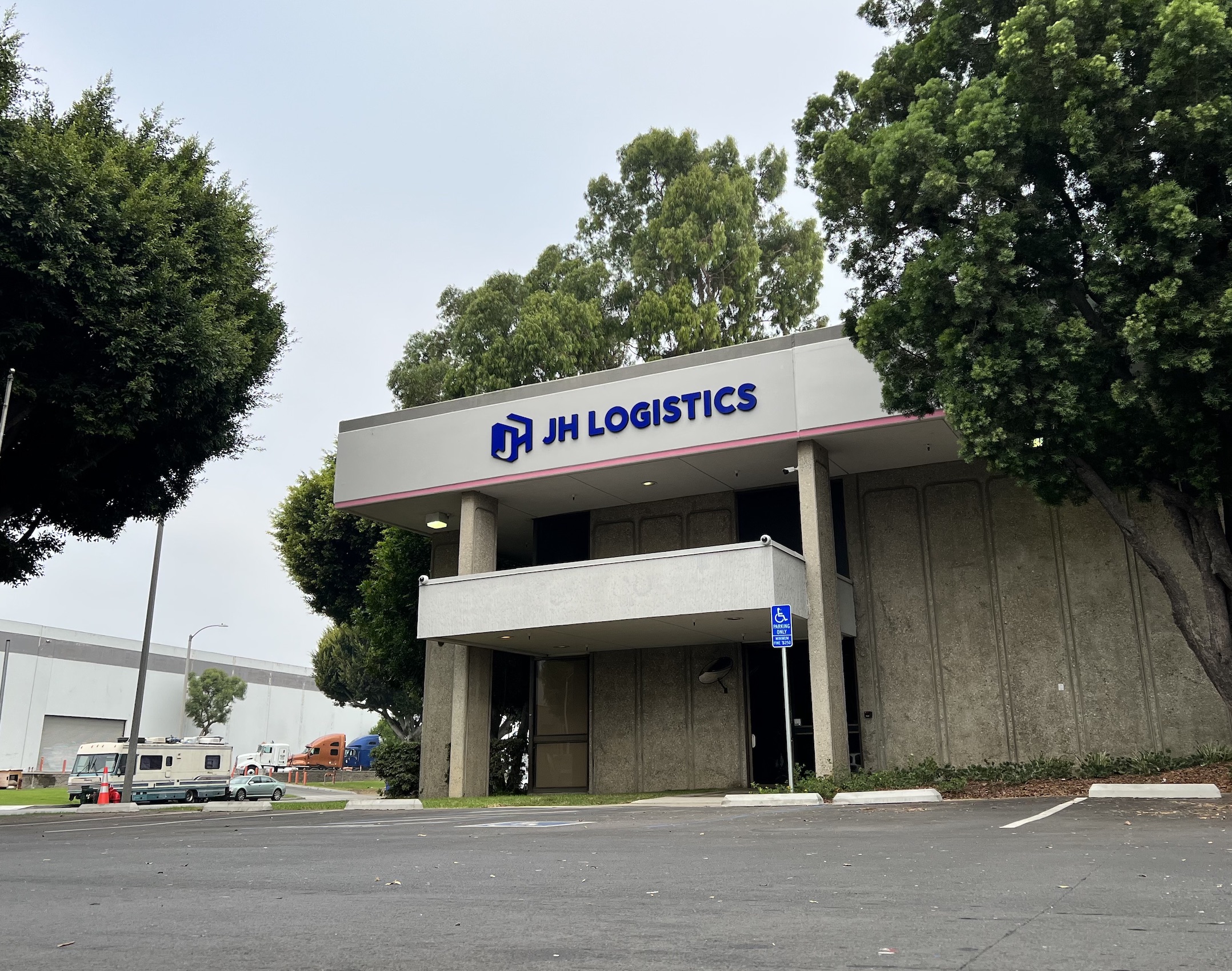
Established in 1999, JH Logistics operates as an official FMC-licensed Non-Vessel Operating Common Carrier (NVOCC) and global freight forwarder. Headquartered in Carson, California (2850 East El Presidio St), we manage an extensive ocean, air, and overland transportation network designed to eliminate friction in international supply chains.
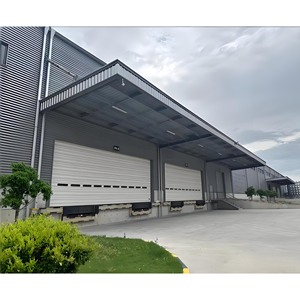
With deep asset ownership—including dedicated air bonded warehouses, heavy-duty trucking fleets, and strategic cold chain industrial facilities—we bridge the gap between global manufacturers, factories, and consumer end-markets.
Get a Quote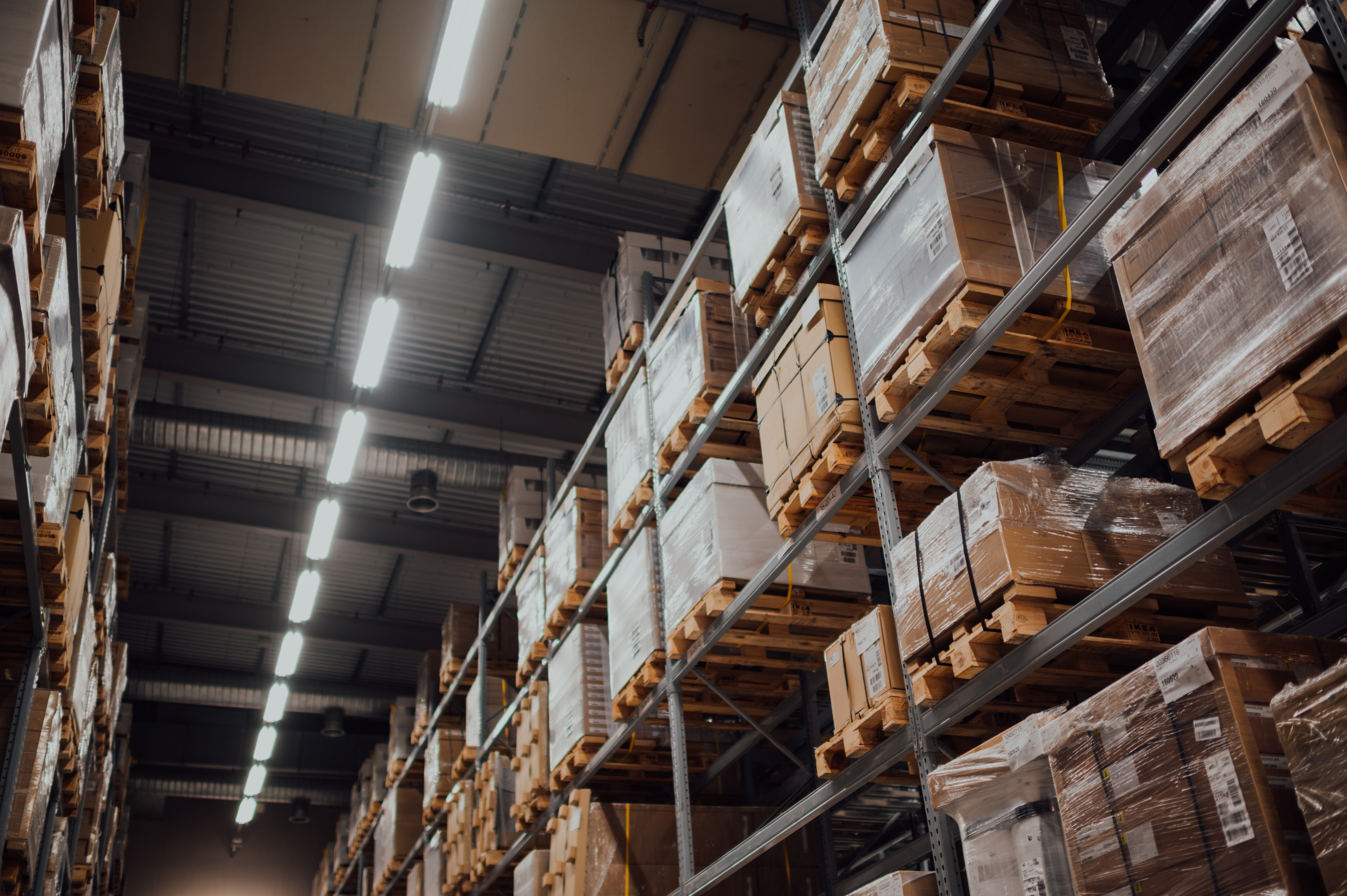
From single pallet express air shipments to 10,000+ SQM turnkey cold storage facility deployments.
Direct carrier contracts across major transpacific and transatlantic routes. Priority uplift, charter flights, temperature-controlled pharma shipping, and TSA-approved bonded handling.
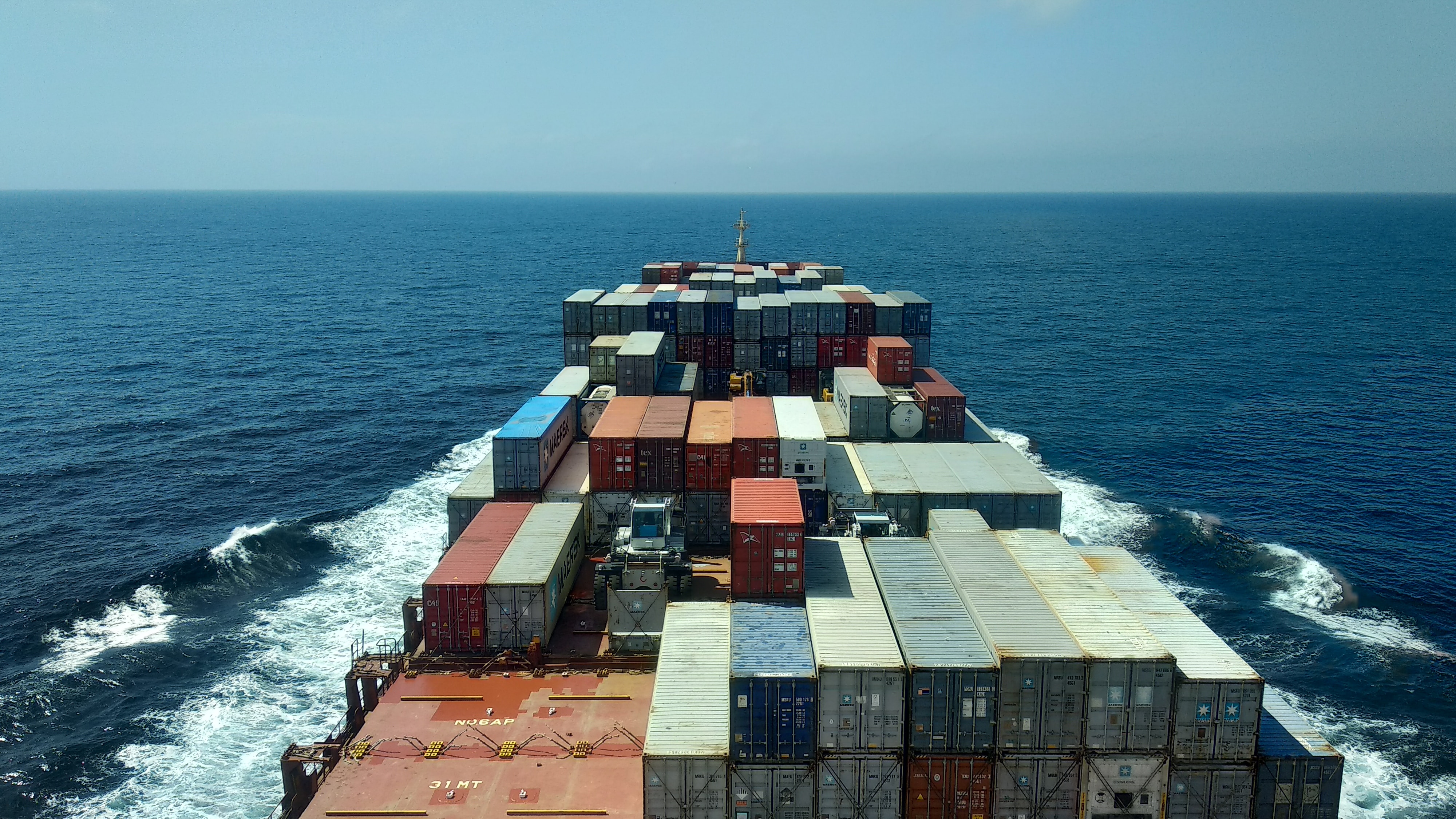
Full Container Load (FCL), Less than Container Load (LCL) consolidation, Breakbulk, Ro-Ro vehicle logistics, and specialized Reefer container transport across all global seaports.
U.S. Customs bonded storage facility allowing duty-deferred inventory storage, pick-and-pack, palletization, re-labeling, and compliant transshipment management.
The modern global supply chain ecosystem is undergoing a fundamental structural transformation. Freight forwarding is no longer merely about brokering cargo capacity between ocean carriers and commercial airlines. Today, high-performing enterprise procurement officers, cold-chain manufacturers, and global distributors require integrated, asset-backed freight forwarding architectures capable of maintaining absolute thermal integrity, regulatory compliance, and total visibility from origin factory floor to destination warehouse.
As international trade regulations tighten under FDA FSMA (Food Safety Modernization Act), GDP (Good Distribution Practice for Pharmaceuticals), and international CEIV guidelines, the demand for top trusted international freight forwarding manufacturers and industrial cold storage equipment suppliers has reached unprecedented peaks. Buyers require combined solutions that integrate heavy industrial prefabricated infrastructure—such as walk-in freezer rooms, high-rise urban cold warehouses, and containerized mobile coolers—with sophisticated air, ocean, and overland freight forwarding execution.
Navigating global logistics sourcing over the next decade requires understanding five major structural procurement trends that are reshaping how multinational corporations select their logistics partners and cold storage equipment manufacturers:

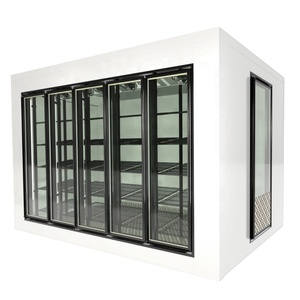
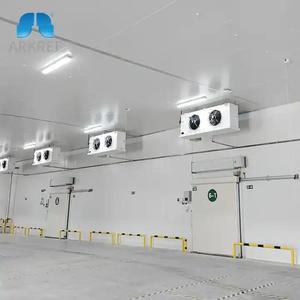
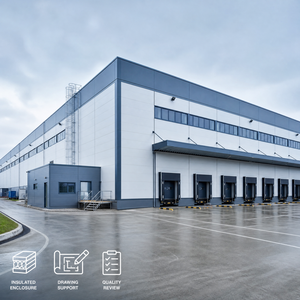
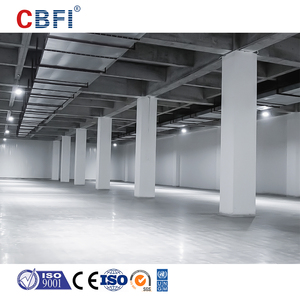
The manufacturing of cold chain logistics hardware has converged with the execution of international freight operations. Advanced logistics engineering focuses heavily on modularity, thermal decoupling, and structural durability. For instance, modern Commercial Walk-In Coolers and 10,000 SQM Logistics Cold Storage Freezer Projects utilize tongue-and-groove cam-lock polyurethane panels that enable rapid expansion or structural relocation without structural degradation.
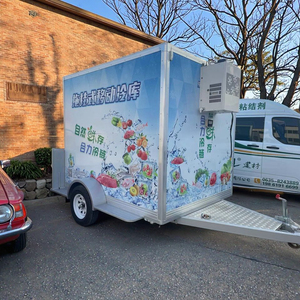
Furthermore, in the realm of intermodal transport, prefabricated ARKREF Cold Room Containers represent the pinnacle of mobile cold logistics. By integrating heavy-duty commercial compressor racks into standard ISO shipping container frames, these units function simultaneously as ocean-ready freight containers and static multi-zone walk-in freezers upon arrival at destination terminals.
When procuring industrial cold storage systems and international forwarding services, enterprise buyers must benchmark suppliers against rigorous structural and operational criteria:
Selecting the optimal international freight forwarding supplier requires evaluating both asset capabilities and operational expertise. The matrix below highlights critical operational vectors enterprise buyers analyze during RFQ (Request for Proposal) processes:
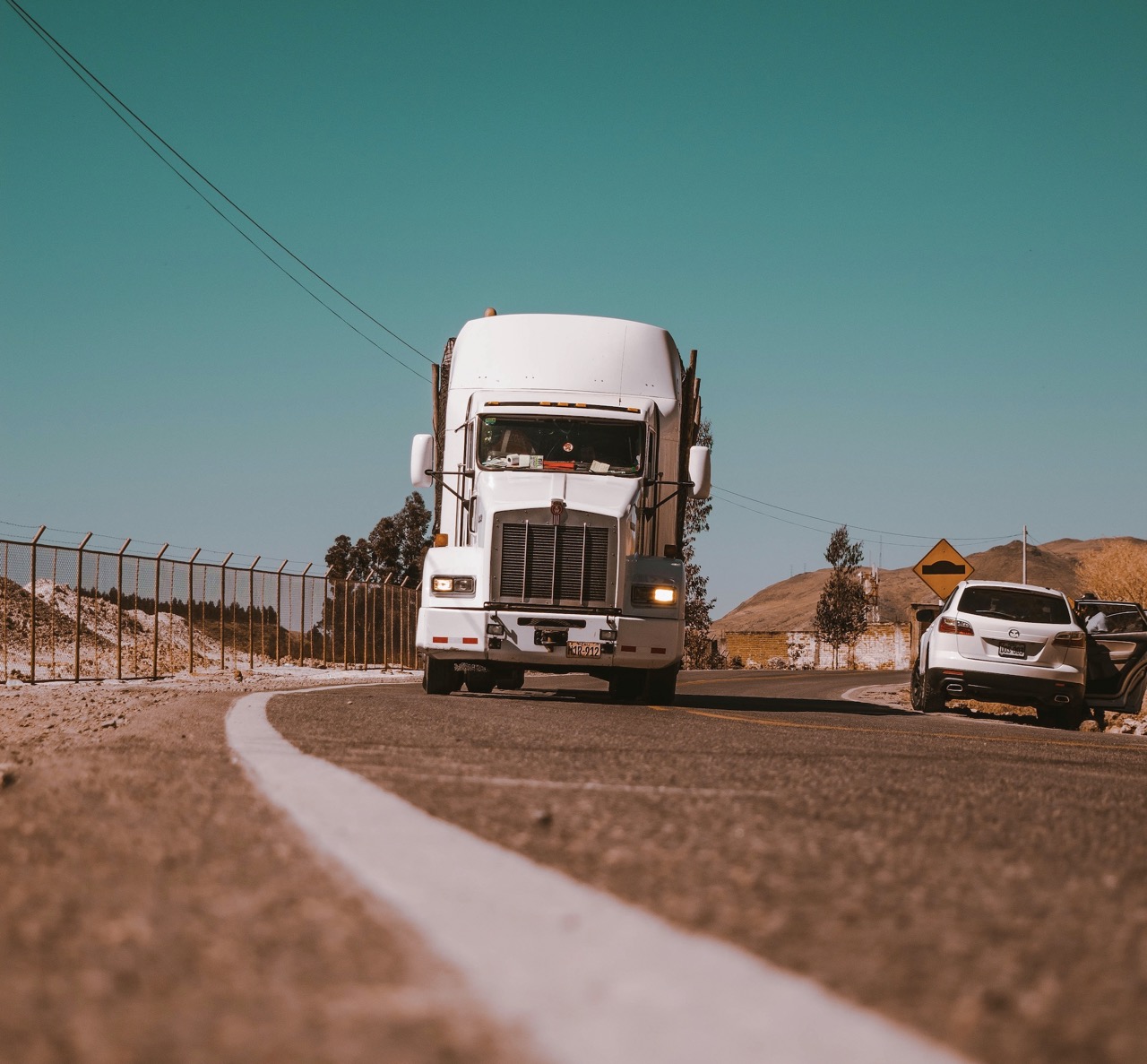
1. Multimodal Integration: Does the forwarder offer seamless drayage from ocean port to inland bonded warehouse via proprietary or contract trucking fleets? Integrated forwarders reduce container demurrage and detention penalties by up to 65% through synchronized terminal pickups.
2. Custom Cold Storage Fabrication vs. Off-the-Shelf: For large-scale manufacturing sites, standard commercial refrigeration units fail to address complex multi-temperature requirements (e.g., simultaneous deep freeze at -25°C for seafood alongside +4°C fresh produce zones). Customized 10,000 SQM walk-in projects provide engineered air balance systems that prevent cold air pockets and thermal stratification.
3. Risk Mitigation & Cargo Insurance Coverage: Full-service forwarders provide comprehensive All-Risk Shipper's Interest Cargo Insurance, protecting valuable shipments against marine general average claims, temperature excursions, and transport damage from factory door to final installation site.
Addressing key questions from supply chain directors, procurement managers, and cold chain engineers.
A licensed Non-Vessel Operating Common Carrier (NVOCC) like JH Logistics holds volume-based contracts across multiple ocean carrier alliances simultaneously. This structure grants buyers superior rate leverage, guaranteed container space during peak seasons, flexible sailing schedules, and consolidated House Bill of Lading (HBL) issuance. Additionally, direct ocean lines do not provide door-to-door customs clearance, bonded warehousing, or localized inland trucking, whereas an NVOCC provides total end-to-end supply chain execution.
An Air-Bonded Warehouse is a secured facility supervised by U.S. Customs where imported goods can be stored, inspected, manipulated, or repackaged without immediate payment of import duties and taxes. Duty is only assessed when products enter the domestic commerce stream. If products are re-exported to international destinations, no import duty is incurred, dramatically optimizing working capital and international trade flexibility.
For commercial walk-in coolers operating between 0°C and +5°C, a 100mm thick high-density polyurethane (PIR/PUR) panel is standard. However, for deep freezer applications operating between -18°C and -25°C, a minimum panel thickness of 150mm to 200mm is engineered to prevent thermal transfer, ice formation, and excessive compressor energy consumption. All panels should feature thermal-break cam-locks and food-grade stainless steel or galvanized color-coated steel facings.
Cold storage structural steel racking and building frameworks utilize specialized sub-zero steel alloys (such as Q355D/E grade) treated with hot-dip galvanizing or high-durability epoxy/powder coatings. This prevents moisture-induced oxidation caused by frequent defrost cycles and guards against low-temperature embrittlement. Foundation systems also integrate sub-floor heating elements to prevent frost heave beneath the structural slab.
For enterprise equipment procurement, DDP (Delivered Duty Paid) or DAP (Delivered at Place) are highly recommended. Under DAP/DDP, the manufacturer and their logistics forwarder assume full responsibility for ocean/air freight, marine cargo insurance, customs export/import clearance, and transport to your job site. This eliminates unexpected port demurrage costs and ensures unified accountability until equipment arrives at your facility.
Speak directly with our senior logistics engineers and NVOCC freight specialists to design a customized, cost-efficient air, ocean, or cold warehouse supply chain solution.