Engineered for seamless maritime export, transshipment resilience, and precision microclimate management. Trusted by global agricultural exporters, pharmaceutical suppliers, and deep-freeze logistics networks.
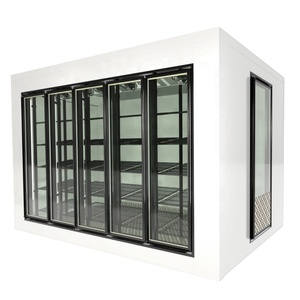
Heavy-duty industrial cold storage facility integrated with dual-compressor refrigeration units, low-GWP insulation panels, and real-time thermal monitoring for ocean export staging hubs.
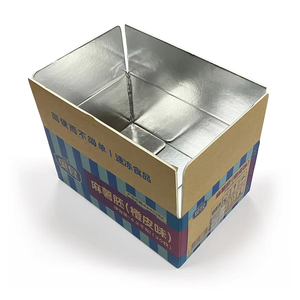
High-R-value reflective barrier cargo boxes engineered for LCL temperature protection, air-ocean intermodal transit, and extended cold retention of frozen perishables.
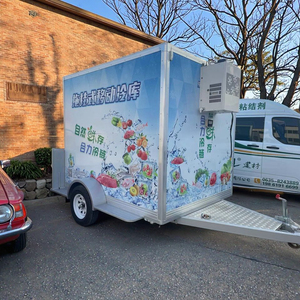
Prefabricated modular cold chain containment system featuring rapid-assembly cam-lock panels, ultra-low energy consumption, and mobile deployment capabilities for remote seaport yards.
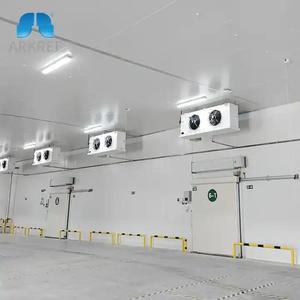
Standard ISO intermodal reefer container with integrated walk-in storage configurations, variable-speed scroll compressors, and marine-grade protective exterior coating.
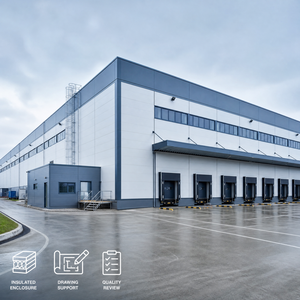
Large-scale portside reefer warehouse building design utilizing structural insulated steel frames, high-density PIR core walls, and automated dock sealing systems.
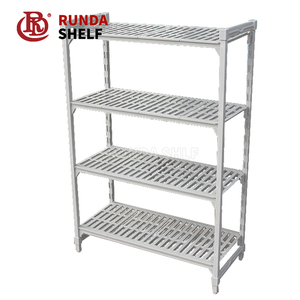
Sub-zero ambient rack systems built with freeze-resistant steel-reinforced polymer alloys, optimizing vertical space usage in marine cold logistics centers.
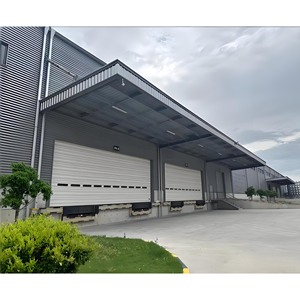
Multi-tiered vertical reefer container staging facility engineered for space-constrained port environments with automated stacker cranes and intelligent zone cooling.
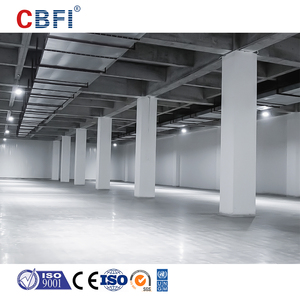
Turnkey 10,000+ SQM ocean export terminal freezer infrastructure featuring multi-stage blast freezing, dehumidification matrices, and zero-downtime backup generators.
In the contemporary global trade ecosystem, maritime cold chain logistics represents the critical artery for perishables, pharmaceuticals, high-value chemicals, and temperature-sensitive biological goods. Managing intermodal refrigerated container ocean freight (reefer logistics) demands rigorous compliance with International Maritime Organization (IMO) standards, United States Department of Agriculture (USDA) Cold Treatment Protocols, and Good Distribution Practice (GDP) guidelines. As a licensed Non-Vessel Operating Common Carrier (NVOCC) established in 1999, JH Logistics combines decades of operational mastery with state-of-the-art reefer container technology to protect product integrity across multi-thousand-mile ocean transits.
A standard intermodal refrigerated ocean container is far more than an insulated steel shell; it is an active, closed-loop microclimate chamber capable of maintaining precision temperatures ranging from -35°C to +30°C (-31°F to +86°F) under extreme ambient conditions. Key technical components include:
Advanced refrigeration units utilize digital scroll or inverter-driven scroll compressors that automatically adjust cooling capacity based on real-time heat load. This eliminates thermal cycling shocks, reducing energy consumption by up to 35% during oceanic transit.
By dynamically regulating Oxygen (O2) and Carbon Dioxide (CO2) concentrations alongside Nitrogen balance, CA technologies retard fruit respiration rates, suppress ethylene accumulation, and double the storage life of delicate agricultural products.
Cellular and satellite telemetry modules broadcast real-time container metrics—including return air temperature, relative humidity, vent position, and compressor power supply status—directly to centralized monitoring centers.
Selecting the appropriate ocean freight equipment and staging storage infrastructure is paramount to minimizing spoilage risks and optimizing freight-to-volume ratios. Below is an engineering overview of reefer and cold storage asset capabilities:
| Equipment / Solution Type | Operating Temp Range | Primary Cargo Application | Key Technical Advantage | Compliance Certification |
|---|---|---|---|---|
| 40ft High Cube ISO Reefer Container | -30°C to +30°C | Fresh produce, frozen protein, pharmaceuticals | High payload volume (2,830 cu.ft), T-bar floor airflow distribution | ISO 1496/2, ATO, USDA Cold Treatment |
| Super Freezer Container Units | -60°C to -35°C | Sashimi-grade tuna, specialized biologicals, vaccines | Cascaded refrigeration circuitry, vacuum insulation panels | GDP Compliant, IMO Dangerous Goods (IMDG) |
| Prefabricated Walk-In Storage Modules | -25°C to +10°C | Portside staging, regional warehouse expansion | Rapid installation, cam-lock thermal sealing, modular scalability | CE, UL, ISO 9001 Structural Standard |
| Insulated LCL Corrugated Barrier Boxes | 0°C to +8°C (Passive) | Parcel-level perishable export, consolidated shipping | Reflective metallic foil lining, zero external power requirement | IATA Perishable Cargo Regulations (PCR) |
Operating from our Carson, California headquarters with international branch operations, JH Logistics combines NVOCC carrier privileges with dedicated cold storage and yard capabilities.
As a fully bonded NVOCC since 1999, we hold direct service contracts with major ocean alliances (22,550+ annual TEUs), granting guaranteed reefer space allocations and priority port plug-in access even during peak shipping seasons.
Our 2850 East El Presidio St, Carson CA facility features 70,640 sqft of WMS-managed warehouse space and 161,435 sqft of yard capacity, providing secure reefer generator set (Genset) staging and duty-deferred air-bonded storage.
We control the entire supply chain vector—from port drayage using clip-on Gensets to FCL ocean liner positioning, customs brokerage, and final-mile temperature-monitored refrigerated trucking across the USA and Canada.
Strategic intelligence for supply chain leaders navigating environmental regulations, technological transitions, and geopolitical shifting trade routes.
Under tightening global climate mandates—including the Kigali Amendment to the Montreal Protocol and European Union F-gas Regulations—ocean carriers and container fleets are rapidly sunsetting traditional HFC refrigerants like R-134a and R-404A. Enterprise procurement strategies must align with suppliers offering next-generation low-Global Warming Potential (GWP) mixtures or natural CO2 (R-744) refrigerants. These eco-friendly refrigerants reduce thermal carbon footprint by over 65% while maintaining volumetric cooling performance in tropical ocean trade corridors.
Unplanned power interruptions or defrost cycles at sea account for a significant portion of cargo claims. Modern reefer container fleets are adopting edge-AI processing. By analyzing compressor vibration signatures, refrigerant flow rates, and ambient airflow resistance, smart reefer units predict component degradation 14 days before failure. Furthermore, dynamic defrost algorithms initiate ice removal only when evaporator coils experience true airflow restriction, saving fuel and minimizing unwanted box temperature spikes.
Historically, high-value, highly perishable products such as fresh berries, avocados, asparagus, and pharmaceuticals were exclusively transported via costly air freight. Advances in Controlled Atmosphere (CA) container technology and humidity control (maintaining 60%-95% RH precision) now permit 30-plus day maritime transits without quality degradation. Procurement directors are increasingly shifting tonnage from air to ocean reefer shipping, reducing freight expenditure by 60% to 75% while drastically cutting Scope 3 carbon emissions.
Technical solutions to common operational challenges in global maritime cold chain shipping.
Connect with our licensed NVOCC reefer specialists to design tailored refrigerated ocean freight solutions, secure seasonal space allocations, or request immediate freight rate quotations.