Breakbulk Heavy Equipment Shipping Suppliers & Exporters for Morocco
Industrial Project Logistics · Cold Chain Infrastructure · Out-Of-Gauge Transport
Featured Heavy Equipment & Industrial Cold Storage Solutions
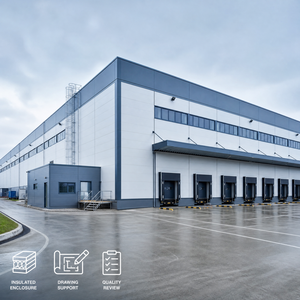
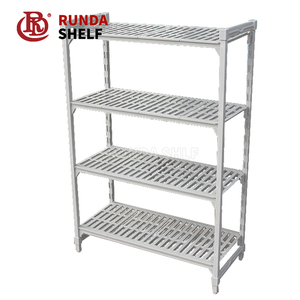
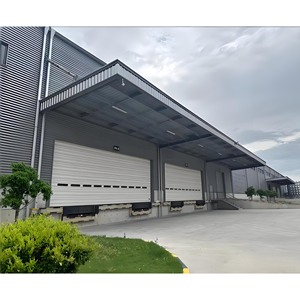
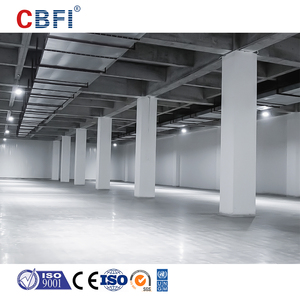
Engineered for direct export to Moroccan industrial corridors (Tanger Med, Casablanca, Agadir, Jorf Lasfar). High-spec modular infrastructure built for extreme durability and optimal thermal performance.
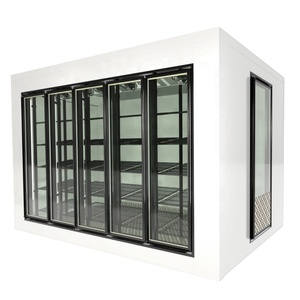
Commercial Walk in Cooler Storage Room Industrial Cold Warehouse Overseas Factory Supply Local Support
Technical Logistics Engineering: Executing Breakbulk & Heavy Lift Exports to Morocco
Navigating the complex corridor of transatlantic and Eurasian maritime logistics for heavy industrial equipment requires rigorous engineering precision, specialized NVOCC compliance, and deep local port mastery. As the Kingdom of Morocco accelerates its national infrastructure initiatives—ranging from the expanding solar and wind megaprojects in Ouarzazate to the massive agro-industrial growth in the Souss-Massa region—the demand for reliable Breakbulk Heavy Equipment Shipping Suppliers & Exporters has reached an unprecedented peak.
Heavy machinery, oversized steel structures, multi-megawatt refrigeration compressors, and prefabricated high-rise warehouses exceed standard ISO container dimensions (Out-of-Gauge / OOG). Consequently, these project cargoes demand tailored ocean freight engineering solutions, including Breakbulk vessel chartering, Flat Rack / Open Top containerization, Heavy Lift Ro-Ro (Roll-on/Roll-off), and multi-modal transport routing tailored specifically for Moroccan port discharges.
Strategic Moroccan Discharge Terminals & Heavy Lift Capabilities
Successful breakbulk delivery depends heavily on selecting the correct destination gateway based on draft depth, shore crane capacity, and inland road transport connection clearance:
Tanger Med Project Logistics Hub: Features state-of-the-art breakbulk berths with water depths up to 18 meters, capable of receiving ultra-large heavy-lift vessels. Ideal for machinery destined for northern manufacturing zones and Renault Auto City.
Port of Casablanca (Môle Tarik & Commercial Quays): The traditional industrial gateway of Morocco. Equipped with heavy-lift shore cranes and mobile gantry equipment suitable for structural steel warehouse imports, heavy industrial chillers, and mining equipment.
Port of Jorf Lasfar: Specialized in heavy industrial, chemical, and energy project cargo. Offers direct access to Morocco's phosphate mining heartlands and major energy production facilities.
Port of Agadir: The primary entry point for southern Morocco’s commercial refrigeration, agricultural packing hubs, and seafood freezing facilities. Highly specialized in receiving insulated building panels, commercial walk-in cooler modules, and refrigeration racks.
Information Gain Insight: Shipping breakbulk industrial cold storage units to Morocco requires strict adherence to local humidity resistance standards (coastal corrosion protection for ports like Casablanca and Agadir) and high thermal resistance (R-values exceeding R-40) for desert inland projects in the Atlas and Saharan sectors.
Localized Application Scenarios Across Moroccan Economic Zones
Morocco’s economic landscape is characterized by hyper-specialized regional industrial ecosystems. Supplying heavy equipment and industrial refrigeration solutions requires tailor-made operational strategies that align with regional demand driver needs:
Morocco is a major global exporter of citrus fruits, tomatoes, and fresh seafood to the European Union and North America. Procurement officers in Agadir require full-scale Prefabricated Steel Structure Cold Storage Warehouses and Integrated Cold Room Containers. Breakbulk shipping guarantees that massive 10,000-square-meter modular cold storage frameworks are shipped complete, avoiding factory assembly delays and maintaining uninterrupted cold chain integrity under ONSSA (Office National de Sécurité Sanitaire des Produits Alimentaires) guidelines.
2. Greater Casablanca & Berrechid Logistics Hubs
Urban density in Casablanca has driven demand for vertical space utilization. Moroccan logistics operators are rapidly adopting High-Rise Steel Cold Chain Logistics Warehouses with Multi-level Heavy Duty Cold Storage Racking. We facilitate the export and sea freight of these heavy structural steel columns, automated high-bay racking systems, and insulated sandwich panels via breakbulk and flat-rack shipments directly to Casablanca Port.
3. Khouribga & Benguerir Mining & Energy Projects
The phosphate industrial complexes run by OCP Group demand heavy-duty industrial walk-in cooler storage facilities for site encampments, chemical lab environment control, and explosive storage temperature regulation. Overseas suppliers must ship high-efficiency, heavy-duty industrial freezers engineered to withstand desert ambient temperatures exceeding 45°C.
4. Green Hydrogen & Renewable Energy Infrastructure
As Morocco positions itself as a green hydrogen exporter to Europe, mega-scale projects in Guelmim-Oued Noun and Dakhla demand heavy structural components, modular power conversion housing, and advanced process cooling systems shipped as breakbulk project cargo.
Localized Supply Chain Trends in Morocco (2025–2030)
Nearshoring Boom & European Supply Chain Realignment: European industrial manufacturers are increasingly shifting production lines to Morocco. This trend has created massive demand for imported heavy machinery, stamping presses, and industrial cold storage buildings, requiring direct breakbulk export solutions from North American and Asian suppliers.
Digital Customs Modernization via Portnet: Morocco’s single-window customs platform (Portnet) now requires automated pre-lodgment of bill of lading (B/L) data, packing lists, and certificate of origin documentation. Working with a licensed NVOCC ensures smooth clearance through the Administration des Douanes et Impôts Indirects (ADII).
Expansion of Solar-Powered Cold Chain Logistics: To lower operational costs in rural agricultural zones, Moroccan buyers are procuring walk-in cold rooms integrated with high-efficiency solar inverter systems and polyurethane (PIR/PUR) insulation panels with zero ODP (Ozone Depletion Potential).
Upgrade of National Freight Corridors: The expansion of the A1 and A3 highway networks connecting Tanger Med to Casablanca and Marrakech allows heavy low-boy trailers to transport out-of-gauge breakbulk machinery directly from coastal ports to inland sites with reduced transit times.
Why Global Buyers & Exporters Trust JH Logistics
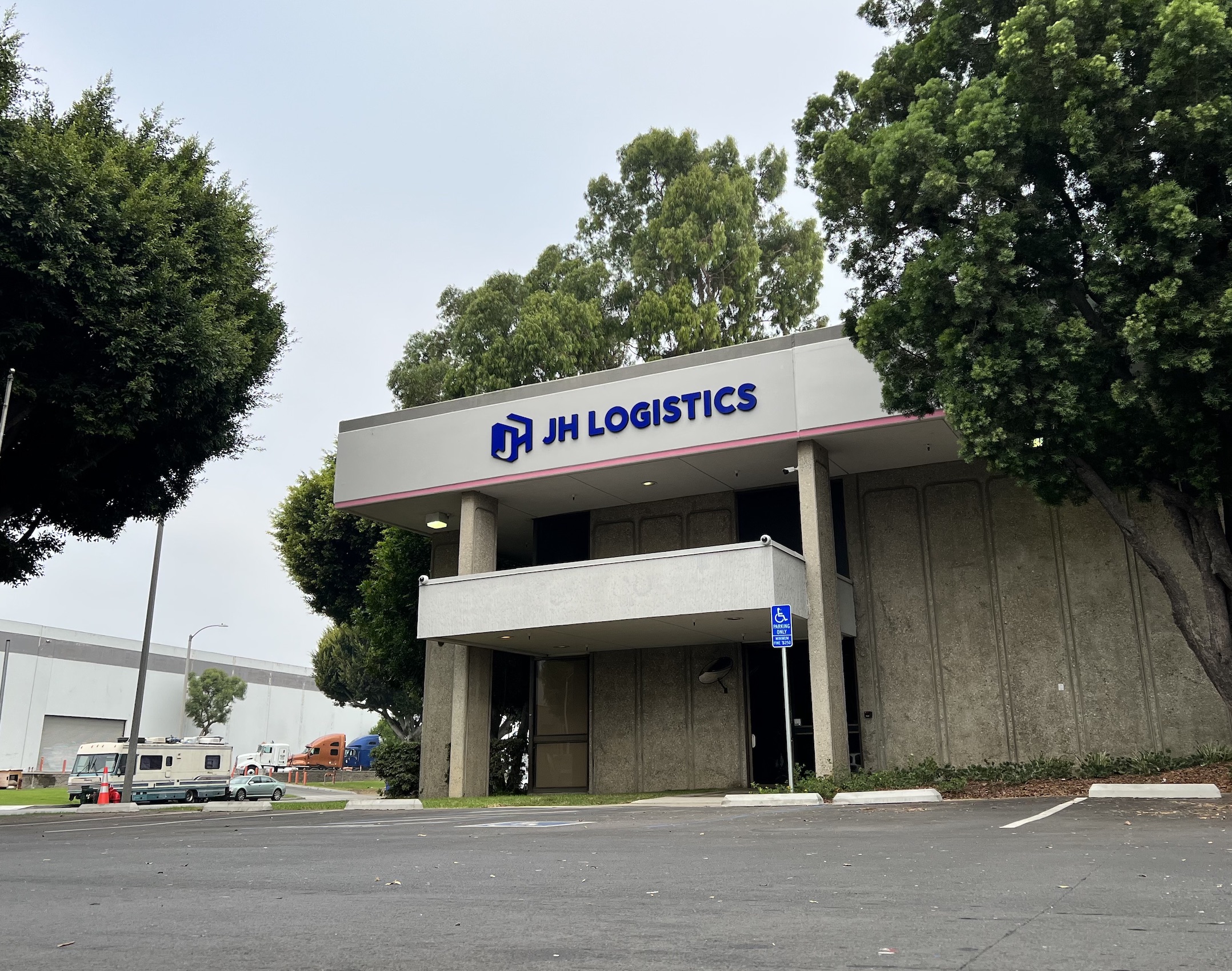
Established in 1999, JH Logistics is a fully licensed NVOCC (Non-Vessel Operating Common Carrier) and full-service global freight forwarder headquartered in Carson, California (USA). With over 26 years of dedicated international freight forwarding excellence, we bridge overseas machinery manufacturers and Moroccan project developers with end-to-end supply chain reliability.
End-to-End Breakbulk Management
From factory floor origin rigging, heavy-haul trucking, ocean vessel chartering, to port crane discharge in Morocco—JH Logistics handles every step. We provide dunnage design, lashing calculations, and marine insurance to mitigate risk during ocean transit.
Integrated Warehousing & Bonded Facilities
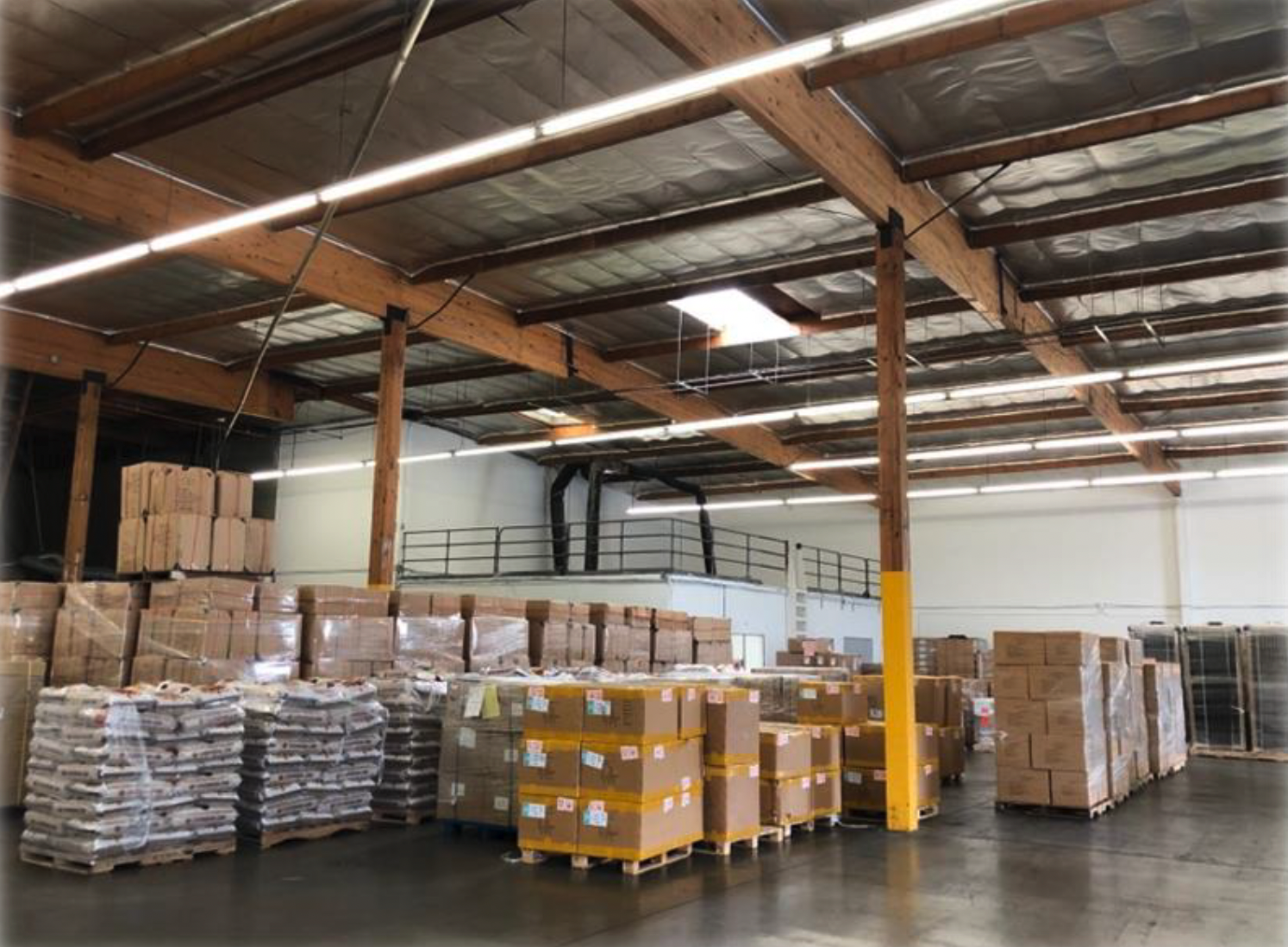
Our infrastructure includes over 70,640 square feet of WMS-managed warehouse space and 161,435 square feet of secure heavy cargo yard space. We provide air bonded warehousing, container stuffing, export consolidation, and palletizing before ocean departure.
Frequently Asked Questions (FAQ) for Moroccan B2B Procurement
Q1: How are oversized cold storage rooms and steel buildings shipped to Morocco via Breakbulk?
Heavy equipment and structural steel panels that exceed container sizes are secured on Flat Rack containers or stowed directly into the hold of breakbulk vessels using specialized lifting beams. Heavy structural components are coated with marine anti-corrosion protection, shrink-wrapped, and strapped using high-tensile steel webbing for Atlantic ocean transit to Casablanca or Tanger Med.
Q2: What customs documents are required by Moroccan Customs (ADII) for importing heavy machinery?
Moroccan importers must register through the Portnet system. Essential documents include the Commercial Invoice (specifying Incoterms: CIF/DDP), Detailed Packing List with net/gross weight breakdown, Bill of Lading (issued by licensed NVOCC), Certificate of Origin (Eur.1 or US-Morocco FTA certificate for duty preference), and ONSSA technical safety compliance certificates for commercial refrigeration equipment.
Q3: How long does ocean transit take for project cargo from North American or European ports to Morocco?
Ocean transit from US East Coast and Gulf ports to Tanger Med or Casablanca ranges between 14 to 22 days. From European ports (Algeciras, Antwerp, Rotterdam), transit times are typically 3 to 7 days. Overall lead times must factor in 3 to 5 days for export customs processing, breakbulk vessel loading, and local port clearance.
Q4: What inland transportation solutions exist for moving heavy out-of-gauge cargo within Morocco?
Once discharged at Casablanca, Tanger Med, or Agadir, heavy project cargo is transferred to specialized multi-axle hydraulic low-boy trailers. Our logistics partners coordinate with Moroccan road transport authorities to secure escort permits for over-dimensional loads along the national highway network (Autoroutes du Maroc).
Q5: Can JH Logistics assist with customs clearance and duty deferral in Morocco?
Yes. Through our international network and licensed customs broker partners in Morocco, we facilitate temporary import regimes (Admission Temporaire), duty deferral through bonded warehousing, and streamlined clearance via Portnet to ensure smooth delivery without costly port demurrage or detention charges.
Ready to Transport Heavy Equipment & Cold Chain Systems to Morocco?
Partner with JH Logistics—your licensed NVOCC expert since 1999. Contact our project freight team today for custom breakbulk engineering, freight rate quotations, and end-to-end supply chain execution.