Engineered specifically for cross-border scalability, thermal efficiency, and severe high-altitude microclimates across Mexico City, Estado de México, and the CTT corridor.
A Comprehensive Analysis of Supply Chain Integration, High-Altitude Engineering Adaptations, and Nearshoring Logistics Architecture in Central Mexico.
Executive Summary: As Mexico City (CDMX) solidifies its position as the premier financial and industrial consumption epicenter of Latin America, international trade lanes connecting major Chinese manufacturing clusters (Ningbo-Zhoushan, Shanghai, Shenzhen) with Central Mexico demand unprecedented logistics synchronization. This report explores how integrating direct-factory cold storage manufacturing with licensed NVOCC freight forwarding removes systemic friction across customs compliance (NOM standards), high-altitude refrigeration thermodynamic losses, and last-mile urban distribution bottlenecks.
The macroeconomic trend of supply chain nearshoring under USMCA (United States-Mexico-Canada Agreement) frameworks has triggered an unprecedented surge in industrial real estate demand within the Valley of Mexico (Zone Metropolitana del Valle de México). Key logistics nodes such as Tepotzotlán, Cuautitlán Izcalli, and Tultitlán—collectively recognized as the CTT industrial hub—are experiencing historic occupancy rates exceeding 98.5%. However, expanding manufacturing capacity and urban food consumption require scalable, energy-efficient cold chain and warehousing infrastructure capable of handling high throughput without thermal breach.
Transporting heavy cold storage hardware, prefabricated insulated building frames, and industrial cooling machinery from Chinese factories to inner-city Mexico City micro-fulfillment centers involves complex multimodal corridors. Freight typically enters via the Pacific gateways of Port of Manzanillo (Colima) or Port of Lázaro Cárdenas (Michoacán), transitioning to rail (Kansas City Southern de México / Ferromex) or highway corridors through Querétaro to reach CDMX dry ports like Pantaco or Toluca. Optimizing this route requires harmonizing container packing design with destination offloading constraints, duty deferral mechanisms, and specialized bonded storage facilities.
Direct ocean freight synchronization from Shanghai/Ningbo to Manzanillo, seamlessly integrated with inland drayage and rail transit direct to CDMX logistics hubs, reducing port dwell times by up to 35%.
Pre-clearance documentation ensuring full compliance with Official Mexican Standards (NOM-001-SEDE for electrical safety and NOM-020-ENER for thermal enclosure performance) to prevent border delays.
Custom-engineered compressor rack systems designed for CDMX's 2,240m altitude, compensating for reduced atmospheric density and maintaining constant thermal coefficient ratios (COP).
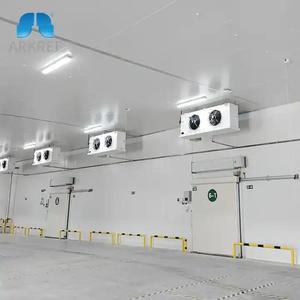
Deploying industrial cold rooms, walk-in freezers, and multi-storey modular cold storage facilities in Mexico City requires overcoming unique environmental challenges. Operating at an elevation of 2,240 meters (7,350 feet) above sea level, atmospheric pressure drops to approximately 77 kPa (compared to 101.3 kPa at sea level). This reduction in air density directly impacts condenser heat rejection efficiency in refrigeration cycles, resulting in a potential 12% to 18% capacity degradation if standard sea-level compressor units are deployed without engineering recalibration.
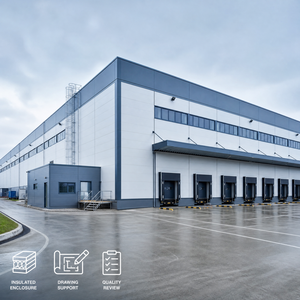
Furthermore, Mexico City is located in a high-seismic risk region (Zone B and C under local building codes). High-rise steel cold storage structures and multi-level rack systems must incorporate specialized seismic bracing, ductile connection joints, and reinforced anchor plates to withstand lateral accelerations. Our manufacturing facilities in China collaborate directly with local Mexican structural engineers to ensure prefabricated insulated building envelopes conform to local structural codes while maximizing vertical volume utilization.
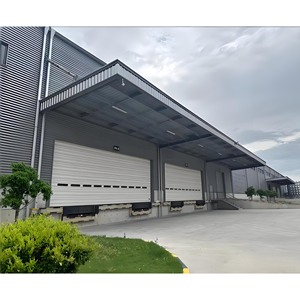
Heavy-duty structural steel cold storage facilities manufactured with Q355B structural steel, finished with anti-corrosive galvanized coatings, and tested for seismic lateral displacement stability in compliance with Mexico City Structural Building Codes (NTCDMX).
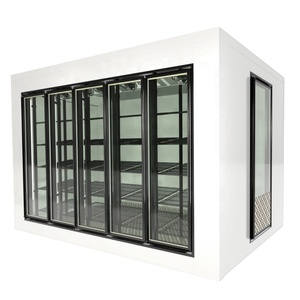
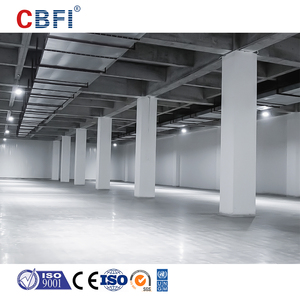
High-density Polyisocyanurate (PIR) and Polyurethane (PUR) sandwich panels ranging from 100mm to 200mm thickness. Featuring cam-lock joinery, B1 fire-retardant rating, and thermal conductivity ratings as low as 0.022 W/(m·K) to minimize power consumption on the local 220V/440V 60Hz power grid.
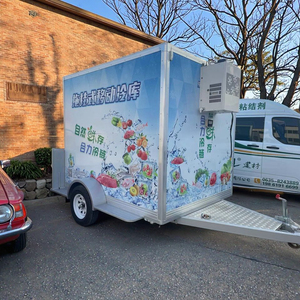
From central distribution centers supplying the Central de Abasto (the world's largest wholesale market located in Iztapalapa) to dark-store cold fulfillment centers catering to high-density commercial zones like Polanco, Santa Fe, and Condesa, localized refrigeration needs vary significantly:
Key drivers reshaping industrial logistics, refrigeration supply chains, and import procurement across Greater Mexico City.
Rising land costs and tight construction timelines in CDMX have accelerated adoption of modular, walk-in cold rooms and pre-engineered steel buildings imported directly from specialized Chinese manufacturers, cutting on-site installation timelines by over 50%.
With CFE electricity tariffs rising for industrial users in Mexico, logistics operators are transitioning to zero-ODP, low-GWP natural refrigerants (CO2/Ammonia cascades) and eco-friendly R449A systems paired with solar-assisted roofing structures.
Mexican logistics managers are demanding real-time cloud temperature monitoring and automated fault detection systems integrated into cold storage control panels to prevent inventory loss caused by grid instability or door openings in urban hubs.
Addressing critical procurement, import logistics, technical compatibility, and local support questions for businesses serving Mexico City.
Our licensed NVOCC freight forwarding division manages the entire customs workflow from Chinese port departure to final delivery in Mexico City. We coordinate directly with certified Mexican customs brokers (Agentes Aduanales) to clear goods through ports of entry such as Manzanillo or Lázaro Cárdenas. We ensure all mechanical and electrical equipment complies with Official Mexican Standards (NOM/SEDE), provide accurate HS code classification to minimize import tariffs, and offer DDP (Delivered Duty Paid) terms so buyers face zero customs friction.
Yes. While China typically operates on 380V/50Hz, all cooling systems, condensing units, and control panels manufactured for the Mexican market are custom-wired for 220V/440V, 3-Phase, 60Hz systems. Controls utilize industrial Schneider or Siemens components configured for local voltage fluctuations, incorporating phase protection relays and surge arresters tailored for Central Mexico's electrical grid.
Ocean freight transit from main ports (Shanghai, Ningbo, Shenzhen) to Manzanillo or Lázaro Cárdenas averages 22 to 28 days. Customs clearance and inland drayage via truck or rail to the Mexico City area (Tepotzotlán, Cuautitlán, Azcapotzalco) adds an additional 5 to 7 days. Total door-to-door transit generally ranges between 30 and 38 days. Air freight options via AIFA (Felipe Ángeles International Airport) or MEX (Benito Juárez International Airport) are available for urgent spare parts in 3 to 5 days.
Lower atmospheric pressure at 2,240 meters altitude reduces air mass density, which decreases air-cooled condenser heat dissipation capacity by approximately 15%. Our thermal engineering team compensates for this elevation effect by oversizing condenser surface areas, utilizing high-cfm axial fans, and selecting appropriately rated Bitzer or Copeland compressor displacements to ensure your target internal temperature (-20°C freezer or +2°C cooler) is maintained reliably even during ambient heat waves.
Yes. We provide complete technical assembly documentation, detailed CAD/3D panel layout schematics, and bilingual installation manuals in English and Spanish. For large-scale industrial projects (such as 10,000 m² cold storage centers), we can dispatch experienced field service engineers to supervise local erection teams or work alongside your designated Mexican engineering contractors to oversee commissioning, pressure testing, and refrigerant charging.
Eliminating middleman markups by uniting premier Chinese manufacturing expertise with NVOCC logistics leadership established since 1999.
Unlike standard trading intermediaries or independent freight brokers, we design, manufacture, pack, ship, and clear your industrial cold storage buildings under one unified contract. This eliminates liability gaps between equipment suppliers and shipping lines.
With decades of operational excellence since 1999, our logistics arm commands preferential contract rates with major shipping lines (COSCO, MAERSK, CMA CGM, MSC). We secure guaranteed container allocation during peak shipping seasons, minimizing demurrage and detention charges.
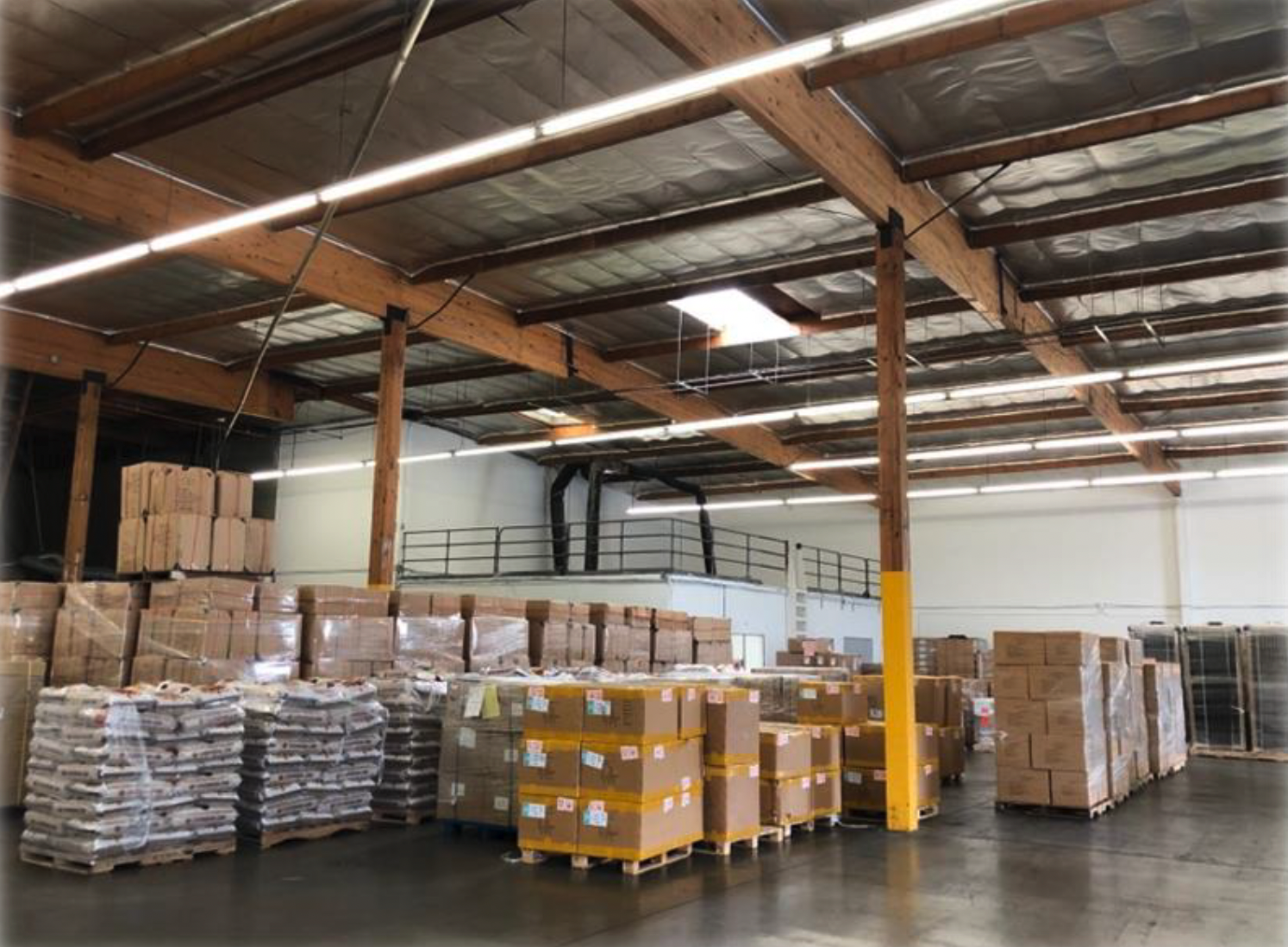
Leverage our extensive warehouse network (+70,000 sqft bonded space and +160,000 sqft yard capacity) for flexible cargo staging, product palletizing, inspection, and bonded duty deferral before dispatching shipments across North and Central America.
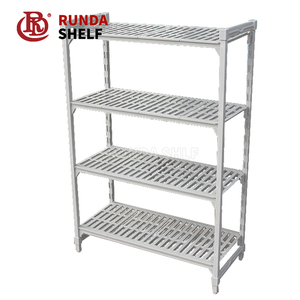
Every cold room panel, refrigerated container, and heavy-duty steel rack undergoes strict quality assurance inspections prior to container loading, ensuring seamless modular assembly upon arrival at your Mexico City project site.