Engineered for strict thermal control, energy efficiency, and immediate deployment across the Seoul Metropolitan Area, Incheon Free Economic Zone (IFEZ), and Gyeonggi logistics corridors.
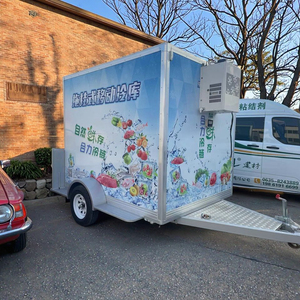
The Seoul Metropolitan Area (SMA)—encompassing Seoul, Incheon, and Gyeonggi-do—is home to over 25 million consumers, forming one of the densest and most technologically demanding logistics ecosystems in the world. First-mile freight transport represents the critical nexus where imported goods, agricultural harvests, bio-pharmaceuticals, and manufactured components enter the local supply chain. Managing first-mile freight in Seoul requires specialized equipment, ultra-reliable thermal control, and high-density storage solutions to overcome extreme land values and rigorous urban delivery schedules.
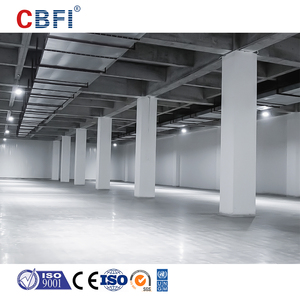
To mitigate ambient humidity during hot Korean summers (July–August) and resist freezing ground conditions in winter (December–February), our manufactured cold storage rooms and insulated transport units utilize high-density rigid Polyisocyanurate (PIR) and Polyurethane (PU) core panels. Featuring double-sided continuous galvanized steel or stainless steel structural facing, these panels prevent thermal bridging while maintaining low U-values.
| Insulation Core Type | Panel Thickness (mm) | Density (kg/m³) | Thermal Conductivity (W/m·K) | Target Temperature Range |
|---|---|---|---|---|
| High-Density PIR | 100 mm | 42 - 45 kg/m³ | 0.020 - 0.022 | +2°C to +15°C (Chilled Staging) |
| High-Density PIR / PU | 150 mm | 42 - 45 kg/m³ | 0.018 - 0.020 | -18°C to -25°C (Frozen Logistics) |
| Structural Composite PIR | 200 mm | 45 - 48 kg/m³ | < 0.018 | -35°C to -60°C (Bio-Pharma & Deep Freeze) |
| Aluminum Foil EPE Corrugated | 5 - 12 mm | Cellular Matrix | Reflective > 95% Radiant Heat | First-to-Last Mile Delivery Boxes |
Equipment serving South Korea must seamlessly integrate into key geographic hubs that define the country's import-export infrastructure. Our factory direct manufacturing supply supports four localized operational scenarios within the Seoul logistics ecosystem:
Incheon International Airport (ICN) acts as the primary gateway for high-value biopharmaceuticals and active pharmaceutical ingredients (APIs). Our GDP-compliant walk-in freezer rooms and ISO containerized cold units provide precise, audit-tracked microclimates (-80°C to +25°C) for fast cargo transfer right at airport-adjacent bonded logistics zones.
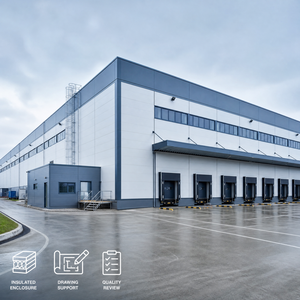
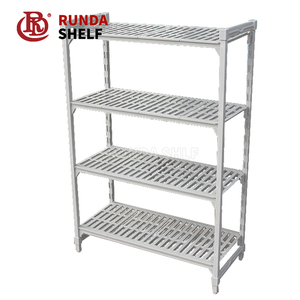
Located south of Seoul along the Gyeongbu and Yeongdong Expressways, Yongin and Icheon house massive automated fulfillment centers. Our prefabricated multi-storey steel warehouse structures and heavy-duty cold shelving systems maximize vertical cubic storage space, accommodating high-speed automated guided vehicles (AGVs) and palette shuttles.
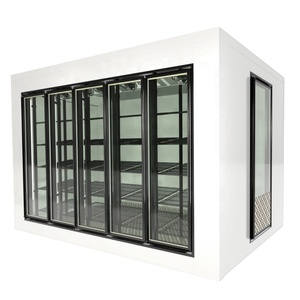
Inner-city fulfillment within Seoul proper (Gangnam, Songpa, Mapo) demands compact, quiet, and modular walk-in cooling rooms. Installed inside existing building basements or urban distribution points, these units support "Dawn Delivery" (Saebyyeok Bae-song) e-commerce workflows by storing fresh produce overnight for pre-dawn dispatch.
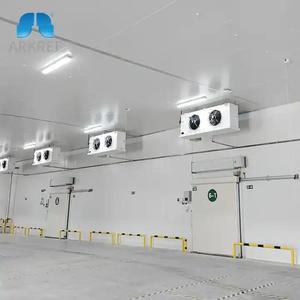
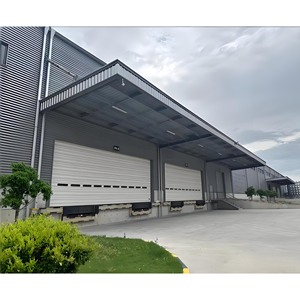
For heavy bulk sea freight arriving via Pyeongtaek and Incheon Ports, our large-scale 10,000+ sqm prefabricated cold storage complexes provide immediate container cross-docking, custom staging, and heavy-duty steel rack infrastructure to streamline first-mile breakdown.
South Korea’s logistics sector is undergoing structural transformation driven by quick-commerce demands, strict environmental regulations, and urban spatial constraints. Industrial buyers in Seoul are increasingly mandating equipment upgrades aligned with three primary macro-trends:
With commercial land prices in the Seoul Capital Region exceeding record thresholds, horizontal warehouse expansion is economically unviable. Modern first-mile facilities have shifted toward vertical multi-storey high-rise cold logistics centers. These engineering structures feature floor load ratings exceeding 4.5 tons per square meter and integrated high-bay steel racking capable of supporting automated retrieval systems up to 30 meters high.
Under updated South Korean environmental protection frameworks, logistics operators face growing pressure to eliminate hydrofluorocarbon (HFC) refrigerants with high Global Warming Potential (GWP). Our custom cold room refrigeration systems utilize eco-friendly low-GWP refrigerants (such as R448A, R449A, and natural CO2/R744 cascade systems) equipped with variable-frequency inverter compressors to minimize power consumption on the Korean electrical grid (380V/60Hz).
Cold chain tracking in Seoul no longer stops at static storage. Continuous real-time thermal validation is integrated into first-mile container units and modular walk-in rooms. Modern telemetry systems stream temperature, humidity, door-opening frequency, and power diagnostics directly to enterprise ERP/WMS platforms via 5G networks, ensuring zero breakdown in the chain of custody.
Since 1999, our enterprise network has combined direct industrial manufacturing capabilities with licensed global freight forwarding expertise (Licensed NVOCC). We operate comprehensive logistics and production facilities designed to deliver turnkey first-mile solutions directly to South Korean buyers without intermediary markup.
Tailor-made production of cold storage panels, walk-in coolers, heavy-duty racking, and insulated shipper containers built strictly to client dimensions and thermal requirements.
Full-container-load (FCL), less-than-container-load (LCL), and breakbulk transport from our overseas manufacturing plants directly into Incheon and Pyeongtaek ports.
Comprehensive technical documentation, structural site engineering oversight, and localized technical guidance for quick assembly across the Seoul Capital Region.
Essential technical and procurement insights for Korean logistics directors, warehouse developers, and cold chain managers:
All cooling units, refrigeration condensing racks, and automated control panels engineered for the South Korean market are built to standard 380V / 3-Phase / 60Hz or 220V / Single-Phase / 60Hz configurations. Electrical components utilize KC-compliant and CE-certified contactors, breakers, and inverter drives to ensure immediate grid compatibility.
Our prefabricated PIR and PU cold storage panels can be manufactured to meet strict non-combustible and fire-retardant standards (equivalent to KS F 2271 and FM Approvals). Panel cores are treated with flame-retardant additives that self-extinguish and generate minimal smoke density, helping facilities satisfy local Korean Fire Department inspections.
Standard modular walk-in rooms and insulated containers feature a factory production lead time of 15–20 days. Ocean freight from our primary manufacturing hubs to Incheon/Pyeongtaek Ports typically takes 5–8 days. On-site modular cam-lock assembly in Gyeonggi-do facilities can be completed in as little as 3–7 days depending on square meter capacity.
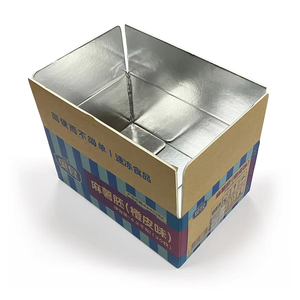
Yes. Our foil-laminated corrugated cardboard boxes provide high radiant heat reflection combined with waterproof inner liners. They maintain frozen or chilled temperatures for 12 to 24 hours when paired with gel ice packs or dry ice—making them ideal for last-mile staging from Seoul fulfillment hubs to residential doorsteps.
Absolutely. Our engineering team provides custom 3D CAD and BIM modeling to maximize internal storage volume around existing columns, irregular ceiling heights, and tight basement access in metropolitan Seoul locations.
Connect with our senior cold chain engineering team to request technical schematics, customized factory price estimates, or local site installation consultation.