Engineered to satisfy Canadian Food Inspection Agency (CFIA) and international COA guidelines. Certified multi-layer bladders ranging from 10,000L to 26,000L designed for seamless trans-oceanic and trans-continental intermodal rail operations.
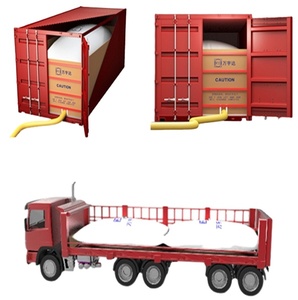
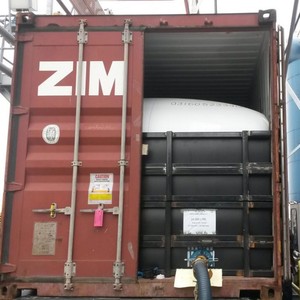
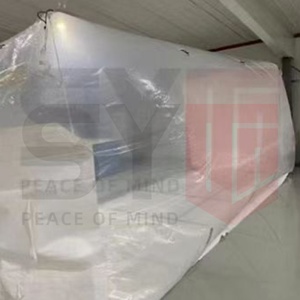
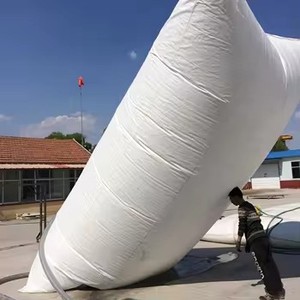
The Greater Toronto Area (GTA) represents Canada's premier manufacturing, food processing, and chemical distribution epicenter. As global trade channels adjust to demands for cost-optimization and carbon reduction, traditional bulk liquid logistics methodologies—such as rigid Intermediate Bulk Containers (IBC totes), 55-gallon steel drums, and dedicated ISO tank containers—are facing severe economic and operational scrutiny.
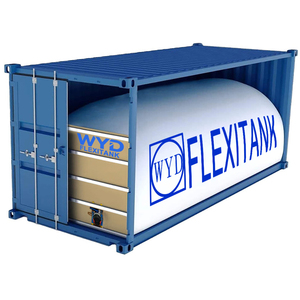
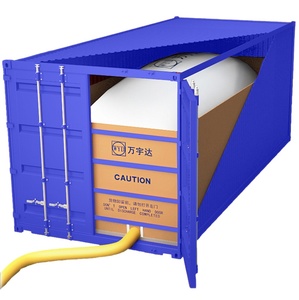
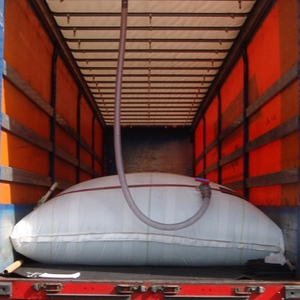
For manufacturers, refiners, and exporters operating across Toronto, Mississauga, Brampton, Hamilton, and the broader Golden Horseshoe, modern Flexitank Ocean Freight Transport Systems offer a transformative alternative. By converting standard 20-foot dry ISO ocean containers into single-use, hermetically sealed, high-capacity liquid transport units, Toronto enterprise shippers can significantly expand payload volume, reduce positioning expenses, and completely eliminate return-freight logistics.
Toronto’s unique geographic position—linked directly to the Atlantic via the St. Lawrence Seaway and connected to major North American rail arteries via the CN Brampton Intermodal Terminal and CP Vaughan Intermodal Terminal—demands robust, weather-resistant packaging engineered for multi-modal transport. Flexitank systems supplied by tier-one exporters are explicitly engineered to satisfy the demanding regulatory and climatic parameters of Ontario’s leading industrial sectors:
Ontario’s agri-food cluster, centered around Toronto and the Niagara agricultural region, relies on sterile, FDA-compliant 24,000-liter PE flexitanks. Crucial applications include bulk transit of juices, fruit concentrates, food-grade vegetable oils, corn syrup, liquid sugar, wine, and potable mineral water.
Toronto is a major hub for renewable energy supply chains. High-capacity 26,000L flexibags facilitate the international export of Used Cooking Oil (UCO), tallow, yellow grease, and biodiesel feedstocks bound for European and Asian refineries.
Serving the Sarnia-to-Toronto chemical corridor, industrial-grade PP/PE flexitanks handle non-hazardous chemical commodities, including polyols, base oils, synthetic lubricants, liquid fertilizers, plasticizers, and water-based paints.
Several key macro-economic and regional factors are compelling logistics directors across Southern Ontario to transition away from traditional rigid packaging toward advanced flexible container bladders:
Because Toronto is heavily landlocked regarding direct ocean access, ocean containerized freight moves via intermodal rail to Eastern ports (Port of Montreal, Port of Halifax) or West Coast ports (Port of Vancouver, Prince Rupert). Flexitanks are engineered with high-tensile woven polypropylene outer jackets that withstand dynamic shock force tests (PAS 1008 / COA Rail Impact Testing), preventing liquid surges during heavy rail shunting.
Canadian corporate environmental mandates require companies to minimize single-use plastics and lower scope 3 emissions. Modern flexibags are constructed from 100% recyclable virgin Polyethylene (PE) and Polypropylene (PP). Eliminating return transport for empty ISO tanks drastically shrinks carbon footprints across trans-Pacific and trans-Atlantic trade lanes.
Reconditioning rigid totes and ISO tanks in the Greater Toronto Area incurs substantial environmental compliance costs, chemical cleaning expenses, and risk of batch contamination. Flexitanks offer a brand-new, sterile packaging environment for every single shipment, guaranteeing purity for sensitive food ingredients and high-grade specialty chemicals.
Industrial real estate prices in Toronto and Peel Region have reached record highs. Storing empty rigid IBC totes or steel drums consumes immense square footage. In contrast, uninstalled flexitanks are compact and foldable—up to 50 empty flexibags can be stored on a single pallet, drastically optimizing warehouse capacity.
To demonstrate the financial advantages for Toronto exporters, the following data matrix breaks down container payload capacity, labor cost efficiencies, and freight overhead per 20ft ocean container across standard packaging formats:
| Logistics Metric | 20ft Flexitank (24,000L) | 55-Gallon Steel Drums (80 units) | IBC Totes (18-20 units) | ISO Tank Container |
|---|---|---|---|---|
| Liquid Payload Volume | Up to 24,000 Liters | Approx. 16,000 Liters | Approx. 18,000 - 20,000 Liters | Up to 26,000 Liters |
| Payload Increase vs Drums | +50% Volume Gain | Baseline | +15% to +25% | +62.5% |
| Empty Return Freight Cost | $0 (Single Use & Recyclable) | High (Return or disposal) | High (Return leg fees) | Extremely High (Repositioning) |
| Cleaning & Demurrage Risk | None (Disposable sterile liner) | High cleaning costs | High cleaning costs | Severe delay/demurrage fees |
| Labour to Load/Unload | Low (Automated pumping 45 mins) | High (Manual forklift handling) | Medium (Forklift & hose hookup) | Low (Automated pumping) |
| Packaging Storage Impact | Minimal (1 Pallet = 50 Flexitanks) | Consumes vast storage area | Consumes vast storage area | Requires container yard space |
Operating liquid logistics in Southern Ontario requires precise thermal engineering to protect high-viscosity products (such as palm oil, tallow, fatty acids, and molasses) from freezing during cold winter months, where ambient temperatures frequently dip below -20°C.
Flexitanks supplied to the Toronto market feature multi-layer co-extruded LLDPE films combined with an outer sleeve of heavy-duty, UV-stabilized woven Polypropylene (PP). For oxygen-sensitive cargo (such as premium Niagara wines, specialty craft beers, or edible oils), an integrated Ethylene Vinyl Alcohol (EVOH) barrier layer prevents oxygen ingress, moisture loss, and liquid degradation over long ocean transits.
When shipping temperature-sensitive liquids to Toronto during winter, flexitanks can be pre-fitted with bottom-laid thermal Heating Pads. Crafted from low-density PE and flexible rubber hose networks, these pads allow low-pressure steam or hot water to circulate beneath the bladder prior to discharge at GTA distribution centers, safely reducing liquid viscosity in 2 to 4 hours without scorching the product.
Leveraging over two decades of global freight forwarding expertise, licensed NVOCC capabilities, and specialized bulk container fitting services, we deliver end-to-end logistics solutions connecting China manufacturing plants directly with Toronto and North American buyers. From air/ocean freight coordination to bonded warehousing and inland trucking—we streamline your global trade.
Get CatalogBelow are technical answers to common queries raised by procurement managers, logistics coordinators, and plant operators in Ontario regarding flexitank ocean freight transport:
Request our comprehensive product catalog, complete dynamic load test documentation, and customized ocean freight rate quotes for Toronto trade routes.