Deploying certified ISO standard equipment, cold chain modules, and DDP consolidation routes specifically engineered for manufacturing plants and industrial operators serving the Iraqi market.

Reconstructing and expanding Iraq’s manufacturing base requires a highly orchestrated supply chain. Industrial facilities, EPC contractors, and procurement departments serving the Iraqi market face distinct operational challenges: fragmented supplier networks across Asia, Europe, and North America, volatile port congestion at Port of Umm Qasr, complex COSQC (Central Organization for Standardization and Quality Control) pre-shipment requirements, and harsh regional transport conditions.
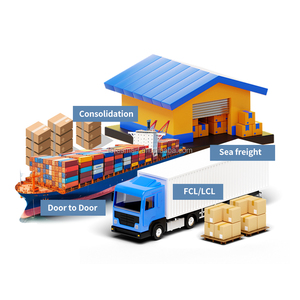
Freight consolidation warehousing serves as the strategic bridge for factories shipping to Iraq. By aggregating Less-than-Container-Load (LCL) shipments, industrial equipment, construction materials, and plant consumables into unified, full-container loads (FCL) at strategic regional hubs, manufacturing enterprises can dramatically cut landed logistics costs, eliminate port demurrage, and maintain precise control over inventory velocity into key economic hubs like Baghdad, Basra, Erbil, and Sulaymaniyah.
| Logistics Metric | Traditional Direct LCL Shipping | Consolidated Factory Warehousing (JH Logistics Model) |
|---|---|---|
| Landed Cost per CBM | High (Multiple minimum bill of lading fees & port surcharges) | 30%–45% Lower (Volume container rates & single customs entry) |
| Customs Risk & Inspection | High risk of hold ups due to inconsistent multi-vendor docs | Pre-inspected, unified COSQC / Bureau Veritas documentation package |
| Inland Transit Time to Iraq | Unpredictable (Multiple port clearances & transshipment delays) | Scheduled door-to-door corridor delivery via Umm Qasr or Mersin/Ibrahim Khalil |
| Inventory Visibility | Fragmented tracking across multiple carriers | Single-point WMS dashboard with real-time serial number & SKU tracking |
Tailored supply chain architecture designed to meet the rigorous demands of Iraqi industrial expansion projects and commercial production operations.
For cement plants, steel mills, and infrastructure builders near Erbil and Baghdad. We consolidate raw materials, electrical switchgear, heavy structural steel, and hardware from global factory vendors into staged containerized deliveries aligned with construction milestones.
Serving energy sector facilities and oilfield service plants in the Basra basin (Rumaila, West Qurna, Majnoon). Heavy equipment, valves, piping, and critical spare parts are held in bonded staging facilities and moved on scheduled convoys under strict compliance.
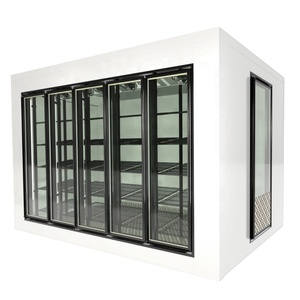
Integrating commercial walk-in cooler assemblies and modular cold storage facilities for food processing factories in Central Iraq. Temperature-sensitive inputs and raw food manufacturing materials are moved in certified reefer containers with continuous thermal logging.
Utilizing Mersin Port (Turkey) via Ibrahim Khalil border crossing for Northern Iraqi factories, or Jebel Ali (Dubai) feeder vessels into Umm Qasr for Southern destinations. Multi-modal routing ensures continuous supply chain resilience regardless of regional maritime friction.
Assisting factories operating under Iraq National Investment Law No. 13. We facilitate duty-deferred bonded warehousing and coordinate customs exemptions for imported machinery, assembly kits, and capital equipment.
The logistics ecosystem serving Iraq is undergoing a major structural evolution. The ongoing development of Grand Faw Port in Basra, combined with the mega-scale Development Road Project (Dry Canal) linking the Persian Gulf to the Turkish border via a 1,200 km rail and highway corridor, is positioning Iraq as a primary transit bridge between Asia and Europe.
For global industrial suppliers and manufacturing plants serving Iraq, this macroeconomic shift demands a modernized warehousing strategy:
Direct technical guidance from senior supply chain specialists on navigating customs clearance, container staging, and freight consolidation into Iraq.
Ocean shipments enter predominantly via Umm Qasr Port (North and South terminals) in Basra, which handles both FCL and LCL containerized cargo. For shipments originating from or transiting via Europe or Turkey, overland cargo enters through the Ibrahim Khalil border crossing near Zakho in Northern Iraq. Air freight consolidation arrives directly at Baghdad International Airport (BGW) or Erbil International Airport (EBL).
Port demurrage and storage penalties at Umm Qasr can rapidly accumulate if customs paperwork is incomplete. Freight consolidation allows us to hold individual supplier goods at our origin warehousing facilities (e.g., Shanghai, Shenzhen, or USA hubs), inspect documents, verify COSQC compliance, and combine all LCL items into a single containerized shipment with unified documentation. This ensures immediate port clearance upon arrival.
Standard mandatory documentation includes a legalized Commercial Invoice, Certificate of Origin (stamped by the Chamber of Commerce and Iraqi Embassy in the country of origin), Detailed Packing List, Bill of Lading, and a Certificate of Conformity (CoC) issued by an accredited inspection body such as Bureau Veritas or SGS under COSQC guidelines.
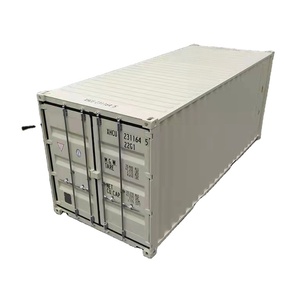
Yes. Our global warehousing hub network provides segregated specialized zones. Dry factory equipment, ISO shipping containers, electrical panels, and modular walk-in cold rooms are received, barcode-cataloged, and staged separately. They are then loaded into designated dry or reefer containers to ensure optimum transport stability.
Direct ocean vessel transit from major China ports (Shanghai/Ningbo/Shenzhen) to Umm Qasr typically takes 22 to 28 days. From US West Coast ports (Los Angeles/Long Beach), ocean transit averages 35 to 42 days. Additional inland trucking to final factory sites in Baghdad or Erbil takes between 3 to 7 days post-customs release.
Yes, JH Logistics provides comprehensive DDP options for qualifying industrial goods, handling all export clearance, ocean/air freight, Iraqi customs duties, tax assessments, and last-mile inland truck transport directly to factory gates across Basra, Baghdad, Kirkuk, and Erbil.
Founded in 1999, JH Logistics operates as a licensed NVOCC (Non-Vessel Operating Common Carrier) and full-service global freight forwarder. Headquartered in Carson, California (USA), with established consolidation hubs spanning Asia, Europe, and the Middle East, we provide unmatched operational reliability for companies shipping to high-growth industrial markets like Iraq.
Fully licensed NVOCC operator with direct service contract agreements with premier global ocean carriers, guaranteeing space allocation and competitive freight rates.
State-of-the-art warehousing facilities equipped with modern Warehouse Management Systems (WMS), palletizing, crating, labeling, and secure bonded holding.
Extensive outdoor yard capacity for staging heavy industrial machinery, breakbulk structural steel, ISO containers, and project cargo prior to shipping.
Whether you are managing factory construction in Erbil, upgrading oilfield production lines in Basra, or importing food-grade industrial refrigeration into Baghdad, JH Logistics combines deep regulatory expertise with specialized global warehousing assets to ensure your cargo arrives on time, intact, and within budget.
Contact our senior logistics engineering team to request customized freight quotes, warehouse staging availability, or complete product catalogs for ISO containers and cold chain units.