Explore our specialized inventory of industrial walk-in coolers, insulated transport boxes, vertical high-rise cold warehouses, and modular cold rooms designed specifically for New York’s high-density logistics demands.
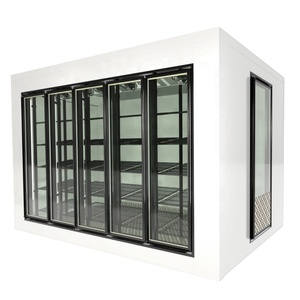
Industrial modular cold warehouse system tailored for urban distribution hubs. Features cam-lock PIR panels, energy-efficient refrigeration, and complete local technical support in NYC.
Contact Us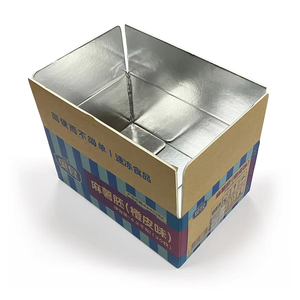
High-R thermal insulated corrugated boxes engineered for last-mile transit of frozen food, biopharmaceuticals, and perishable meal kits throughout the NY metropolitan zone.
Contact Us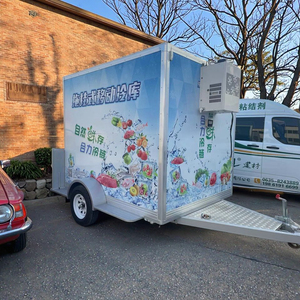
Rapidly deployable modular cold room units engineered for quick setup at temporary food distribution sites, last-mile staging zones, and commercial catering depots.
Contact Us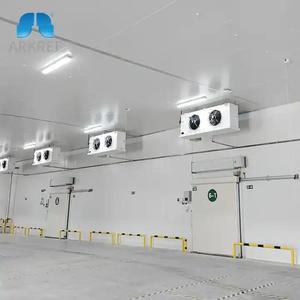
Heavy-duty ISO refrigerated container system with built-in walk-in storage capabilities, dual-redundant cooling units, and real-time remote telemetry integration.
Contact Us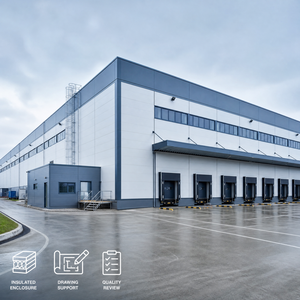
Custom structural steel buildings integrated with deep-freeze insulation panels, designed for regional logistics centers and bulk storage facilities near NY transit corridors.
Contact Us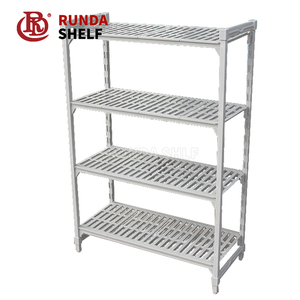
High-density steel and composite shelving systems optimized for sub-zero operating environments, maximizing vertical cubic space in urban fulfillment sites.
Contact Us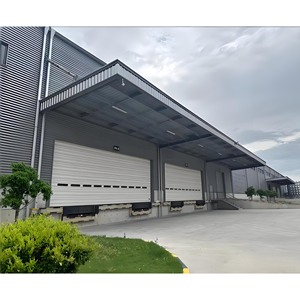
Innovative multi-storey vertical cold warehouse structure optimized for tight municipal footprints, enabling multi-level automated last-mile dispatch.
Contact Us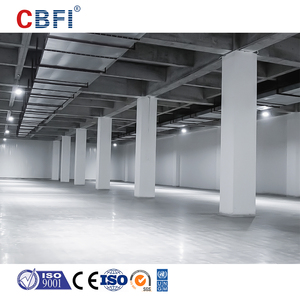
Scalable 10,000+ sqm cold room freezer engineering projects incorporating automated climate zoning, high-speed dock seals, and energy recovery ventilation systems.
Contact UsA Comprehensive Whitepaper on Thermal Infrastructure, Micro-Fulfillment Strategy, and Regulatory Compliance for Logistics Executives.
The New York tri-state logistics ecosystem represents one of the most concentrated, demanding, and high-cost operational environments in global commerce. As consumer expectations for same-day grocery dispatch, direct-to-consumer meal kits, and temperature-controlled pharmaceutical deliveries reach unprecedented levels, the friction inherent to urban distribution has escalated exponentially. Navigating New York City’s five boroughs—Manhattan, Brooklyn, Queens, the Bronx, and Staten Island—requires an entirely re-engineered approach to last-mile delivery logistics infrastructure.
Traditional centralized fulfillment models located in outlying industrial zones like Central New Jersey or Eastern Pennsylvania are increasingly failing to meet the tight delivery windows required in urban cores. High toll rates (such as those at the George Washington Bridge and Lincoln Tunnel), persistent congestion pricing initiatives, traffic bottlenecks, and strict municipal curb space restrictions make long-distance urban routing economically unsustainable. To maintain strict thermal integrity and meet sub-two-hour delivery SLAs, logistics operators are transitioning toward localized urban micro-fulfillment centers (MFCs) and high-density vertical cold storage infrastructure directly within the New York municipal boundary.
Maintaining an unbroken cold chain in high-density urban environments requires advanced thermal boundary engineering. Our walk-in coolers and industrial cold rooms utilize continuous-injection Polyisocyanurate (PIR) and Polyurethane (PU) sandwich panels featuring high-density closed-cell structures (≥42 kg/m³). This achieves an exceptional thermal conductivity rating of less than 0.022 W/m·K, delivering maximum R-value thermal resistance per inch of thickness.
In spatial environments like Long Island City or Maspeth, where real estate commands premium prices per square foot, minimizing panel thickness while maximizing insulation performance is critical. Our prefabricated modular panels utilize precision tongue-and-groove cam-lock mechanical joins. This design prevents thermal bridging, eliminates air leakage, and allows fast installation without major structural modifications to existing urban building envelopes.
How local enterprises deploy our cold storage manufacturing solutions across distinct New York micro-markets.
In dense commercial corridors like Midtown and Lower Manhattan, traditional horizontal warehousing is impossible. Retailers and grocery networks install compact, multi-tier prefab walk-in coolers within basement or ground-floor retail spaces. These units act as localized dark stores, enabling hyper-local bicycle and electric van dispatch within 15-minute radiuses while guaranteeing zero temperature deviation.
Strategic logistics hubs in Brooklyn (Red Hook, Sunset Park) and Queens (Maspeth, Jamaica) utilize our modular containerized cold rooms (ARKREF series) and heavy-duty steel rack systems. Large inbound refrigerated trucks offload inventory during off-peak night hours. The cargo is staged in temperature-zoned modular coolers before being loaded into smaller last-mile vans for morning distribution.
Facilities operating near Port Newark, Elizabeth Marine Terminal, and JFK International Airport rely on our prefabricated steel cold storage warehouses and heavy-duty industrial shelving. These high-capacity facilities rapidly store temperature-sensitive air freight (biopharmaceuticals, seafood) and ocean containers, managing customs hold periods without risking cargo degradation.
Engineering comparison for cold storage equipment deployed in urban distribution networks.
| Equipment Category | Operating Temp Range | Insulation Core / Rating | Structural Load Capacity | Primary NYC Logistics Application |
|---|---|---|---|---|
| Modular Walk-In Coolers | -5°C to +10°C (Controlled) | 100mm PIR / R-28 Value | Floor Load: 2,500 kg/m² | Urban dark stores & grocery fulfillment |
| Industrial Blast Freezers | -35°C to -18°C (Deep Freeze) | 150mm - 200mm PIR / R-42 | Floor Load: 4,000 kg/m² | Central staging for frozen meats & seafood |
| RDY Insulated Transport Containers | Passive Cooling (24-72 hrs) | Foil Vacuum / Cardboard Matrix | Stacking Strength: 450 kg | Direct-to-consumer & parcel courier transit |
| Vertical High-Rise Steel Rack Storage | Ambient to -25°C Dynamic | Structural Q355B Steel | Bay Load: Up to 15,000 kg | Outer-borough vertical micro-warehouses |
| Containerized Walk-In (ARKREF) | -25°C to +15°C Dual-Zone | CORTEN Steel + PU Insulation | ISO Corner Loading Specs | Intermodal port transfer & pop-up hubs |
Key operational shifts driving equipment manufacturing choices in the NYC regional market for 2025–2030.
Due to the scarcity and cost of industrial land within New York City limits, traditional single-story warehouses are rapidly being replaced by multi-storey vertical distribution centers. Developed in areas like Hunts Point in the Bronx and Maspeth in Queens, these facilities feature multi-level truck ramps and automated storage and retrieval systems (ASRS). Cold storage equipment manufacturers must now engineer structural steel racking and walk-in modules capable of handling higher floor load dynamics, seismic vibration resistance, and vertical airflow distribution across multi-level floors.
New York City’s Climate Mobilization Act, specifically Local Law 97, imposes strict carbon emissions limits on commercial and industrial buildings over 25,000 square feet. Refrigeration systems account for a major portion of a cold warehouse's energy consumption. Consequently, cold room buyers in New York demand ultra-high-efficiency refrigeration architectures, including variable-speed digital scroll compressors, natural refrigerants (CO2 / R744 and Ammonia), electronic expansion valves, and low-GWP hydrofluoroolefin (HFO) blends. Our cold storage rooms feature smart defrost controllers and heat recovery loops that capture waste compressor heat to warm underfloor anti-heave systems, ensuring full compliance with NYC energy guidelines.
With New York State moving toward zero-emission commercial vehicle mandates, major logistics operators (including Amazon, UPS, and local fleet carriers) are rapidly electrifying their last-mile delivery fleets. This shift requires cold storage loading docks equipped with fast-charging infrastructure, automated inflatable door seals, and rapid-roll insulated curtain doors. These features minimize air exchange while electric vans back directly into conditioned loading bays, preserving thermal integrity without burning excess vehicle battery power on auxiliary cooling.
Under the FDA’s Food Safety Modernization Act (FSMA) Rule 204, enhanced traceability rules mandate detailed record-keeping for high-risk foods across the supply chain. New York buyers require smart walk-in coolers and insulated container boxes equipped with integrated IoT sensors. These systems stream real-time temperature, humidity, door opening frequency, and geographic coordinates directly to cloud platforms via cellular or LoRaWAN networks, giving operators complete audit trails for health inspectors and enterprise clients.
Essential questions answered for commercial building owners, cold chain managers, and logistics directors.
Combining global manufacturing scale with local logistics capabilities since 1999.
Established in 1999, our enterprise brings over a quarter-century of expertise to international logistics, cold storage engineering, and thermal insulation manufacturing. We bridge the gap between overseas factory-direct efficiency and hands-on local technical support.
As a fully licensed NVOCC and global freight forwarder, we control the entire lifecycle of your cold chain infrastructure project—from raw panel manufacturing and ocean freight transport to U.S. customs clearance, bonded warehousing, and last-mile site installation.
Every site presents unique challenges. Our engineering teams conduct detailed thermal load calculations, spatial CFD modeling, and localized energy consumption audits to design custom cold rooms that lower operational costs while exceeding performance metrics.
Speak directly with our cold chain engineering experts and freight specialists today. We provide full technical consultations, custom architectural proposals, and competitive factory-direct pricing for your project.