Tailored FCL/LCL ocean freight, air express, and cargo policy coverage optimized for Berlin-bound imports and worldwide industrial exports.
The metropolitan region of Berlin-Brandenburg has evolved into one of Europe's premier industrial and technological innovation powerhouses. Driven by advanced automotive manufacturing, bio-pharmaceutical engineering, optical technology, clean-tech industries, and heavy electrical machinery production, Berlin factories and export-oriented enterprises form a pivotal hub within global supply chains. However, as international trade networks face unprecedented challenges—ranging from maritime bottleneck points in the Red Sea and Suez Canal to volatile weather phenomena across Atlantic and Pacific sea lanes—securing end-to-end financial protection for ocean-going and multimodal freight has become a strategic priority for C-level procurement executives and logistics managers.
Marine cargo insurance serves as the foundational safeguard against catastrophic financial loss during global transportation. Cargo moving to and from Berlin relies heavily on complex multimodal routing: ocean carriers discharge full container loads (FCL) and less-than-container loads (LCL) at major European entry ports such as Hamburg, Bremerhaven, Rotterdam, and Stettin (Szczecin), followed by inland barge feeder routes along the Spree-Havel waterways or direct block-train rail and feeder drayage into Berlin’s primary intermodal hubs (GVZ Großbeeren, Westhafen Berlin, and GVZ Freienbrink). Each transfer point presents distinct operational risks, including physical damage, theft, moisture condensation, container shifting, and General Average liabilities.
For factory owners, original equipment manufacturers (OEMs), and trading houses serving the Berlin commercial sector, selecting the appropriate underwriting framework is crucial for risk mitigation. International marine insurance policies are governed by standard clause structures established by the International Underwriting Association (IUA) and the Lloyd's Market Association (LMA).
| Coverage Level | Primary Perils Covered | Exclusions & Limitations | Suitability for Berlin Exports |
|---|---|---|---|
| Institute Cargo Clauses (A) [All Risks] |
All risks of physical loss or damage from any external cause (Fire, Stranding, Collision, Jettison, Theft, Water Ingress, Heavy Weather). | Wilful misconduct, inherent vice, improper packing, delay, ordinary leakage, war/strikes (unless endorsed). | Essential for high-value machinery, automotive components, medical electronics, and precision tooling. |
| Institute Cargo Clauses (B) [Intermediate Protection] |
Fire, explosion, vessel grounding, capsizing, discharge at port of distress, earthquake, volcanic eruption, washing overboard, water damage. | Theft, pilferage, non-delivery, rough handling, rain damage, condensation. | Suitable for lower-value raw materials, scrap metals, or bulk dry commodities. |
| Institute Cargo Clauses (C) [Basic Liability] |
Major maritime disasters only: vessel stranding, sinking, collision, fire, General Average contribution, jettison. | All partial losses, water damage, theft, container damage during inland transit. | Rarely recommended for finished industrial goods or high-tech equipment. |
A major financial threat often overlooked by Berlin procurement managers is General Average (governed by the York-Antwerp Rules and § 588 of the German Commercial Code / HGB). Under maritime law, if a vessel experiences a catastrophic emergency (e.g., vessel grounding or fire onboard) and cargo is sacrificed or expenses incurred to save the common venture, all cargo owners on board must pay a proportional cash contribution before their containers are released at port. Without comprehensive marine cargo insurance, a factory importing machinery into Berlin could be forced to post cash deposits reaching hundreds of thousands of Euros simply to release undamaged containers held under General Average liens.
Marine insurance requirements vary significantly across industrial sub-sectors in Berlin. Below are four key localized application scenarios demonstrating how specialized cargo insurance safeguards regional commercial operations:
Importing battery cells, electric drive units, and specialized stamping dies from Asian factories into Brandenburg manufacturing complexes requires continuous multi-modal marine policy protection covering ocean transit, feeder rail, and final drayage.
High-value diagnostic tools, lasers, and temperature-sensitive biological agents demand specialized ocean/air cargo insurance featuring thermal fluctuation coverage, shock-sensor monitoring endorsements, and door-to-door transit protections.
Berlin heavy machinery manufacturers exporting custom turbines, industrial pumps, and conveyor systems to North America or the Middle East require Breakbulk & Ro-Ro open cover insurance including crane loading and discharge risk guarantees.
The marine logistics landscape in Germany is undergoing transformational shifts influenced by both technological advancements and stringent legal mandates. Berlin factories must align their logistics risk management strategies with three key trends:
Germany’s Lieferkettensorgfaltspflichtengesetz (LkSG) requires companies to manage ESG risks across their international supply chains. Modern marine cargo insurance policies are now integrating compliance clauses that require ethical carrier selection, verified vessel environmental ratings, and transparent loss prevention reporting during transshipment.
Berlin buyers no longer accept delayed paper certificates. Leading logistics providers utilize automated API platforms generating instant marine insurance certificates tied directly to Bills of Lading (B/L). Furthermore, the integration of real-time IoT sensors inside containers monitors temperature, tilt, and humidity, providing verifiable electronic data logs crucial for rapid claims handling under ICC (A) terms.
To meet strict municipal carbon reduction targets in Berlin, freight forwarders are expanding green inland shipping routes utilizing electrified or low-emission river barges from Hamburg and Stettin directly to Westhafen Berlin. Marine cargo policies are custom-tailored to cover barge transshipment risks, including water-level fluctuations and canal lock handling.
Established in 1999, JH Logistics stands as a licensed NVOCC (Non-Vessel Operating Common Carrier) and full-service global supply chain architect. With over two decades of operational experience, we provide seamless freight forwarding, customs brokerage, and comprehensive marine cargo insurance solutions for factories, exporters, and importers serving the Berlin and greater European market.
Our worldwide physical footprint includes specialized air freight handling centers, container freight stations (CFS), and secure bonded warehouse facilities located strategically at key global trade hubs, including our primary USA headquarters at 2850 East El Presidio St, Carson, CA 90810.
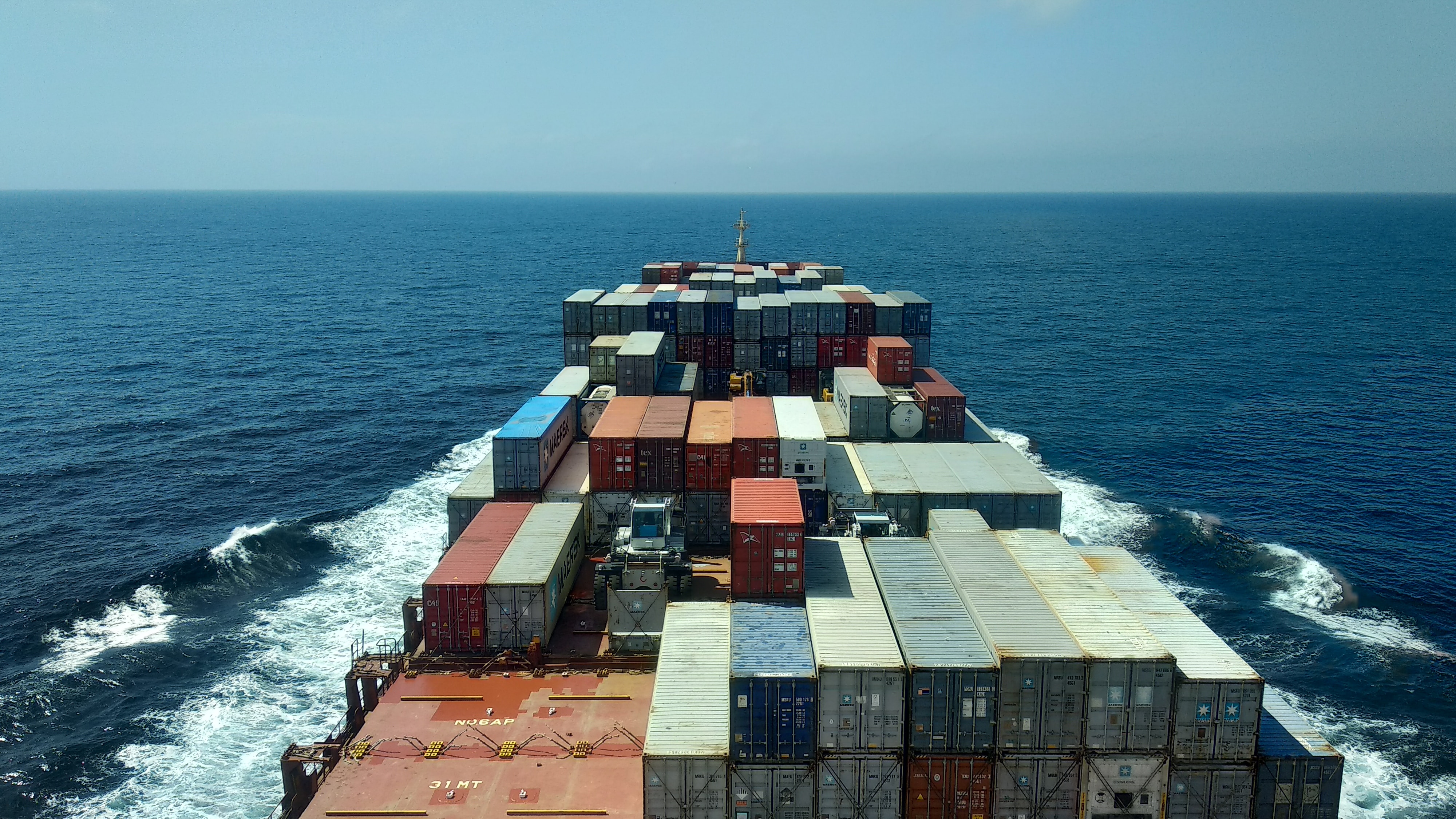
Beyond standard ocean freight forwarding, our capability matrix includes specialized bonded storage allowing duty-deferred inventory staging for international distribution. From container loading and palletizing to complex multimodal truck/rail drayage into Berlin container hubs, our logistics managers handle every touchpoint with precision.
Whether transporting high-tech industrial machinery under DAP/DDP Incoterms or shipping time-sensitive components via fast boat LCL express, our integrated cargo insurance guarantees complete peace of mind across your end-to-end supply chain.
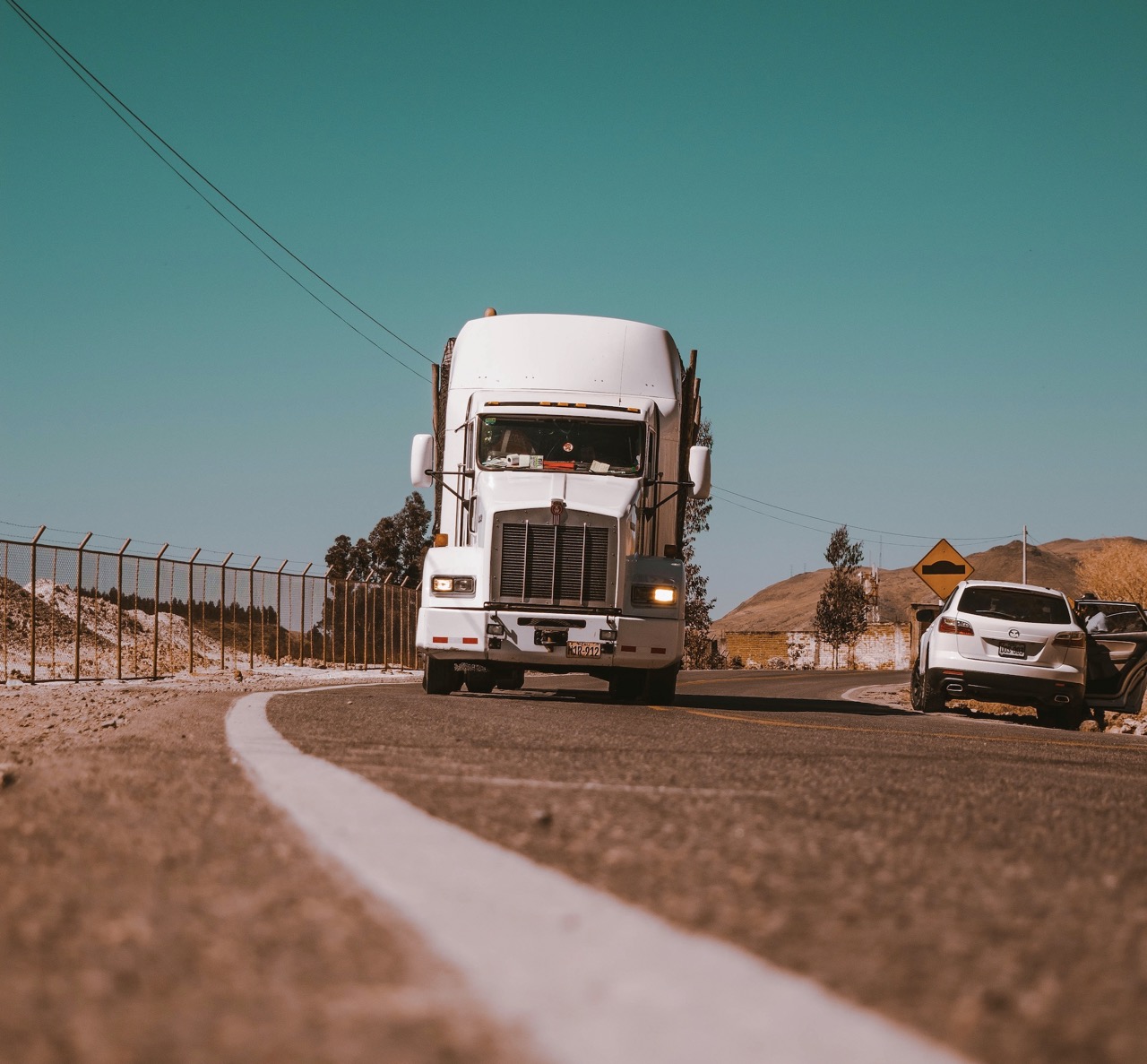
Ocean carriers operate under statutory liability limits governed by the Hague-Visby Rules, limiting payout to approximately 2 SDRs per kilogram or 666.67 SDRs per package (often a fraction of the actual commercial value). Standard liability also excludes losses from natural disasters, act of God, or General Average. Marine cargo insurance pays full commercial invoice value plus freight costs regardless of carrier fault.
Standard marine insurance valuation follows the global formula: Insured Value = CIF Value + 10% Anticipated Profit. CIF includes the commercial invoice cost of goods, insurance premium, and total freight charges into the destination port (e.g., Hamburg/Bremerhaven) or final inland hub in Berlin.
Yes. Under an open cover or single-shipment Institute Cargo Clauses (A) policy with a "Warehouse to Warehouse" clause, coverage attaches from the moment goods leave the origin factory in Asia or the US and remains active during sea transit, port discharge, and final inland rail/truck/barge transport until delivered to your warehouse in Berlin or Brandenburg.
Immediately note all physical damages on the Delivery Receipt (CMR / Delivery Note), photograph the container seals and damaged goods prior to unpacking, request an independent marine survey, preserve all packaging materials, and notify your freight forwarder and insurer within 3 business days to initiate claim processing.
Standard ICC (A) covers physical loss but requires specific cold-chain endorsements (e.g., Change of Temperature / Breakdown of Refrigerating Machinery Clause) to cover spoilage resulting from reefer container mechanical failure or power loss during maritime transit.
Only CIF (Cost, Insurance, Freight) and CIP (Carriage and Insurance Paid to) require the seller to purchase marine insurance for the buyer. Under CIP (commonly used for multimodal transport into Berlin), Incoterms 2020 mandates comprehensive ICC (A) All-Risk coverage unless explicitly negotiated otherwise.
General Average is a maritime law principle where all cargo owners proportionally share the cost of voluntary sacrifices made to save a vessel in distress. If declared, your cargo will be impounded until a financial guarantee is posted. A marine insurance policy issues an immediate insurer counter-guarantee, releasing your cargo without requiring cash outlays.
Absolutely. JH Logistics coordinates end-to-end multimodal transport, including German customs clearance (Zollabwicklung), ATLAS system filing, bonded warehouse transfers, and localized drayage directly to your facility in Berlin.
Consult with our licensed freight forwarding and marine insurance specialists to design an All-Risk insurance structure tailored to your factory's specific import/export requirements.
Contact Us