Industrial Whitepaper: Engineering Temperature-Controlled Air Logistics for Kuwait’s Extreme Desert Climate
A Comprehensive Analysis of Thermal Dynamics, Airport Tarmac Heat Excursions, and Compliance Protocols for Gulf Perishable Logistics.
1. The Thermodynamic Challenge of Kuwait Air Freight Corridors
Exporting and importing temperature-sensitive cargo to the State of Kuwait presents one of the most rigorous thermal engineering challenges in global air logistics. During the summer months, ambient temperatures on airport aprons and tarmac loading zones at Kuwait International Airport (KWI) frequently exceed 50°C (122°F), with direct surface thermal radiation pushing container exterior temperatures above 68°C. Under these hyper-thermal conditions, standard air freight Unit Load Devices (ULDs) and conventional passive packaging suffer rapid thermal degradation within 15 to 30 minutes of ground handling exposure.
As a specialized manufacturer and global freight exporter, our cold chain engineering framework addresses the thermodynamic transition mechanisms—conduction, convection, and solar radiation—that cause thermal excursions during flight transfers, customs inspection holds, and final mile transport. By integrating high-density polyisocyanurate (PIR) core structures, vacuum insulation panels (VIP), and customized phase change material (PCM) matrices, we ensure that cargo integrity is maintained across strict target bands: Deep Frozen (-20°C), Refrigerated Cold Chain (+2°C to +8°C), and Controlled Room Temperature (+15°C to +25°C).
2. Regulatory Compliance Framework: PAFN, MOH, and GCC Standards
Compliance in the Kuwait market requires strict adherence to institutional standards enforced by the Public Authority for Food and Nutrition (PAFN), the Ministry of Health (MOH), and the General Administration of Customs (KGAC). Perishable items such as fresh meat, high-value dairy, berries, seafood, and biopharmaceuticals are subjected to mandatory physical and chemical sampling at port of entry.
Any temperature spike occurring between the origin factory, air transit, and the Kuwait cargo terminal can trigger immediate batch rejection, quarantine, or total destruction of the shipment. Our integrated supply chain methodology satisfies IATA Perishable Cargo Regulations (PCR), IATA Chapter 17 for Temperature Control Regulations (TCR), and GSO ISO 9001/22000 cold storage guidelines, providing complete digital traceability through IoT temperature loggers and audited transit protocols.
Kuwait Strategic Trends & Future Outlook (Kuwait Vision 2035)
How macro-economic developments and infrastructure projects are reshaping cold chain demands across the State of Kuwait.
1. Expansion of Kuwait International Airport (Terminal 2 & Cargo City)
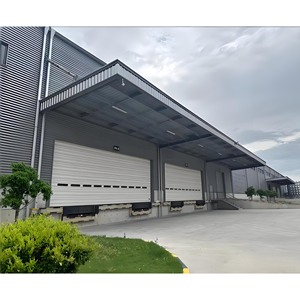
Under the umbrella of Kuwait Vision 2035 ("New Kuwait"), the mega-expansion of Kuwait International Airport (KWI Terminal 2) and the development of the dedicated Cargo City are setting new benchmarks for regional air logistics. This massive infrastructure upgrade expands the airport’s air cargo processing capacity to millions of tons annually. Consequently, demand is surging for automated airside cold storage facilities, rapid transshipment temperature-controlled dollies, and seamless integration between airside ULD unloading zones and landside bonded warehouses.
2. National Food Security & Sovereign Reserve Infrastructure
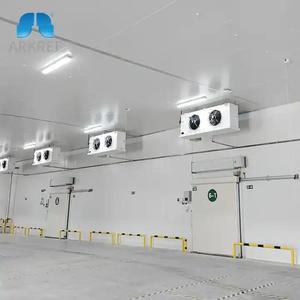
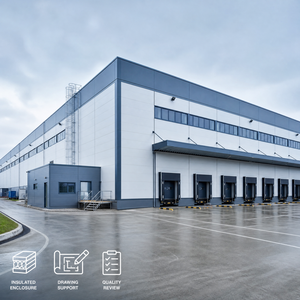
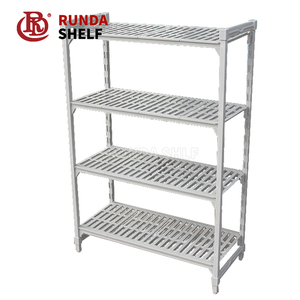
Geopolitical uncertainties and global supply chain disruptions have driven the Kuwait government to mandate enhanced national food security reserves. Facilities located in areas such as Mina Abdulla, Rai, and Sulaibiya are converting standard ambient storage into high-density, multi-storey automated cold storage facilities. Advanced vertical high-rise cold logistics warehouses are rapidly becoming the standard, requiring heavy-duty sub-zero rack systems and energy-efficient building envelopes that mitigate extreme summer power grid loads.
3. Decarbonization and Solar-Integrated Thermal Storage
With Kuwait’s high solar irradiance levels, logistics developers are prioritizing green cold chain facilities. Modern cold warehouse projects incorporate roof-mounted solar photovoltaic (PV) arrays paired with thermal energy storage (TES) and low-GWP (Global Warming Potential) eco-friendly refrigerants such as CO2 (R-744) and Ammonia (R-717). This lowers the carbon footprint while providing critical power grid resiliency during summer peak-demand periods.
4. End-to-End Real-Time Telemetry and Blockchain Transparency
Importers in Kuwait now demand full visibility over their cold chain integrity. The integration of 5G-enabled IoT data loggers provides real-time tracking of internal temperature, relative humidity, door-open events, and GPS location from origin factories to final delivery in Kuwait. Immutable digital logs eliminate claims disputes and simplify customs clearance with PAFN and Kuwait Customs officials.
Frequently Asked Questions (FAQ) for Kuwait Procurement Managers
Essential technical and regulatory guidance for importing cold chain equipment and organizing air logistics into Kuwait.
How do your insulated shipping containers handle the high summer temperatures at Kuwait Airport?
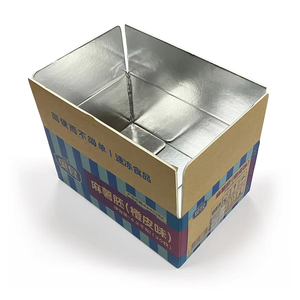
Our insulated thermal packaging and cooler boxes utilize a dual-protection approach: an outer reflective layer engineered to deflect up to 97% of radiant solar heat, combined with interior Vacuum Insulation Panels (VIP) and Phase Change Materials (PCM) engineered for specific temperature hold times (24h, 48h, or 72h). This combination maintains strict temperature boundaries even during prolonged airport tarmac exposure under ambient heat of up to 50°C.
What voltage and refrigeration compressor modifications are made for Kuwait's electrical standards?
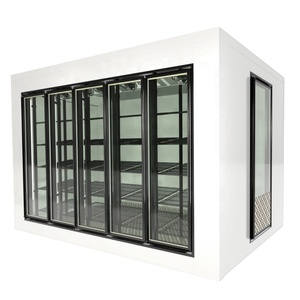
All prefabricated walk-in cold rooms and integrated reefer containers exported to Kuwait are configured for 380V–415V, 3-Phase, 50Hz electrical systems in compliance with the Ministry of Electricity and Water (MEW) standards. Refrigeration units feature tropicalized condensor coils, oversized fan motors, and high-ambient Bitzer or Copeland scroll compressors capable of operating continuously in ambient conditions reaching up to 55°C without high-pressure trip events.
What documents are required for smooth customs clearance of perishable cargo at Kuwait Cargo Terminal (KWI)?
Importing perishable goods into Kuwait requires a Commercial Invoice, Certificate of Origin (legalized by the Kuwait Embassy or Arab-American Chamber of Commerce), Air Waybill (AWB), Packing List, Health/Phytosanitary Certificate issued by origin government authorities, and a PAFN/MOH Import Permit. Our air freight forwarding division assists in pre-clearing paperwork to prevent ground delays.
Do you provide turnkey installation and local engineering support in Kuwait?
Yes. We provide complete factory-direct export along with local engineering support for site preparation, structural erection, refrigeration system piping, commissioning, and preventive maintenance across Kuwait City, Shuwaikh, Sulaibiya, Mina Abdulla, and Ahmadi industrial areas.
What is the difference between active and passive air freight solutions for Kuwait imports?
Active solutions involve powered container units (such as Envirotainer or reefer containers) equipped with electrical compressors or dry-ice refrigeration systems that continuously regulate internal temperature. Passive solutions rely on insulated boxes, phase change materials, and thermal blankets without active electrical power. Active units are recommended for high-volume, long-haul biopharmaceuticals, while passive units are ideal for express air freight shipments of perishable food items or clinical trial samples.
Are your cold room panels compliant with Kuwait Fire Department (KFD) safety regulations?
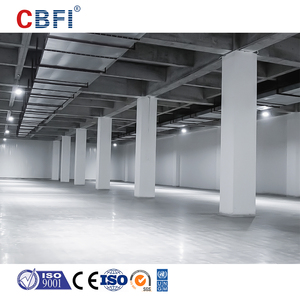
Absolutely. Our Polyisocyanurate (PIR) core insulated wall and ceiling panels carry FM Global Approval and ASTM E84 Class B1/B2 fire ratings. They exhibit self-extinguishing characteristics, low smoke emission, and structural integrity under fire conditions, fulfilling all technical submission requirements of the Kuwait Fire Department (KFD) and Ministry of Public Works.
Optimize Your Kuwait Cold Chain Logistics Infrastructure Today
Partner with an industry-leading manufacturer and air freight forwarder. Contact our engineering team to request detailed technical spec sheets, heat load calculations, and global export pricing tailored to the Kuwait market.
Get Catalog