Engineered to withstand extreme ambient temperature variances (-40°C winter to +42°C summer) encountered across Kazakhstan cargo hubs including Almaty (ALA), Astana (NQZ), and Atyrau (GUW).
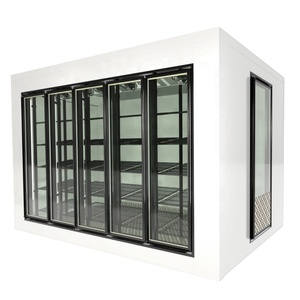
Heavy-duty industrial cold storage warehouse systems with overseas factory direct supply and localized Central Asia engineering support.
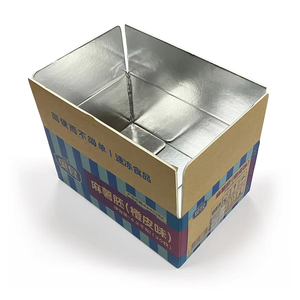
High-reflectivity aluminum foil corrugated thermal shippers designed for time-definite air freight of frozen food and biopharmaceuticals.
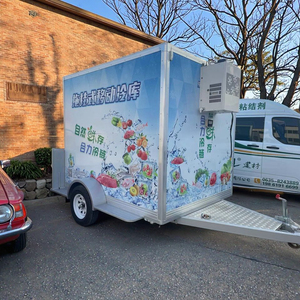
Modular, fast-assembly cold rooms engineered for mobile logistics centers and perishable air cargo transfer hubs in Almaty.
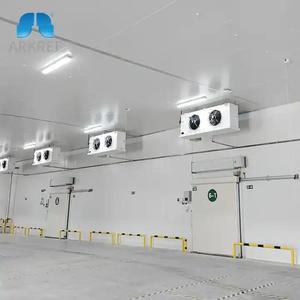
ISO containerized walk-in coolers for rugged remote deployments, oilfield sites in Atyrau, and intermodal air-rail logistics links.
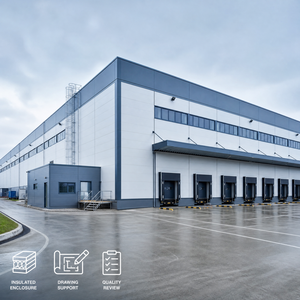
Turnkey industrial insulated buildings designed for regional distribution hubs serving Kazakhstan and wider Central Asia trade corridors.
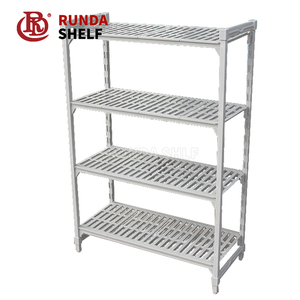
Galvanized, freeze-resistant steel shelving systems engineered to optimize high-density volumetric cold warehouse operations.
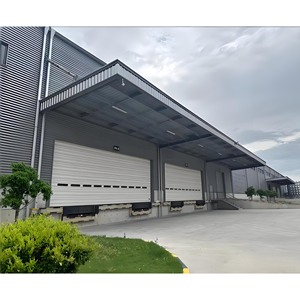
Vertical urban cold chain storage architecture optimized for land-scarce airport adjacent logistics zones in Astana and Almaty.
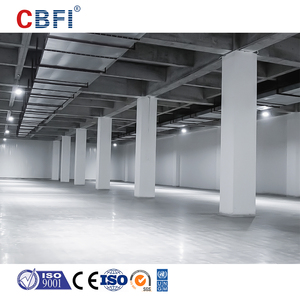
Comprehensive EPC turnkey cold storage project engineering for major Eurasian transport nodes and international freight forwarders.
Executing Time-Definite Air Shipping (TDAS) into the Republic of Kazakhstan requires a sophisticated synthesis of multi-zone temperature validation, specialized cargo aircraft chartering, and compliance with Eurasian Economic Union (EAEU) technical standards. As Central Asia’s premier economic engine, Kazakhstan acts as a key nexus for international trade lanes connecting Asia, Europe, and the Middle East. However, the region’s extreme continental climate—where ambient tarmac temperatures routinely shift from -40°C in winter across Astana (NQZ) to over +42°C during summer in Shymkent (CIT)—presents severe cold-chain integrity risks for high-value biologicals, pharmaceuticals, aerospace components, and perishable luxury imports.
To eliminate thermal degradation and transit delay penalties, certified manufacturers and logistics providers must move beyond standardized freight forwarder models. They must deploy validated thermal packaging systems, real-time IoT datalogging, and bonded airport staging facilities equipped with dual-redundant refrigeration systems. This white paper outlines the operational protocols, regulatory frameworks, and equipment specifications required for seamless express air transport across Kazakhstan’s primary air cargo gateways.
Full adherence to IATA Perishable Cargo Regulations (PCR) and Good Distribution Practice (GDP) standards. Temperature profiles are maintained across deep-frozen (-80°C), frozen (-20°C), chilled (+2°C to +8°C), and controlled room temperature (+15°C to +25°C) bands.
Continuous monitoring of ambient temperature, internal payload condition, shock, tilt, and GPS location via cellular/satellite transceivers linked directly to our 24/7 Supply Chain Control Tower.
Seamless customs clearance under customs transit (T1/EAEU) protocols, allowing immediate transfer from freighter maindecks at Almaty Airport (ALA) to bonded reefer trucks bound for Karaganda, Aktau, or Tashkent.
For time-definite express air shipping where active reefer containers (e.g., Envirotainer, CSafe) are cost-prohibitive or unavailable due to positioning limits, passive thermal packaging becomes the critical line of defense. Our manufacturers supply Vacuum Insulation Panel (VIP) outer shells coupled with customized Phase Change Materials (PCM).
Unlike standard expanded polystyrene (EPS) boxes, VIP insulation achieves a thermal conductivity value (k-factor) as low as 0.004 W/mK. When integrated with paraffin or salt-hydrate PCMs calibrated precisely to +4°C or -21°C phase-transition thresholds, these shippers maintain strict payload integrity for up to 120 hours during extended tarmac holds or remote truck transfers across Kazakhstan's vast geography.

Kazakhstan’s economic landscape demands targeted logistics strategies tailored to regional industrial clusters, resource extraction zones, and urban consumer hubs.
Importation of temperature-sensitive vaccines, oncology therapeutics, and clinical diagnostic reagents. Cargo arrives via scheduled freighters at Almaty (ALA) and moves directly into GDP-compliant airport cold storage before distribution across southern Kazakhstan.
Time-critical Aircraft-On-Ground (AOG) and emergency drilling components shipped via charter flights into Atyrau (GUW). Custom oversized modular storage containers ensure critical field spare parts remain weather-protected in Caspian desert climates.
Express air carriage of sensitive electronics, data center cooling infrastructure, and diplomatic trade samples entering Nursultan Nazarbayev International Airport (NQZ) under expedited customs clearance protocols.
Rapid transport of high-value agricultural products, seafood, and fresh produce. Utilization of pre-cooled corrugated aluminum foil boxes guarantees zero thermal drift during multi-leg transshipments from Europe or East Asia.
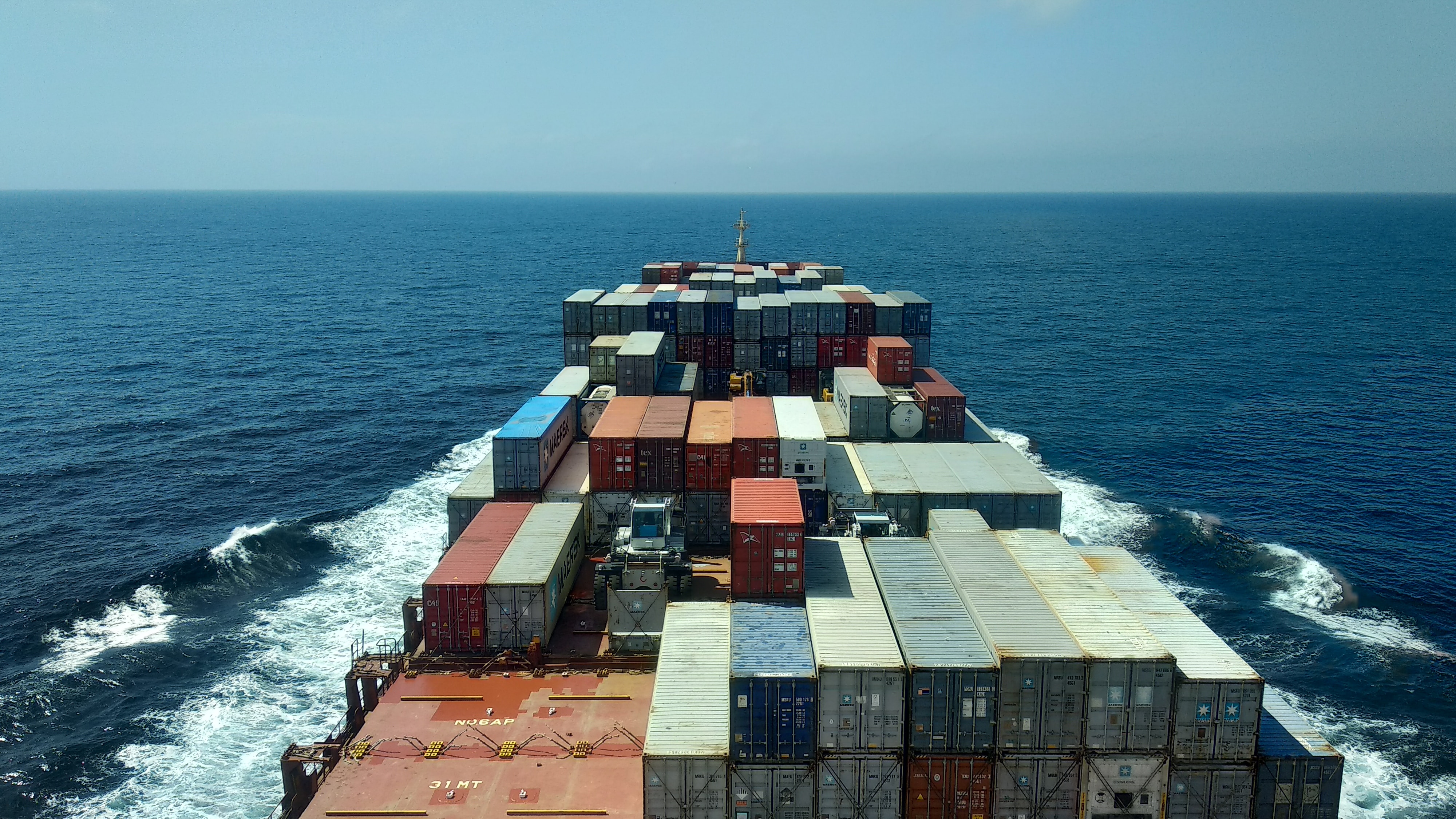
Air cargo into Kazakhstan does not operate in isolation. The rapid expansion of the Trans-Caspian International Transport Route (TITR)—often termed the Middle Corridor—has positioned Kazakhstan as the central link connecting China, Central Asia, Europe, and the Caucasus.
By pairing time-definite air freight into primary hub airports (ALA/NQZ) with expedited bonded trucking networks, shippers reduce total transit times to remote oblasts (such as Kostanay, Pavlodar, or West Kazakhstan) by up to 65% compared to pure surface freight, while maintaining complete end-to-end temperature tracking.
Understanding macro-economic shifts, regulatory changes, and technical modernization driving Central Asian logistics.
The inauguration of new cargo terminals and cold storage complexes at Almaty International Airport is doubling handling capacity. This expansion enables dedicated air freighters to conduct rapid offloading directly into temperature-controlled staging zones without tarmac exposure.
Kazakhstan’s progressive rollout of Data Matrix digital serialization for pharmaceuticals and consumer goods requires logistics providers to offer integrated WMS/TMS solutions capable of reporting serial codes directly to national tracking databases (KAZ-GDP).
Transitioning toward low GWP (Global Warming Potential) refrigerants such as R448A and R449A in prefab cold storage warehouses across Kazakhstan, aligning with international environmental compliance while lowering operational power draw.
Established in 1999, JH Logistics has operated for over a quarter of a century as a licensed NVOCC and full-service international logistics enterprise. We combine global network reach with deep, localized operational experience across North America, Europe, and Asia-Central Asia transport channels.
Our capabilities encompass comprehensive air export/import logistics, air bonded warehousing, container shipping, and specialized industrial cold storage facility design. By integrating advanced WMS systems with rigorous GDP protocols, we ensure your high-value cargo is executed with clockwork reliability.

Full regulatory credentials allowing seamless customs bonded hold, duty-deferred transshipments, and swift execution of complex international customs paperwork.
Over 70,640 sqft of specialized warehousing space offering receiving, segregation, palletizing, labeling, container stuffing, and custom cold box staging.
Dedicated air charter desks and localized customer support teams providing proactive milestone updates, temperature monitoring alerts, and customs clearance advocacy.
Addressing key engineering, regulatory, and operational considerations when importing cold storage equipment and booking time-definite air freight to Kazakhstan.
We deploy specialized winter-rated thermal blankets combined with active heat-emitting phase change packs (PCM) or active temperature-controlled unit load devices (ULDs). In addition, pre-arranged direct ramp transfer protocols ensure cargo is offloaded directly from aircraft belly holds into climate-controlled airport staging rooms within 30 minutes of touchdown.
Imports require a Declaration of Conformity under EAEU Technical Regulations (TR CU 004/2011 for low-voltage equipment and TR CU 010/2011 for machinery safety), commercial invoice, detailed packing list with HS codes, certificate of origin (Form A/CT-1), and technical datasheets translated into Russian or Kazakh.
Full cargo charter positioning can be arranged within 24 to 48 hours depending on aircraft availability and overflight permit approvals. Emergency permits for landing at Atyrau (GUW) or Aktau (SCO) are expedited through our regional diplomatic and aviation flight clearance contacts.
Yes. Our modular prefab cold storage rooms feature dual-circuit refrigeration units equipped with soft-start variable frequency drives (VFD). These systems are explicitly designed to handle power fluctuations and seamlessly integrate with hybrid diesel-generator and PV solar microgrids operating in remote oblasts.
Risk mitigation includes using high-R-value Vacuum Insulation Panels (VIP), outer aluminum foil reflective barriers, and scheduling flights for early morning touchdowns. Furthermore, real-time IoT sensors issue automated alerts if thermal thresholds approach ambient tolerance limits.
Corrugated aluminum foil shippers offer superior thermal radiation reflection (up to 97% heat reflection), structural crush resistance during high-density air cargo stacking, and significantly reduced volumetric weight, saving up to 25% on chargeable air freight costs.
Connect with our senior air freight engineers and cold chain specialists. Obtain technical specification datasheets, custom route transit schedules, and competitive factory-direct pricing tailored for Central Asian supply chains.
Get Catalog