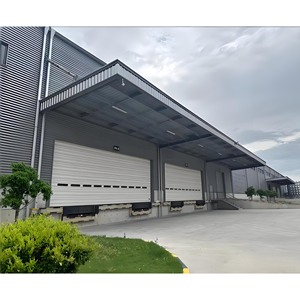
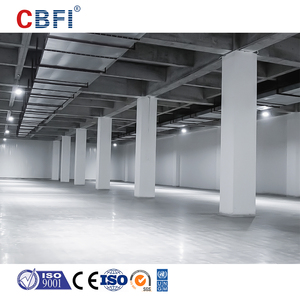
Since its inception in 1999, JH Logistics has evolved into a premier globally licensed NVOCC (Non-Vessel Operating Common Carrier) and integrated third-party logistics provider. Operating from primary corporate hubs at 2850 East El Presidio St, Carson, CA 90810, USA, the organization bridges transcontinental trade corridors connecting North America, Asia, and European maritime gateways—with specialized logistics operations optimized for the Iberian Peninsula and Western Mediterranean.
Managing an infrastructure footprint exceeding 70,640 square feet of WMS-integrated indoor storage alongside 161,435 square feet of secured container yard capacity, JH Logistics handles time-sensitive, high-value, and temperature-controlled freight flows. Our proven performance metrics—surpassing 22,458 air export/import tons and 22,550 ocean TEUs annually—demonstrate the operational rigor required by multinational exporters delivering cargo into Barcelona’s complex regulatory ecosystem.
Barcelona represents the primary maritime and air logistics axis of Southern Europe. Anchored by the Port of Barcelona (ZAL Port - Zona d'Activitats Logístiques) and Josep Tarradellas Barcelona-El Prat Airport (BCN), the region serves as the principal entry point for cargo destined for the Iberian market, Southern France, and North Africa. However, navigating the fiscal, regulatory, and physical constraints of importing goods into Catalonia requires a deep understanding of European Union customs regimes and localized cold-chain dynamics.
Bonded fulfillment centers—operating under specialized Spanish Customs (AEAT - Agencia Estatal de Administración Tributaria) authorizations—allow international exporters to hold stock within European territory without triggering immediate Import Value Added Tax (VAT/IVA) or Common Customs Tariff (CCT) duties. This fiscal deferral model provides critical capital efficiency for global exporters distributing pharmaceuticals, high-tech components, specialized food products, and consumer goods.
ZAL Port Ecosystem Integration
Direct access to over 200 hectares of intermodal warehousing. Strategic proximity to AP-7 Mediterranean Highway Corridor and main rail cargo connections to Lyon, Milan, and Frankfurt.
Fiscal Customs Deferral (DDA & ADT)
Utilization of Depósito Distinto del Aduanero (DDA) and Almacén de Depósito Temporal (ADT) regimes to eliminate upfront VAT payments and streamline re-export procedures outside the EU.
Border Inspection Post (PIF) Compliance
Direct alignment with Barcelona’s Punto de Inspección Fronterizo (PIF) for expedited veterinary, phytosanitary, and sanitary clearing of controlled agricultural and food commodities.
When exporting to Barcelona, choosing the correct legal warehouse regime is paramount to operational viability. International suppliers must distinguish between four primary legal statuses recognized by Spanish Customs Authorities:
-
ADT (Almacén de Depósito Temporal - Temporary Storage Warehouse): Intended for short-term dwell times (up to 90 days). Ideal for cargo arriving at Port of Barcelona or El Prat Airport awaiting immediate clearance, phytosanitary checks, or transshipment onward.
-
DDA (Depósito Distinto del Aduanero - Non-Customs Warehouse): Allows EU-manufactured goods or cleared import goods to be held free of IVA (VAT) for exempt transactions, perfect for intra-community sales, high-value assembly, and domestic distribution networks.
-
DA (Depósito Aduanero - Customs Warehouse): Unlimited storage duration for non-EU origin goods. Import tariffs and duties remain 100% suspended until the exact moment products enter free circulation within the EU single market.
-
RED (Régimen de Depósito Distinto del Aduanero): Special fiscal setup enabling VAT exemption for goods destined for exportation or subsequent intra-EU supply chain transfer.
By partnering with experienced freight forwarders and fulfillment exporters like JH Logistics, global brands leverage these fiscal instruments to establish local safety stock within Catalonia without exposing corporate balance sheets to premature duty liabilities.
The logistics market in Catalonia is undergoing a transformative shift driven by three primary operational catalysts:
Decarbonization of Port & Air Logistics Hubs
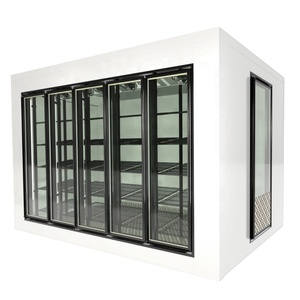
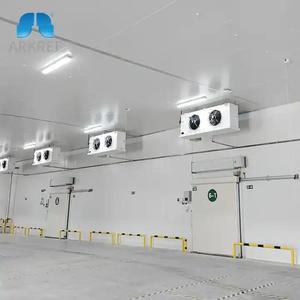
The Port of Barcelona’s Energy Transition Plan demands zero-emission logistics operations within ZAL facilities. Exporters are rapidly replacing conventional diesel-dependent cold storage infrastructure with energy-efficient modular cold rooms powered by rooftop solar photovoltaic systems and smart microgrids.
Urban Vertical Cold Warehousing
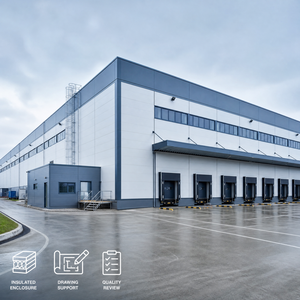
Given the land scarcity surrounding Barcelona’s metropolitan perimeter, vertical cold chain engineering—incorporating high-rise steel framing and automated storage and retrieval systems (ASRS)—has become essential. These structures maximize volumetric storage per square meter while reducing thermal footprint loss.
Nearshoring & North Africa Maritime Express Routes
The realignment of global supply chains has established Barcelona as the premier hub for near-shored goods originating in Northern Africa (Tanger-Med corridor). Bonded logistics centers provide seamless re-consolidation, duty-free transshipment, and rapid distribution into Northern Europe via short-sea shipping (SSS) routes.
Optimize Your Mediterranean Bonded Fulfillment Supply Chain
Partner with proven global logistics authorities. Connect with our engineering and freight management teams to deploy custom cold-chain infrastructure, optimize customs-deferred warehouse operations, and streamline exports serving Barcelona and the broader European market.