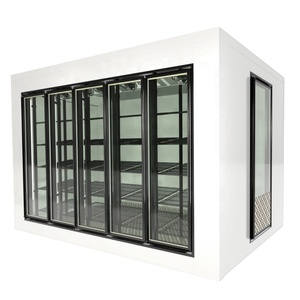
Overseas factory direct supply with specialized localized engineering support for enterprise bonded logistics nodes in Dhaka and Chittagong.
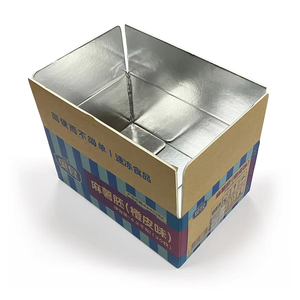
Heavy-duty insulated shipping packaging for perishable food, pharmaceuticals, and temperature-sensitive export transit under high ambient humidity.
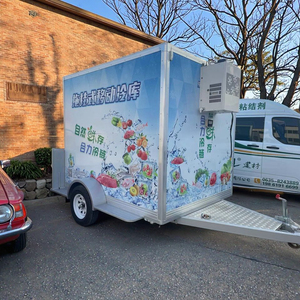
Modular, fast-deployment walk-in freezing rooms designed for multi-modal transportation, export staging, and mobile bonded storage hubs.
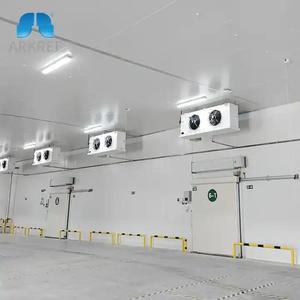
Self-contained ISO containerized walk-in cooler storage systems built for rapid deployment in port authorities, EPZs, and remote logistics sites.
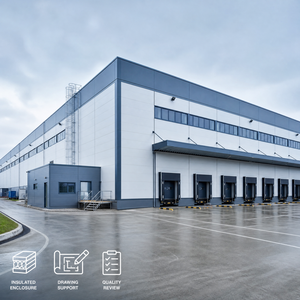
Industrial-scale PEB insulated steel buildings constructed for mega refrigerated logistics centers and bonded inventory handling.
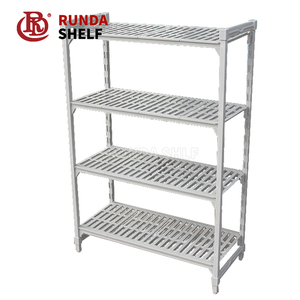
High-density steel and composite shelving systems engineered specifically for sub-zero environments, maximizing vertical volumetric efficiency.
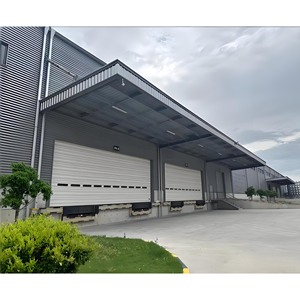
Urban vertical cold storage solution optimizing dense land usage in metropolitan Dhaka and Chittagong port hinterlands.
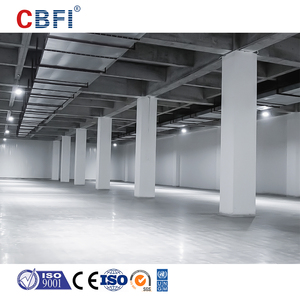
Turnkey multi-temperature warehouse facility designed for mega-fulfillment centers, agricultural processing, and duty-deferred freight.
Bangladesh’s rapid economic trajectory—driven primarily by its Ready-Made Garments (RMG) sector, expanding pharmaceutical exports under DGDA regulatory frameworks, and high-yield agro-perishables trade—has shifted the nation's supply chain requirement from conventional warehousing to specialized bonded cargo fulfillment services and advanced cold-chain infrastructure. As Bangladesh prepares for its official LDC (Least Developed Country) graduation, local manufacturers, logistics operators, and EPZ (Export Processing Zone) enterprises face intense pressure to eliminate supply chain friction, avoid demurrage at Chittagong Port (Chattogram), and comply with stringent international quality standards.
Importers and exporters operating across Dhaka, Gazipur, Narayanganj, and the Chattogram port corridor encounter severe operational hurdles. High ambient summer temperatures, prolonged monsoon humidity, power grid instability, and customs clearance bottlenecks mean that non-insulated, non-bonded facilities risk massive financial loss. Utilizing duty-deferred bonded warehousing allows factories to import raw material components (such as specialized textiles, chemical active pharmaceutical ingredients [APIs], and food additives) without immediate tariff payment, releasing critical working capital while storing items under strict thermal integrity.
Selecting the correct manufacturing supplier or local logistics integration partner for bonded cold storage requires deep technical evaluation. Industrial facilities must resist structural thermal bridging, handle seismic loads compliant with Bangladesh National Building Code (BNBC), and maintain seamless integration with WMS platforms.
| System Architecture | Ideal Application Scenario | Thermal R-Value & Panel Density | Bangladesh Logistics Compatibility |
|---|---|---|---|
| Modular Walk-In Coolers | Pharma API Storage, Perishable RMG Trims | R-32 to R-48 (42 kg/m³ Polyisocyanurate) | High; Fast cam-lock deployment in EPZs |
| Containerized Mobile Coolers | Port Staging, Agricultural Field Collectors | R-28 (Cortene Steel Structural Shell) | Excellent; Immediate plug-and-play capability |
| Prefab Steel Warehouses | Mega Bonded Logistics Centers (10,000+ sqm) | Custom PIR Sandwich Panels (100–150mm) | Optimal for clear-span industrial land usage |
| High-Rise Vertical Cold Warehouses | Dense Urban Hubs (Dhaka/Gazipur Zone) | Multi-layer insulated envelope with ASRS | Solves land scarcity & high industrial real estate costs |
To withstand tropical climate dynamics, structural components must utilize hot-dip galvanized steel framing with minimum C3-C5 corrosion resistance classification. Insulation panels must incorporate fire-retardant polyisocyanurate (PIR) cores certified under Factory Mutual (FM) standards to ensure international insurance compliance for multi-million-dollar bonded inventories.
The deployment of specialized bonded cargo and cold storage infrastructure must align with regional manufacturing clusters across Bangladesh. Below are the core localized fulfillment models engineered for local economic zones:
Bonded raw material preservation for imported high-end fabrics, technical yarns, and thermo-adhesive accessories requiring constant ambient humidity (<50% RH) to prevent mildew prior to garment manufacturing.
High-throughput bonded freezer rooms (-20°C to -25°C) designed for export-grade black tiger shrimp, ocean fish, and raw agricultural imports undergoing duty-deferred customs processing at CPAT.
Strict 2°C to 8°C cold-chain fulfillment vaults complying with WHO-GMP and DGDA guidelines for storing active pharmaceutical ingredients (APIs), biologic vaccines, and imported specialized reagents.
Turnkey prefabricated steel structural cold distribution centers equipped with heavy-duty multi-level racking systems for industrial-scale bonded logistics nodes along the Dhaka-Chittagong highway.
As Bangladesh transitions out of LDC status, global buyers and local factory owners are adopting automated, energy-efficient technologies to combat rising power tariffs and operational costs. Modern trends influencing bonded warehouse design include:
To address potential industrial power grid fluctuations in regional industrial zones, state-of-the-art cold storage facilities now incorporate rooftop photovoltaic solar arrays paired with thermal energy storage (TES) phase-change materials, reducing electrical draw by up to 35%.
Industrial land values in Gazipur, Tejgaon, and Chattogram have skyrocketed. Consequently, manufacturers are shifting from expansive single-storey warehouses to high-rise multi-level structural steel logistics buildings utilizing automated storage and retrieval systems (ASRS) and heavy-duty cold-resistant racking.
Integration of real-time IoT microclimate sensors directly with NBR bonded tracking software enables automatic duty calculations, continuous temperature log audits, and instantaneous alert systems for humidity spikes during monsoon delivery cycles.
Operating as a licensed NVOCC and full-service global freight forwarder since 1999, JH Logistics brings decades of operational excellence to international trade lanes connecting Bangladesh with North America, Europe, and Asia.