Explore our certified cold storage infrastructure, thermal containers, and modular cold rooms engineered to maintain strict temperature thresholds (+2°C to +8°C, -20°C, -80°C) across tropical transit hubs.
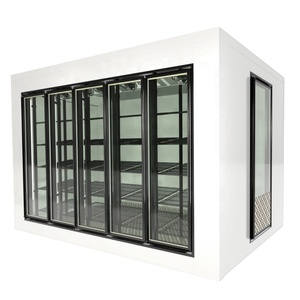
Heavy-duty prefabricated walk-in cooling systems featuring energy-efficient PUF insulation panels, automated micro-climate controllers, and anti-microbial floor coatings ideal for KLIA bonded airport staging hubs.
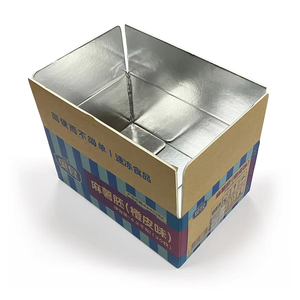
High-R-value reflective aluminum foil combined with vacuum-insulated corrugated lining. Guaranteed thermal protection during 72-hour air cargo transit under high ambient humidity.
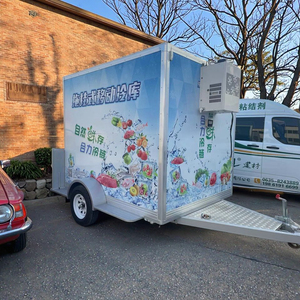
Quick-deploy modular freezing rooms designed for rapid setup at air freight terminals, featuring dual Bitzer compressor redundant units and real-time IoT temperature telematics.
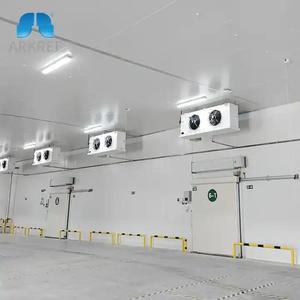
All-in-one ISO shipping container cold room units engineered for seamless intermodal transition between ocean vessels, heavy trucks, and air cargo tarmac staging zones.
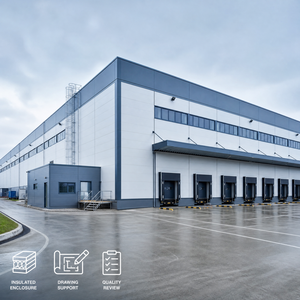
Turnkey industrial refrigerated warehouse steel frame structures custom built for regional logistics hubs around Selangor, Cyberjaya, and KLIA Aeropolis.
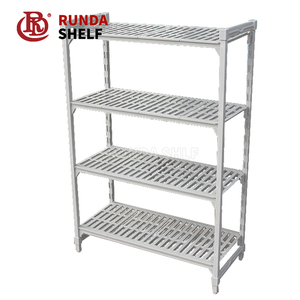
Corrosion-resistant galvanized multi-level drive-in racking systems engineered to operate down to -30°C without structural embrittlement for high-density air pallet staging.
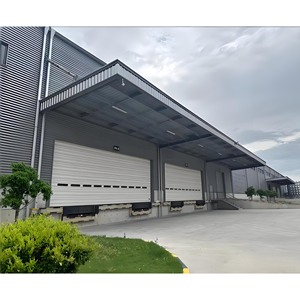
Space-maximizing multi-storey automated vertical cold storage facility designed for high-density metropolitan areas like Greater Kuala Lumpur with automated crane retrieval.
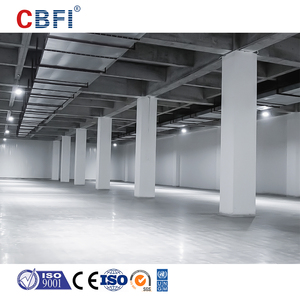
Comprehensive 10,000+ sqm cold storage facility turnkey engineering featuring insulated rapid-roll doors, dock seals, and nitrogen purge systems for high-throughput air freight centers.
Kuala Lumpur International Airport (KLIA / KUL) stands as one of Southeast Asia's most crucial strategic logistics crossroads. Positioned at the heart of Malaysia's industrial corridor, Kuala Lumpur acts as a vital conduit connecting ASEAN manufacturing centers with global trade lanes spanning North America, Europe, and the Middle East. However, managing temperature-controlled air shipping to and from Kuala Lumpur poses complex operational challenges due to Malaysia's tropical equatorial climate—where external ambient temperatures regularly surge above 35°C with relative humidity levels exceeding 85%.
Maintaining uncompromised thermal integrity during air cargo operations requires specialized expertise, precise equipment, and rigorous adherence to global regulatory frameworks including IATA CEIV Pharma, Good Distribution Practice (GDP), and Malaysia's MS 2400 Halal Logistics Standards. As a premier global freight forwarder established in 1999, JH Logistics deploys cutting-edge temperature-controlled shipping protocols, active unit load devices (ULDs), and advanced passive vacuum insulation panels (VIP) to ensure perishable, pharmaceutical, and high-tech cargo retain absolute quality from origin to final doorstep delivery in Kuala Lumpur and the surrounding Klang Valley.
Tailored temperature-controlled logistics frameworks designed for Malaysia's unique high-value industrial sectors.
Routing temperature-sensitive vaccines, monoclonal antibodies, and active pharmaceutical ingredients (APIs) through KLIA Free Commercial Zone (FCZ). Utilizing active Envirotainer/CSafe containers for strict +2°C to +8°C and ultra-cold -20°C / -80°C cryogenic stability to serve Cyberjaya biopharma parks and hospital networks in Petaling Jaya.
Malaysia is a global epicenter for Halal food trade. We organize rapid air freight solutions for fresh Musang King durians, premium tropical fruits, chilled beef, and seafood from Selangor farms to East Asian and Middle Eastern markets under strict JAKIM MS 2400 Halal cross-contamination mitigation standards.
Malaysia's semiconductor manufacturing corridor between Penang and Greater KL requires climate-controlled environment transit for silicon wafers, microchips, and optical sensors sensitive to thermal stress and humidity fluctuations (maintained strictly at 20°C ± 2°C with RH < 50%).
The landscape of temperature-controlled logistics in Malaysia is experiencing rapid structural transformation driven by infrastructure expansion, digitalization, and stringent regulatory oversight. Logistics managers shipping to Kuala Lumpur must align with three major regional shifts:
Combining world-class NVOCC credentials, global air freight networks, and specialized temperature-controlled staging facilities.
Operating licensed NVOCC services and certified air bonded warehouse infrastructure (Carson, CA & global partners). We facilitate duty-deferred storage, seamless customs brokerage, and immediate air-to-ground freight transfers.
From pre-cooling packaging materials to calibrating data loggers, every shipment adheres to standardized operating procedures audited under Good Distribution Practice (GDP) standards to eliminate thermal breaches during airport transfer.
Over 70,640 sqft of dedicated cold storage warehouse space coupled with 161,435 sqft of yard capacity, providing complete intermodal coverage spanning air freight, ocean containers (FCL/LCL), and regional refrigerated trucking across Malaysia.
Essential guidance for international trade directors, logistics managers, and local Malaysian importers.
KLIA’s ground handling terminals (MASkargo and Pos Aviation) feature specialized airside cold rooms maintaining controlled zones: Deep Frozen (-20°C), Chilled (+2°C to +8°C), and Controlled Room Temperature (+15°C to +25°C). Priority tarmac transfer protocols prevent prolonged ambient heat exposure during aircraft unloading.
We adhere strictly to JAKIM MS 2400 standards. This includes complete physical segregation of Halal food products from non-Halal cargo, sanitized temperature-controlled ULD containers, dedicated cold storage zones, and documented chain-of-custody protocols throughout air transit and local trucking.
Active containers (like Envirotainer RKN/RAP compressor units) are recommended for high-value biopharmaceutical shipments requiring long-haul transit with zero temperature variance. Passive thermal boxes (using VIP insulation and Phase Change Materials - PCM) are cost-effective for shipments up to 72–96 hours under controlled ambient profiles.
Importing cold chain cargo requires an Air Waybill (AWB), Commercial Invoice, Packing List, Certificate of Origin, Health/Phytosanitary Certificates (for perishables), MAFIQ import permits, and GDP temperature compliance certificates for pharmaceuticals. Our local customs desk expedites clearance within FCZ zones.
Speak directly with our temperature-controlled freight specialists. We engineer custom air cargo, ULD packaging, and bonded storage solutions tailored to your thermal specifications.
Send an Inquiry